What is the youngest age to take a child camping? A parent's guide
 Sep, 7 2026
Child Camping Readiness Checker
Not sure if it's time to hit the trails? Enter your child's age and check their key developmental milestones to get a personalized readiness assessment.
Current Milestones:
Safety & Gear Tips:
Fill out the form and click "Check Readiness" to see recommendations.
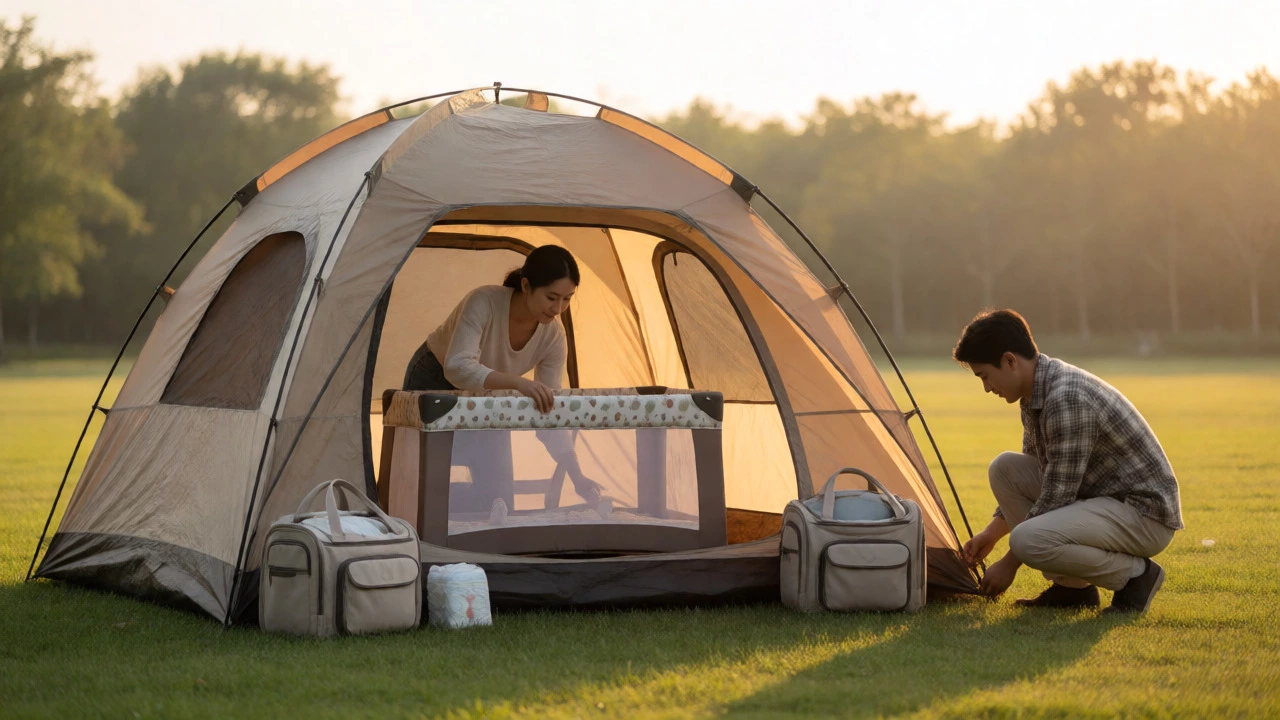
You’re staring at a packed diaper bag and a tent that looks suspiciously like it might collapse in the wind. The question isn't really "can we do this?" but rather "should we do this yet?" Parents often hear conflicting advice: some say wait until they can walk, others swear by bringing them out as newborns. There is no single legal minimum age for camping, but there are practical thresholds that determine whether your first trip will be a bonding experience or a sleep-deprived nightmare.
The short answer? You can technically take a baby camping from birth. However, the sweet spot for most families-where the logistics become manageable and the enjoyment factor spikes-is usually between six months and two years. Before six months, you’re dealing with fragile immune systems and strict feeding schedules. After two years, you’re managing active toddlers who want to climb everything. Understanding where your child falls on this spectrum helps you pick the right campsite, gear, and expectations.
Understanding Developmental Stages
Camping with an infant is fundamentally different from camping with a preschooler. It’s not just about size; it’s about physiology and psychology. When you plan your first family camping trip, you need to align your destination with your child’s current developmental stage.
By the time a baby hits four to six months, things change. They start sleeping longer stretches at night-a godsend for exhausted parents. They can also sit up with support, which means you can strap them into high chairs or playpens at the campsite. This is often the earliest age many experienced campers recommend for a true overnight stay away from home.
Toddlers aged one to three bring a new set of challenges. They are mobile, curious, and prone to falling. They don’t understand danger zones like fire pits or drop-offs. Camping with this age group requires constant vigilance and child-proofing the campsite itself. You aren’t just watching the kid; you’re managing their energy levels and nap schedules in an unpredictable environment.
Health and Safety Considerations
Your pediatrician is your best resource here. Before booking a site, ask about local health risks. Are there ticks in the area? Is the water supply safe? Infants under six months should generally avoid areas with high mosquito activity due to the risk of diseases like West Nile virus, and standard insect repellents containing DEET are often not recommended for them without doctor approval.
Temperature regulation is another critical factor. Babies lose body heat faster than adults. A cool evening breeze that feels refreshing to you can cause hypothermia in an infant if they aren’t dressed appropriately. Always pack extra layers and check weather forecasts obsessively. Rain can turn a fun outing into a cold, wet ordeal very quickly when you have a small child who cannot regulate their own temperature effectively.
Sun exposure is equally dangerous. Infant skin burns easily. Direct sunlight during peak hours (10 AM to 4 PM) should be avoided entirely. Use physical barriers like wide-brimmed hats and UV-blocking tents rather than relying solely on sunscreen, which can irritate young skin. Remember, shade moves. What is shaded at noon might be fully exposed by 2 PM.
Choosing the Right Campsite Type
Not all campsites are created equal. For your first few trips, prioritize convenience over wilderness. Look for sites that offer specific amenities designed for families. These aren't luxuries; they are survival tools when you're managing diapers, bottles, and tantrums.
- Flush Toilets: Diaper changes in a porta-potty are miserable. Flush toilets with running water make cleaning hands and bottles significantly easier.
- Shower Houses: Being able to wash off sand, sweat, or accidents quickly is invaluable. Hot water is non-negotiable for rinsing babies.
- Flat Ground: Uneven terrain increases the risk of tripping while carrying gear or a child. Flat pads allow for stable stroller parking and safer play areas.
- Proximity to Facilities: Choose a site near the campground host station or store. In case you forget formula or wipes, you want to be able to run back to your car or the office quickly.
Avoid dispersed camping or primitive sites for your first outings. No electricity means no way to pump breast milk, warm bottles, or use a white noise machine. While rustic charm is appealing, it rarely compensates for the logistical hurdles of caring for a very young child.
Gear That Actually Matters
You don’t need to buy specialized baby camping gear, but you do need to adapt what you already have. Here are the essentials that make or break the trip.
| Item | Why It’s Critical | Expert Tip |
|---|---|---|
| Baby Carrier | Keeps hands free for setting up tents; keeps baby secure on trails. | Choose one with good lumbar support. You’ll be wearing it for hours. |
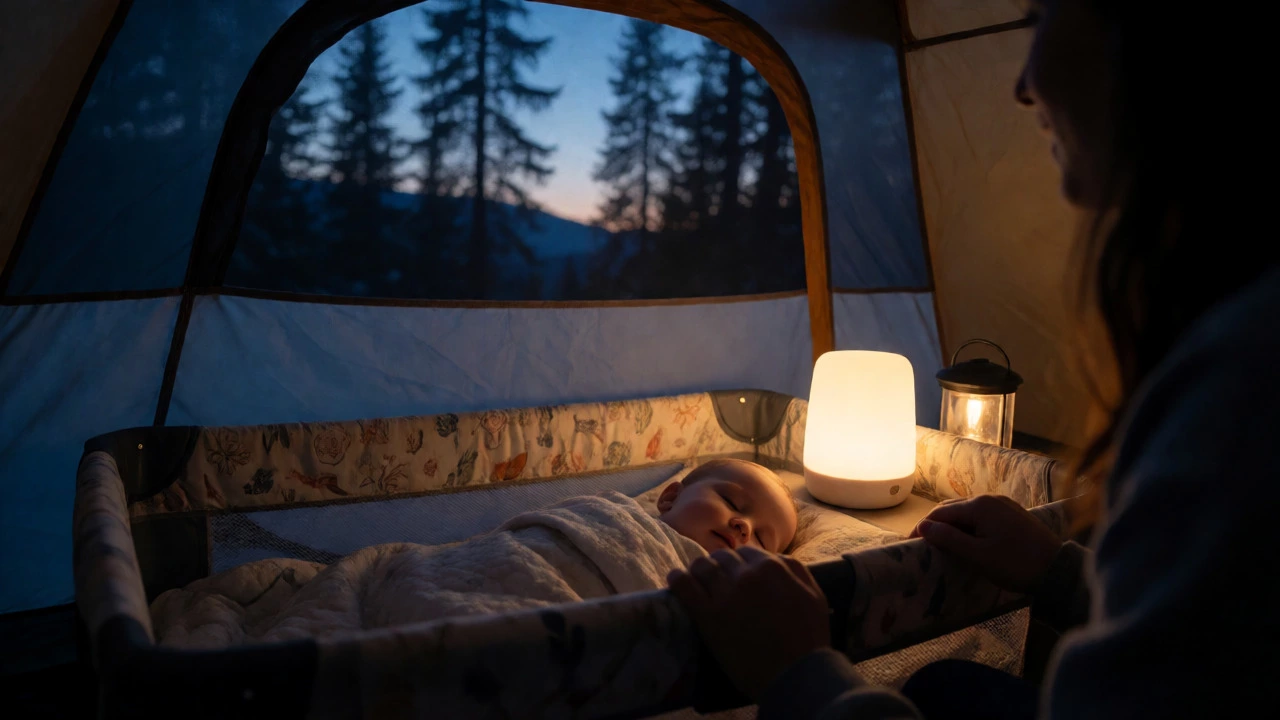
| Pack 'n Play | Provides a safe, familiar sleep space separate from adult sleeping bags. | Bring a fitted sheet specifically designed for travel cribs. |
| Portable High Chair | Prevents food messes on the ground; keeps toddler contained during meals. | Look for models that clip onto picnic tables. |
| White Noise Machine | Masks unfamiliar outdoor sounds (wind, animals) that wake light sleepers. | Use battery-operated versions; pack extra batteries. |
Don’t forget the "comfort objects." That specific blanket or stuffed animal that helps your child fall asleep at home is mandatory. In a strange environment, these familiar items provide psychological security. If you leave it behind, expect a long night.
Managing Expectations and Activities
Here is the hard truth: you are not going to hike ten miles. You are not going to cook gourmet meals over a wood fire. Your goal is simply to exist outdoors together without everyone crying. Adjust your itinerary accordingly.
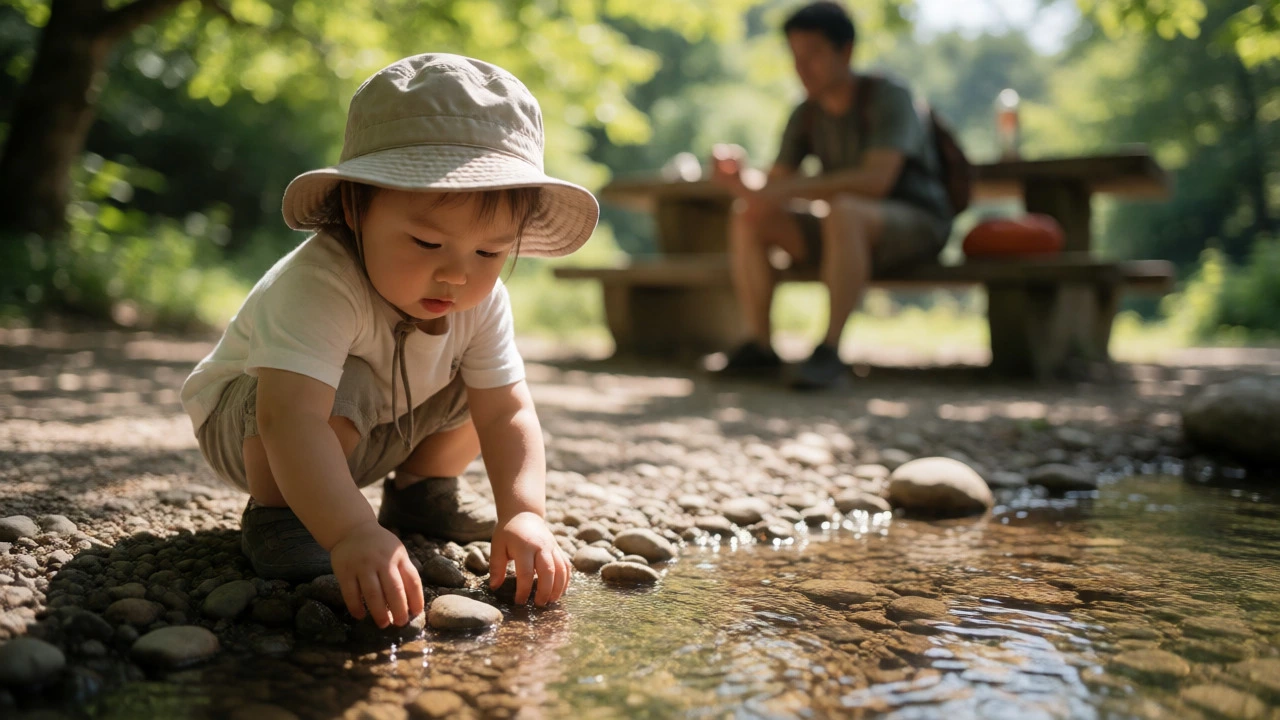
Plan for shorter days. Arrive early enough to set up camp before sunset, but not so early that you burn out the kids’ energy reserves. Keep activities simple. Nature walks should be twenty minutes max. Focus on sensory experiences-letting them touch bark, look at bugs, or splash in shallow water. These moments are more memorable for a toddler than a scenic overlook.
Naps are sacred. Do not skip them. A overtired toddler is a chaotic force of nature. Schedule quiet time in the afternoon, even if they don’t sleep. Let them relax in their Pack 'n Play or carrier while you enjoy a coffee. Protecting their sleep schedule protects your sanity.
When to Wait Longer
There are scenarios where waiting is the smarter move. If your child has severe allergies to pollen or insects, consult your allergist before heading into the wild. If they have respiratory issues, smoke from campfires or high humidity might trigger problems. Also, consider your own tolerance for discomfort. If you hate being dirty or lack patience for repetitive tasks, a remote site might test your relationship more than it strengthens it.
Start small. Try a backyard campout first. Set up the tent, sleep outside, and see how your child reacts to the darkness and noises. This low-stakes trial run reveals potential issues without the pressure of a drive home. If it goes well, book a state park with facilities for your next step. Gradually increase the remoteness and duration as confidence grows.
Ultimately, the youngest age to take a child camping is whenever you feel prepared to handle the unpredictability. Most families find success starting around six months to a year. By then, babies are more resilient, sleep better, and interact more with their surroundings. But remember, there is no prize for doing it earliest. The goal is creating positive associations with nature, not proving a point. Start easy, keep it close to home, and celebrate the small wins.
Is it safe to take a newborn camping?
While physically possible, it is generally not recommended for newborns under three months. Their immature immune systems are vulnerable to infections from soil and water, and they require frequent feedings that disrupt parental sleep. Additionally, they cannot regulate body temperature well, increasing the risk of hypothermia or overheating in variable outdoor conditions.
What is the ideal age for a first camping trip?
Many experts suggest six months to two years is the ideal window. At this age, babies typically sleep longer through the night, can sit up independently, and are less mobile than toddlers, reducing the risk of wandering off. They are also more adaptable to new environments compared to older children who may have established rigid routines.
How do I protect my baby from bugs while camping?
For infants under six months, avoid applying DEET directly to skin. Instead, use protective clothing, fine-mesh netting over strollers and cribs, and treat clothing with permethrin. For older babies, use child-safe repellents with lower concentrations of DEET or Picaridin. Always check with a pediatrician before using any chemical repellent on an infant.
Do I need a special tent for camping with a baby?
You don't necessarily need a special tent, but you need a spacious one. Ensure the interior floor is clean and dry. Many parents prefer tents with vestibules (covered entryways) to store shoes and gear outside, keeping the sleeping area cleaner. A dark-out feature can also help block morning sun, allowing babies to sleep later.
What should I do if my child gets sick at the campsite?
Pack a comprehensive first-aid kit including infant fever reducers, rehydration solutions, and thermometer. Know the location of the nearest urgent care or hospital before you arrive. If symptoms are mild, monitor closely. If there is difficulty breathing, high fever, or dehydration, head back to civilization immediately. Don't hesitate to cut the trip short.