What Is the Best State to Purchase an RV?
 Mar, 5 2026
Buying an RV isn’t just about picking a model or floor plan. The real difference between a good deal and a great deal often comes down to where you buy it. State laws, taxes, registration fees, and storage rules can add thousands to your cost-or save you that much. If you’re serious about buying an RV, skipping state research is like buying a car without checking the title history.
Why State Matters More Than You Think
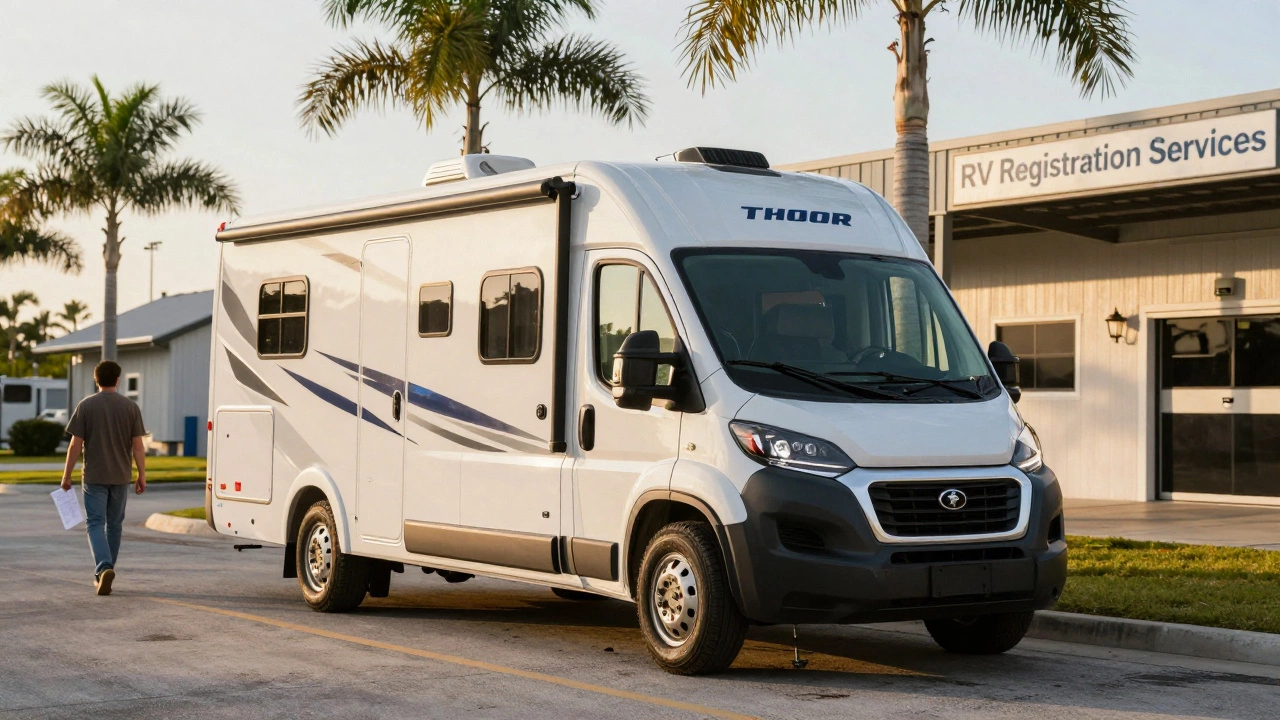
Most people assume an RV is an RV, no matter where you buy it. That’s not true. The same 2025 Thor Axis motorhome costs $120,000 in California and $105,000 in Texas, not because of dealer markup, but because of taxes and fees. Sales tax, vehicle registration, titling, and even storage rules vary wildly across states. Some states have no sales tax at all. Others charge you for every mile you drive on public roads. And if you plan to live in your RV full-time? The state you register in affects your insurance, voting rights, and even your driver’s license.
Take Florida. It’s not just sunny and popular-it’s one of the most RV-friendly states in the country. No state income tax. No sales tax on RVs bought from private sellers. And if you’re a seasonal resident, you can register your RV in Florida without even living there full-time. That’s why over 1.2 million RVs are registered in Florida, more than any other state.
The Top 5 States for Buying an RV
Based on 2025 data from the RV Industry Association and state DMV reports, here are the five best states to buy an RV:
- Florida - No sales tax on private sales, no state income tax, low registration fees ($200-$300/year), and over 2,000 RV-friendly storage facilities. Florida also allows non-residents to register vehicles, making it a top pick for snowbirds.
- Texas - 6.25% sales tax (lower than national average), no personal property tax on RVs, and registration fees capped at $500/year. Texas also has the most RV dealerships per capita and hosts major RV expos in Houston and San Antonio.
- Montana - No sales tax, no state income tax, and no personal property tax. You can register an RV in Montana even if you don’t live there by using a registered agent (a common practice among full-timers). Registration is around $250/year. Many RVers set up LLCs in Montana to avoid taxes in their home states.
- South Dakota - 4.5% sales tax, no personal property tax, and a simple registration process. You can register an RV with just a PO box and a local address service. South Dakota also has no minimum residency requirement, making it ideal for nomads.
- Arizona - 5.6% sales tax (varies by county), low registration fees ($150-$250/year), and no personal property tax. Arizona has over 400 RV parks and is a top destination for winter RVers.
States to Avoid
Not all states are RV-friendly. Some make it expensive or legally tricky to own one.
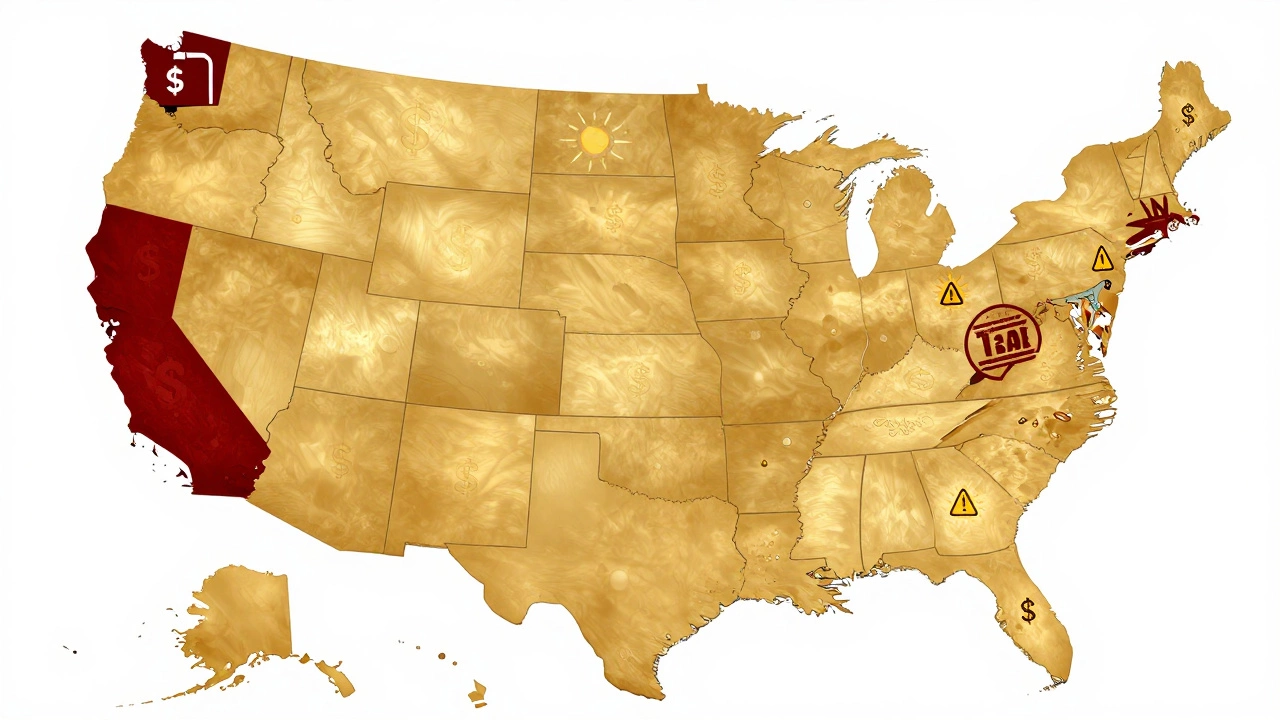
- California - 7.25% base sales tax (can go up to 10.25% with local taxes), $100+ annual registration, and a $100/year environmental fee. Plus, if your RV is over 40 feet, you need a special license. California also charges personal property tax on RVs used as primary residences.
- New York - 8.875% sales tax in NYC, plus county taxes. Registration fees can hit $300/year. New York also requires emissions testing for RVs over 8,500 lbs. And if you live in the city, you can’t park your RV on the street for more than 24 hours.
- New Jersey - 6.625% sales tax, $150/year registration, and a $200 annual inspection fee. New Jersey also requires you to register your RV within 60 days of purchase, even if you’re just passing through.
How Taxes and Fees Add Up
Let’s say you buy a $100,000 motorhome. Here’s how much extra you might pay depending on the state:
| State | Sales Tax (One-Time) | Registration (Annual) | Personal Property Tax | Total First-Year Cost |
|---|---|---|---|---|
| Florida | $0 (private sale) | $250 | $0 | $250 |
| Texas | $6,250 | $450 | $0 | $6,700 |
| Montana | $0 | $250 | $0 | $250 |
| California | $7,250 | $400 | $1,500 (estimated) | $9,150 |
| New York | $8,875 | $350 | $2,000 (estimated) | $11,225 |
That’s a $11,000 difference between buying in Florida or Montana versus New York or California. That’s enough to cover a year of full-time camping fees or upgrade your solar system.
Registration and Residency Rules
Many full-time RVers don’t live in the state where they register their vehicle. That’s legal-as long as you follow the rules. Most states require you to have a physical address in that state to register. But some, like Montana and South Dakota, allow you to use a mail-forwarding service or registered agent. These services cost $100-$300/year and handle your registration, tax notices, and legal correspondence.
Just don’t try to game the system. If you live in Illinois but register your RV in Florida while never setting foot there, you could be flagged for fraud. States are cracking down on this. The key is to have a legitimate connection: a PO box, a storage facility, a mailing address, or even a campground that accepts mail.
Storage and Insurance Implications
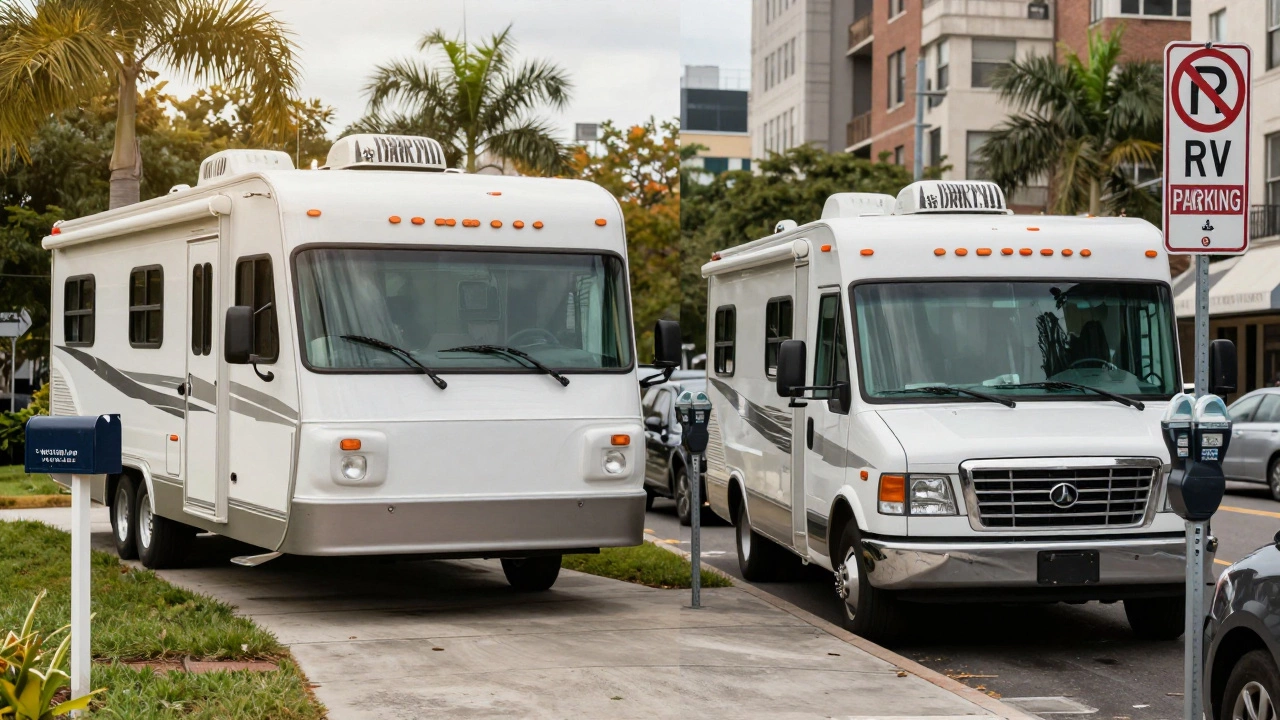
Where you register your RV affects where you’re legally required to store it. Some states require you to keep your RV on a registered property. Others let you store it on your driveway. California, for example, bans long-term RV parking on residential streets. Florida allows it in most counties. Insurance rates also vary. RV insurance in Florida is about 20% cheaper than in New York, thanks to lower theft rates and fewer weather-related claims.
If you’re planning to live in your RV full-time, choose a state that recognizes RVs as legal primary residences. Florida, Texas, and South Dakota all allow it. New York and Massachusetts don’t, which can mess with your voter registration, driver’s license, and even school enrollment for kids.
What About Buying from a Dealer?
Dealers usually collect sales tax at the point of sale, but only if they’re located in your home state. If you buy from a dealer in Montana and live in Ohio, you still owe Ohio sales tax. The only way to avoid that is to buy from a private seller in a tax-free state and register it there. That’s why many buyers travel to Montana or South Dakota just to make the purchase.
Some dealers offer “tax-exempt” sales if you plan to register in a tax-free state. But you need to prove it. That means providing a copy of your registration application, a letter from your mail-forwarding service, or proof of residency.
Final Advice: Do Your Homework
Don’t just pick the first RV you see. Talk to a local DMV. Check the state’s Department of Motor Vehicles website. Look up the exact tax rates for motorhomes-not cars. Ask RV forums for real owner experiences. Join a full-timer group on Facebook. They’ll tell you what’s really happening on the ground.
One last thing: if you’re serious about saving money, consider buying from a private seller in Montana or Florida. You’ll skip the dealer markup and the sales tax. Just make sure the title is clean, the odometer is accurate, and you have a mechanic check it before you pay.
Can I buy an RV in one state and register it in another?
Yes, you can. Many RVers buy in tax-free states like Montana or Florida and register in their home state. But you’ll still owe sales tax in your home state unless you can prove the vehicle was purchased from a private seller in a tax-free state. Always check your home state’s rules before finalizing the purchase.
Which states have no sales tax on RVs?
Montana, Alaska, Delaware, New Hampshire, and Oregon have no state sales tax. But if you buy from a dealer in one of these states and live elsewhere, you may still owe tax in your home state. The best savings come from buying from a private seller in one of these states and registering the RV there.
Is it legal to use a mail-forwarding service to register an RV?
Yes, in states like Montana and South Dakota, it’s legal and common. These states allow you to use a registered agent or PO box as your address for registration. But you must not falsely claim residency. If you live in New York and use a Montana address without ever visiting, you risk fraud charges. Always have a legitimate connection to the state.
Do I need a special license to drive an RV?
In most states, a regular driver’s license is enough for RVs under 26,000 lbs. But California, New York, and Washington require a non-commercial Class B license for larger motorhomes. Always check your state’s weight limits and licensing rules before buying.
Can I live in my RV full-time in any state?
You can live in your RV full-time in most states, but not everywhere. Florida, Texas, Arizona, and South Dakota all recognize RVs as legal primary residences. States like New York, Massachusetts, and New Jersey have strict rules against it. Check local zoning laws and whether your chosen state allows you to use your RV as your legal address for voting and driver’s license purposes.