What is the 60-Day Rule in Wales? A Guide to Wild Camping Laws
 Aug, 10 2026
Wales Wild Camping Risk Checker
Answer these questions to estimate your legal risk when wild camping in Wales. This tool helps you understand how different factors affect your chances of encountering enforcement action.
Quick Facts
- Maximum restriction: 60 days per site per year
- Governing law: Countryside and Rights of Way Act 2000
- Typical fine range: £50-£100
- Best practice: Follow Welsh Countryside Code
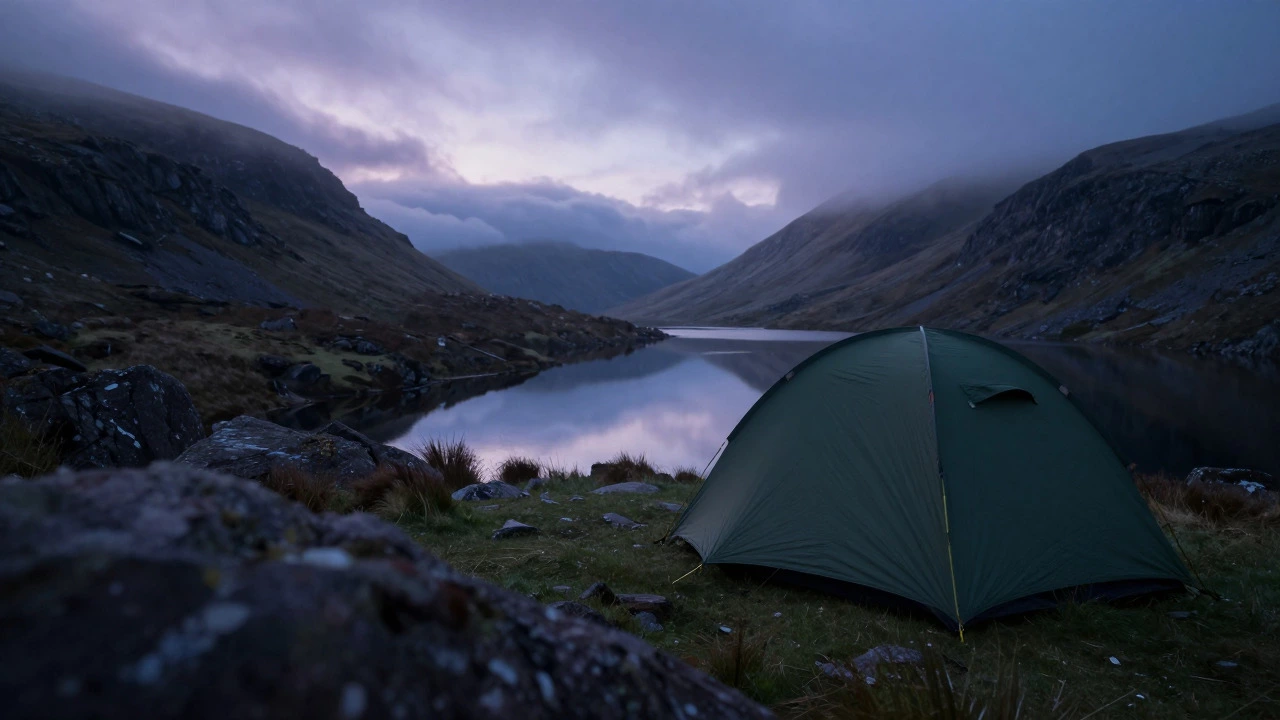
You pack up your car, drive into the rolling hills of Snowdonia, and find a perfect spot by a lake. You pitch your tent, make some tea, and breathe in that fresh mountain air. It feels like freedom. But then you hear about the 60-day rule is a provision in Welsh law allowing local authorities to restrict camping on public land for up to 60 days per year. Suddenly, that peaceful evening feels risky. Is it legal? Will you get fined? Can someone really tell you to leave?
The short answer is: yes, they can. And no, it’s not as simple as “wild camping is banned.” The reality in Wales is a mix of old rights, new laws, and local discretion. If you’re planning to camp in the Welsh countryside, understanding this rule isn’t just about avoiding trouble-it’s about respecting the land and the people who live there.
The Legal Backbone: The Countryside and Rights of Way Act 2000
To understand the 60-day rule, you first need to know where it comes from. It stems from the Countryside and Rights of Way Act 2000 (often called CRoW). This was a landmark piece of legislation designed to give the public more access to the countryside while protecting private property and agricultural interests.
In England and Scotland, the approach to wild camping differs significantly. Scotland has the Land Reform Act 2003, which grants a general right to roam and camp almost anywhere, provided you follow the Scottish Outdoor Access Code. England, however, largely treats trespassing on private land to camp as a civil matter, though police can intervene if disorder occurs. Wales took a middle path with the CRoW Act.
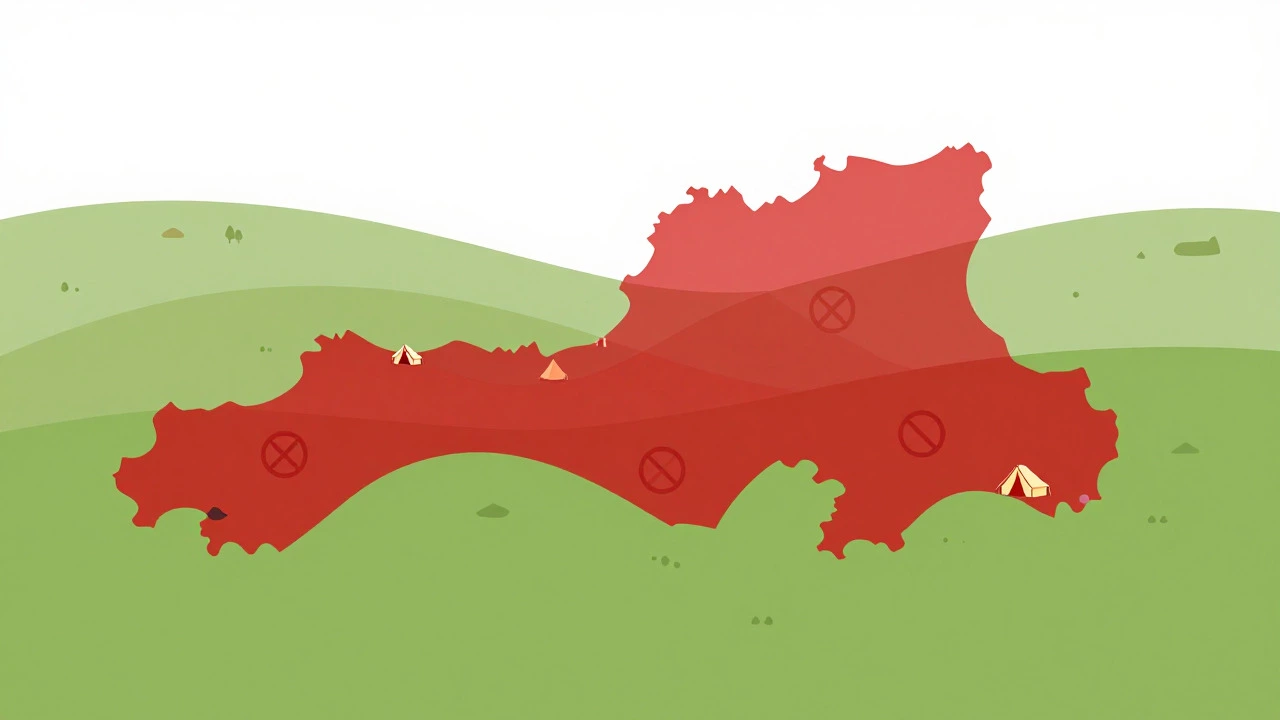
The Act allows local authorities-like county councils-to make orders restricting camping on specific pieces of land. These are known as "camping restriction orders." The key limitation built into the law is that these restrictions cannot last longer than 60 days in any one calendar year. That’s where the name comes from.
This doesn’t mean you have an automatic right to camp everywhere else. It means that if a council wants to stop you from camping in a particular area, they have to use this formal process, and they are capped at 60 days of enforced bans per site per year. Outside of those 60 days, or in areas without such orders, the situation becomes murkier, relying on common law trespass principles.
How Local Councils Use the 60-Day Rule
Not every council uses this power aggressively. In fact, many rural areas in Wales rarely issue camping restriction orders because visitor numbers are low and conflicts are minimal. However, popular spots near towns, beaches, or major hiking trails often see different treatment.
Councils typically invoke the 60-day rule when:
- Litter and waste become unmanageable.
- Fires damage vegetation or pose safety risks.
- Noise complaints disrupt nearby residents.
- Agricultural operations are hindered by vehicles or tents.
- There is significant damage to fragile ecosystems.
For example, a council might designate a popular beachfront area as restricted during July and August-the peak tourist season-which could consume most of their 60-day allowance for that site. Once those 60 days are used up, technically, the formal ban lifts until the next year. However, this doesn’t guarantee peace; police or landowners can still ask you to move under other legal grounds if issues arise.
It’s crucial to check with the specific local authority before heading out. Websites for counties like Gwynedd, Conwy, or Pembrokeshire often list current camping restrictions. Ignorance of a posted order isn’t a valid defense if you receive a fixed penalty notice.
Trespass vs. Criminal Offense: What’s the Difference?
Here’s where things get tricky for many campers. Camping on private land without permission is generally considered trespass, which is a civil wrong, not a criminal offense. This means the landowner usually has to ask you to leave. If you comply, no further action is taken. If you refuse, they may involve the police.
However, the CRoW Act changes the dynamic slightly. When a camping restriction order is in place, violating it becomes a statutory offense. Police officers or authorized enforcement agents can issue a fixed penalty notice (often around £50-£80) or even prosecute you in court for higher fines.
So, if you’re camping in an area with an active 60-day restriction order, you’re breaking a specific regulation. If you’re camping elsewhere without permission, you’re technically trespassing, but unless you cause a nuisance or refuse to leave, it’s less likely to result in immediate legal action.
This distinction matters. Many experienced wild campers operate on the principle of "leave no trace" and "move on if asked." By doing so, they minimize the chance of escalating a civil trespass into a conflict that draws official attention.
The Welsh Countryside Code: Your Best Friend
While the 60-day rule sets the legal boundaries, the Welsh Countryside Code provides the behavioral guidelines that keep wild camping viable in the long term. This code applies to everyone enjoying the outdoors, whether you’re walking, cycling, or pitching a tent.
Key principles include:
- Secure gates: Always close gates behind you to keep livestock contained.
- Protect plants and animals: Stay on paths where possible to avoid trampling rare flora or disturbing nesting birds.
- Take litter home: Leave the site cleaner than you found it.
- Keep dogs under control: Especially important near sheep farms.
- Plan ahead and be prepared: Check weather conditions and access routes.
If you follow the Countryside Code, you’re far less likely to trigger the reasons councils use to enforce the 60-day rule. Most conflicts arise from poor behavior, not the mere act of sleeping outside. Responsible wild camping helps maintain goodwill between visitors and locals, making it easier for future generations to enjoy the same freedoms.
Comparison: Wild Camping Rules Across the UK
| Region | Legal Framework | General Right to Camp? | Restrictions Mechanism |
|---|---|---|---|
| Wales | Countryside and Rights of Way Act 2000 | No automatic right | Local council camping restriction orders (max 60 days/year) |
| Scotland | Land Reform (Scotland) Act 2003 | Yes, with responsibilities | Scottish Outdoor Access Code; limited exclusions |
| England | Common Law Trespass | No | Landowner permission required; police intervention only for disorder |
As you can see, Wales sits in a unique position. It’s stricter than Scotland but offers more structured clarity than England’s vague trespass laws. For campers coming from Scotland, the shift to Wales requires extra diligence. For those from England, the 60-day rule provides a clearer framework for what’s prohibited versus what’s merely discouraged.

Practical Tips for Wild Camping in Wales
If you want to experience the magic of wild camping in Wales without running afoul of the law, here’s how to do it smartly:
- Research your location: Check the local council website for any active camping restriction orders. Some maps are publicly available online.
- Arrive late, leave early: Pitch your tent after dusk and break camp before dawn. This minimizes visibility and impact on daytime users.
- Stay away from settlements: Avoid camping within sight of houses, farms, or busy roads. Aim for remote, open moorland or forest edges.
- No fires: Use a portable stove instead. Open fires are a leading cause of restriction orders due to fire risk and soil damage.
- Carry all waste: Include toilet paper and hygiene products. Burying human waste is better than leaving it, but packing it out is best.
- Be invisible: Use dark-colored tents and avoid bright lights. Blend into the landscape.
- Move on if asked: If a landowner or ranger asks you to leave, do so politely and immediately. Arguing rarely ends well.
These practices aren’t just about legality-they’re about sustainability. The Welsh landscape is beautiful precisely because it remains relatively untouched. Preserving that beauty ensures the 60-day rule doesn’t expand into a permanent ban.
What Happens If You Break the Rule?
If you’re caught camping in a restricted area during the 60-day window, consequences vary. First-time offenders often receive a warning. Repeat violations or blatant disregard for orders can lead to:
- Fixed penalty notices (£50-£100).
- Prosecution in magistrates’ court, resulting in higher fines.
- Confiscation of equipment in extreme cases (rare but possible).
Police powers depend on whether the restriction order is actively displayed or communicated. Signs stating "No Camping" under the CRoW Act carry legal weight. Without such signage, enforcement becomes harder, though landowners can still pursue civil remedies for trespass.
Remember, the goal of the 60-day rule isn’t to punish adventurers-it’s to manage pressure on sensitive areas. Cooperating with local authorities helps ensure these spaces remain accessible for everyone.
Alternatives to Wild Camping in Wales
If the legal complexities feel overwhelming, Wales offers plenty of legal alternatives. Official campsites provide amenities like toilets, showers, and electricity, plus the peace of mind that comes with knowing you’re welcome.
Many caravan parks and holiday centers allow walk-in guests for single-night stays. Look for providers affiliated with organizations like the Caravan and Motorhome Club or Pitchup.com for verified options. Some national park authorities also run designated wild camping zones where permits can be obtained in advance.
Supporting these businesses contributes to local economies and helps fund conservation efforts. It’s a win-win: you get a comfortable night’s sleep, and the landscape gets protected.
Is wild camping illegal in Wales?
Not necessarily. While there’s no automatic right to wild camp, it’s not universally illegal. Local councils can restrict camping for up to 60 days per year using the Countryside and Rights of Way Act 2000. Outside those periods, camping may still constitute trespass, but enforcement varies.
Can I get fined for wild camping in Wales?
Yes, if you camp in an area with an active camping restriction order under the 60-day rule. Fines typically range from £50 to £100. In rare cases, prosecution can lead to higher penalties.
Where can I find information on camping restrictions?
Check the websites of local county councils in Wales, such as Gwynedd, Conwy, or Powys. They often publish lists of sites with current camping restriction orders. National Park authorities may also provide guidance.
How does the 60-day rule differ from Scotland’s laws?
In Scotland, the Land Reform Act 2003 grants a general right to roam and camp responsibly. Wales uses the CRoW Act, which allows councils to impose temporary bans (up to 60 days/year) rather than granting broad access rights.
Do I need permission to wild camp in Wales?
Ideally, yes. While not always legally required outside restricted zones, obtaining landowner permission reduces the risk of conflict and shows respect for private property. Always prioritize areas without active restriction orders.