What is the 2-2-2 Rule for RV Travel? A Beginner's Guide
 Oct, 1 2026
RV 2-2-2 Rule Planner & Estimator
Trip Details
Estimated Stats
*Based on a full break day every 2 weeks or proportional adjustment for shorter trips.
Sample Itinerary Preview
Enter your trip details above and click "Plan My Trip" to see a sample 2-2-2 rhythm schedule.
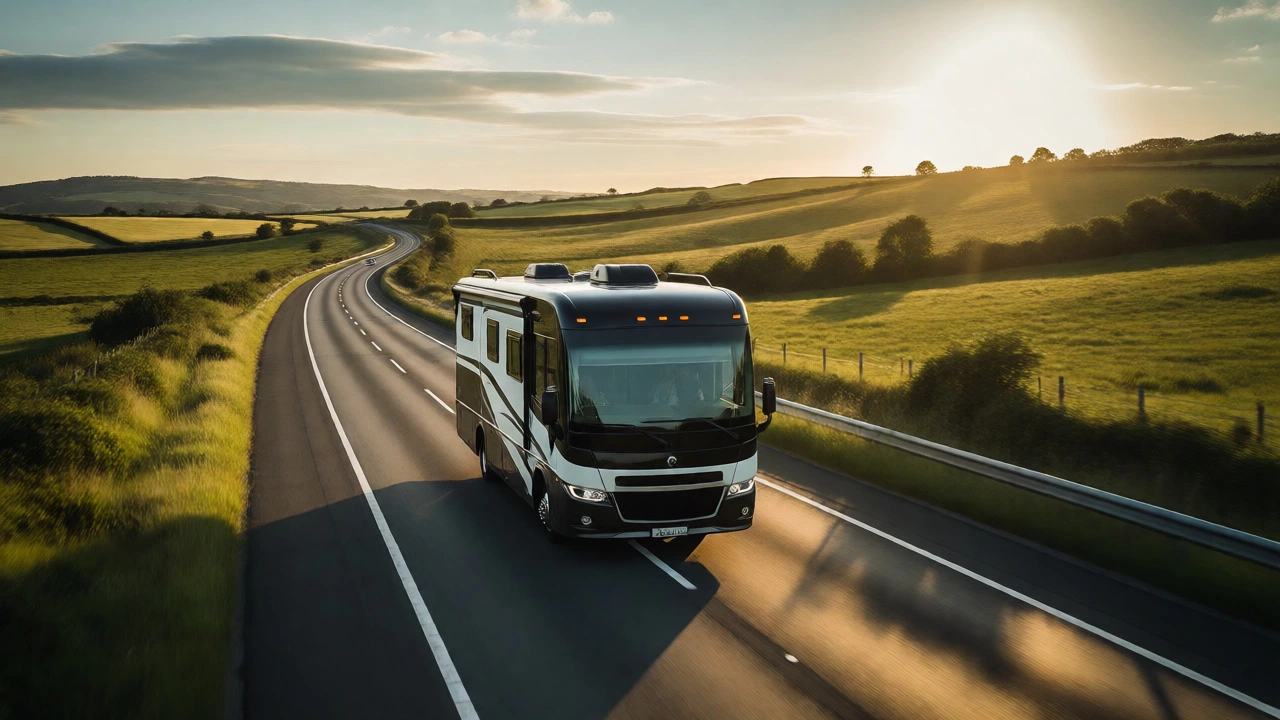
You just picked up your keys. The motorhome is fueled, the fridge is stocked, and you are ready to see the country. But then the panic sets in: how far can we actually drive today? If you try to cover 400 miles in a day with a 30-foot rig, you will arrive exhausted, not excited. This is where the 2-2-2 rule comes in. It is a simple heuristic that saves new RVer from burnout by limiting daily drives to two hours, staying at one spot for two nights, and stopping every two days for a full rest.
Breaking Down the Math of Slow Travel
The concept sounds rigid, but it is actually a flexible framework designed to match the physical reality of driving a large vehicle. Unlike a sedan, an RV requires more mental energy to operate. You are dealing with height restrictions, wider turning circles, and often lower speed limits. The first "2" stands for driving no more than two hours between stops. In most regions, this translates to roughly 80-120 miles depending on highway speeds and terrain. For a beginner, this feels incredibly slow. You might think you are missing out on seeing more places. However, consider the setup time. Unhooking, leveling, connecting power, and setting up chairs takes time. If you drive four hours, set up for one night, pack up, and drive another four hours, you spend half your vacation working, not relaxing.
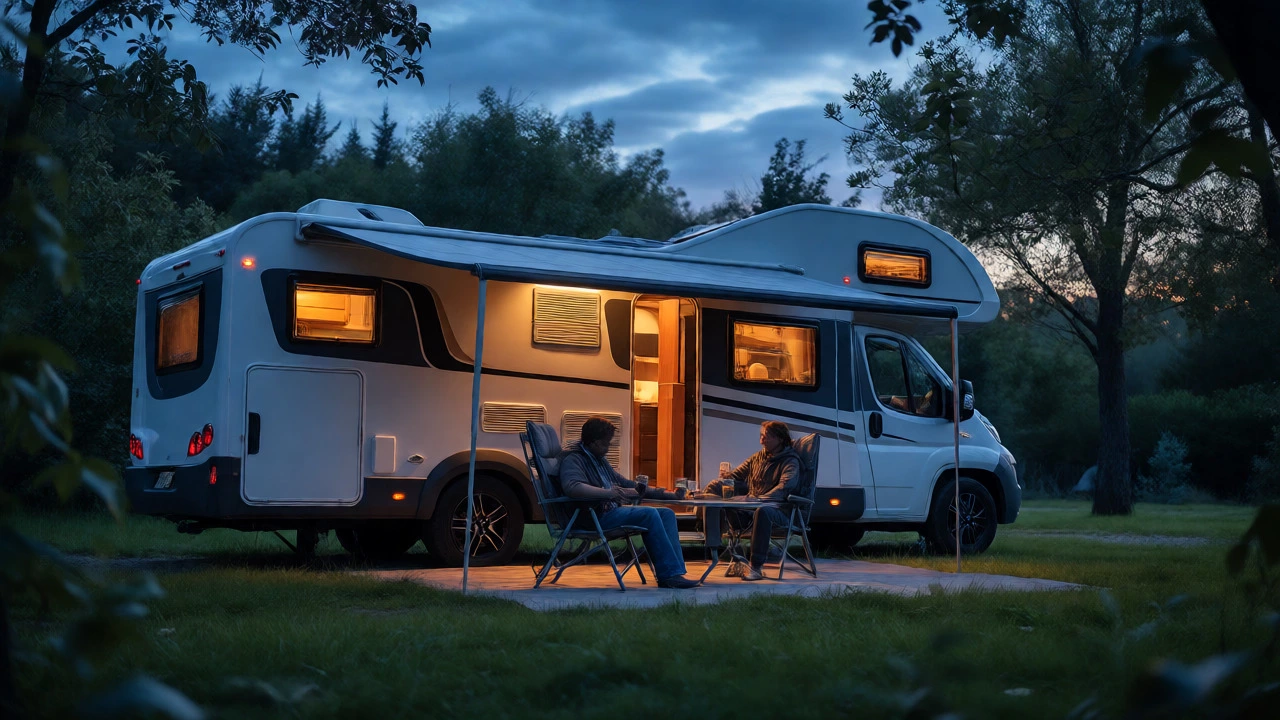
The second "2" dictates that you stay at each campsite for at least two nights. This is the game-changer for fatigue management. When you stay only one night, you are constantly in transition mode. You never truly unpack. By staying two nights, you get a full day where you do nothing related to logistics. You can explore the local area, cook a proper meal, or just read a book. The third "2" suggests taking a full break day every two weeks, or simply ensuring you have adequate rest periods built into longer trips. Think of it as a rhythm: move, settle, enjoy, repeat.
Why Standard Road Trip Logic Fails in an RV
Most people plan road trips based on distance. We look at a map, draw a line from Point A to Point B, and calculate the fuel needed. This works for cars because you can pull into any gas station bathroom and sleep in a cheap motel if you push too hard. An RV trip is different because availability is scarce. Campsites fill up months in advance, especially during peak summer weekends. If you decide to push past your two-hour limit because you "felt good," you might find yourself circling a popular state park at 9 PM, desperate for a hook-up. The stress of finding last-minute accommodation ruins the evening before you even start your next day.
Furthermore, mechanical reliability plays a role here. Older RVs, or even newer ones pushed to their limits, benefit from regular cooling down periods. Driving non-stop generates heat in the engine and transmission. Stopping frequently allows components to regulate temperature. It also gives you a chance to inspect tire pressure and check for leaks, which is much harder to do when you are rushing to make a reservation across three states.
Adapting the Rule to Your Reality
Does the 2-2-2 rule mean you can never drive more than two hours? Absolutely not. It is a guideline, not a law. Experienced travelers often modify it. Maybe you want to drive four hours on Monday to reach a destination you love, then stay there for five nights. That breaks the "two-night" rule but keeps the spirit of balance. The key is avoiding consecutive long-drive days. Never pair a four-hour drive with another four-hour drive the next day without a significant rest period in between.
| Feature | Standard Car Road Trip | RV with 2-2-2 Rule |
|---|---|---|
| Daily Drive Time | 6-8 hours common | Max 2 hours recommended |
| Stay Duration | 1 night (motel/hotel) | 2+ nights (campsite/RV park) |
| Setup Effort | Minimal (check-in/check-out) | High (leveling, utilities) |
| Fatigue Level | Moderate (driver focused) | Low (balanced pace) |
| Planning Flexibility | High (last minute easy) | Low (requires reservations) |
Practical Tips for Implementing the Schedule
To make this work, you need to change how you view destinations. Instead of aiming for national parks that are hundreds of miles apart, look for clusters of smaller attractions. If you are in the Pacific Northwest, don't try to hit Mount Rainier, Olympic National Park, and Crater Lake in one week. Pick one region, stay in one base camp for two weeks, and take day trips. This reduces mileage dramatically while increasing immersion.
- Pre-book your two-night stays: Use apps like Campendium or AllStays to find spots that allow multi-day stays. Many private RV parks offer weekly discounts, making the two-night minimum financially attractive.
- Plan "Zero Days": Mark specific days on your calendar where the generator stays off and you do not move the rig. These are essential for mental health and laundry chores.
- Check Hookup Availability: Ensure your chosen sites have the necessary amenities. If you rely on shore power, verify the amperage (30 amp vs. 50 amp) matches your RV needs before committing to a two-night stay.
- Leave Buffer Zones: If your two-hour drive lands you near a town, scout the grocery store and laundromat locations immediately. Doing these errands on arrival day frees up your second day for leisure.
Common Pitfalls and How to Avoid Them
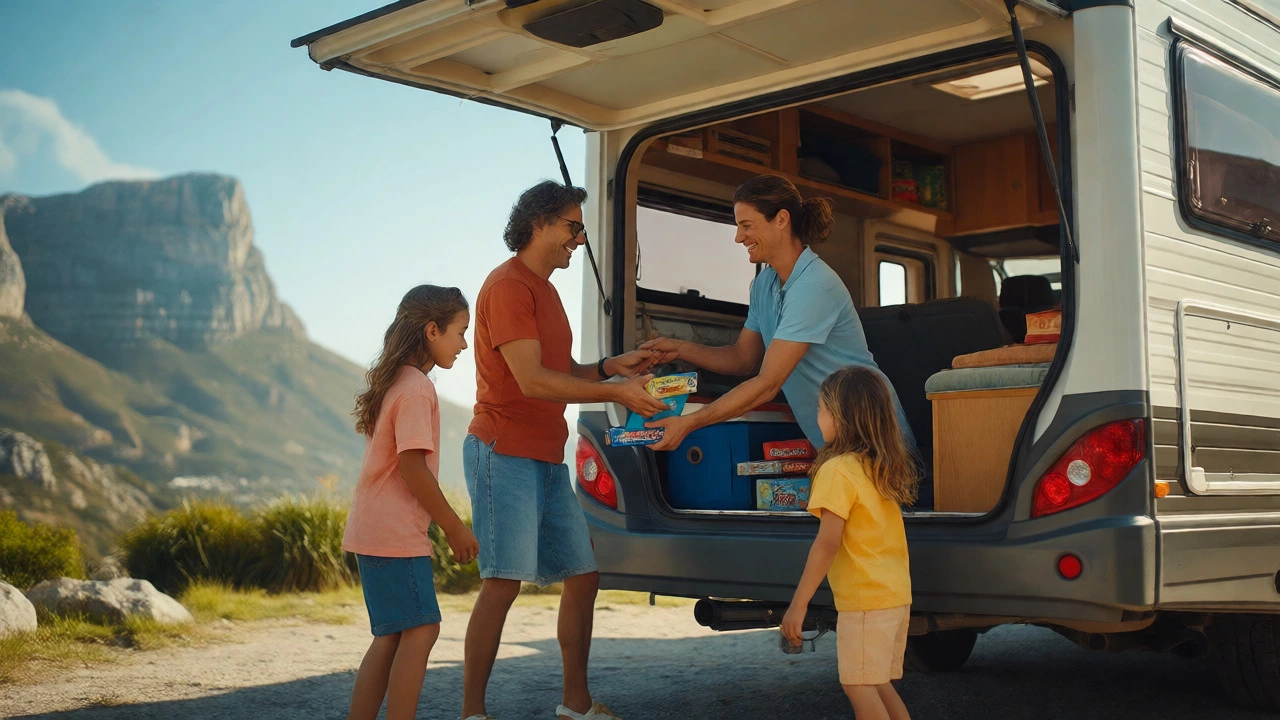
The biggest mistake beginners make is underestimating the time cost of setup and teardown. You might calculate that a 100-mile drive takes 1.5 hours. Add 45 minutes to set up camp and 45 minutes to pack up, and suddenly that "short" day consumes six hours of daylight. The 2-2-2 rule accounts for this hidden labor. Another pitfall is ignoring weather. Two hours of driving in heavy rain or high winds feels like four hours. Be willing to shorten the drive further if conditions deteriorate. Safety always trumps schedule adherence.
Also, beware of the "FOMO" (Fear Of Missing Out) trap. You will see other RVers speeding past you toward distant landmarks. Let them go. Your experience of lingering in a small town, chatting with locals, and watching the sunset from your own patio is often richer than a rushed photo op. The goal of motorhome holidays is freedom, not efficiency. The 2-2-2 rule protects that freedom by preventing exhaustion.
Is the 2-2-2 Rule Right for You?
This approach suits families with young children, retirees who prefer relaxation over adventure, and anyone traveling with pets that struggle with long confinement. It is less ideal for solo travelers seeking maximum geographic coverage or those on tight schedules who must visit specific dispersed sites. If you fall into the latter category, consider the "1-1-1" variant: one hour drive, one night stay, one day of rest per week. Or perhaps the "3-3-3" rule for faster pacing: three hours, three nights, three days. Start with 2-2-2 for your first trip. Adjust based on how tired you feel after the first week. You will quickly learn your personal rhythm.
Can I ignore the 2-2-2 rule if I have a modern, easy-to-drive RV?
Yes, you can adjust the numbers. Modern Class C or Class A motorhomes with air suspension and backup cameras are easier to handle than older models. However, the fatigue factor remains due to the size and weight. Even with an easy-to-drive rig, constant packing and unpacking is draining. Consider extending the stay duration (e.g., 2-3-2) rather than increasing drive times significantly.
How does the 2-2-2 rule affect my budget?
It generally lowers costs. Fewer miles driven means less fuel consumption. Additionally, many campsites offer discounts for stays of three nights or more, so committing to two or three nights helps maximize value. You also save money by cooking at home more often since you are settled in one place, rather than buying expensive meals on the road.
What if I want to visit remote boondocking spots?
Boondocking (dry camping) fits well with the 2-2-2 rule. Since you don't need hookups, you can stay longer in scenic areas. Just ensure you have enough water and battery capacity for two nights. If you are pushing your limits, stick to the two-hour drive cap to preserve resources and reduce stress in unfamiliar terrain.
Does this rule apply to towable RVs like travel trailers?
Even more so. Towing a trailer adds complexity to parking and maneuvering. Setting up a travel trailer involves stabilizing jacks, disconnecting the truck, and potentially unhitching. This process takes longer than setting up a motorhome. Therefore, minimizing moves via the 2-2-2 rule is crucial for a pleasant experience with towables.
How do I plan routes using this rule?
Use mapping tools that allow custom stop points. Identify interesting towns or parks within a 100-mile radius of your starting point. Select two or three potential campsites in that zone. Once you choose a site, look for another cluster of activities nearby for your second day. Repeat this process forward from your new location. This creates a chain of short hops rather than long jumps.