What Is Moochdocking? The Ultimate Guide to Free Beach Camping
 Jul, 20 2026
Moochdocking Savings Calculator
Discover the financial freedom of moochdocking. Enter your trip details below to see exactly how much you keep in your pocket compared to booking traditional campsites.
You could save approximately:
That's enough to buy new gear, eat better food, or extend your trip!
Traditional Camping Cost
Based on average nightly fees for designated sites with amenities.
Moochdocking Cost
Free parking on public land (excluding gas/food).
Note: While moochdocking saves accommodation costs, remember to budget for fuel to find spots and potential entrance fees for National Forests or BLM lands if applicable.
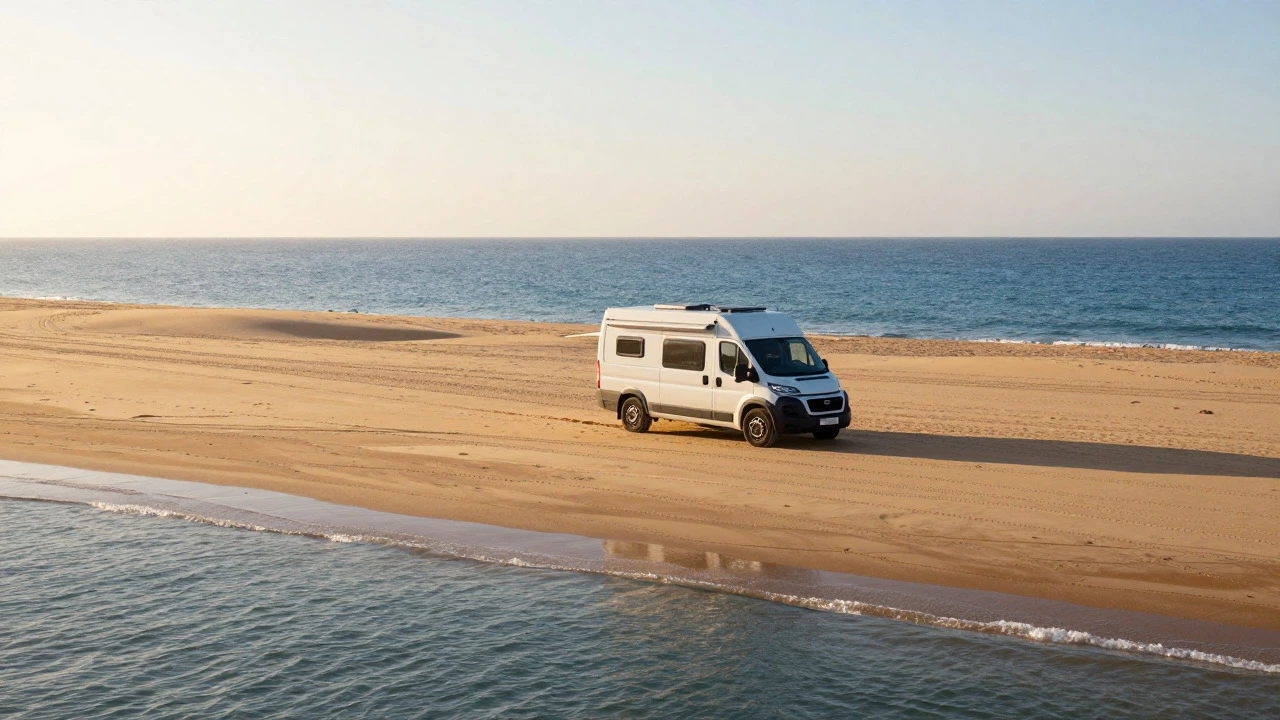
Imagine waking up to the sound of waves crashing against the shore, salt air filling your lungs, and the sun rising over a pristine coastline. Now imagine that this luxury cost you exactly zero dollars. This is the promise of moochdocking, a term that has become synonymous with free, off-grid camping for van lifers, RV owners, and adventurous travelers. But what exactly is it, and how can you do it without getting fined or towed?
Moochdocking isn't just about sleeping in your vehicle; it's a lifestyle choice that prioritizes freedom, minimalism, and connection with nature. It involves parking your motorhome, camper van, or even a tent setup on public land-often near beaches, forests, or national parks-without paying for a designated campsite. While the allure is strong, the practice comes with a steep learning curve regarding legality, etiquette, and self-sufficiency.
The Origins and Meaning of Moochdocking
To understand moochdocking, we have to look at where the word comes from. The term is a portmanteau of "mooching" (getting something for free) and "docking" (parking a boat or vehicle). It emerged within the boating and RV communities as a way to describe staying overnight in marinas or parking lots without paying fees. Over time, it evolved to cover any form of free, unofficial camping.
In Australia, where I spend much of my time exploring the rugged coastlines of Western Australia, this concept overlaps heavily with "wild camping" or "free camping." However, moochdocking specifically implies using your vehicle as your primary shelter and power source, rather than setting up a traditional tent. It’s about leveraging the mobility of your rig to access remote spots that aren’t serviced by utilities.
| Feature | Moochdocking | Traditional Campsite |
|---|---|---|
| Cost | Free | $10 - $50+ per night |
| Amenities | None (self-sufficient) | Showers, toilets, water, electricity |
| Location | Public land, beaches, BLM land | Designated parks, private resorts |
| Legality | Varies by location/permit | Always legal when booked |
| Social Interaction | Low (solitude-focused) | High (community-focused) |
Why People Choose Moochdocking
The reasons people embrace moochdocking are as varied as the landscapes they explore. For some, it’s purely financial. With the cost of living rising globally, especially in urban centers like Perth or Sydney, saving hundreds of dollars a month on accommodation is a significant draw. For others, it’s about the experience. There’s a unique thrill in finding a hidden cove or a secluded forest clearing that no guidebook mentions.
Flexibility is another major factor. When you’re not tied to a reservation system, you can change your plans on a whim. See a beautiful stretch of beach? Pull over. Want to stay longer in a mountain town? No problem. This spontaneity is impossible in the rigid world of booked caravan parks.
However, it’s not all romanticized solitude. Moochdocking requires discipline. You need to manage your resources carefully, respect local laws, and be prepared for less-than-ideal conditions. It’s a trade-off: convenience for freedom.
Legalities: Where Can You Moochdock?
This is the most critical part of moochdocking. Just because you *can* park somewhere doesn’t mean you *should*. Laws vary wildly depending on the country, state, and even local council regulations. In Australia, for example, many beaches are technically public land, but local councils often enforce strict rules about overnight stays to protect the environment and maintain order.
In the United States, Bureau of Land Management (BLM) lands offer generous allowances for dispersed camping, often allowing stays of up to 14 days in one spot. National Forests also permit free camping in many areas, though specific rules apply. In Europe, countries like France and Spain have different attitudes; while wild camping is tolerated in some rural areas, it’s strictly prohibited in protected natural parks.
Key things to look for:
- Signage: If there’s a sign saying "No Overnight Parking," heed it. Fines can range from $50 to $500.
- Local Ordinances: Check city or council websites for specific bylaws regarding vehicles on public land.
- Protected Areas: National parks and marine reserves often ban camping outside designated zones to preserve ecosystems.
- Private Property: Always ensure you’re not encroaching on private land. A fence or a gate usually indicates ownership.
Essential Gear for Off-Grid Living
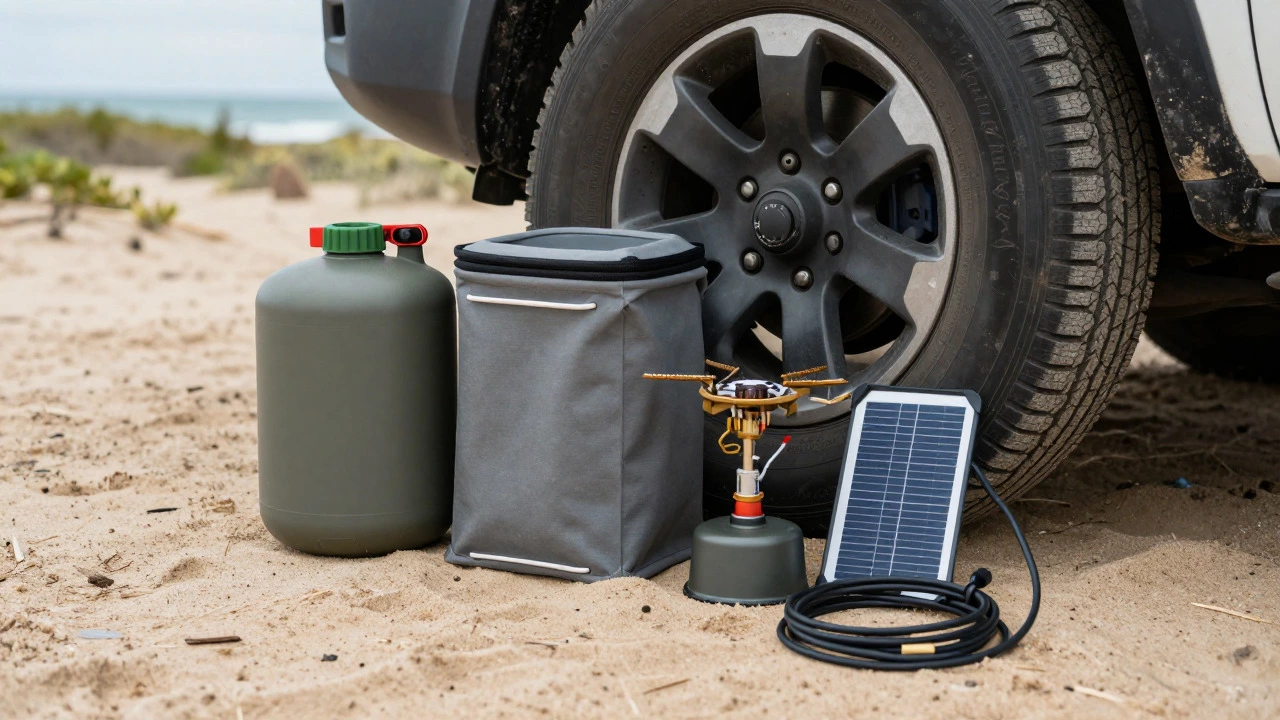
Since you won’t have hookups, your vehicle needs to be self-sufficient. This means investing in reliable gear that allows you to live comfortably without external support. Here’s what every moochdocker should consider:
- Water Storage: At least 50 liters of fresh water. More if you’re planning extended trips. Water filters and purification tablets are essential backups.
- Power Source: Solar panels paired with a lithium battery bank are the gold standard. They allow you to run lights, charge devices, and even power small appliances indefinitely.
- Waste Management: A composting toilet or chemical cassette toilet is necessary. Greywater (from sinks/showers) must be disposed of responsibly, often via soakaways in permitted areas or carried out.
- Shade and Shelter: Awnings provide protection from sun and rain. In coastal areas, wind-resistant setups are crucial.
- Cooking Equipment: Gas stoves are preferred over electric ones due to fuel efficiency. Keep a well-stocked pantry with non-perishable foods.
Finding the Best Spots
Locating good moochdocking sites takes research and sometimes a bit of luck. Apps like iOverlander, Park4Night, and FreeRoam are invaluable tools. These platforms allow users to share locations, reviews, and photos of free camping spots. Look for recent comments to ensure the site is still accessible and legal.
Google Maps satellite view is another powerful tool. Zoom in on potential areas and look for signs of previous use-such as cleared patches of sand or dirt-but avoid overcrowded spots. Aim for places that feel secluded but are still close enough to civilization for safety.
Talk to locals. Shopkeepers, fishermen, and other travelers often know the best hidden gems. They can also warn you about areas that have recently become restricted.
Ethics and Etiquette: Leave No Trace
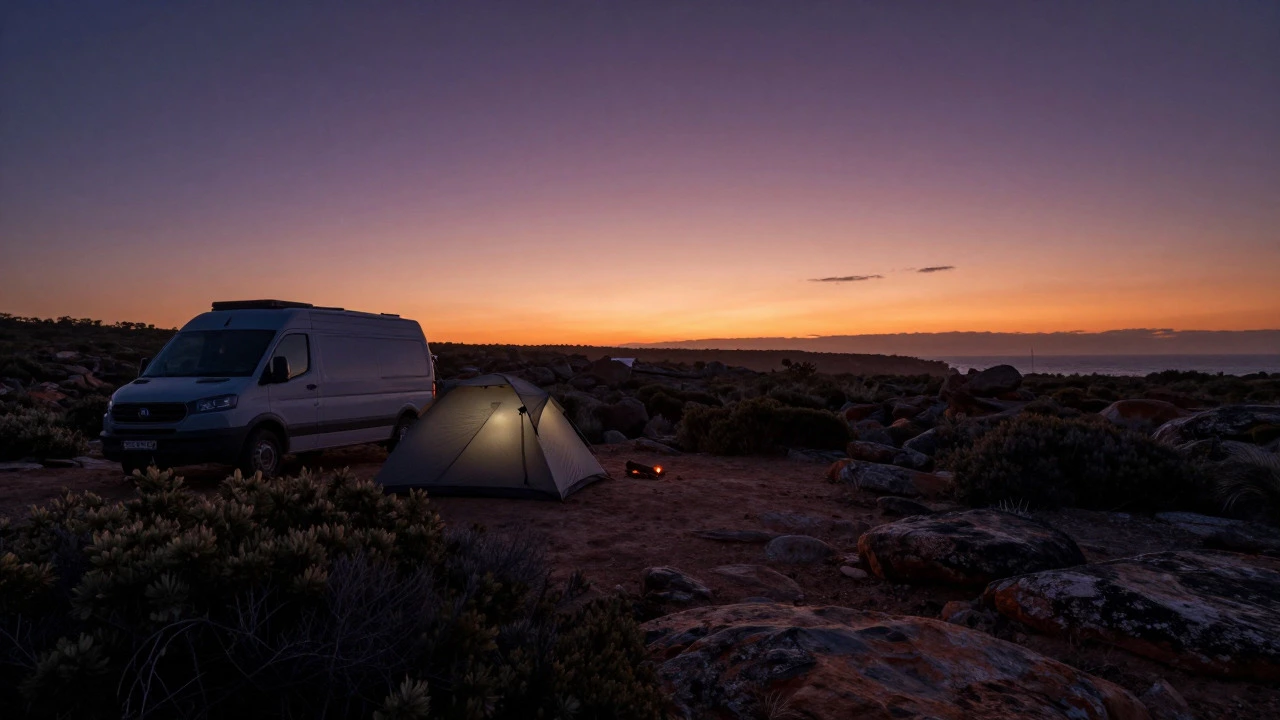
Moochdocking relies on goodwill. If campers litter, make noise, or damage the environment, authorities will crack down, closing off spots for everyone. Therefore, adhering to the "Leave No Trace" principles is non-negotiable.
- Pack It In, Pack It Out: Take all trash, including food scraps, back with you. Even biodegradable items take time to decompose and can attract wildlife.
- Minimize Impact: Avoid driving over vegetation. Set up camp on durable surfaces like sand, gravel, or existing clearings.
- Respect Wildlife: Keep a safe distance from animals. Store food securely to prevent attracting pests.
- Be Discreet: Don’t draw attention to yourself. Low light usage after dark and quiet hours help maintain harmony with neighbors and authorities.
- Limit Stay Duration: Most experts recommend moving on after 3-7 days to reduce environmental impact and avoid suspicion.
Challenges and Risks
It’s important to acknowledge that moochdocking isn’t without its downsides. Security can be a concern, especially in isolated areas. Always trust your instincts-if a place feels unsafe, leave. Weather is another factor; coastal storms or flash floods can turn a perfect spot into a hazard quickly. Have an escape plan and monitor forecasts.
Comfort levels vary. Without running water or flush toilets, hygiene becomes a conscious effort. Cold showers in buckets or sponge baths are common. Some people find this refreshing; others find it challenging. It’s a personal preference.
Is Moochdocking Right for You?
Moochdocking offers unparalleled freedom and savings, but it demands preparation and responsibility. If you value adventure, self-reliance, and connecting with nature, it might be your ideal travel style. If you prefer amenities, certainty, and social interaction, traditional campsites may suit you better.
Start small. Try a weekend trip to a nearby free camping area before committing to long-term moochdocking. Test your gear, learn your limits, and gradually build confidence. With the right mindset and equipment, moochdocking can transform your travels, turning ordinary journeys into extraordinary experiences.
Is moochdocking illegal?
Not necessarily. Legality depends entirely on the location. Many public lands, such as BLM land in the US or certain unregulated beaches in Australia, allow free camping. However, always check local signs and ordinances. Ignoring "No Camping" signs can result in fines.
How long can you stay in one spot?
Most guidelines suggest limiting stays to 3-7 days. This reduces environmental impact and lowers the chance of being asked to move by authorities. Some jurisdictions explicitly limit stays to 14 days, while others have no stated limit but enforce informal norms.
What gear do I need for moochdocking?
Essential gear includes ample water storage, a solar power system, a portable toilet, shade structures, and cooking equipment. Self-sufficiency is key since you won't have access to utilities.
Where can I find moochdocking spots?
Apps like iOverlander, Park4Night, and FreeRoam are excellent resources. Additionally, Google Maps satellite view and talking to locals can help identify suitable, legal locations.
Is moochdocking safe?
Generally yes, but safety varies by location. Research areas beforehand, trust your instincts, and keep valuables secure. Inform someone of your plans when camping in remote areas.