What is Hybrid Camping? A Guide to Glamping with Comfort
 Oct, 8 2026
Hybrid Camping Matchmaker
Not sure if you should go traditional camping, try hybrid camping, or splurge on luxury glamping? Answer these quick questions to find your perfect match.
Your Recommendation:
Cost Estimate
Nightly Rate:
Effort Level
Setup Required:
Best For
Ideal Traveler:
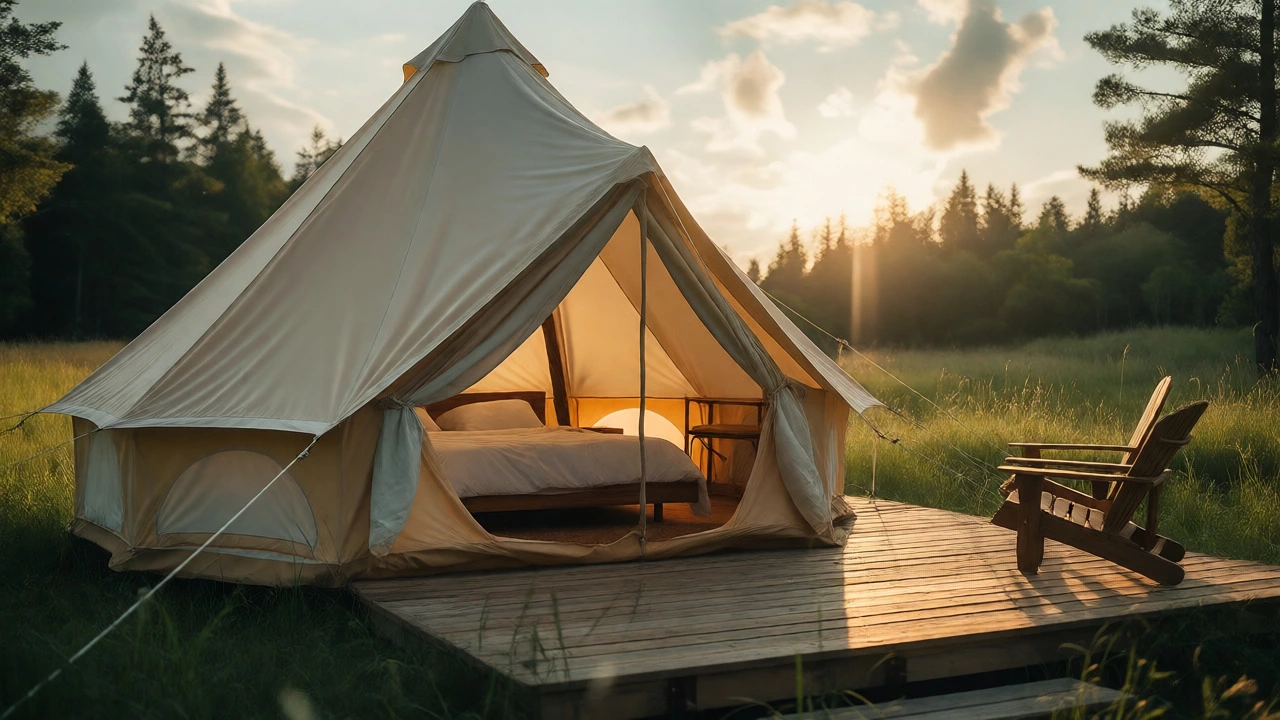
You’ve probably seen the photos on Instagram: a sleek canvas tent pitched in the middle of nowhere, but inside there’s a real bed, maybe even a hot shower. It looks too good to be true for traditional camping, yet it feels more authentic than a hotel. That’s hybrid camping, a style of outdoor accommodation that blends the rustic charm of camping with the amenities of luxury hospitality. It’s not just a buzzword; it’s a growing sector designed for people who love nature but hate sleeping on thin foam pads.
If you’re wondering whether this trend is worth your money or if it’s just overpriced tents, you’re in the right place. We’re going to break down exactly what hybrid camping entails, how it differs from standard glamping, and why it’s becoming the go-to choice for modern travelers. By the end, you’ll know if this mix of ruggedness and comfort fits your next trip.
The Core Concept: Where Rustic Meets Refined
At its heart, hybrid camping is about compromise without sacrifice. Traditional camping forces you to choose between being close to nature and having basic comforts. Luxury hotels give you comfort but isolate you from the environment. Hybrid camping sits squarely in the middle. The structure itself is usually a high-quality tent, yurt, or safari-style cabin, but the interior setup mimics a boutique hotel room.
Think of it as "glamping" with a focus on accessibility and practicality rather than pure opulence. While some glamping sites offer chandeliers and marble floors, hybrid setups often prioritize durability and ease of use. You might find a sturdy wooden deck outside, but inside, you have proper bedding, electricity, and sometimes even heating or air conditioning. The goal is to let you wake up to birdsong and fresh air without needing to carry a backpack full of gear.
This approach appeals to a specific demographic: families with young children, older adults who want to avoid joint pain from uneven ground, and casual campers who enjoy the outdoors but don’t want to master fire-building skills. It lowers the barrier to entry for outdoor experiences while maintaining the core appeal of sleeping under the stars.
Hybrid Camping vs. Glamping vs. Traditional Camping
It’s easy to confuse these terms because the lines are blurry. However, understanding the differences helps you pick the right site for your needs. Glamping (Glamorous Camping) generally implies a higher price point and more lavish amenities, such as private pools, gourmet catering, or heated floors. Traditional Camping requires you to bring your own equipment and handle all logistics yourself.
Hybrid camping, by contrast, is often more standardized and affordable than high-end glamping. It focuses on providing essential comforts-like a real bed and a clean bathroom-without the frills. Many hybrid sites are located within established caravan parks or national park reserves, offering a middle-ground experience that feels adventurous but safe.
| Feature | Traditional Camping | Hybrid Camping | High-End Glamping |
|---|---|---|---|
| Gear Required | Tent, sleeping bag, stove, cooler | Toiletries, clothes, optional food | Toiletries, clothes |
| Sleeping Arrangement | Foam pad or cot in tent | Real mattress or quality bunk beds | King-size bed, premium linens |
| Bathroom Access | Shared facilities or bush toilet | Private en-suite or dedicated block | Private en-suite with spa features |
| Average Cost (AUD) | $30 - $60 per night | $150 - $300 per night | $400+ per night |
| Effort Level | High (setup, cooking, cleanup) | Low (pack light, relax) | Minimal (concierge service) |
What You Actually Get: Amenities and Setup
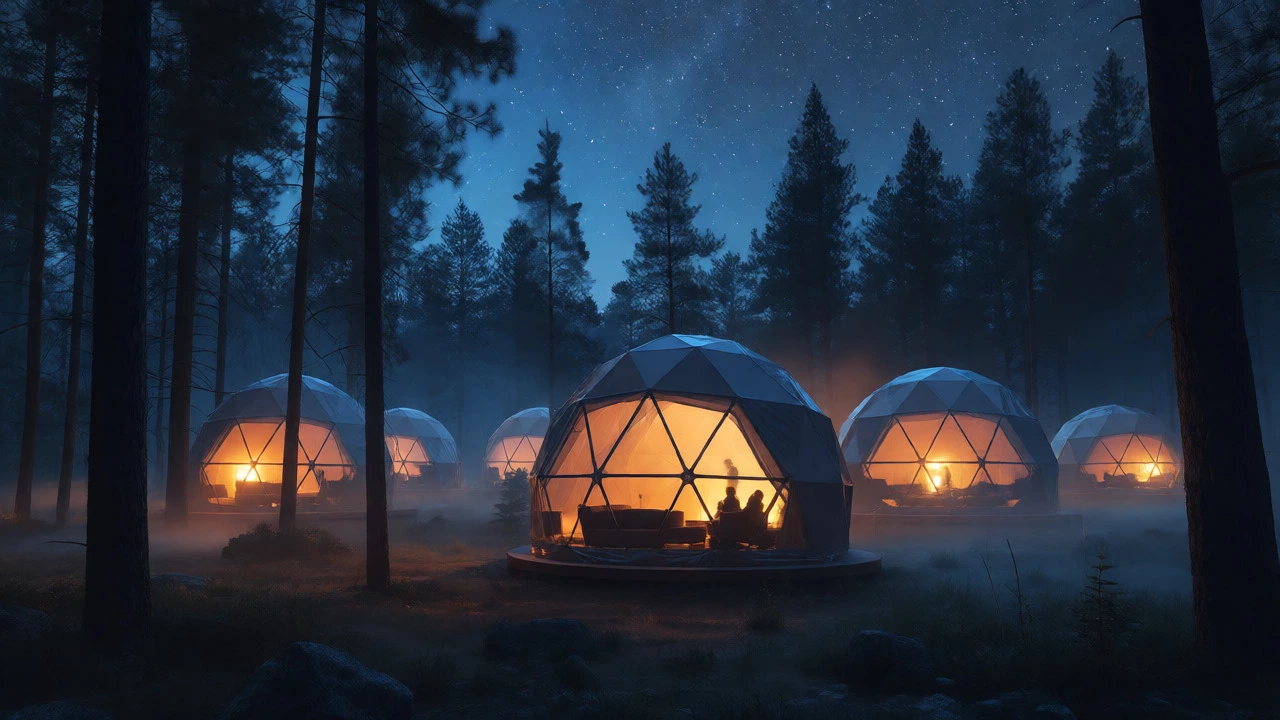
When you book a hybrid camping site, what do you actually walk into? Expectations vary by location, but most reputable operators stick to a similar checklist. First, the shelter is pre-pitched. You won’t be wrestling with poles in the wind. These structures are typically bell tents, geodesic domes, or solid timber cabins with canvas walls.
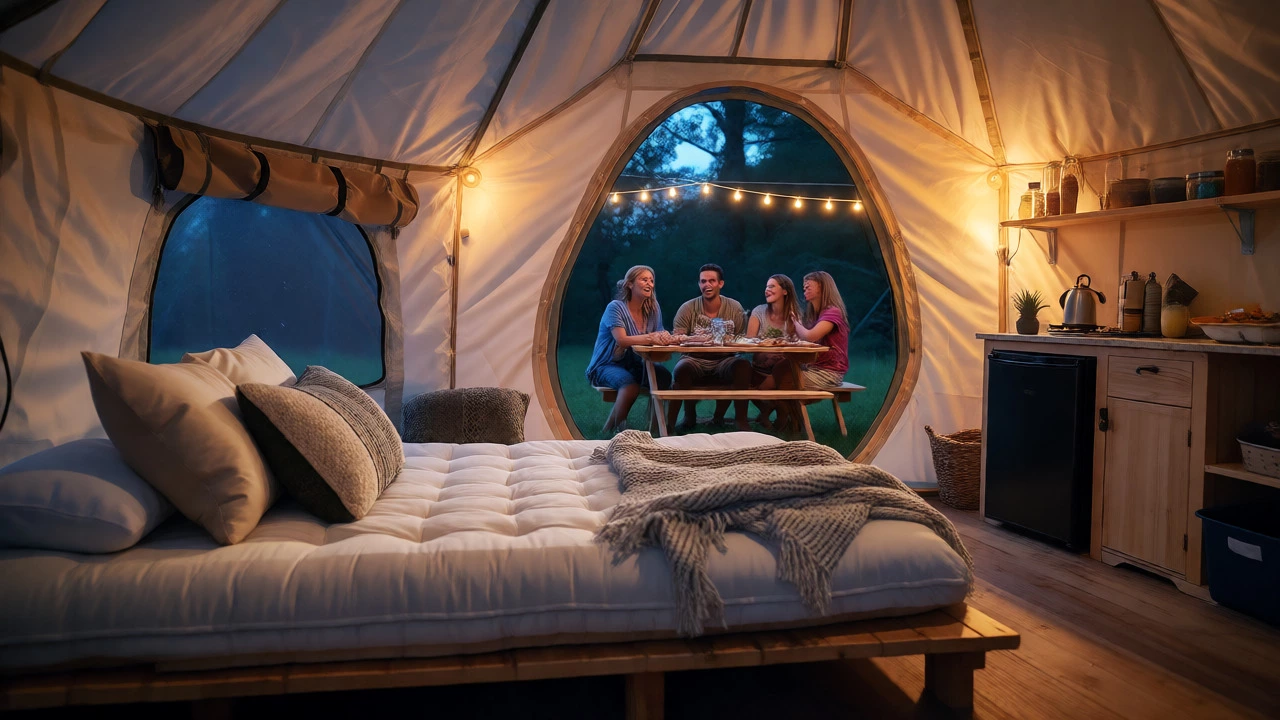
Inside, the focus is on sleep quality. Unlike a cramped family tent where everyone shares one space, hybrid units often separate sleeping areas from living spaces. You’ll likely find a proper double bed or bunks with thick mattresses. Storage is another key feature-shelves, hooks, and lockable compartments replace the chaos of stuffing bags under pillows.
Kitchen facilities are a major differentiator. Some hybrid sites provide a fully equipped kitchenette with a fridge, microwave, and sink. Others offer communal BBQ areas with picnic tables. This means you can cook a simple meal without hauling a portable gas stove and pots. Heating is also critical, especially in cooler months. Many hybrids include electric heaters or wood-burning stoves, allowing you to stay comfortable even when temperatures drop at night.
Connectivity is another aspect to consider. While some purists demand zero signal, many hybrid sites offer Wi-Fi or strong mobile reception. This makes them ideal for remote workers who want a change of scenery without losing access to emails. Just check the listing details, as coverage varies wildly depending on the terrain.
Why Choose Hybrid Camping? The Benefits
The primary draw is convenience. Packing for a traditional camping trip involves dozens of items: tent pegs, mallets, lanterns, chairs, coolers, and food containers. For hybrid camping, you essentially pack like you’re going to a weekend getaway. Bring your clothes, toiletries, and entertainment. Leave the heavy gear at home.
Cost-effectiveness is another angle. While nightly rates are higher than pitching your own tent, you save on equipment purchases. If you only camp once or twice a year, buying a high-quality tent and sleeping system can cost hundreds of dollars. Renting a hybrid unit spreads that cost over fewer trips and eliminates storage issues. Plus, you don’t have to worry about maintenance or replacing broken zippers.
For families, the safety factor is huge. Children sleep better in familiar, comfortable beds. Parents get restful nights instead of listening to kids complain about rocks digging into their backs. This leads to happier days, where everyone has energy for hiking or exploring nearby attractions. It transforms camping from an endurance test into a relaxing vacation.
Potential Drawbacks to Consider
It’s not all sunshine and starry skies. Hybrid camping does come with limitations. Availability is often tight during peak seasons. Because these units are popular, booking six months in advance is common for prime locations. Last-minute plans rarely work unless you’re flexible with dates or destinations.
Privacy can also be an issue. In some caravan parks, hybrid units are clustered closely together. You might hear neighbors’ conversations or see their lights through the canvas. If solitude is your main goal, look for standalone sites in larger reserves rather than densely packed holiday parks.
Finally, weather dependency remains. Even with insulated walls, extreme heat or cold can challenge these structures. Canvas breathes well in mild weather but can feel drafty in storms. Always check the cancellation policy and seasonal recommendations before booking. Some sites close during winter due to harsh conditions, limiting your travel window.
How to Find the Best Hybrid Sites
Searching for hybrid camping requires specific keywords. Look for terms like "pre-pitched tents," "bell tents," "cabin camping," or "luxury safari tents." Platforms like Hipcamp, Airbnb, and specialized Australian sites like Pitchup or BookCamp often have filters for these categories.
Read reviews carefully. Focus on comments about cleanliness, bed comfort, and noise levels. Photos can be misleading; a cozy-looking tent might actually be tiny or poorly maintained. Look for recent reviews (within the last six months) to ensure standards haven’t dropped.
Consider the location context. Are you looking for beachfront access, forest immersion, or proximity to town? Hybrid sites near national parks offer great hiking trails, while those near coastal towns provide easy access to restaurants and shops. Decide what kind of experience you want first, then filter by amenities second.
Preparing for Your First Hybrid Trip
Even though you’re bringing less gear, preparation still matters. Check the weather forecast for the area. Pack layers, including warm clothing for evenings, regardless of the season. Most hybrid sites provide basic linen, but bringing your own pillowcase can add a touch of familiarity.
Food planning is simpler but still necessary. If the site has a kitchenette, buy groceries beforehand to save time. If not, plan meals around local cafes or takeaways. Don’t forget entertainment-books, board games, or streaming downloads for offline viewing. Since connectivity might be spotty, having backup activities ensures you’re never bored.
Arrive early enough to settle in before dark. Familiarize yourself with the layout, locate the bathrooms, and test the heating or cooling systems. Report any issues immediately so they can be fixed before you try to sleep. A quick check-in tour goes a long way in ensuring a smooth stay.
Is hybrid camping suitable for beginners?
Yes, absolutely. It removes the technical challenges of setting up tents and managing gear, making it ideal for first-time campers who want to experience the outdoors without stress.
Do I need to bring my own towels and linens?
Most hybrid camping sites provide bed linens and pillows. Towels are less commonly provided, so it’s wise to check the specific listing or bring your own to be safe.
Can I cook my own food in a hybrid tent?
This depends on the site. Many offer shared BBQ facilities or kitchenettes. Open flames are usually restricted inside tents for safety, so check if there’s an external cooking area or indoor appliances available.
Is hybrid camping cheaper than staying in a hotel?
Not necessarily. Rates are often comparable to mid-range hotels. However, you save on dining out by cooking your own meals and gain unique outdoor experiences that hotels can’t match.
What happens if the weather turns bad?
Quality hybrid sites use weather-resistant materials and insulation. However, severe storms may lead to closures. Always review the cancellation policy and pack appropriate rain gear just in case.