What is High End Camping Called? The Ultimate Guide to Glamping
 May, 3 2026
Glamping Experience Finder
Answer a few questions about your preferences to discover which glamping style suits you best.
Recommended Accommodations
You pitch your tent in the rain, sleep on a damp patch of earth, and wake up with mud on your pillow. It’s an experience many of us cherish for its ruggedness, but let’s be honest: it isn’t for everyone. What if you could hear the birds singing at dawn and smell the pine trees without sacrificing the comfort of a king-size bed or a hot shower? That specific intersection of wilderness and five-star comfort has a name, and it’s reshaping how millions of people travel.
The term you are looking for is glamping. A portmanteau of "glamour" and "camping," this style of outdoor accommodation strips away the rough edges of traditional camping while keeping the core appeal of being immersed in nature. But before you book that safari-style tent, there is a lot more to understand about what makes glamping tick, why it costs what it does, and whether it’s actually right for your next getaway.
The Anatomy of Glamping: More Than Just a Fancy Tent
At its core, Glamping is a form of camping that provides luxurious amenities and comforts not typically found in traditional camping. Unlike standard camping, where you bring your own gear and rely on public facilities, glamping usually involves pre-arranged accommodations provided by a host or resort. The key differentiator is infrastructure. In traditional camping, you build your shelter; in glamping, the shelter is already built, often with permanent foundations, electricity, and plumbing.
Think about the last time you stayed in a hotel. You expected clean sheets, a working thermostat, and a private bathroom. Glamping replicates these expectations in an outdoor setting. If you remove the bathroom and the electricity, you’re back to basic camping. If you keep them, but put the room in a yurt made of felt and wood, you have glamping. The structure itself-whether it’s a bell tent, a geodesic dome, or a treehouse-is just the vessel. The real product is the frictionless connection to nature.
- Traditional Camping: You provide the shelter, cooking equipment, bedding, and water source. You manage waste and safety protocols yourself.
- Glamping: The provider offers furnished accommodation, often with beds, linens, lighting, and sometimes kitchenettes or full kitchens. Housekeeping may be included.
- Wilderness Luxury Lodges: These are fully constructed buildings (cabins, lodges) located in remote areas, offering all hotel amenities but lacking the "tent" aesthetic.
The distinction matters because it dictates your preparation level. With glamping, you pack light. You might need hiking boots and a jacket, but you don’t need a stove, a sleeping bag rated for zero degrees, or a machete. This lowers the barrier to entry significantly, allowing people who wouldn’t normally camp to access the outdoors.
Types of Glamping Accommodations
Not all glamping looks the same. The industry has exploded over the last decade, leading to a diverse range of structures designed to blend into different environments. Knowing which type suits your preference can help you choose the right experience.
| Type | Structure Material | Typical Amenities | Best For |
|---|---|---|---|
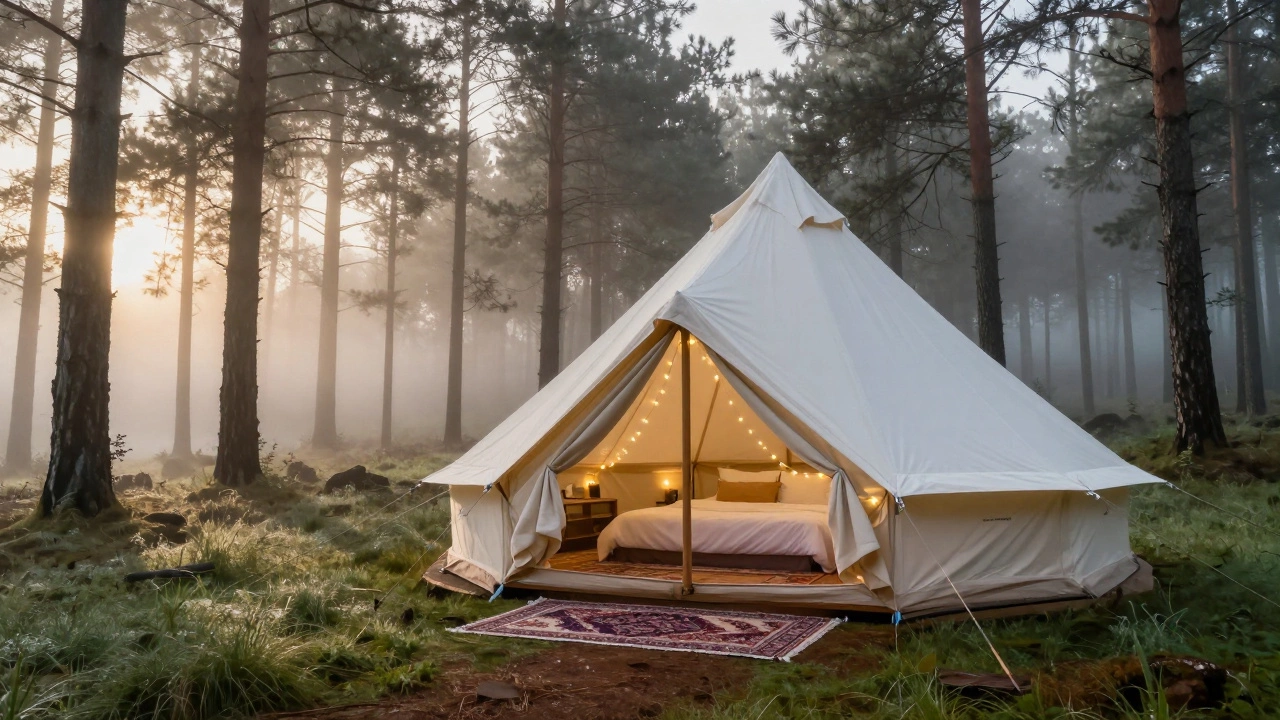
| Bell Tents | Cotton canvas with wooden poles | Wooden floors, rugs, fairy lights, basic furniture | Romantic getaways, couples seeking intimacy |
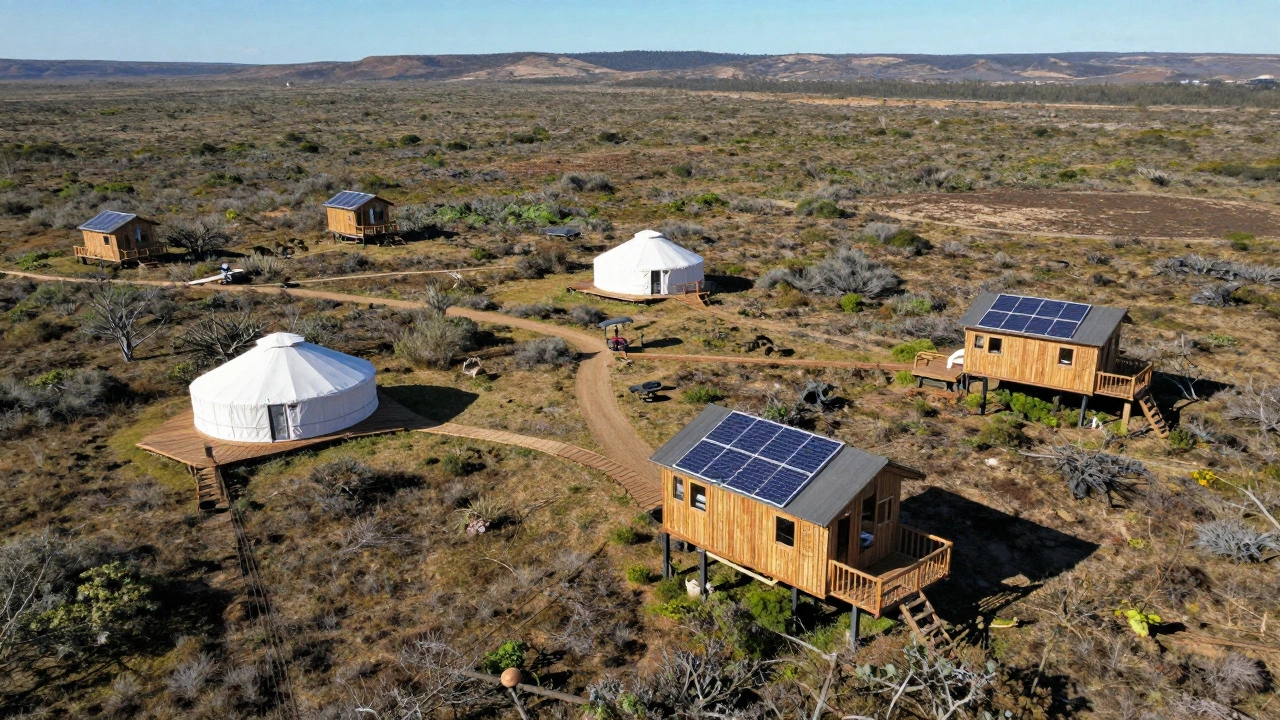
| Yurts | Felt or heavy-duty canvas over a wooden frame | Insulation, central stove, windows, private decks | Cooler climates, families wanting space |
| Safari Tents | Heavy canvas on permanent platforms | King beds, en-suite bathrooms, verandas with views | Wildlife viewing, exotic locations |
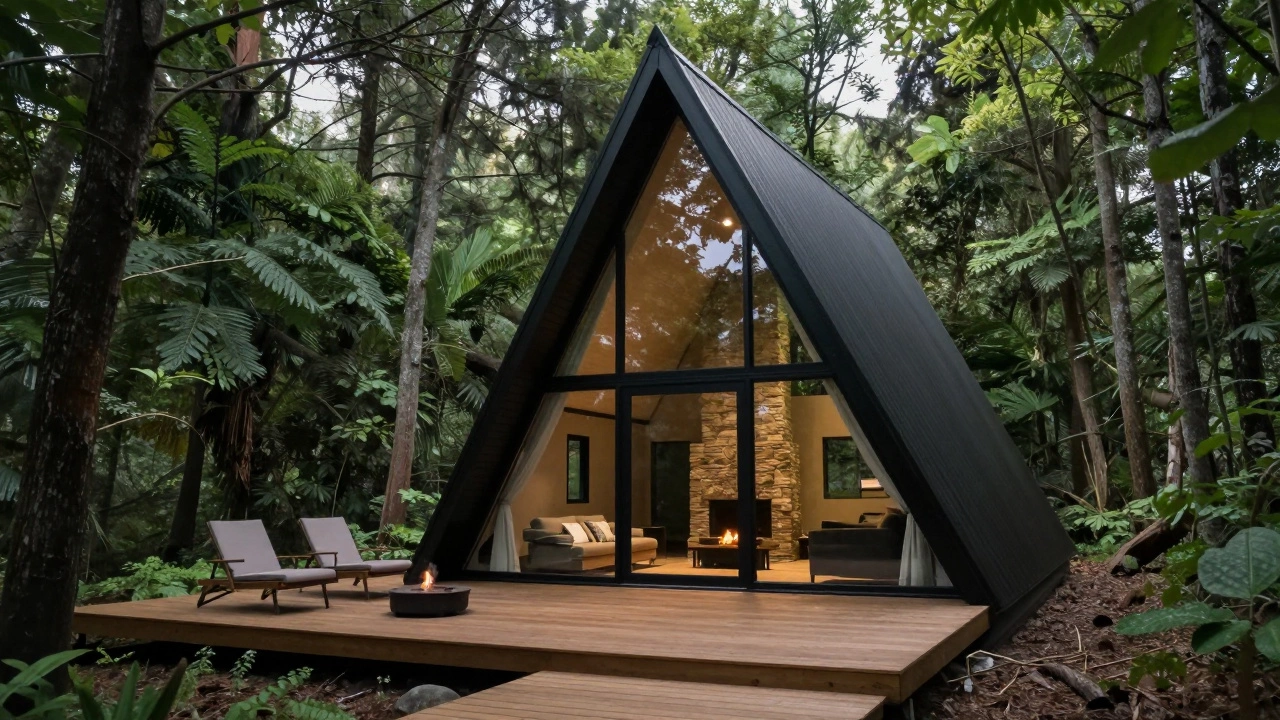
| A-Frames / Cabins | Wood, glass, metal roofing | Full kitchen, fire pit, modern architecture | Longer stays, those wanting home-like comfort |
| Treehouses | Wood, suspended between trees | Ladders or lifts, enclosed spaces, privacy | Adventure seekers, unique photo opportunities |
Bell tents are perhaps the most recognizable image of glamping. They offer a cozy, intimate atmosphere, often decorated with Persian rugs and string lights. However, they can lack insulation, making them less ideal for extreme cold or heat unless equipped with additional heating or cooling systems. Yurts, on the other hand, are structurally robust. Their circular design distributes wind pressure evenly, and the thick felt walls provide surprising warmth in winter and coolness in summer. For those who want the absolute closest thing to a hotel room, A-frame cabins or tiny homes offer solid walls, proper kitchens, and reliable climate control.
Why Glamping Costs More Than You Think
If you’ve looked at prices, you’ve likely noticed that glamping is rarely cheap. A night in a luxury yurt can cost twice as much as a standard motel room. Why? It comes down to overheads and exclusivity. Traditional campsites charge for land use and shared amenities like toilets and showers. Glamping sites charge for real estate, interior design, maintenance, and often personalized service.
Consider the logistics. Every guest in a glamping site expects a hot shower. In a remote forest location, providing that requires solar power systems, propane tanks, or complex plumbing networks. Maintaining these systems in harsh weather conditions is expensive. Furthermore, glamping sites often limit their capacity to preserve the natural environment and ensure privacy. A site might only have ten yurts instead of one hundred tent pitches. Scarcity drives price. You aren’t just paying for a bed; you’re paying for the curation of the experience, the landscaping, the concierge service, and the guarantee that you won’t have to dig a hole for a toilet.
Additionally, the target demographic for glamping is often urban professionals who value convenience and aesthetics. The pricing reflects the premium placed on "Instagrammable" moments and stress-free relaxation. If you budget for a backpacking trip, glamping will feel like a luxury purchase. If you budget for a boutique hotel stay, glamping might seem reasonably priced for the uniqueness of the experience.
The Environmental Debate: Is Glamping Sustainable?
This is the question that divides enthusiasts. On one hand, glamping encourages people to visit national parks and protected lands who otherwise wouldn’t go. By removing the physical labor of camping, it attracts a broader audience to nature appreciation. Many glamping sites actively participate in conservation efforts, using eco-friendly materials, composting toilets, and renewable energy sources.
On the other hand, the construction of permanent structures in wild areas has an undeniable footprint. Clearing land for platforms, installing electrical grids, and transporting heavy furniture to remote locations generates carbon emissions. There is also the issue of resource consumption. A glamping guest might take longer, hotter showers and use more electricity than a traditional camper who boils water on a small stove. The key lies in the operator. Ethical glamping sites prioritize low-impact design, such as elevated structures that allow wildlife to pass underneath and native landscaping that prevents erosion. When choosing a site, look for certifications or statements regarding their environmental practices. Are they using single-use plastics? Do they source food locally? These details matter.
Who Should Try Glamping?
Glamping isn’t a replacement for camping; it’s an alternative for different needs. It’s perfect for older travelers who love the outdoors but struggle with the physical demands of pitching tents and carrying heavy gear. It’s excellent for families with young children who need the security of a locked door and a familiar sleeping arrangement. It’s also ideal for couples celebrating anniversaries or honeymoons, where the romance of a secluded cabin outweighs the desire for rugged adventure.
However, if your definition of fun involves mastering survival skills, navigating by stars, and eating beans from a tin, glamping might feel too sanitized. It lacks the sense of accomplishment that comes from self-reliance. Think of glamping as a gateway. For many, it’s the first step into the outdoors. Once you’ve slept under the stars in comfort, you might find yourself curious enough to try a weekend of true wild camping later on.
How to Choose the Right Glamping Experience
With so many options available, picking the right spot can be overwhelming. Start by defining your priority. Do you want solitude or activities? Some glamping resorts are part of larger complexes offering yoga classes, spa treatments, and guided hikes. Others are isolated pods in the middle of nowhere, where silence is the main attraction.
Check the seasonality. Not all glamping units are heated. A beautiful open-air tent in summer becomes a freezing box in winter. Verify if the unit has insulation, heating, and adequate ventilation. Read reviews specifically about cleanliness and pest control. Being close to nature means being close to bugs, mice, and occasionally bears. A good operator will have protocols in place to keep wildlife out of your living space.
Finally, consider the location relative to attractions. If you’re glamping near a national park, check if you need permits to enter. Sometimes the glamping fee doesn’t include park entry fees. Also, assess the connectivity. If you work remotely, ensure the site offers reliable Wi-Fi. If you want to disconnect, confirm that signal is poor. Know what you’re buying before you arrive.
Is glamping considered camping?
Technically, yes, but it’s a distinct category. While both involve staying outdoors, glamping focuses on luxury and convenience, whereas traditional camping emphasizes self-reliance and minimalism. Most purists distinguish between the two based on the level of infrastructure provided.
What should I pack for a glamping trip?
Pack similar to a hotel stay: comfortable clothes, toiletries, and personal entertainment. Check with the provider for specifics, but generally, you won’t need a sleeping bag, tent, or cooking gear unless specified. Bring sturdy footwear for walking and layers for temperature changes.
Can I bring my dog to a glamping site?
Many glamping sites are pet-friendly, especially those in rural areas. However, always confirm policies in advance. Some places restrict pets due to wildlife concerns or allergy issues for other guests. There may be additional cleaning fees required.
How much does glamping cost per night?
Prices vary widely depending on location and luxury level. Basic glamping tents might start around $100-$150 per night, while high-end safari suites or remote cabins can exceed $500-$1000 per night. Seasonal demand also affects pricing significantly.
Is glamping safe for families with young children?
Yes, glamping is often safer for young children than traditional camping because the structures are secure, fenced, and free from tripping hazards like tent stakes. However, always supervise children around open fires, uneven terrain, and wildlife.