What is Glamping? The Ultimate Guide to Luxury Outdoor Stays
 Jul, 2 2026
Glamping Trip Planner
Use this tool to estimate costs and find accommodation types suitable for your group size.
Imagine waking up to the sound of birds chirping, the smell of pine trees in the air, and a view that would make any photographer jealous. Now imagine doing it without sleeping on a hard rock or worrying about bears stealing your food. That’s what glamping is all about. It’s not just camping with better pillows; it’s a whole new way to experience nature while keeping the comforts you’re used to at home.
If you’ve ever thought about getting into the outdoors but were put off by the idea of setting up a tent in the rain or cooking over an open fire, glamping might be your answer. But before you book that safari tent, let’s break down exactly what this trend is, why it’s taken off, and how you can find the perfect spot for your next getaway.
The Basics: What Exactly Is Glamping?
At its core, glamping is a portmanteau of "glamorous" and "camping." It’s a style of camping that emphasizes comfort and aesthetic appeal. Unlike traditional camping, where you bring your own gear and set up camp from scratch, glamping usually involves pre-furnished accommodations provided by a host. Think of it as a hotel stay, but with a rustic twist and surrounded by nature.
Glamping is a form of luxury camping that combines outdoor adventure with high-end amenities like comfortable beds, electricity, and sometimes even private bathrooms. Also known as luxury camping, it has grown significantly since the early 2000s, appealing to travelers who want to disconnect from city life without sacrificing comfort.The key difference between glamping and regular camping lies in the infrastructure. In traditional camping, you are responsible for everything: shelter, water, power, and waste management. With glamping, these basics are handled for you. You might arrive at a yurt with a wood-burning stove, a fully equipped kitchenette, and a hot shower nearby. This shift removes the barrier to entry for many people who love the idea of being outdoors but dislike the hassle.
Types of Glamping Accommodations
One of the most exciting parts of glamping is the variety of structures available. You aren’t stuck with just tents anymore. Here are some of the most popular types you’ll encounter:
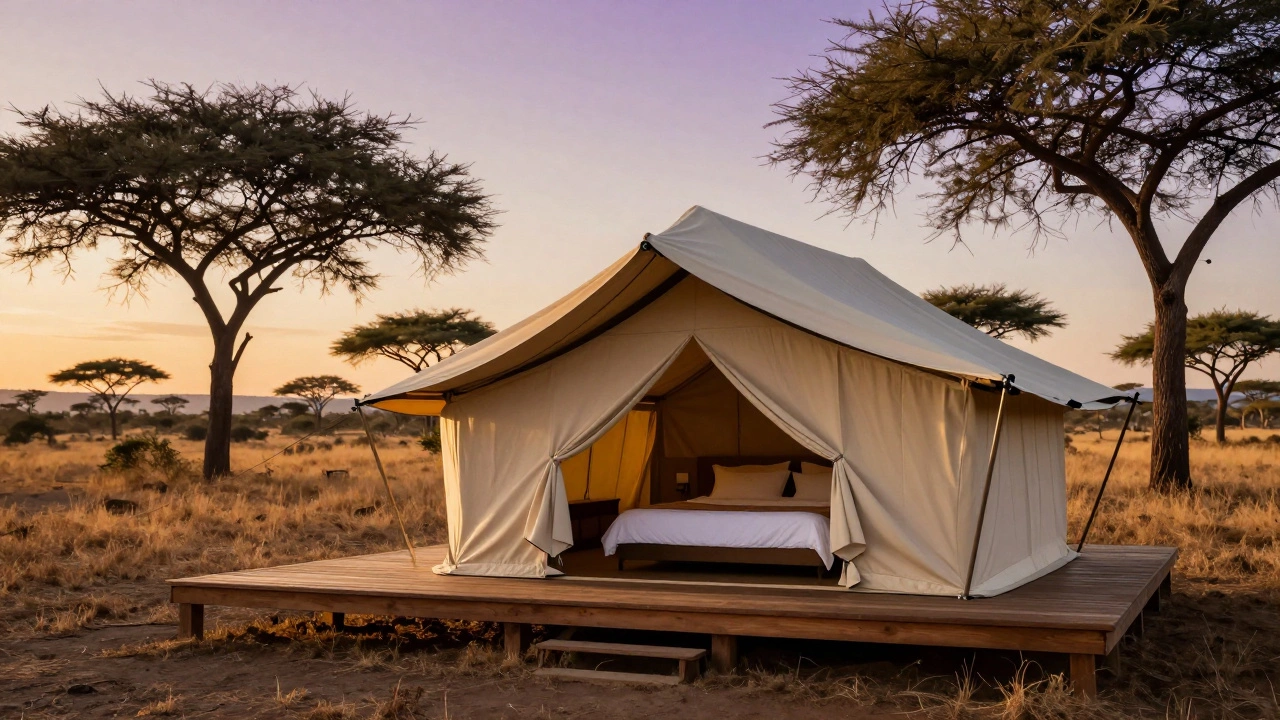
- Safari Tents: Large canvas tents raised on platforms, often found in wildlife reserves. They offer a close connection to nature while providing protection from ground moisture and insects.
- Yurts: Circular, felt-covered structures originating from Central Asia. Modern yurts are insulated, have wooden floors, and can accommodate families comfortably.
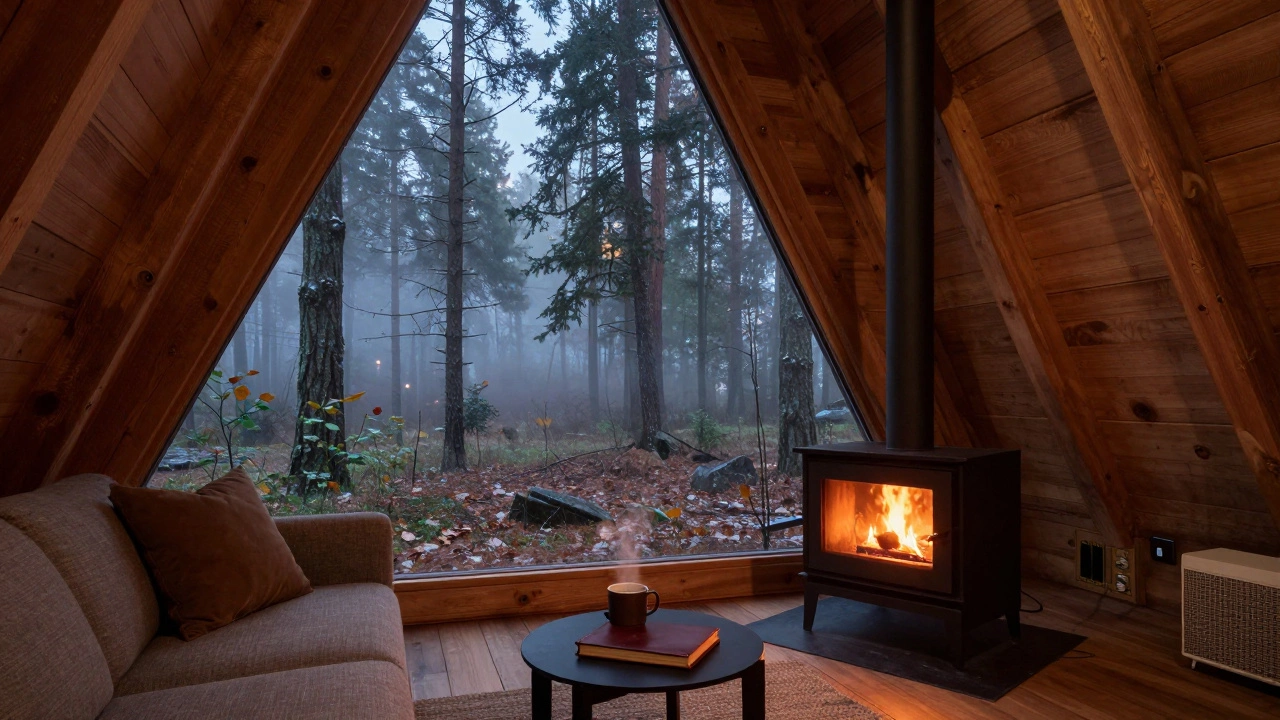
- A-Frame Cabins: Triangular-shaped cabins that are stylish and cozy. They often feature large windows for scenic views and loft spaces for extra sleeping areas.
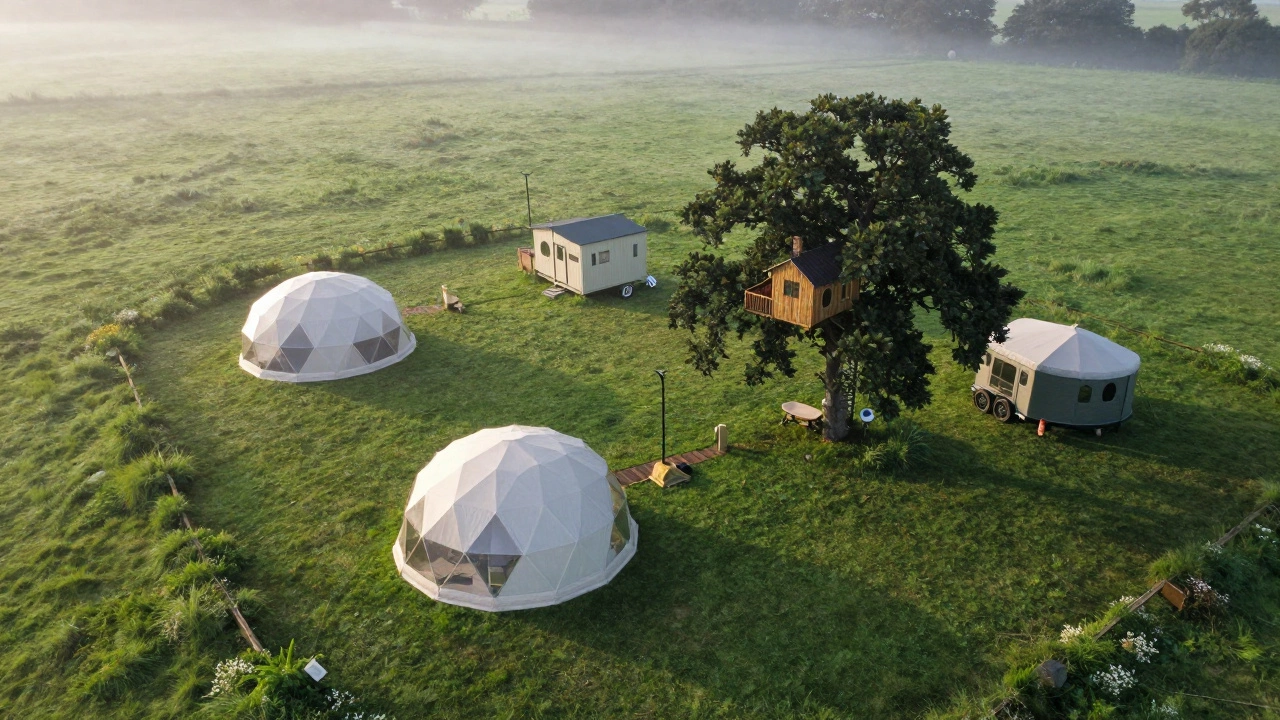
- Dome Houses: Geodesic domes that are structurally strong and visually striking. They maximize interior space and provide excellent ventilation.
- Treehouses: Elevated structures built among the branches of large trees. These offer a unique perspective and a sense of adventure, especially for kids.
- Shepherd Huts: Small, wheeled huts originally used by shepherds in the UK. Today, they are romantic, compact retreats with vintage charm.
Each type offers a different vibe. If you want romance, go for a shepherd hut or a treehouse. If you’re traveling with a group, a yurt or A-frame cabin might be more suitable. The choice depends on your personal preferences and the kind of experience you’re looking for.
Why Has Glamping Become So Popular?
Glamping isn’t just a passing fad; it’s a response to changing travel habits. People are increasingly seeking experiences over possessions. They want stories to tell, photos to share, and memories to cherish. Glamping provides a perfect middle ground between the ruggedness of wild camping and the predictability of hotels.
Another factor is the rise of social media. Platforms like Instagram have made visually stunning locations highly desirable. A beautifully lit yurt under the stars or a modern dome house nestled in a forest makes for incredible content. This visual appeal drives demand, encouraging more providers to invest in high-quality glamping sites.
Additionally, the post-pandemic travel boom has shifted focus towards domestic and local tourism. Many people discovered the joys of staying closer to home, exploring nearby national parks, and reconnecting with nature. Glamping offered a safe, controlled environment to do so, without the risks associated with remote wilderness camping.
Glamping vs. Traditional Camping: Key Differences
| Feature | Glamping | Traditional Camping |
|---|---|---|
| Accommodation | Pre-furnished (yurts, tents, cabins) | Self-setup (tents, hammocks) |
| Amenities | Electricity, running water, furniture | Minimal or none |
| Cooking | Kitchenettes or communal kitchens | Campfire or portable stove |
| Cost | Higher ($100-$500+ per night) | Lower ($20-$50 per night) |
| Effort Required | Low (pack light, enjoy) | High (gear setup, meal prep) |
This table highlights the main distinctions. While traditional camping appeals to those who enjoy self-reliance and minimalism, glamping caters to those who prioritize comfort and convenience. Neither is better than the other; they simply serve different needs and preferences.
How to Choose the Right Glamping Site
Finding the perfect glamping site can feel overwhelming given the sheer number of options. Here’s a step-by-step guide to help you narrow down your choices:
- Define Your Goals: Are you looking for relaxation, adventure, or a mix of both? Do you want to be near hiking trails, beaches, or wineries?
- Check Amenities: Some glamping sites offer full-service experiences with breakfast included, while others are more basic. Decide what level of service you need.
- Read Reviews: Look for recent reviews on platforms like TripAdvisor or Airbnb. Pay attention to comments about cleanliness, host responsiveness, and accuracy of descriptions.
- Consider Seasonality: Weather plays a big role in your experience. Ensure the site is suitable for the time of year you plan to visit. For example, some yurts may not be heated in winter.
- Book Early: Popular glamping spots fill up quickly, especially during peak seasons. Booking months in advance can secure your preferred dates and potentially lower rates.
In Perth, Australia, for instance, you might find glamping sites near Rottnest Island or in the Swan Valley wine region. These locations offer unique local flavors combined with luxury comfort. Always check if the site allows pets if you’re planning to bring your furry friend along.
Potential Drawbacks to Consider
While glamping has many benefits, it’s not without its downsides. One common complaint is the cost. Compared to traditional camping, glamping can be significantly more expensive. You’re paying for the convenience and the structure, which adds up.
Another issue is the potential lack of privacy. Some glamping sites place units close together to maximize land use. If you value solitude, make sure to check the layout of the site before booking. Additionally, because glamping relies on infrastructure, there’s always a risk of mechanical failures, such as power outages or plumbing issues. While rare, it’s good to have a backup plan.
Finally, some purists argue that glamping detracts from the true camping experience. If your goal is to challenge yourself and live off the grid, glamping might feel too easy. It’s important to align your expectations with the reality of what glamping offers.
Top Tips for Your First Glamping Trip
To make the most of your first glamping experience, keep these tips in mind:
- Pack Light: Since most essentials are provided, you don’t need to bring heavy gear. Focus on clothing, toiletries, and personal items.
- Bring Outdoor Gear: Even though you’re staying in luxury, you’ll still be outside. Pack sturdy shoes, binoculars, and a camera to explore the surroundings.
- Respect Nature: Follow leave-no-trace principles. Don’t disturb wildlife, stay on designated paths, and dispose of waste properly.
- Disconnect: Use the opportunity to unplug from technology. Enjoy the silence, stargaze, and read a book by candlelight.
- Communicate with Hosts: If you have special requests or dietary restrictions, let the hosts know in advance. They’re usually happy to accommodate.
These simple steps can enhance your trip and ensure a smooth experience. Remember, the goal is to relax and enjoy nature, not stress over logistics.
Is glamping suitable for families with young children?
Yes, glamping is often very family-friendly. Many sites offer spacious accommodations like yurts or cabins that can fit multiple beds. Plus, the added amenities mean less hassle for parents, making it easier to manage kids’ needs. Just check if the site has child-safe features and activities.
Can I bring my own food to a glamping site?
Most glamping sites allow you to bring your own food, especially if they have kitchen facilities. However, some high-end sites may require you to dine at their restaurant. Always check the policy beforehand to avoid surprises.
Are glamping sites eco-friendly?
Many glamping sites strive to be eco-friendly by using sustainable materials, solar power, and composting toilets. However, practices vary widely. Look for certifications or statements about sustainability when choosing a site to ensure it aligns with your values.
What should I wear on a glamping trip?
Dress in layers, as temperatures can drop significantly at night even in summer. Comfortable walking shoes are essential for exploring. Bring a light jacket or sweater, regardless of the season. Avoid overly formal clothes unless specified by the venue.
How far in advance should I book a glamping site?
For popular destinations, booking 3-6 months in advance is recommended, especially for weekends and holidays. During off-peak seasons, you might find availability with shorter notice. Flexibility with dates can help you secure better deals.