What is Glamping? A Real Look at Luxury Camping
 Sep, 17 2026
Glamping Compatibility Checker
Not sure if you should book a safari tent or stick to a hotel? Answer these questions to see how well your personality matches the glamping lifestyle.
Your Recommendation
You’ve probably heard the term "glamping" thrown around on Instagram or seen it in travel magazines. But what actually makes a luxury camping experience different from just renting a fancy tent? Is it the thread count of the sheets? The hot tub? Or is it something deeper about how you interact with nature without losing your mind?
Here’s the truth: luxury camping isn’t just about spending more money. It’s about removing friction. Traditional camping requires you to haul gear, struggle with guy lines, and sleep on thin foam pads. Glamping removes those barriers so you can focus on the stars, not the setup. If you’re curious whether this style of travel fits your vibe-or if you’re just confused by the hype-let’s break down exactly what defines a high-end outdoor stay.
The Core Definition: Comfort Meets Wilderness
At its simplest, luxury camping is an accommodation style that blends the proximity of traditional camping with the amenities of a hotel. Think of it as the bridge between sleeping under the stars and checking into a five-star resort. You get the location benefits of being outdoors-fresh air, natural sounds, scenic views-but you keep the comforts you rely on at home.
This isn't new. Historically, wealthy travelers in the early 20th century traveled with massive canvas tents, proper beds, and even silverware. They wanted to see Africa or Asia but didn’t want to rough it. Today, modern glamping recreates that balance. It’s for people who love nature but hate the logistics of setting up camp. If you value convenience as much as connection, this is your lane.
Key Features That Define Luxury Camping
So, how do you spot a true luxury site versus a regular campground with a marketing upgrade? Look for these specific attributes. These aren't optional extras; they are the baseline requirements for what we consider genuine glamping.
- Real Bedding: No sleeping bags on the ground. We’re talking memory foam mattresses, high-thread-count linens, and pillows that don’t flatten out after one night. If you wake up with a stiff neck, it’s not luxury camping.
- Private Bathrooms: This is the big one. Shared shower blocks are fine for backpackers. In luxury camping, you expect a private, flush toilet and a hot shower inside or immediately adjacent to your unit. Running water is non-negotiable.
- Climate Control: Whether it’s a wood-burning stove in winter or air conditioning in summer, your shelter should protect you from extreme weather. You shouldn’t be shivering in a sleeping bag or sweating through your clothes.
- Dining Options: Many sites offer meal kits, on-site restaurants, or fully equipped kitchens. You might not have to cook over a fire pit if you don’t want to. Some places even provide concierge services to book local tours or deliver groceries.
Types of Luxury Accommodations
Not all luxury camps look the same. The structure matters because it dictates the level of immersion and privacy you get. Here are the most common types you’ll encounter when browsing luxury campsites.
| Type | Best For | Typical Amenities | Privacy Level |
|---|---|---|---|
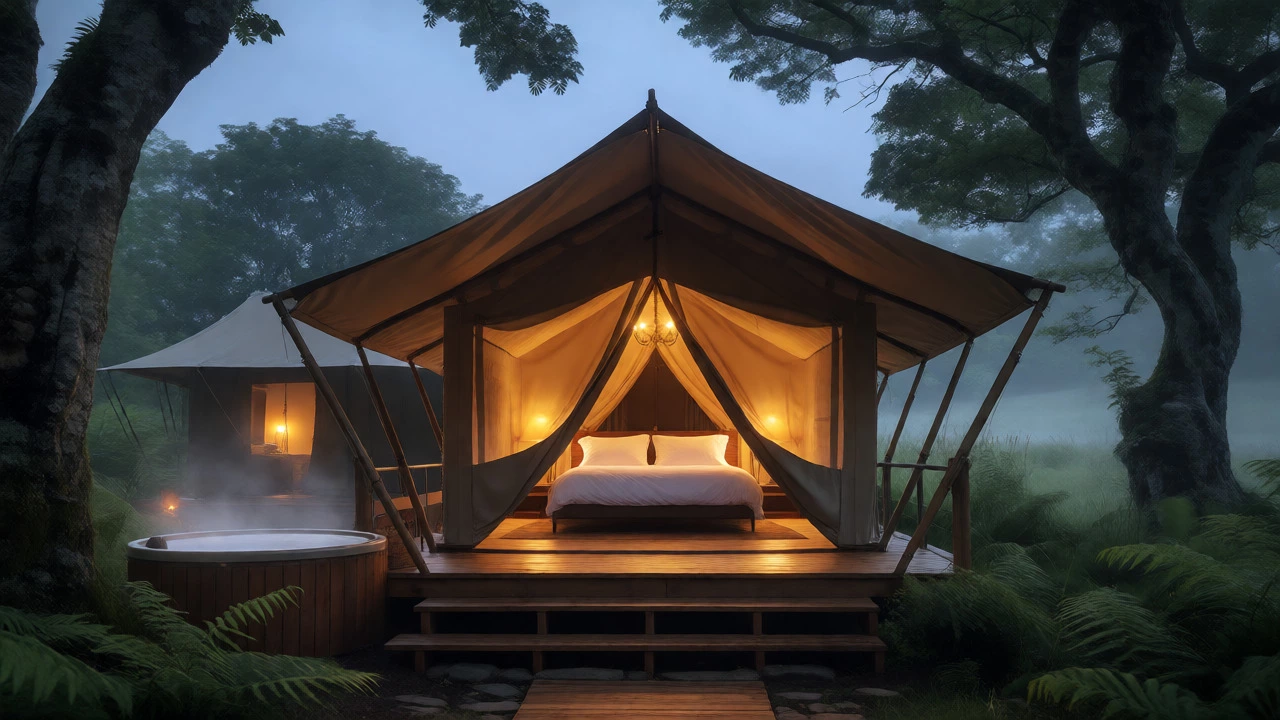
| Safari Tents | Couples seeking romance | Canvas walls, wooden floors, chandeliers, en-suite bath | Medium (canvas may transmit sound) |
| Yurts | Groups wanting open space | Round structure, skylight, central stove, insulated walls | Low to Medium |
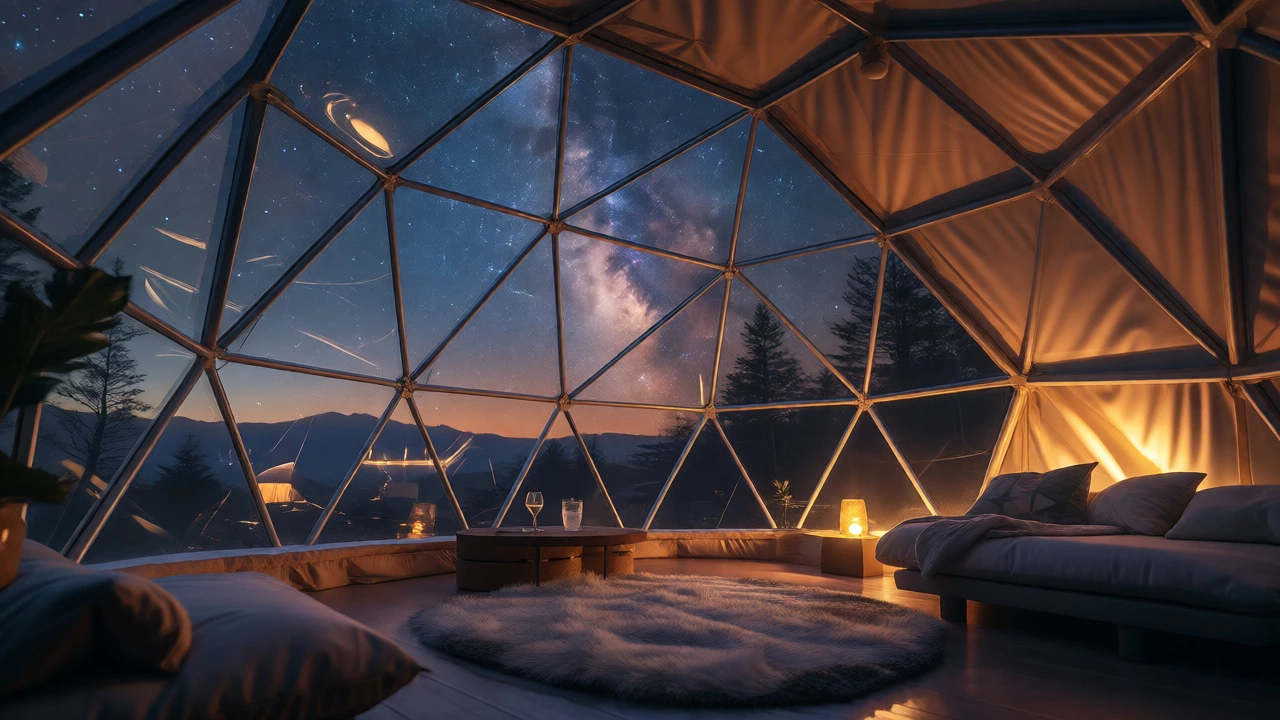
| Geodesic Domes | Stargazers | Transparent panels, circular layout, modern furniture | Medium (visual transparency) |
| Lodging Pods/Cabins | Families or cold climates | Insulated walls, electricity, Wi-Fi, full kitchenette | High |
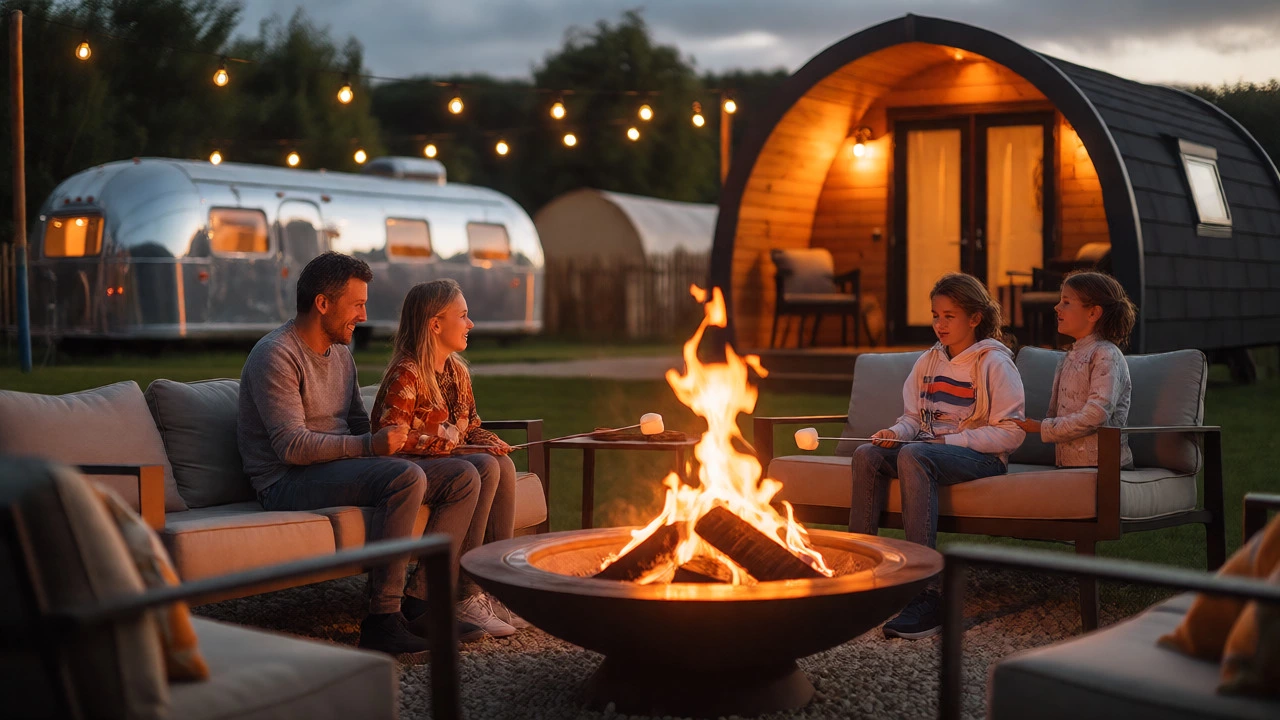
| Airstreams/Vintage Trailers | Retro aesthetics lovers | Compact living, chrome interiors, often no bathroom | High |
Safari tents are the classic image of glamping. They feel exotic and spacious. Yurts offer a unique architectural experience, often used in eco-resorts. Domes are visually stunning but can lack insulation in extreme temperatures. Pods and cabins are the safest bet for first-timers because they feel like small houses. Vintage trailers appeal to those who love design but require you to compromise on space and sometimes plumbing.
Why Choose Glamping Over Traditional Camping?
Let’s be honest: traditional camping is hard work. You spend half your arrival time unpacking and half your departure time packing. With luxury camping, you arrive, drop your bag, and you’re done. This saves hours of physical labor, which is huge if you’re traveling with kids or elderly parents.
Another major factor is accessibility. Not everyone can hike miles to a remote backcountry site. Glamping sites are usually accessible by car, making them viable for people with mobility issues or families with strollers. You still get the "outdoor" feeling, but you don’t need specialized gear or survival skills.
Finally, there’s the social aspect. Because the barrier to entry is lower, you’re likely to meet other travelers who share similar interests. Traditional campgrounds can feel isolating if you’re alone, but glamping sites often have communal lounges, fire pits, or bars where interaction happens naturally.
Cost Analysis: What Are You Paying For?
Glamping costs significantly more than pitching a tent. Why? You’re paying for infrastructure. Maintaining a heated yurt in winter or keeping a safari tent clean in a dusty desert requires staff and resources. You’re also paying for exclusivity. Many sites limit the number of units to ensure quiet and space.
Expect to pay between $150 and $600+ per night depending on the season and location. Compare this to a standard hotel room ($100-$300) plus gas and food. While the nightly rate is higher, you save on dining out if the site includes meals, and you save on gear rental fees. If you already own camping equipment, the cost difference narrows, but the time savings remain significant.
Pitfalls to Avoid When Booking
Not every site labeled "glamping" delivers the goods. Marketing terms are loose. Before you book, check these red flags:
- No Private Bathroom: If you have to walk to a shared facility in the dark, it’s not true luxury camping. Verify this explicitly.
- Thin Walls: Canvas transmits noise. If you’re light sleeper, ask about insulation or choose a cabin/pod instead of a tent.
- Limited Electricity: Some "eco-glamping" sites use solar power with limited capacity. Check if you can charge laptops or run hair dryers simultaneously.
- Remote Location Risks: Being deep in nature means spotty cell service. Download maps and entertainment before you arrive. Also, check for bug control measures-mosquito nets are essential, but screens on windows are better.
Is Luxury Camping Right for You?
If you crave adventure but dread discomfort, yes. It’s perfect for couples looking for a romantic getaway, families wanting to introduce kids to nature without tantrums, or solo travelers seeking peace without isolation. It’s less ideal if you want total solitude in the wild or if you enjoy the challenge of self-sufficiency.
Start small. Book a weekend at a nearby site. Test the bed, try the shower, and see if the silence feels restful or eerie. You might find that the combination of fresh air and soft sheets is exactly what you’ve been missing.
Do I need to bring my own bedding for luxury camping?
No, typically you do not. Most luxury camping sites provide all bedding, including sheets, blankets, and pillows. However, it’s always wise to check the specific listing description. Some rustic-luxury hybrids might require you to bring a sleeping bag liner, but full-service glamping sites handle everything for you.
Is glamping suitable for children?
Yes, it is often excellent for children. Kids love the novelty of sleeping in a dome or treehouse, and parents appreciate the safety of enclosed structures and private bathrooms. Many sites offer kid-friendly activities like scavenger hunts or marshmallow roasting kits, making it a win-win for family trips.
What is the difference between glamping and a cabin rental?
The main difference is the structure and immersion. Cabins are solid wood or stone buildings, offering maximum insulation and privacy. Glamping units (tents, yurts, domes) use fabric or semi-rigid materials, providing a closer visual and auditory connection to nature. Glamping feels more adventurous; cabins feel more like a vacation home.
Can I cook my own food at a luxury campsite?
It depends on the unit. Many luxury sites include a kitchenette with a mini-fridge, microwave, and coffee maker. Some offer outdoor grills or fire pits for cooking. Others provide meal delivery or on-site dining options. Always check if the unit has cooking facilities if you plan to prepare your own meals.
Are luxury campsites pet-friendly?
Many are, but policies vary widely. Some high-end sites restrict pets to maintain cleanliness or accommodate guests with allergies. Others embrace pets with dog beds and treats. Always confirm the pet policy before booking, as some sites charge extra fees or limit the size/number of animals allowed.