What is Camping Luxury Called? Glamping Explained
 Oct, 25 2026
Glamping Cost & Comfort Estimator
Not sure what to expect for price or comfort? Adjust the sliders below to see how different factors influence your potential glamping experience.
Select options and click Calculate to see your estimated nightly rate and comfort score.
$0
Estimated Nightly Rate
- Accommodation: -
- Key Features: -
- Best For: -
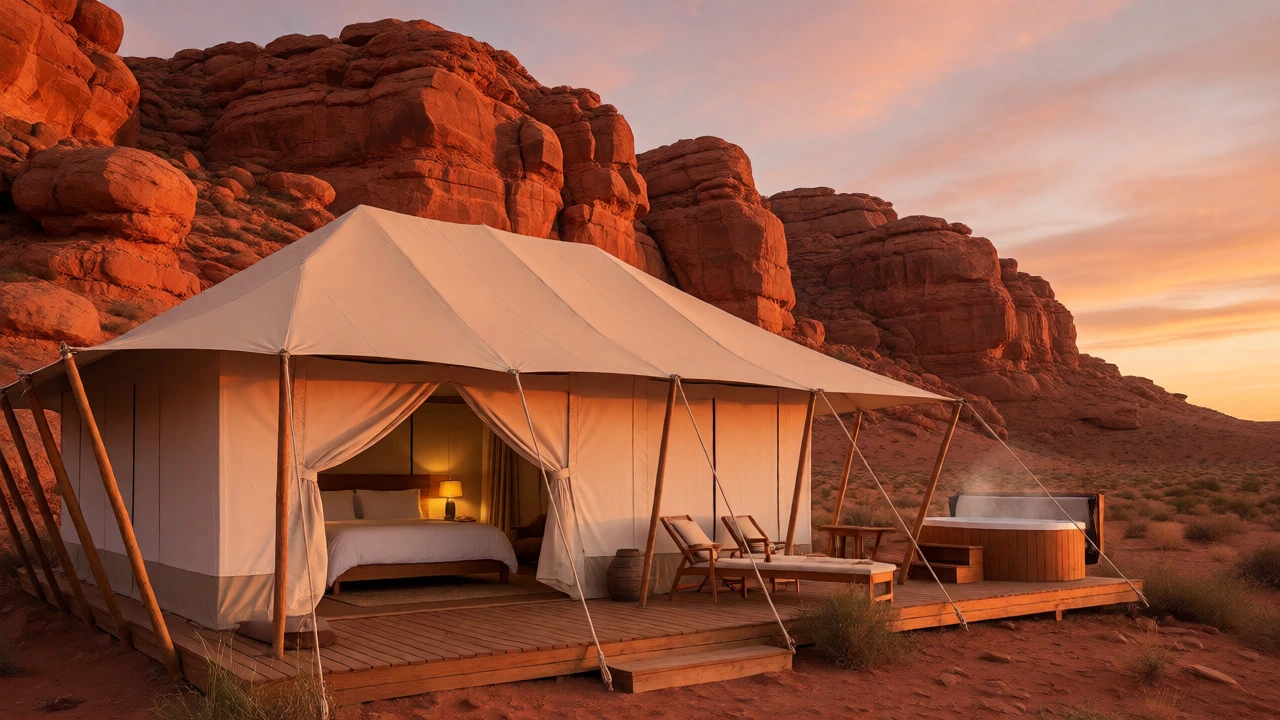
You’ve probably seen the photos on Instagram: a massive canvas tent with a king-sized bed, maybe even a hot tub, set against a backdrop of red desert rocks or lush green forests. It looks like a hotel room that got lost in the wilderness. So, what is camping luxury called? The short answer is glamping. But if you dig a little deeper, you’ll find it’s not just a buzzword for expensive tents. It’s a specific style of travel that blends the raw appeal of nature with the comforts we’re used to at home.
Glamping is a portmanteau of "glamorous" and "camping," referring to an outdoor accommodation style that provides high-end amenities and comfort while retaining the connection to nature. Unlike traditional camping, where you might be sleeping on a thin foam mat and cooking over a messy fire, glamping offers real beds, electricity, running water, and often concierge services. It removes the friction from outdoor experiences without removing the setting.
The Origins of Glamping
While the term "glamping" only hit the Oxford English Dictionary in 2016, the concept isn’t new. In fact, it’s older than you think. Think about the safari tents used by colonial officers in Africa in the early 20th century. They didn’t want to rough it; they wanted to hunt lions in comfort. Or look back further to the Mongolian ger (yurt), which has provided portable, insulated shelter for nomadic herders for centuries. These structures were designed for mobility but offered far more comfort than sleeping under the stars.
Modern glamping evolved from these roots. In the 1990s and 2000s, boutique hotels started offering unique, nature-focused stays that weren’t quite resorts but weren’t campsites either. Today, it’s a global industry worth billions. Companies like Under Canvas and AutoCamp have standardized the experience, proving that people will pay a premium to sleep outside if they don’t have to sacrifice their back support or hygiene standards.
How Glamping Differs from Traditional Camping
If you’re wondering whether glamping is just a fancy word for "overpriced camping," consider the operational differences. Traditional camping is DIY. You bring your gear, you pitch your tent, you manage your waste, and you cook your own food. If it rains, you deal with wet socks. Glamping flips this script. The infrastructure is pre-built. You arrive, check in, and unpack your suitcase-not your backpack.
Here is how the two compare in practical terms:
| Feature | Traditional Camping | Glamping |
|---|---|---|
| Accommodation | Tent, RV, or hammock brought by user | Pre-furnished yurt, cabin, treehouse, or safari tent |
| Beds | Sleeping bag on ground pad | Queen/King mattress with linens and pillows |
| Kitchen | Camp stove, cooler, no sink | Kitchenette, fridge, coffee maker, sometimes full chef service |
| Bathroom | Shared pit toilet or public showers | Private en-suite with flush toilet and hot shower |
| Power | Batteries or solar chargers | Grid electricity, Wi-Fi, heating/AC |
| Cost | $15-$50 per night (site fee) | $150-$800+ per night (all-inclusive) |
Common Types of Luxury Camping Accommodations
When people ask "what is camping luxury called," they are usually picturing a specific type of structure. While "glamping" is the umbrella term, the actual accommodations vary wildly. Knowing the types helps you book the right experience for your needs.
- Yurts: Circular tents with wooden lattice walls. Originating from Central Asia, modern yurts are insulated and often feature wood-burning stoves. They are sturdy and handle wind better than canvas tents.
- Safari Tents: Large, rectangular canvas structures on raised platforms. These are common in African safaris and now popular in US National Parks. They often include private decks and outdoor showers.
- Treehouses: Elevated cabins built into or around trees. These offer privacy and a unique vantage point. High-end versions include glass floors or wrap-around balconies.
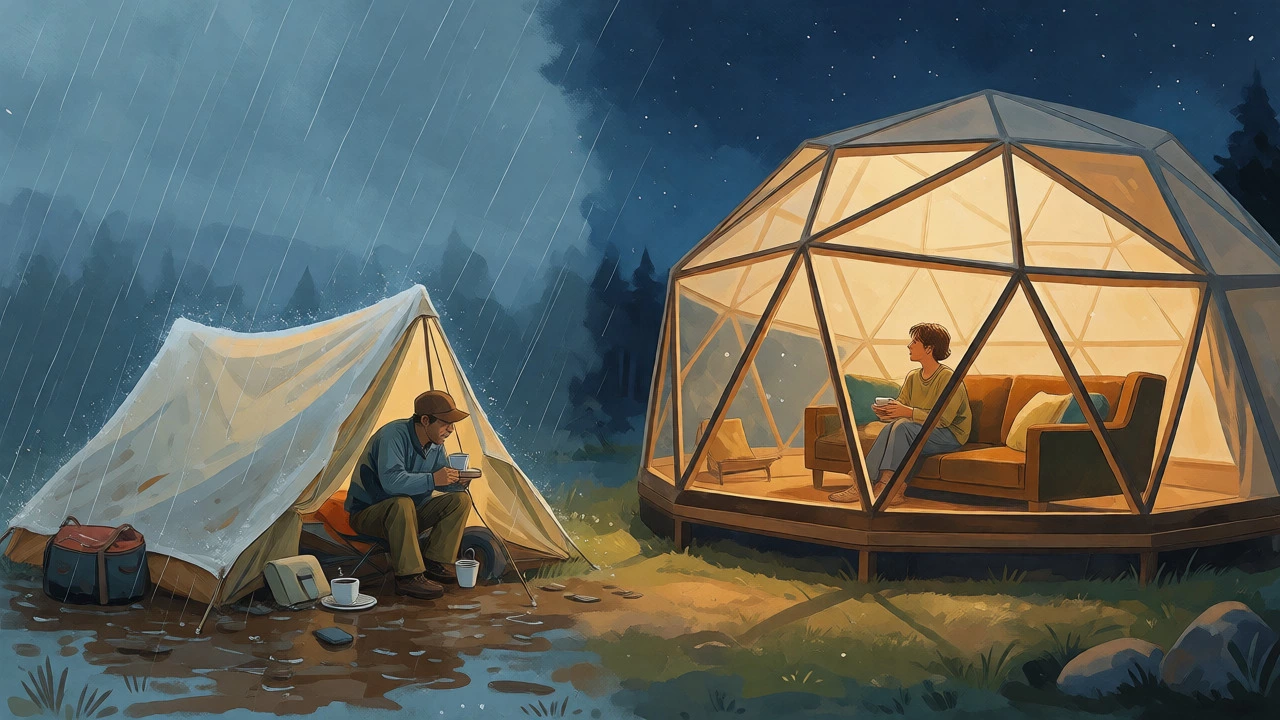
- Dome Houses: Geodesic domes made of polycarbonate panels. They provide 360-degree views of the sky, making them perfect for stargazing. Some are transparent; others are opaque with large windows.
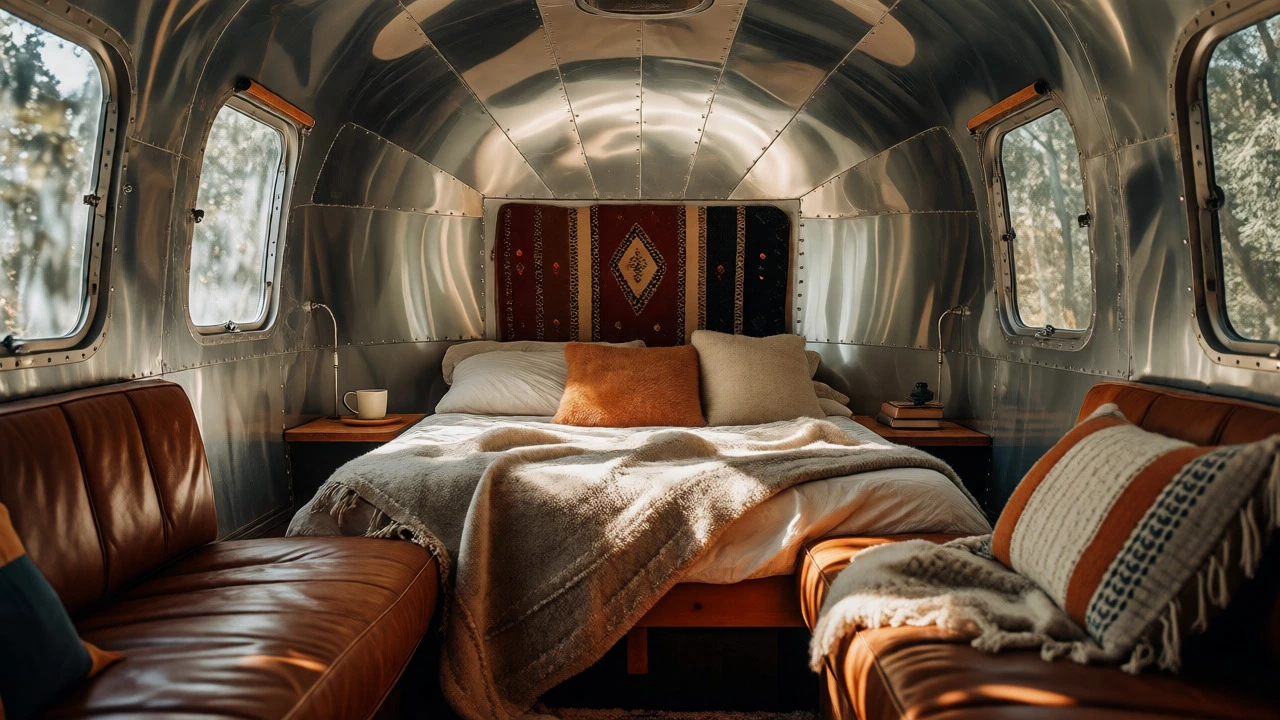
- Airstreams and Retro Trailers: Vintage metal trailers renovated with modern interiors. They appeal to those who want a mobile aesthetic with fixed-site convenience.
- Lodges and Cabins: Small, rustic buildings that blur the line between a hotel cottage and a campsite. They often lack full resort amenities but feel more permanent than a tent.
Why People Choose Glamping Over Hotels
You might ask, why not just stay at a hotel near the park? For many travelers, the answer is immersion. A hotel window frames nature; a glamping site surrounds you with it. You hear the wind in the trees, smell the pine needles, and see the wildlife up close. Yet, you do it without the exhaustion of setup and teardown.
This balance appeals to families with young children, couples seeking romance, and digital nomads who need reliable Wi-Fi but crave a change of scenery. It lowers the barrier to entry for people who love the idea of camping but hate the discomfort. According to recent travel surveys, nearly 40% of millennial travelers prefer unique accommodations over standard hotel rooms. Glamping fits this demand perfectly.
Is Glamping Sustainable?
There’s a debate here. Critics argue that building heated, air-conditioned structures in remote areas increases carbon footprints compared to a simple tent. However, proponents point out that glamping sites often operate on smaller footprints than large resorts. Many use solar power, composting toilets, and rainwater harvesting.
Look for certifications when booking. Sites labeled as "eco-glamping" typically adhere to strict environmental standards. For example, some properties in Australia and New Zealand use off-grid systems that minimize impact on local ecosystems. If sustainability matters to you, ask the host about their waste management and energy sources before you book.
How to Spot Genuine Luxury Camping
Not every "glamping" site lives up to the name. Some are just basic tents with a nicer mattress. To ensure you get the true luxury experience, check for these key indicators:
- Bed Quality: Is there a real mattress with sheets, or just a cot? Real linen makes a huge difference.
- Privacy: Are the units spaced far apart? True luxury includes silence and seclusion.
- Amenities: Does it have hot water? Electricity? Wi-Fi? If you have to hike to a communal block, it’s likely semi-glamping, not full luxury.
- Service: Is there staff on hand? Breakfast included? Concierge help for activities?
- Design: Does the interior feel curated? Look for thoughtful decor, lighting, and storage space.
Next Steps for Your First Glamping Trip
If you’re ready to try it, start small. Don’t book the most expensive dome immediately. Find a reputable provider with good reviews specifically mentioning cleanliness and comfort. Check the cancellation policy-weather can affect open-air structures. Pack light; you won’t need pots, pans, or sleeping bags. Bring clothes suitable for layering, as nights in nature can get chilly even in summer.
Remember, the goal is relaxation. If you spend your time worrying about bugs or leaks, you haven’t chosen the right site. Read recent reviews from the last three months to gauge current conditions. Then, pack your bag, leave the heavy gear at home, and enjoy the best of both worlds.
Is glamping the same as camping?
No. While both involve staying outdoors, glamping provides pre-set-up accommodations with luxury amenities like real beds, private bathrooms, and electricity. Traditional camping requires you to bring and set up your own gear, often involving sleeping on the ground and using shared facilities.
What does the word glamping mean?
Glamping is a blend of the words "glamorous" and "camping." It refers to camping-style holidays where the accommodation is luxurious and comfortable, often including features like king-size beds, hot tubs, and gourmet meals.
Do glamping sites have Wi-Fi?
Many do, especially those marketed as "workation" friendly or located closer to urban centers. However, remote eco-glamping sites may limit connectivity to encourage disconnection. Always check the specific listing for Wi-Fi availability and speed if you plan to work remotely.
Is glamping cheaper than a hotel?
It depends. Basic glamping can sometimes be comparable to mid-range hotels. However, high-end luxury glamping experiences, such as safari lodges or designer domes, often cost significantly more than standard hotel rooms due to the unique location and personalized service.
Can I go glamping in winter?
Yes, many glamping sites operate year-round. They use insulation, wood-burning stoves, or electric heating to keep units warm. Snow-covered landscapes offer a magical atmosphere, but always verify that the specific unit is winterized and accessible during cold weather.