What is a Class B Motorhome? A Simple Guide for First-Time Renters
 Feb, 8 2026
Class B Motorhome Rental Cost Calculator
Trip Details
Cost Estimate
Based on average Class B rental rates ($171/day)
Class B vs. Other RV Types
| Feature | Class B | Class C | Class A |
|---|---|---|---|
| Weekly Cost | $1,000-$1,800 | $1,800-$3,000 | $3,000-$6,000+ |
| Fuel Efficiency | 18-22 MPG | 10-14 MPG | 6-10 MPG |
| Driving Ease | Easy (like a van) | Moderate | Hard |
| Full Bathroom | Rare | Usually | Yes |
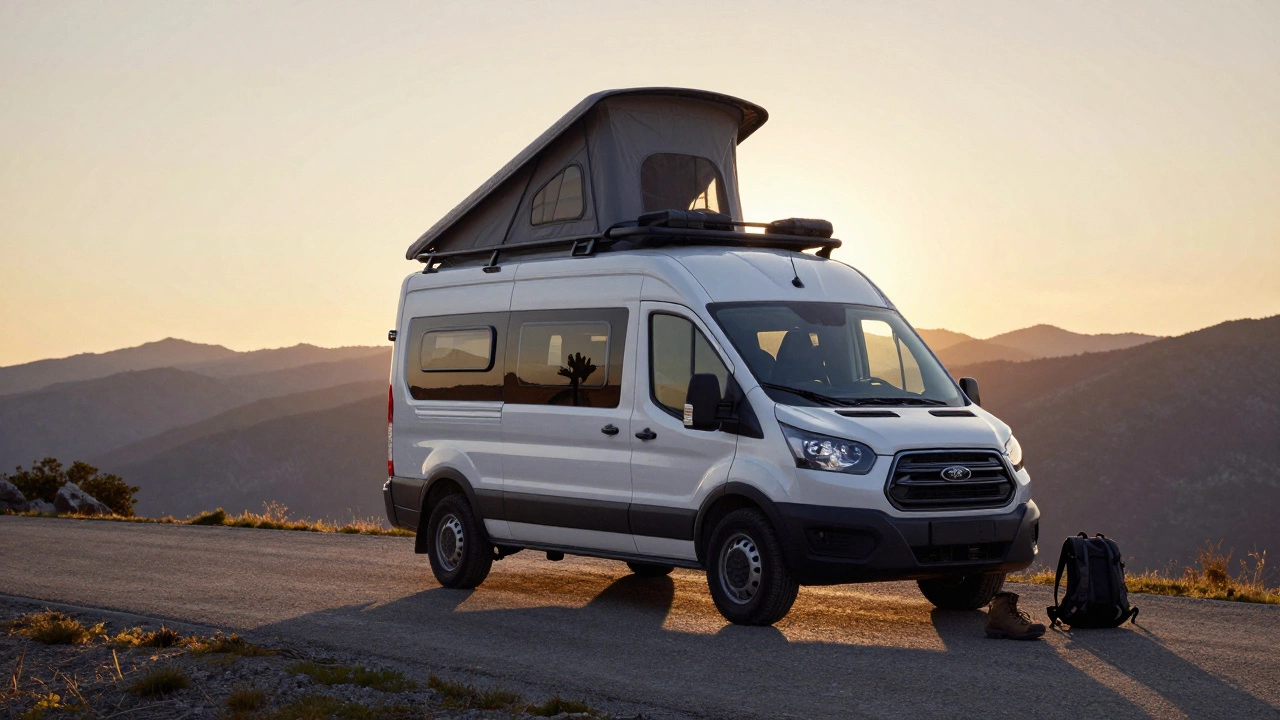
When you hear the word motorhome, you might picture a giant, bus-like vehicle with slide-outs and a full-size kitchen. But not all motorhomes are huge. In fact, one of the most popular types for beginners and road-trippers is the Class B motorhome - also known as a a compact, van-based recreational vehicle built on a standard van chassis, often with a raised roof and integrated living space. It’s the sweet spot between a regular van and a full-size RV.
What Exactly Is a Class B Motorhome?
A Class B motorhome starts life as a regular van - usually something like a Ford Transit, Mercedes Sprinter, or Ram ProMaster. Then, a builder transforms it into a tiny home on wheels. You get a bed, a small kitchen, a sink, sometimes a toilet, and storage - all packed into a vehicle that still looks like a van from the outside.
Unlike Class A or Class C motorhomes, Class B models don’t have a separate cab section or a big overhang. They’re built on the original van frame, so they handle like a regular vehicle. That’s why they’re so popular with people who want to drive through narrow streets, park in regular spots, or even take them on gravel roads.
They’re often called camper vans or van conversions, and those terms are used interchangeably in the rental world. But technically, a Class B is a factory-built or professionally converted unit with permanent fixtures - not a DIY setup.
What’s Inside a Class B Motorhome?
Don’t let the size fool you. These little rigs pack in a surprising amount of functionality. Here’s what you’ll typically find:
- A raised roof (often called a pop-top or high-top) that gives you standing room
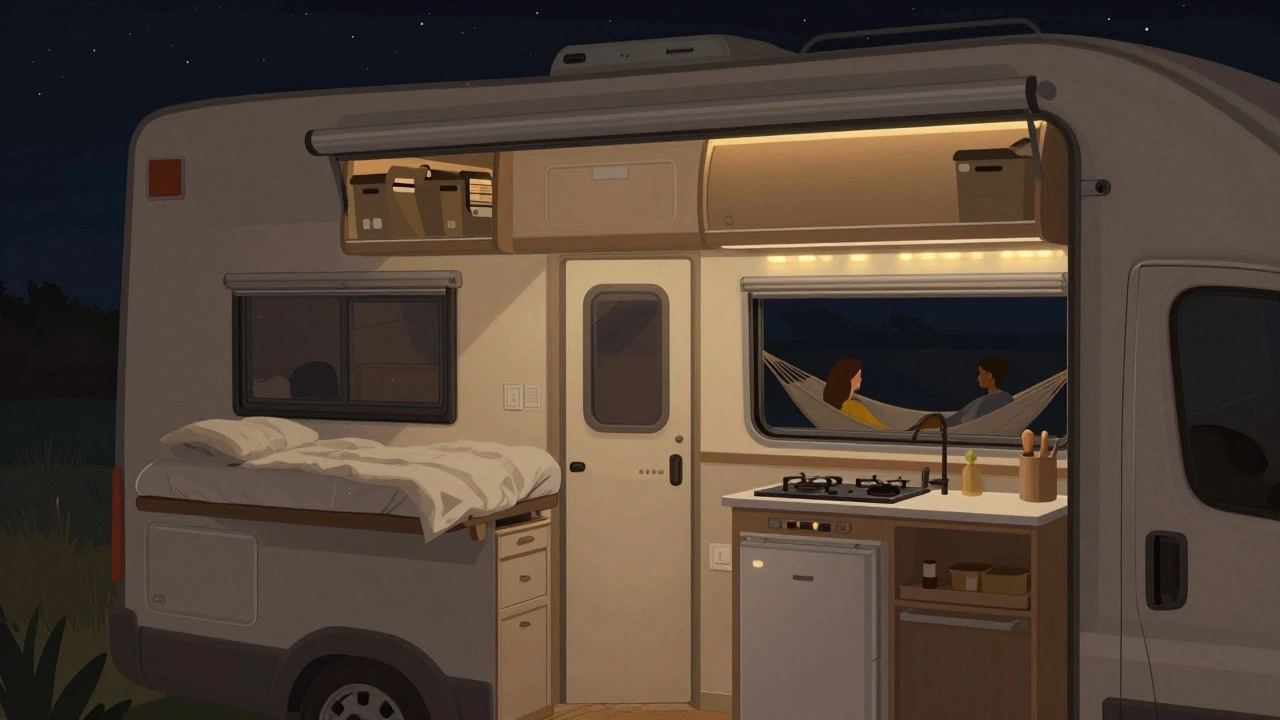
- A fold-out or fixed bed, usually over the cab or along the side
- A small kitchenette with a two-burner stove, sink, and fridge (sometimes powered by propane or battery)
- Storage cabinets, under-bed drawers, and overhead bins
- A portable toilet or cassette toilet (not always included)
- A 12V electrical system with solar panels or a battery bank
- Insulation and climate control for all seasons
Some higher-end models even have a shower, but those are rare. Most people use public campsite showers or rinse off outdoors. The key is simplicity - you’re not trying to replicate your home. You’re trying to make it easier to sleep, eat, and recharge on the road.
Why Choose a Class B Over Other Motorhomes?
Here’s the real question: why pick this over a bigger RV?
It’s easier to drive. If you’ve never driven a 30-foot RV, a Class B feels just like a van. No blind spots, no wide turns, no stress on highways. You can even park it in regular street parking in cities.
It’s cheaper to rent. A Class B motorhome typically costs 30-50% less than a Class C or A. For a week-long trip, you might pay $1,200 instead of $2,500. That’s a big difference if you’re on a budget.
It’s more fuel-efficient. While a Class A might get 8-10 mpg, a Class B can hit 18-22 mpg. That means fewer stops at the pump and lower fuel bills.
It’s easier to store. If you own one, you can park it in your garage. If you rent one, you can pick it up and drop it off at regular dealerships - no special RV lot needed.
And here’s something people forget: Class B motorhomes are great for solo travelers or couples. If you’re a family of four, you might feel cramped. But if you’re two people, you’ll have more space than you think.
Who Is a Class B Motorhome Best For?
Not everyone should rent one. Here’s who it works best for:
- First-time renters - if you’re nervous about driving a big rig, start here.
- Adventure couples - hiking, biking, beach trips - you can go anywhere.
- Travelers on a budget - lower rental, lower fuel, lower campground fees.
- People who love flexibility - no need to book RV parks. You can park at rest stops, national forests, or even Walmart parking lots (in many places).
It’s not ideal for:
- Families with three or more kids - sleeping space is tight.
- People who need a full bathroom and shower every day - most Class B units don’t have one.
- Long-term living - you’re not going to live in one for months without getting tired of limited storage and water.
Class B vs. Class C vs. Class A: Quick Comparison
| Feature | Class B | Class C | Class A |
|---|---|---|---|
| Base Vehicle | Van (Ford Transit, Sprinter) | Truck chassis with cab | Bus chassis, built from the ground up |
| Length | 17-23 feet | 21-30 feet | 25-45 feet |
| Driving Ease | Easy - like a van | Moderate - bigger than a truck | Hard - needs practice |
| Fuel Efficiency | 18-22 mpg | 10-14 mpg | 6-10 mpg |
| Bed Size | Queen or twin (often over cab) | Queen or king | King or two queens |
| Full Bathroom | Rare | Usually | Yes |
| Rental Cost (weekly) | $1,000-$1,800 | $1,800-$3,000 | $3,000-$6,000+ |
If you’re renting for the first time and want to keep things simple, Class B is the smartest choice. You get freedom without the hassle.
Where Can You Stay in a Class B Motorhome?
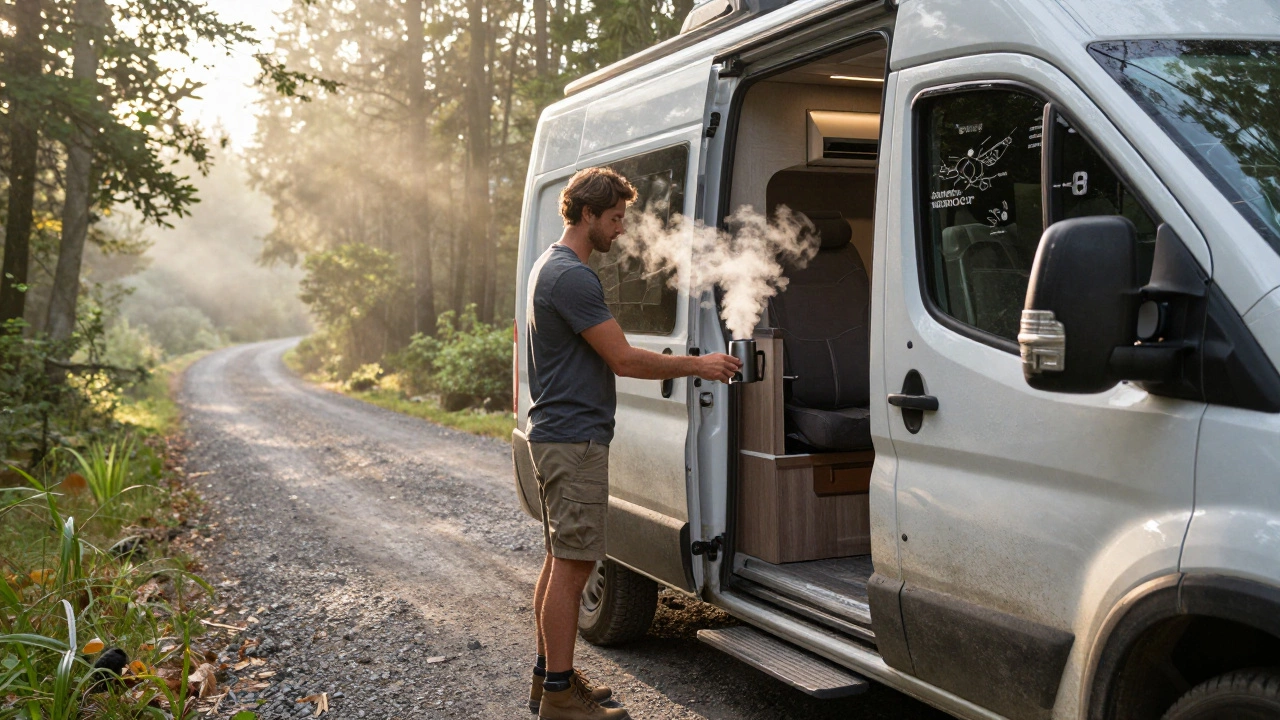
One of the biggest perks? You’re not stuck booking RV parks. Because Class B motorhomes are small, you can legally park and sleep in more places:
- Designated RV parks (with hookups)
- National parks and forest service areas (check rules - some allow overnight parking)
- Walmart parking lots (many allow overnight stays - call ahead)
- Rest areas (legal in most U.S. states and parts of Australia)
- Beaches with public access (if permitted)
- Private land through apps like Hipcamp or Campendium
In Australia, you can camp on many public lands - just avoid protected areas or private property. Always check local regulations. Some places require a permit. Others have time limits - 24 or 48 hours max.
What to Watch Out For
Class B motorhomes are great, but they have quirks:
- No shower? Bring a portable shower bag or plan to use campsite facilities.
- Water tank size - most hold 10-20 gallons. You’ll need to refill every 2-3 days.
- Power limits - if you use a microwave or air conditioner, you’ll drain the battery fast. Solar panels help, but don’t expect to run a toaster all day.
- Storage space - pack light. You won’t fit a suitcase full of clothes. Think capsule wardrobe.
- Heating in winter - many have propane heaters, but they’re not as powerful as central heating. Dress warm.
Most rental companies give you a quick walkthrough. Pay attention to how the toilet works, where the water fills, and how to turn off the propane. One mistake can leave you stranded.
Final Thoughts: Is a Class B Motorhome Right for You?
If you’re looking for adventure without the bulk, a Class B motorhome is one of the best options out there. It’s not luxury, but it’s freedom. You can wake up on a beach, drive to a mountain trail, and sleep under the stars - all without booking a hotel or pitching a tent.
It’s perfect for couples, solo travelers, and anyone who wants to explore without being tied down. You don’t need to be an RV expert. You just need curiosity - and a willingness to keep things simple.
Next time you’re planning a road trip, skip the big RV. Try a Class B. You might just fall in love with the idea of small-space living on the open road.
Is a Class B motorhome the same as a camper van?
Almost always, yes. The terms are used interchangeably in rental markets. A Class B motorhome is a professionally built camper van with permanent fixtures like a kitchen, bed, and storage. DIY van conversions are sometimes called camper vans too, but they’re not classified as Class B unless they meet specific build standards.
Can you live full-time in a Class B motorhome?
It’s possible, but not easy. Most Class B units have limited water, power, and storage. You’d need to find places to refill water, dump waste, and recharge batteries daily. Many full-timers use Class B as a starter vehicle before upgrading. It’s great for months of travel, but not ideal for years without serious planning.
Do Class B motorhomes have bathrooms?
Some do, but most don’t. Higher-end models may include a wet bath - a tiny shower and toilet combo. But the majority rely on portable toilets or public facilities. Don’t assume there’s a bathroom unless the rental listing specifically says so.
How much does it cost to rent a Class B motorhome?
In Australia and the U.S., weekly rentals typically range from $1,000 to $1,800. Prices vary by season, location, and model. Luxury versions with solar panels, awnings, or upgraded interiors can cost more. Always check if insurance, cleaning fees, and mileage limits are included.
Can I drive a Class B motorhome with a regular driver’s license?
Yes. In most countries, including Australia and the U.S., a standard Class C driver’s license is all you need. Class B motorhomes weigh under 4,500 kg (10,000 lbs), so no special license or endorsement is required. Just make sure you’re comfortable driving a taller, wider vehicle.