What Does the R Mean at a Campsite? Decoding RV, Reserved, and Regional Signs
 Jun, 28 2026
Campsite Signage Decoder
Enter the Symbol
=
Regional Variations
You pull into the campground after a long drive. The map in your hand is faded, the light is fading, and suddenly you see a sign with a big, bold R next to a specific spot. Is it for recreation? Is it restricted? Or does it mean you’ve accidentally driven onto private property? It’s a moment of panic that every camper has faced at least once.
The short answer is: it depends entirely on where you are and what system the park uses. In North America, an "R" almost always stands for RV (Recreational Vehicle)-meaning the site is sized or equipped for motorhomes. In Europe and parts of Australia, however, that same letter might indicate a Reserved (pre-booked spot) area, or even a regional classification for forest land use.
Misinterpreting these symbols can lead to awkward confrontations with rangers, extra fees, or being asked to move your tent in the middle of the night. Let’s break down exactly what those letters mean so you can park with confidence, not confusion.
The North American Standard: R for RV
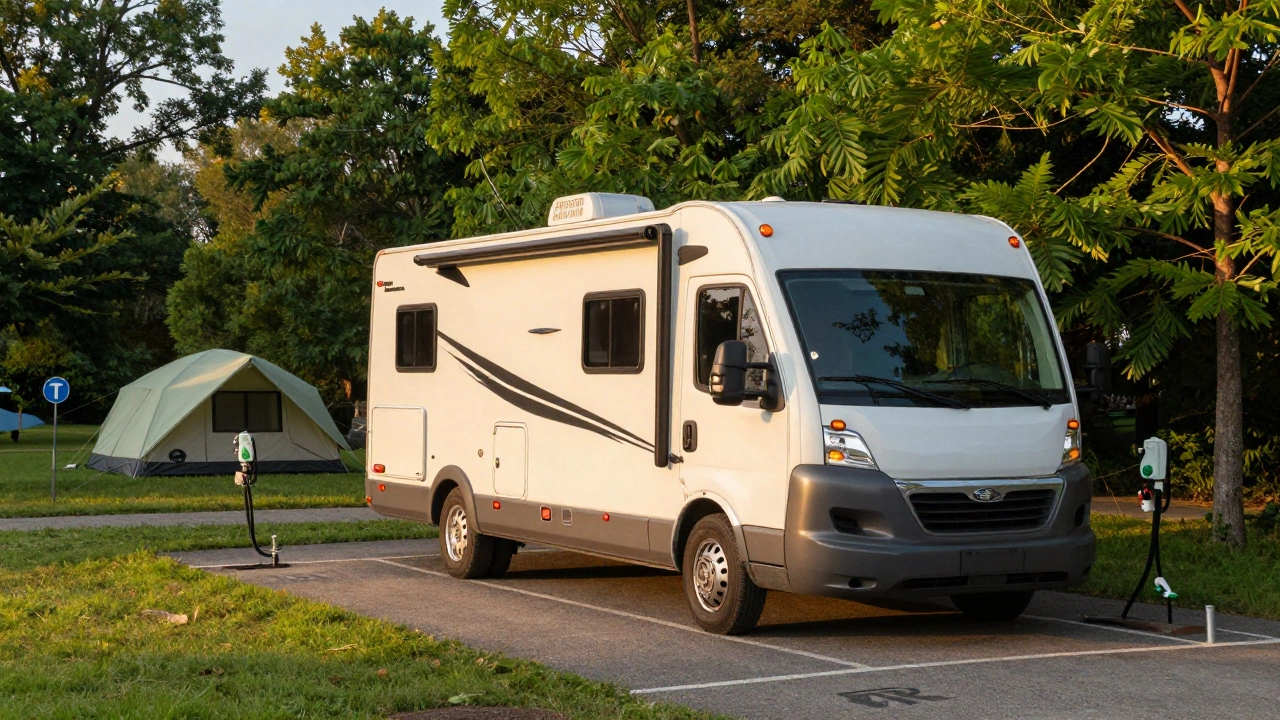
If you are camping in the United States or Canada, particularly in state parks, national forests, or private commercial campgrounds, the "R" is shorthand for RV Camping (sites designed for recreational vehicles). This is the most common usage by far.
Campgrounds categorize sites to manage space and utilities efficiently. You will often see a sequence like T, C, R, and F. Here is how they typically break down:
- T (Tent): These spots are usually smaller, located further from electrical hookups, and sometimes have terrain unsuitable for large vehicles (grass, gravel, or uneven ground).
- C (Car/Campervan): Slightly larger than tent sites but without full RV hookups. Good for small trailers or vans.
- R (RV): These sites have paved pads, level ground, and access to water and electricity (often 30-amp or 50-amp service). They are spaced wider apart to accommodate large rigs and slide-outs.
- F (Family): Larger sites meant for groups, often allowing multiple tents and a vehicle.
If you show up to an "R" site with just a backpack and a tarp, you’re technically allowed to do so in many places, but you’ll be paying for amenities you don’t need. Conversely, if you try to squeeze a 40-foot fifth-wheel into a "T" site, you won’t fit. The "R" ensures that people who need power and space get it, while keeping costs lower for minimalist campers.
The European & International Context: Reserved or Restricted
Travel across the Atlantic, and the alphabet changes its tune. In many European countries, including France, Germany, and Italy, signage is less about vehicle type and more about booking status and legal permission.
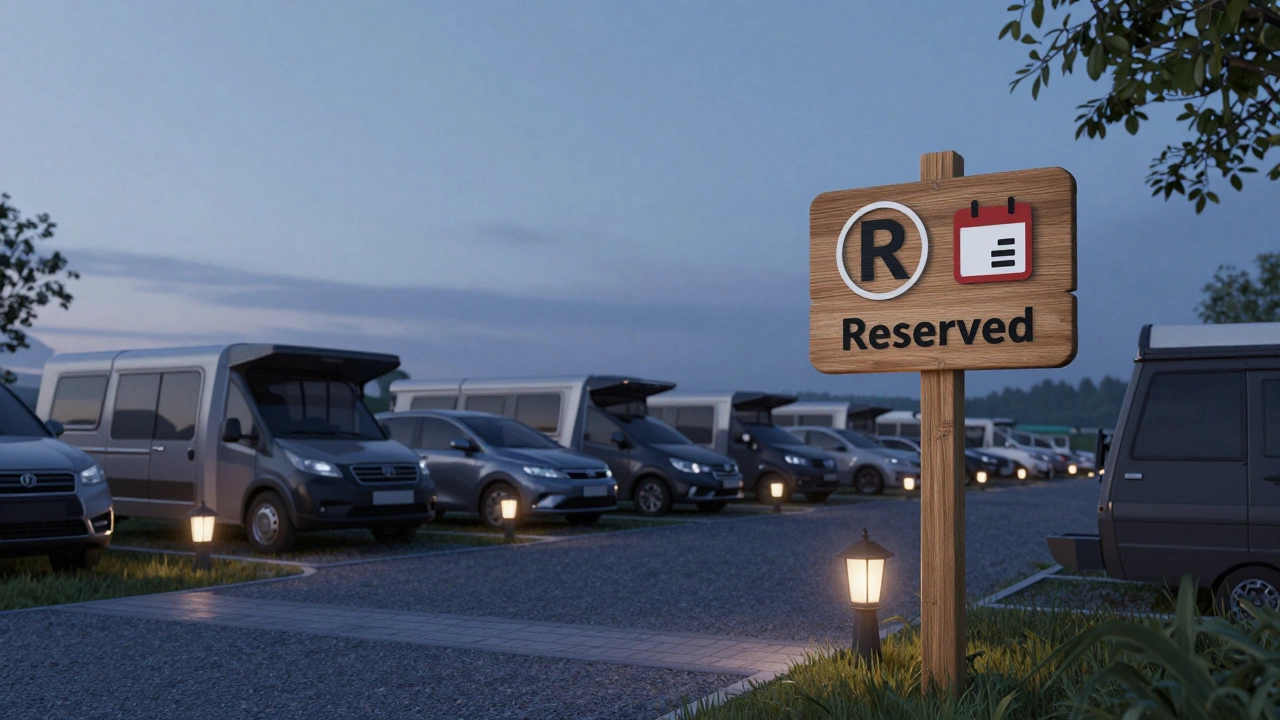
In this context, an "R" often stands for Reserved (pre-paid or booked areas). Unlike the "first-come, first-served" culture of many US national forests, European campsites frequently operate on a strict reservation model. An "R" zone means those spots are assigned to specific guests via booking reference numbers. If you don’t have a reservation, you cannot park there, even if it looks empty.
Additionally, in some regions, "R" may appear on forestry maps to denote Restricted Access (areas with limited entry due to conservation or safety). This is common in protected forest reserves where wild camping is banned. Seeing an "R" near a trailhead might mean "No Entry" rather than "Park Here." Always look for accompanying icons-a crossed-out tent or a ranger symbol-to confirm.
Australia and New Zealand: Regional Codes
Down under, the signage can be even more cryptic. In Australia, particularly in national parks managed by state departments like NPWS (National Parks and Wildlife Service), codes vary by region. While "RV" is understood, you might encounter "R" as part of a broader zoning code.
For example, in some Queensland or NSW parks, "R" could refer to a Regional (state-managed vs. federal land) designation, indicating different fee structures or fire regulations. More importantly, check for Fire Danger Ratings (local bushfire risk levels). During summer, an "R" might not mark a spot at all, but rather a restriction notice posted at the gate: "Road Closed - Red Flag Warning."
Always verify local council rules. In Perth, for instance, Swan Valley caravan parks use clear "RV" labels, but nearby bushland campsites might use "R" to indicate "Remote"-meaning no cell service, no water refill, and carry-in/carry-out waste policies.
Other Common Campsite Abbreviations to Know
Once you’ve cracked the "R," you’ll likely see other letters that confuse newcomers. Knowing these saves time and frustration.
| Symbol | Meaning | Typical Region |
|---|---|---|
| T | Tent Only / Tent Friendly | Global |
| C | Car / Caravan / Camper | US, UK, EU |
| E | Electricity / Electrical Hookup | Global |
| W | Water / Water Spigot | Global |
| H | Handicap Accessible / ADA Compliant | US, Canada |
| P | Pet Friendly / Pets Allowed | Global |
| X | No Camping / Prohibited Area | Global |
Note that "E" and "W" are often combined. A site marked "RE" means RV with Electricity. A site marked "RW" means RV with Water. If you see "R/E/W," you’re looking at a full-service hookup site, which commands a higher nightly rate.
How to Avoid Costly Mistakes
I’ve seen too many campers assume an empty "R" site is free for the taking, only to be told by a ranger that it’s reserved for a group arriving tomorrow. Here’s how to stay safe:
- Check the Booking Portal: Before you arrive, log into the official park website (not third-party apps unless verified). Look for the site map. If the site number is grayed out or marked "Reserved," do not park there.
- Look for Physical Markers: Many parks use colored stakes or ribbons. Green might mean available, red means reserved, yellow means maintenance. Ask the host if unsure.
- Ask the Host Office: When in doubt, walk to the front desk. A quick question costs nothing; moving your rig twice costs fuel and patience.
- Read the Fine Print on Apps: Platforms like Hipcamp or PitchUp often label sites as "RV Ready" or "Tent Only." Don’t rely solely on photos. A photo might show a flat pad, but the description might say "No Hookups - Dry Camping Only."
Wild Camping vs. Designated Sites
It’s also worth noting that "R" signs generally do not appear in true wild camping zones. In places like Scotland (where wild camping is largely permitted) or dispersed lands in the US Bureau of Land Management (BLM) areas, there are no formal site codes. You’re on your own.
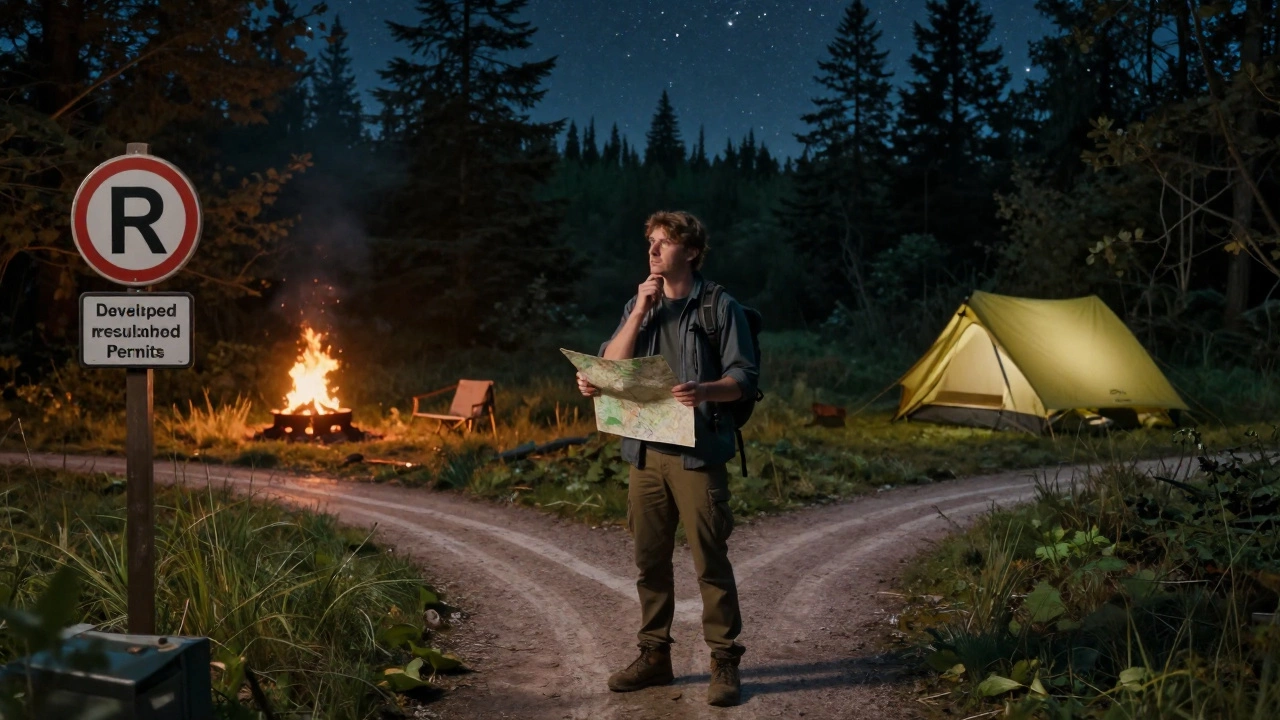
If you see a formal "R" sign in a wilderness area, it usually marks a Regulated Zone (area with enforced rules). This could mean:
- Permits required.
- Group size limits (e.g., max 6 people).
- Specific fire rings only.
- No off-trail hiking.
Ignoring these restrictions can result in fines. In California, for example, camping in a closed zone due to drought can lead to citations exceeding $100. Always treat a lettered sign as a rule, not a suggestion.
Final Tips for Reading Campground Maps
Campground maps are visual languages. Once you learn the alphabet, navigation becomes easy. Keep these principles in mind:
- Proximity Matters: Sites closer to restrooms and pools are often labeled with premium codes (like "Deluxe RV") and cost more. "R" sites on the edge of the loop are quieter and cheaper.
- Seasonal Changes: Some "R" sites become "T" sites in winter when RVs aren’t allowed due to freezing pipes. Check seasonal closures.
- Language Barriers: If traveling internationally, take a photo of the sign. Use translation apps to decode terms like "Réservé" (French for Reserved) or "Reserviert" (German).
Understanding what "R" means isn’t just about semantics-it’s about respecting the ecosystem, the other campers, and the staff who work hard to maintain these spaces. Whether you’re towing a massive fifth-wheel or sleeping under the stars in a hammock, knowing the rules helps everyone enjoy the great outdoors without conflict.
Does R always mean RV at a campsite?
In North America, yes, "R" almost always stands for RV (Recreational Vehicle) sites. However, in Europe and some international locations, it can mean "Reserved" or indicate a regulated/restricted area. Always check local signage or ask the park office.
Can I park my car in an R site?
Technically, yes, but it’s inefficient. R sites are priced for RVs and include amenities like electrical hookups and larger paved pads. If you’re in a car, you’ll pay more for space you don’t need. Look for "C" (Car) or "T" (Tent) sites instead.
What does a green R sign mean?
Colors vary by park, but a green R often indicates an available RV site. Red usually means reserved or closed. Yellow might indicate maintenance. Always confirm with the host, as color coding is not standardized globally.
Is wild camping allowed in areas marked with R?
No. If you see a formal "R" sign in a wilderness area, it denotes a regulated zone with specific rules. Wild camping is typically allowed only in unmarked, dispersed areas where no infrastructure exists. Ignoring regulated signs can lead to fines.
Why are some RV sites more expensive than others?
Price differences depend on amenities. Full-hookup RV sites (water, electric, sewer) cost more than dry-camping RV sites. Location also matters-sites closer to pools, playgrounds, or lake views command premium rates. "R" sites on the perimeter are often cheaper and quieter.