What Do Toddlers Sleep in When Camping? The Ultimate Guide to Safe & Cozy Gear
 Jul, 27 2026
Toddler Camping Sleep Calculator
Calculate the recommended sleeping bag temperature rating and check if your gear meets safety standards for ground insulation.
Sleep Setup Analysis
This rating ensures your toddler stays warm even if temperatures drop slightly below the forecast.
Ground Insulation
Safety Checklist
- No loose blankets
- Elevated off damp ground
- Proper ventilation
- Check chest/back for overheating
Imagine this: It’s 10 PM at the campsite. You’ve finally put away the grill, washed the dishes, and managed to get everyone into pajamas. Your toddler, who has been running around like a tiny tornado all day, is suddenly exhausted. But then comes the panic. Where do they actually sleep? A regular sleeping bag feels too loose and cold. A stroller isn’t designed for eight hours of rest. And putting them directly on the damp ground is a recipe for morning chills.
If you’re planning your first trip with a little one, or even if you’re a seasoned camper trying to upgrade your setup, figuring out toddler camping sleep arrangements can feel overwhelming. There are dozens of products on the market, from inflatable beds to enclosed cots, each promising comfort and safety. But which ones actually work when the temperature drops and the bugs come out?
The good news is that you don’t need to choose between luxury and practicality. With the right gear, your toddler can sleep safely, comfortably, and independently while you enjoy some quiet time by the fire. Let’s break down the best options, what to avoid, and how to keep your little explorer cozy all night long.
The Gold Standard: Enclosed Toddler Tent Cots
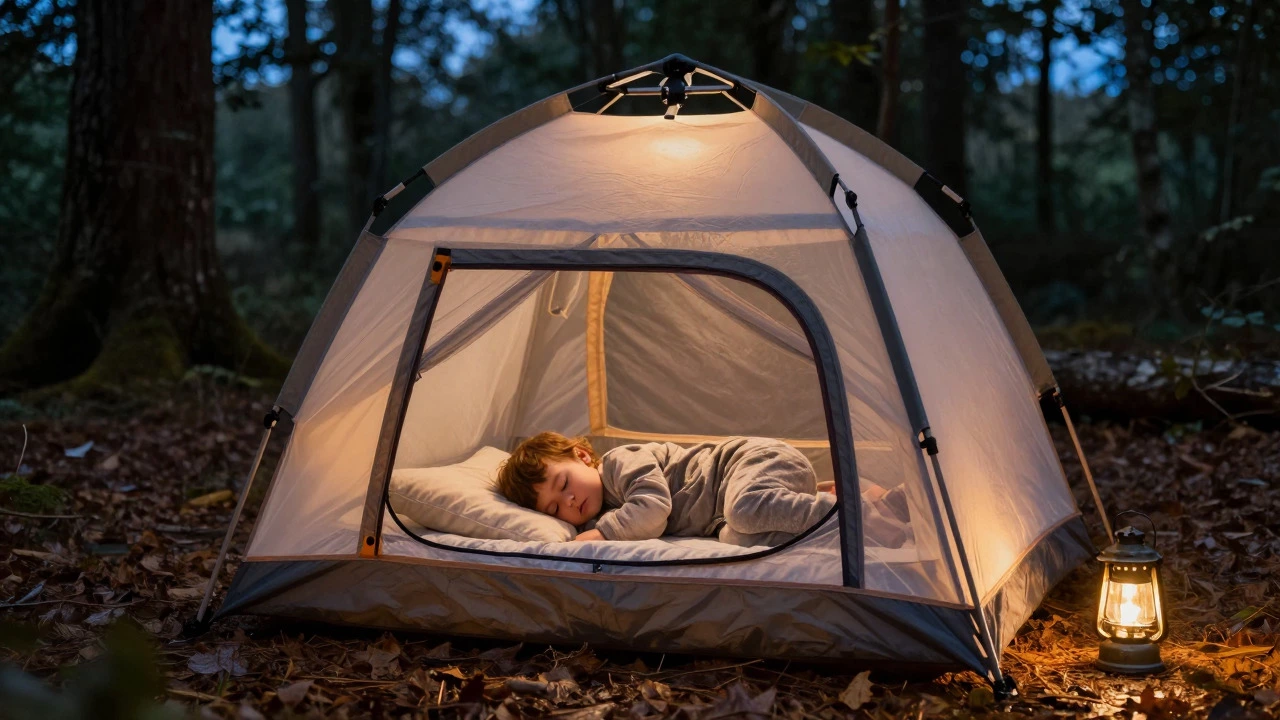
When it comes to dedicated toddler camping gear, the enclosed tent cot is widely considered the gold standard. Think of it as a hybrid between a traditional baby bassinet and a small tent. These units usually feature a mesh enclosure, a zippered door, and a built-in mattress or pad. Brands like Therm-a-Rest (with their Arc EVO) or Coleman offer popular models that have become staples in family campsites across the US and UK.
Why are these so effective? First, they provide a sense of security. Toddlers often feel safer when they have walls around them, especially in an unfamiliar outdoor environment. The mesh allows for airflow, keeping them cool, while the zipper keeps bugs out. Second, they elevate your child off the ground. This is crucial because ground temperatures drop significantly faster than air temperatures at night. Even in summer, sleeping directly on the earth can lead to hypothermia risks for smaller bodies.
However, there are trade-offs. These cots take up more space in your car than a simple sleeping bag. They also require assembly, which can be frustrating when you’re tired after setting up the main tent. Make sure to practice setting it up at home before your trip. Also, check the weight limit-most are designed for children under 40-50 lbs, so they won’t last through the preschool years.
The Budget-Friendly Option: Sleeping Bags with Zippered Doors
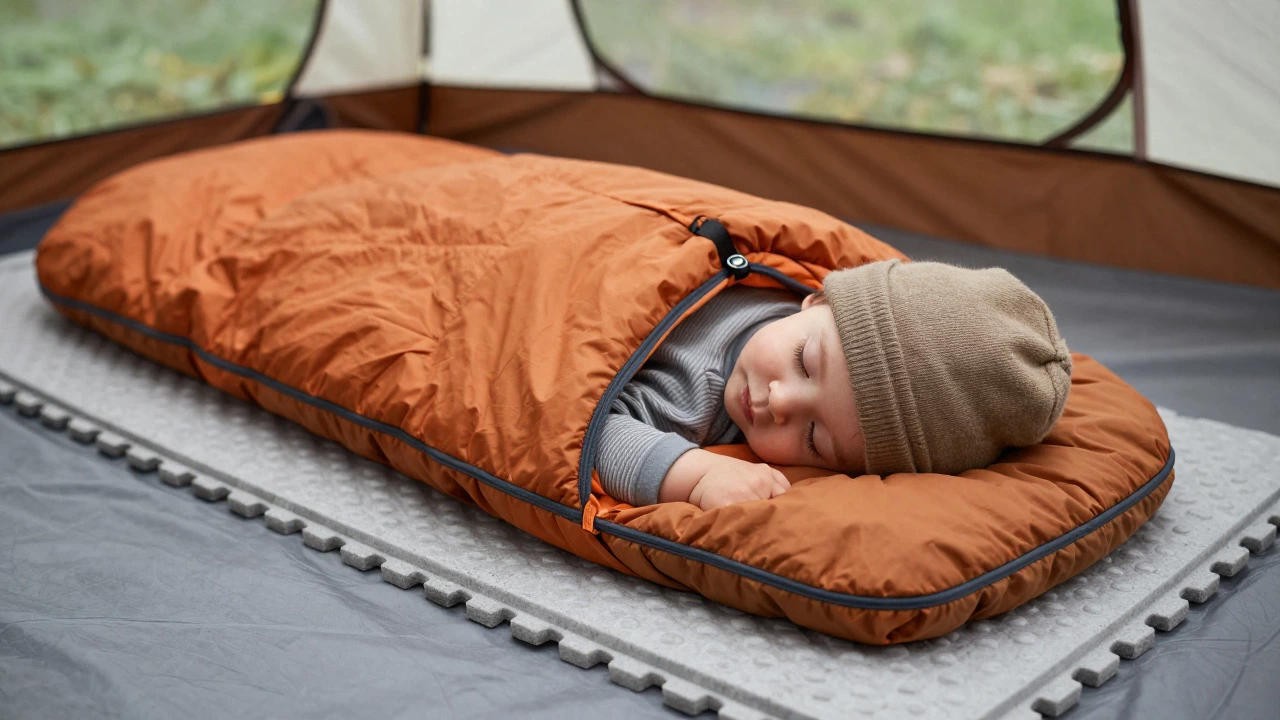
If you’re not ready to invest in a dedicated cot, a high-quality sleeping bag can work well for toddlers, provided you choose the right type. Forget the mummy-shaped bags meant for adults; those are too tight and restrictive. Instead, look for rectangular or semi-rectangular bags designed for kids. Many brands now make "sleeping sacks" or "bunkies" that have a full-length zipper and a hood.
The key here is temperature rating. Always choose a bag rated for at least 10-15 degrees Fahrenheit colder than the expected nighttime low. Toddlers regulate body heat less efficiently than adults. If the forecast says 50°F at night, grab a 35°F or 40°F rated bag. Layering is your friend. Put your toddler in warm base layers (merino wool or synthetic thermal underwear) and add a hat. Most body heat escapes through the head, so a thin beanie makes a huge difference.
To prevent your toddler from kicking off the covers or rolling out, consider using a sleeping bag liner. Liners add warmth and create a smoother interior surface. Some parents also use a technique called the "burrito method": place the toddler inside the bag, then zip it closed, and tuck the excess material around them like a swaddle. This prevents shifting during sleep.
Inside vs. Outside the Main Tent
One of the biggest debates among family campers is where the toddler should sleep. Should they be inside your main family tent, or in their own separate space?
Inside the Main Tent: This is the most common choice for younger toddlers (ages 1-2). Being close to mom and dad provides comfort and reduces anxiety. It also makes it easier for you to check on them without leaving your own sleeping area. However, it takes up valuable floor space. If you have a small tent, adding a cot or large sleeping bag can make the interior cramped for everyone. Noise is another factor-if your toddler wakes up crying, you’ll hear it immediately.
Outside or in a Separate Annex: For older toddlers (ages 3-4) who are more independent, a separate enclosed cot placed just outside the main tent entrance (but still under the rainfly) can work wonders. It gives them their own "room," which can encourage better sleep habits. Plus, it frees up space inside your tent for you and your partner. Just ensure the connection point is secure and weatherproof. If you use a vestibule, this is the perfect spot. Keep a flashlight nearby for quick checks.
| Option | Best For | Pros | Cons |
|---|---|---|---|
| Enclosed Tent Cot | Parents seeking maximum safety and bug protection | Elevated, enclosed, easy to clean | Bulky, expensive, limited lifespan |
| Kids' Sleeping Bag | Budget-conscious families or occasional campers | Inexpensive, lightweight, versatile | Less structure, risk of rolling out |
| Inflatable Mattress | Older toddlers who resist confinement | Comfortable, familiar feel | Cold insulation, puncture risk |
| Stroller/Buggy Bed | Glamping or short-term stays | Familiar, portable | Poor ventilation, not for overnight use |
Safety First: What to Avoid
While we want our kids to be comfortable, safety must come first. Here are a few common mistakes to avoid:
- Loose Blankets: Never let a toddler sleep with heavy, loose blankets. They pose a suffocation risk if the child rolls over. Stick to wearable sleep sacks or tightly tucked sleeping bags.
- Direct Ground Contact: As mentioned, the ground gets cold. If you don’t have a cot, always use a closed-cell foam pad or an insulated air mattress underneath the sleeping bag. R-value matters-aim for an R-value of at least 2.0 for three-season camping.
- Carbon Monoxide Risks: If you’re using a heater or lantern near the sleeping area, ensure proper ventilation. Carbon monoxide is odorless and deadly. Never run a generator or car engine near open tent vents.
- Overheating: Toddlers overheat easily. Check their chest or back-not hands or feet-to gauge temperature. If they’re sweating, remove a layer. Overdressing is more dangerous than being slightly chilly.
Creating a Routine in the Wild
Gear is only half the battle. The other half is routine. Toddlers thrive on predictability, and camping disrupts that. To help them adjust, try to maintain as much of their bedtime routine as possible.
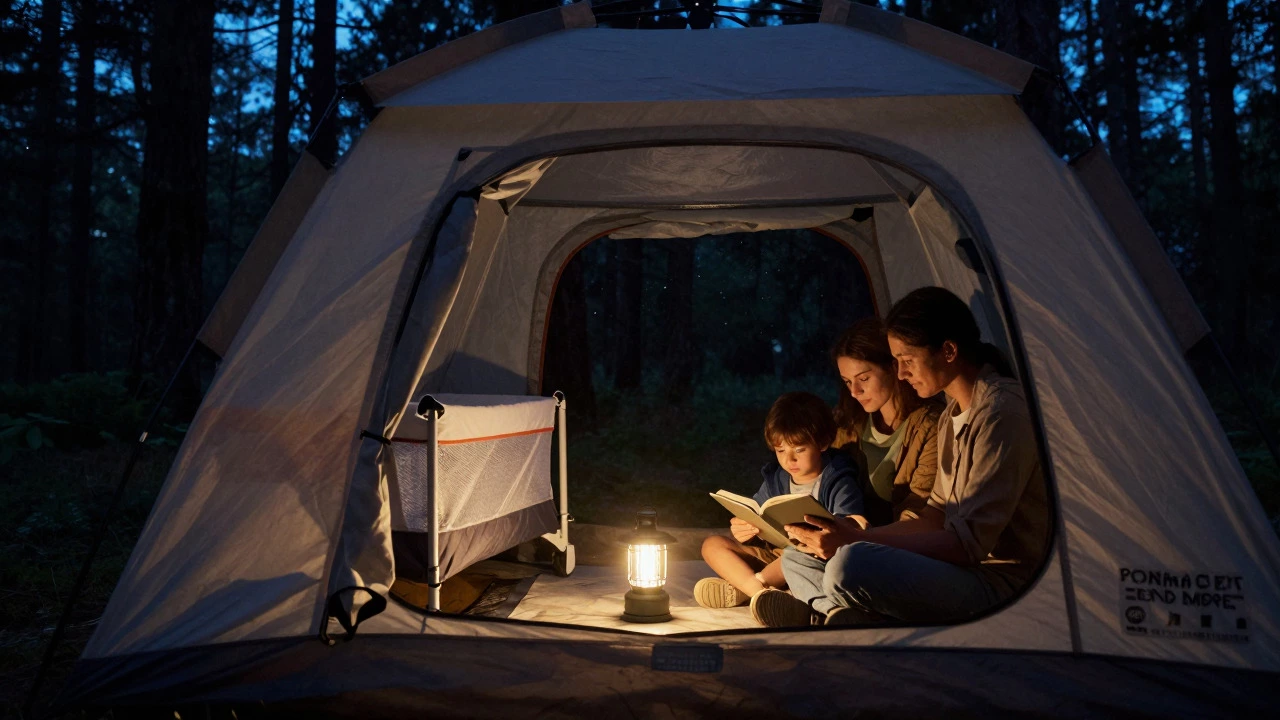
Read the same books. Sing the same lullabies. Use the same white noise machine if they rely on one. Many parents find success using a portable white noise app on their phone, placed near the toddler’s sleeping area. The sound of crickets and wind can be startling; consistent white noise masks these unpredictable sounds.
Also, manage expectations. Your toddler might wake up once or twice. That’s normal. Stay calm and reassuring. If you panic, they will too. Have a dim red-light flashlight handy so you can check on them without disrupting their circadian rhythm. Bright white lights signal "morning" to their brains.
Pro Tips for Comfort and Convenience
Here are some insider tricks that experienced family campers swear by:
- Pre-Chill the Air Mattress: If using an inflatable mattress, blow it up during the day. By nightfall, the air inside will have cooled to ambient temperature, making it more comfortable. Cold air contracts, so you may need to top it off in the morning.
- Use a Pillowcase Trick: Put a fitted sheet over the toddler’s pillow. It’s easier to wash at home later than scrubbing a dirty pillow in a campground sink.
- Label Everything: Campgrounds get chaotic. Label your toddler’s sleeping bag, clothes, and toys with their name. Lost items cause stress.
- Test Fit at Home: Before your trip, set up the cot or sleeping bag in your living room. Let your toddler sleep in it for one night. This helps them get used to the new environment and reveals any issues (like zippers catching on pajamas).
- Bring a Lovey: Their favorite stuffed animal or blanket provides emotional security. Just make sure it’s clean and free of loose parts that could be choking hazards.
Final Thoughts on Toddler Camping Sleep
Camping with a toddler doesn’t mean sacrificing sleep quality. Whether you choose a premium enclosed cot or a simple sleeping bag, the key is preparation and attention to detail. Prioritize elevation from the ground, temperature regulation, and a sense of security. With the right setup, your toddler will drift off peacefully, allowing you to enjoy the stars and the silence.
Remember, every child is different. What works for your neighbor’s kid might not work for yours. Be willing to adapt and experiment. The goal isn’t perfection-it’s creating positive memories in nature. Once you find the right combination of gear and routine, camping becomes easier, more enjoyable, and truly rewarding for the whole family.
Can I put my toddler's crib sheets on a camping cot?
Yes, but only if the cot has a flat, stable surface similar to a crib. Most camping cots are narrow and angled, so standard crib sheets won't fit securely. Look for fitted sheets specifically designed for camping cots or use a waterproof pad cover that snaps into place. Loose sheets can bunch up and pose a suffocation risk.
Is it safe for a toddler to sleep in a sleeping bag alone?
It is generally safe for toddlers over age 2, provided the sleeping bag is the correct size and temperature-rated. Ensure the bag is zipped fully to prevent rolling out. Avoid heavy pillows or loose blankets inside the bag. For younger toddlers (under 2), an enclosed cot or bassinet is safer due to reduced mobility and higher risk of entrapment.
How do I keep my toddler warm in a tent without a heater?
Layering is essential. Dress your toddler in moisture-wicking base layers, followed by fleece mid-layers, and a warm outer shell. Use a high-quality sleeping bag rated for colder temperatures than expected. Add a closed-cell foam pad under the sleeping bag for insulation from the ground. A hat and socks are critical, as extremities lose heat quickly. Consider a hot water bottle wrapped in a towel placed at the foot of the sleeping bag before bed.
What is the best age to start camping with a toddler?
Most experts recommend starting between ages 2 and 3. At this age, toddlers are mobile enough to explore but still young enough to adapt to new routines. They can understand basic safety rules and communicate their needs. However, every child is different. If your toddler handles travel well and sleeps through the night at home, they may be ready earlier. Start with short trips (one night) at established family-friendly campgrounds with amenities.
Do I need a special mattress for a toddler camping cot?
Many enclosed toddler cots come with a built-in foam pad or thin mattress. If yours doesn’t, you can add a self-inflating pad or a closed-cell foam mat cut to size. Ensure the mattress is firm enough to support their spine but soft enough for comfort. Avoid overly thick memory foam pads, as they can retain heat and make the child sweat.