What Age Should Kids Go to Camp? A Parent’s Guide
 Nov, 9 2026
Camp Readiness Checker
Child Profile
Independence Checklist
Check the boxes that apply to your child.
Enter details and click "Assess Readiness" to see recommendations.
Most parents agonize over the perfect moment to send their child to summer camp. You worry about homesickness, safety, and whether they’ll actually have fun or just cry into their sleeping bag. But here’s the truth: there is no single magic number. The right age depends less on the calendar and more on your child’s specific independence level and the type of camp you choose.
If you’re looking for a quick answer, most experts suggest that day camps can start as early as age 4 or 5, while overnight residential camps are typically best suited for children aged 7 to 9 and older. However, this isn’t a hard rule. Some mature 6-year-olds thrive in overnight settings, while some 10-year-olds might prefer staying home. The key is matching the camp structure to your child’s emotional and physical readiness.
The Day Camp vs. Overnight Camp Distinction
You need to separate these two categories because they require completely different skill sets from a child. Day camps are essentially supervised playdates with structure. They usually run from 9 AM to 3 PM or 4 PM. Your child goes home to sleep in their own bed, eat familiar food, and decompress at night.
Overnight camps, often called resident camps, require a child to manage separation anxiety, self-care routines, and social conflicts without immediate parental intervention. This is a significant leap. For many families, starting with a day camp is the safest way to test the waters. It builds confidence in group dynamics before adding the stress of being away from home for days.
| Age Group | Recommended Camp Type | Key Developmental Focus | Parent Role |
|---|---|---|---|
| 3-5 Years | Half-day or Full-day Day Camp | Socialization, basic following instructions | High involvement; drop-off/pick-up routine |
| 6-8 Years | Full-day Day Camp or Short Overnight (1-2 nights) | Independence in hygiene, managing belongings | Supportive but distant; debriefing after camp |
| 9-12 Years | Standard Overnight Residential Camp | Conflict resolution, sustained focus, resilience | Minimal involvement; trust in staff |
| 13+ Years | Specialized/Sports Camps or Counselor-in-Training | Leadership, advanced skill acquisition | Facilitator; logistical support only |
Signs Your Child Is Ready for Overnight Camp
Don’t rely solely on their age. Look for concrete behaviors that indicate they can handle being away from you. If your child has never slept at a grandparent’s house or a friend’s place, an overnight camp might be too big a jump. Successful overnight campers usually share a few common traits:
- They sleep well away from home. Can they fall asleep in a strange room without a parent present?
- They communicate needs clearly. If they are hungry, cold, or hurt, do they tell an adult? Or do they shut down?
- They can manage personal hygiene. Do they brush their teeth and wash hands independently? At camp, counselors supervise but don’t scrub backs.
- They handle minor disappointments. If it rains during planned activities, do they get angry or adaptable?
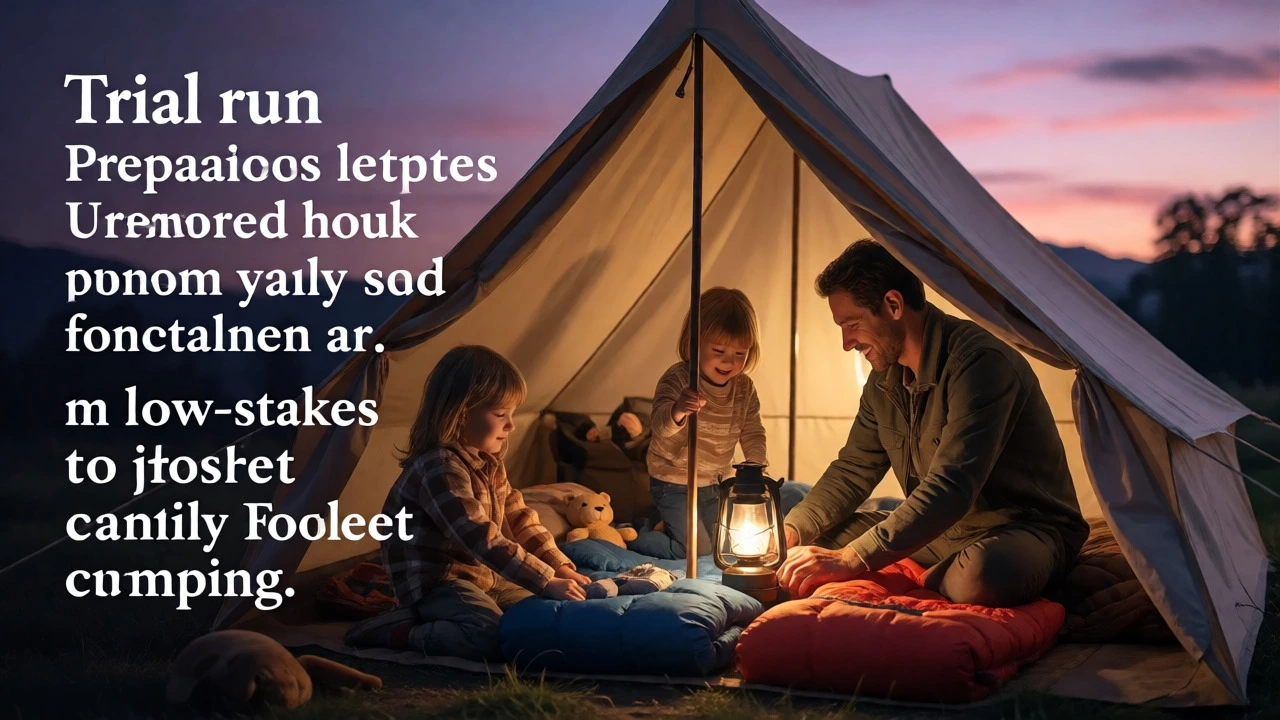
If your child struggles with any of these, consider a "trial run." Plan a weekend trip to a family campsite where you are nearby but not hovering. Let them set up a tent with help, cook simple meals, and navigate the lack of screens. This low-stakes environment reveals how they cope with discomfort.
Why Age 7-9 Is the Sweet Spot for Many Families
Developmentally, ages 7 to 9 mark a shift. Children become better at understanding time and duration. A "week" feels manageable rather than eternal. Their social circles expand beyond immediate family, making peer interaction more rewarding than stressful.
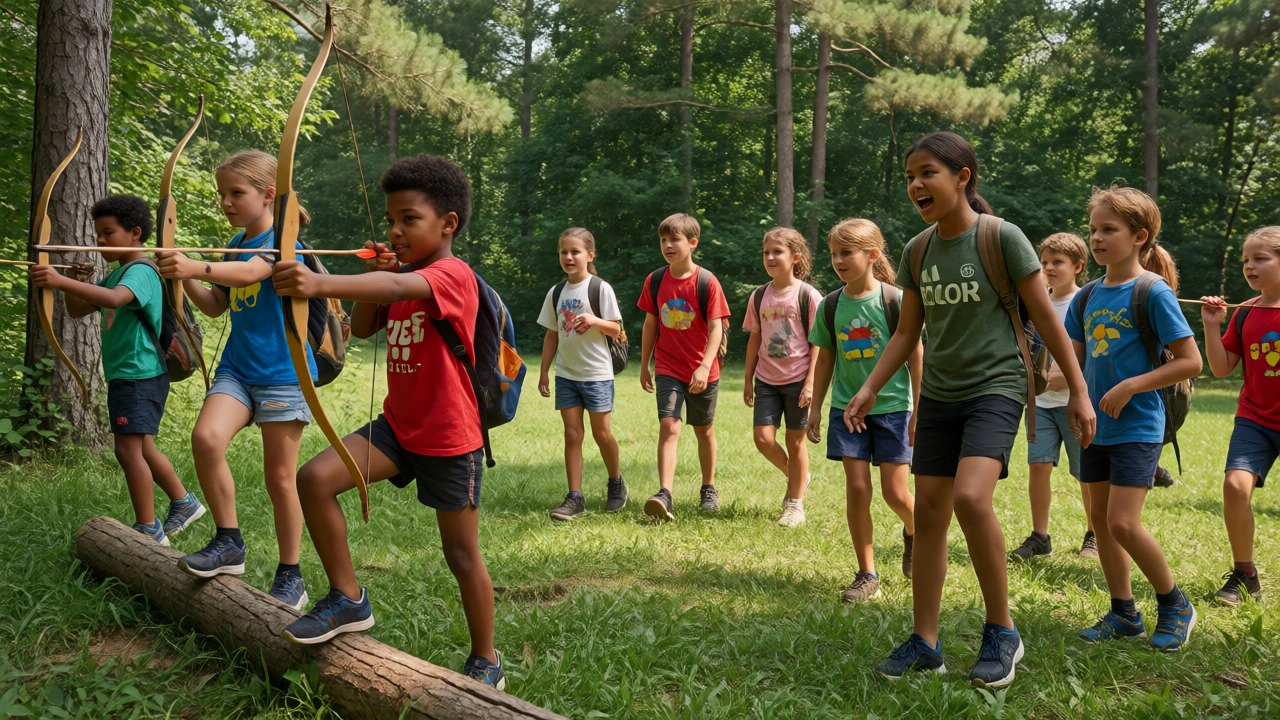
At this age, kids are also physically capable of participating in standard camp activities like swimming, hiking, or archery without constant assistance. They can follow multi-step instructions, which is crucial for safety protocols around water or fire. While younger children might need hand-holding through every transition, a 7-year-old can often navigate from breakfast to activity to lunch with minimal prompting.
Choosing the Right Camp Structure for Younger Kids
If you have a child under 7 who is eager to try camping, look for specific program structures designed for little ones. Avoid large, chaotic residential camps. Instead, seek out:
- Family Camping Programs: Many campsites offer sites specifically for families with young children. These often include amenities like fenced playgrounds, shallow pools, and easy access to restrooms.
- Short-Duration Sessions: Look for "intro to camp" sessions that last only 2-3 nights. Long enough to build memories, short enough to prevent deep homesickness.
- Small Group Sizes: Ensure the counselor-to-camper ratio is high (e.g., 1:5). Younger children need more individual attention.
- Familiar Themes: Camps focused on animals, crafts, or storytelling tend to engage younger minds better than intense sports competitions.
Preparing Your Child for Success
Your preparation matters as much as the camp selection. Anxiety is contagious. If you are nervous, they will sense it. Keep your tone positive and factual. Talk about what they will do, not what they will miss.
Practical steps include:
- Practice Packing: Have your child pack their bag weeks in advance. Check off items together. This gives them ownership and reduces morning chaos.
- Send Comfort Items: One small stuffed animal or a family photo taped inside a locker can provide huge comfort. Don’t overload them with toys.
- Set Communication Expectations: Decide beforehand if you will write letters, email, or call. Letters are often better for younger kids as they feel tangible and special. Emails can sometimes trigger tears if they see other kids getting mail.
- Avoid Bribery: Don’t say, "If you go to camp, I’ll buy you a new bike." This frames camp as a chore. Instead, frame it as an adventure.
When to Wait Another Year
It is perfectly fine to wait. If your child is expressing genuine dread rather than normal nervous excitement, listen to them. Pushing a reluctant child into an overnight camp can create negative associations with outdoor activities that last years.
Consider waiting if:
- They have major life changes happening simultaneously (new sibling, moving house, divorce).
- They struggle significantly with separation anxiety in daily life.
- They have medical needs that require frequent, complex management you aren’t comfortable delegating yet.
Remember, camping is a lifelong hobby. There is no prize for starting at age 5. Starting at 10 with a positive attitude is far better than starting at 6 with trauma.
FAQs About Sending Kids to Camp
Is 5 too young for overnight camp?
For most children, yes. While some specialized programs accept 5-year-olds for one-night stays, it is generally recommended to stick with day camps until age 6 or 7. Overnight stays require a level of emotional regulation and self-care that many 5-year-olds are still developing.
How do I know if my child is homesick at camp?
Homesickness is normal and usually peaks within the first 24 hours. Camp directors are trained to spot signs like withdrawal, refusal to eat, or excessive crying. If the homesickness persists beyond 48 hours despite staff engagement, they may contact you. Most kids bounce back quickly once they make friends.
Should siblings go to camp together?
Not necessarily. While it seems comforting, sending siblings together can hinder independence. They may rely on each other instead of branching out to meet new friends. If possible, put them in different cabins or groups unless they are very young and genuinely need each other for security.
What if my child hates camping afterwards?
This happens more often than you’d think. It doesn’t mean they hate nature; it might mean they hated the specific camp culture, the food, or the social dynamic. Try a different type of experience next time-perhaps a shorter session, a different location, or a day camp-to see if preferences change.
Are family campsites good for teaching camping basics?
Absolutely. Family campsites allow you to model behavior. You can show them how to pitch a tent, keep a clean site, and respect wildlife in a controlled environment. It bridges the gap between backyard camping and independent residential camp experiences.