UK Wild Camping Laws: What's Legal and Where
 Feb, 5 2026
In the UK, the answer isn't simple. Scotland is part of the UK where wild camping is generally legal under the Scottish Outdoor Access Code. However, in England and Wales, wild camping is mostly illegal without permission. This guide breaks down exactly where you can camp legally and what you need to know.
The UK's Patchwork of Camping Laws
There's no single rule for camping across the UK. Each country has different laws, and even within countries, rules change depending on location. For example, you might find yourself in a spot where camping is allowed in one valley but not in the next. Always check local regulations before setting up your tent. Ignoring these rules can lead to fines, being asked to leave, or even criminal charges in some areas.
Scotland: Your Right to Roam
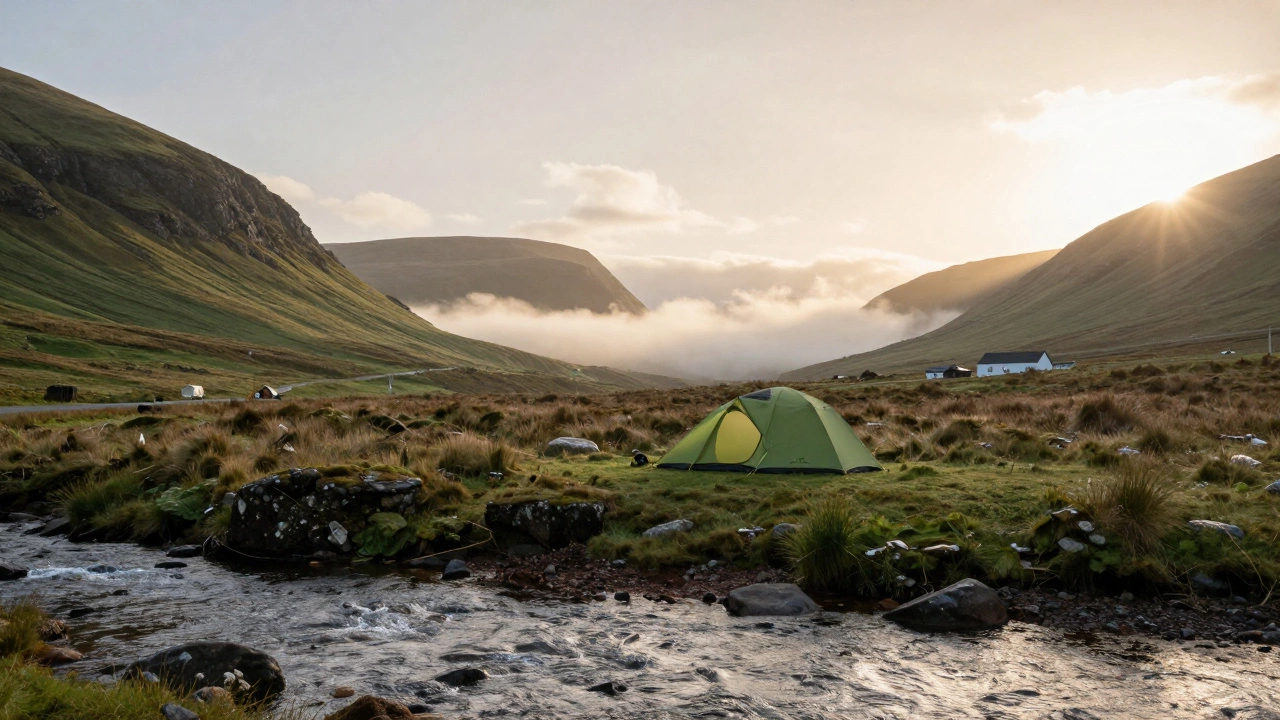
Scotland stands out for its progressive access laws. The Scottish Outdoor Access Code grants the public the right to camp on most land, including mountains, forests, and moorlands. This right comes from the Land Reform (Scotland) Act 2003, which recognizes responsible access to the countryside.
You must follow specific guidelines. Camp away from buildings, roads, and private gardens. Avoid areas with crops or livestock. Stick to small groups and stay no more than two or three nights in one spot. Leave no trace-pack out all waste and avoid lighting fires. Popular spots like Glen Coe or the Cairngorms National Park allow camping as long as you respect these rules. However, some areas like Loch Lomond have seasonal restrictions during peak summer months to protect the environment.
England and Wales: Where Wild Camping is Restricted
England and Wales treat wild camping as trespass under civil law. This means landowners can ask you to leave, but police won't arrest you unless you refuse. However, some regions have stricter rules. For example, the Lake District National Park bans camping outside designated sites, with fines up to £1,000 for violations.
Most of England and Wales requires permission from the landowner. This includes National Parks like Snowdonia or the Peak District. Without permission, you risk being asked to leave or facing legal action. Some areas, like Dartmoor, have specific exceptions, but these are rare. Always check local bylaws before camping.
Dartmoor: The Exception in England
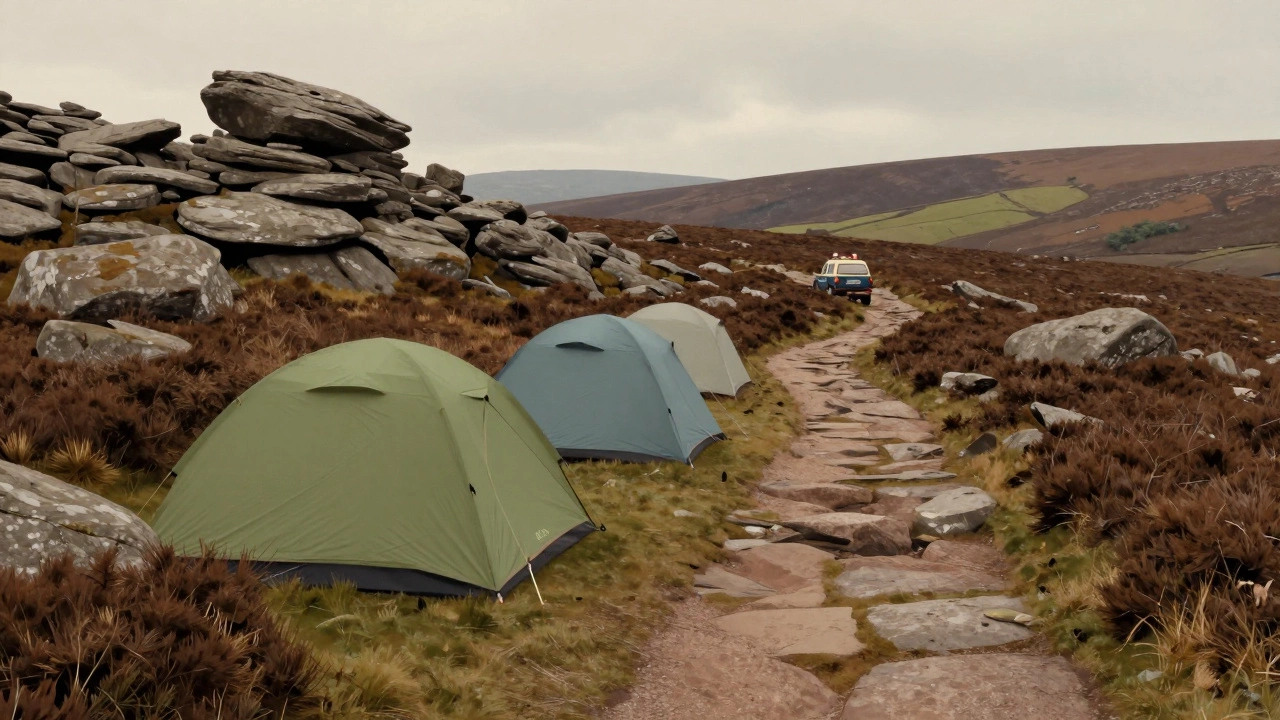
Dartmoor National Park is one of the few places in England where wild camping is legally permitted. The Dartmoor Commons Act 1985 allows camping in designated areas without landowner permission. However, strict rules apply: stay at least 100 meters from roads and paths, and don't stay more than two nights in one spot.
Many campers use Dartmoor's right to camp legally, but it's easy to overstep. Camping near popular trails or historic sites is often prohibited. Rangers actively enforce these rules, so always check maps for permitted zones. This exception proves that even in restrictive areas, specific locations allow responsible camping.
Northern Ireland's Rules
Northern Ireland has some of the strictest camping laws in the UK. Wild camping is generally illegal without landowner permission, and police can intervene if you camp without consent. Unlike Scotland or Dartmoor, there are no widespread exceptions.
Most public land in Northern Ireland prohibits camping. Some remote areas might allow it with permission, but this is rare. For example, camping on the Mourne Mountains requires approval from the local council. Always contact landowners or authorities before attempting to camp. Violations can lead to fines or legal action, so it's best to stick to official campsites.
National Parks and Protected Areas
National Parks across the UK have their own rules, often stricter than general laws. For example, the Lake District National Park bans all wild camping outside designated sites. Snowdonia National Park in Wales prohibits camping without permission, even on public land. The Peak District has similar restrictions.
These parks often have designated campsites, but they fill up quickly. Some parks allow wild camping in specific zones, but you must check before you go. Always research the park's specific regulations-what's allowed in one park might be illegal in another. For instance, the Brecon Beacons in Wales permits camping in certain areas, but only with a permit.
Finding Legal Camping Spots
When in doubt, stick to official campsites. These are safe, legal, and often affordable. Many campsites charge as little as £5-£10 per night. Websites like Campsite.co.uk or Camping and Caravanning Club list approved sites across the UK.
If you want to camp on private land, always ask permission. Some farmers or landowners allow camping for a small fee. Apps like Campercontact or Park4Night help find landowners who welcome campers. This is common in Scotland and parts of Wales, where landowners often rent out space for campers.
Common Misconceptions
Many people think wild camping is legal everywhere in Scotland. While it's true that Scotland has broad access rights, you still need to follow the Scottish Outdoor Access Code. Camping near private gardens, farms, or popular tourist spots is often prohibited. Another myth is that you can camp anywhere in Dartmoor. In reality, you must stay in designated zones and follow strict rules.
Some believe that camping on beaches is always allowed. While Scotland permits beach camping in public areas, many beaches in England and Wales are private property. For example, beaches along the South Coast often require permission from local councils. Always verify before setting up camp on a beach.
What Happens If You Get Caught?
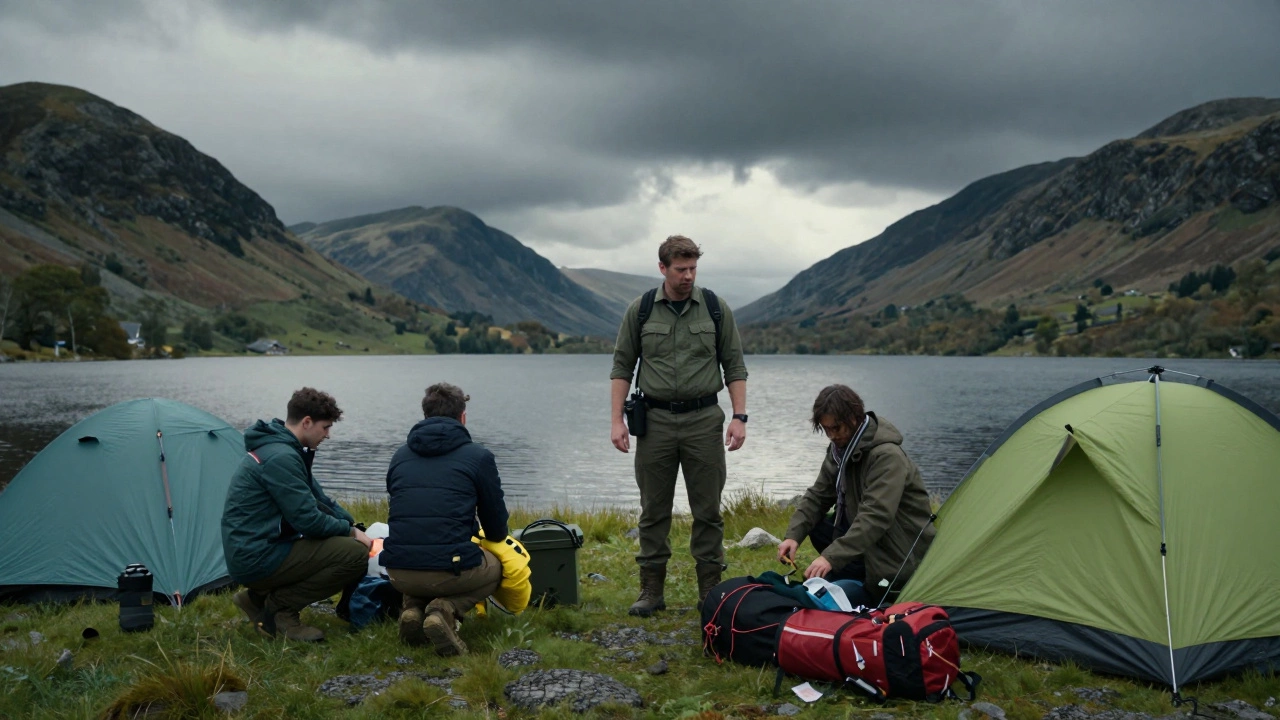
In Scotland, you're unlikely to face issues if you follow the rules. However, in England and Wales, landowners can ask you to leave immediately. Refusing to leave could lead to trespass charges. In rare cases, police may issue fines, especially in National Parks with specific bylaws.
For example, in the Lake District, fines for illegal camping can reach £1,000. In Northern Ireland, police can arrest you for trespassing. Always respect local rules to avoid trouble. If asked to leave, do so calmly and politely.
Key Takeaways
- Scotland allows wild camping under the Scottish Outdoor Access Code, but you must follow guidelines.
- England and Wales mostly require landowner permission; exceptions like Dartmoor have strict rules.
- Northern Ireland has the strictest rules, with wild camping generally illegal without permission.
- National Parks often have their own bans on wild camping-always check before you go.
- When in doubt, use official campsites or ask landowners for permission.
Can I camp on a beach in Scotland?
Yes, you can camp on public beaches in Scotland if you follow the Scottish Outdoor Access Code. Avoid private beachfront properties and stay away from designated swimming areas. Some coastal spots like the Isle of Skye have seasonal restrictions, so check local guidelines before setting up camp.
What happens if I get caught wild camping in England?
In England, wild camping without permission is trespass under civil law. Landowners can ask you to leave immediately. If you refuse, they might involve police, but arrests are rare. However, in National Parks like the Lake District, fines up to £1,000 apply. Always respect landowner requests to avoid trouble.
Are there free camping spots in England?
Yes, but only in specific areas. Dartmoor National Park allows free camping in designated zones under the Dartmoor Commons Act. Some private landowners also offer free camping with permission. Always verify rules before camping-most of England requires payment or permission for legal camping.
Do I need permission to camp on private land?
Yes, you always need permission from the landowner to camp on private land. This applies to farms, forests, or any privately owned property. Some landowners charge fees for camping, while others allow it for free. Apps like Campercontact help connect campers with landowners willing to host them.
How do I find landowners who allow camping?
Use apps like Campercontact or Park4Night to find landowners who welcome campers. Many farms in Scotland and Wales rent out space for a small fee. Always ask politely and respect the landowner's rules. Building trust with landowners is key to finding legal camping spots outside official sites.