UK Campsite Stay Limits: How Long Can You Stay?
 Oct, 12 2026
UK Campsite Stay Limit Checker
Planning a long stay? Use this tool to estimate if your accommodation type and duration align with typical UK planning permissions and site rules.
You’ve found the perfect spot. The grass is green, the view is stunning, and you’re thinking, "Why leave?" But before you unpack your bags for a month-long retreat, you need to know that campsite stay limits in the UK aren’t just about what the site owner wants-they’re often dictated by strict local council planning laws. If you ignore these rules, you might find yourself with an eviction notice rather than a sunset view.
The Short Answer: It Depends on the Site Type
There isn’t one single law that says "you can stay X days." Instead, it’s a mix of national planning permissions and individual site policies. Generally, most holiday pitches allow stays of up to 28 consecutive nights. After that, you’re technically living there, which triggers different legal requirements. However, some sites are licensed specifically for longer-term residents, while others strictly forbid staying beyond two weeks during peak season. Always check the site’s specific terms before booking.
| Accommodation Type | Standard Max Consecutive Nights | Long-Term Option? | Key Constraint |
|---|---|---|---|
| Tent / Camper Van (Holiday Pitch) | 14-28 Nights | Rarely | Planning permission usually restricts this to temporary recreational use. |
| Static Caravan (Holiday Use) | 6-10 Months (Year-round access varies) | Yes | Must not be used as sole or main residence unless site has full residential license. |
| Mobile Home (Residential License) | Unlimited (Subject to tenancy) | Yes | Requires Council Tax payment and full residential planning consent. |
| Wild Camping (England/Wales) | 1-3 Nights (Informal) | No | Strictly no trace; leaving after 24-48 hours avoids attracting attention. |
Understanding Planning Permission vs. Site Rules
This is where most people get tripped up. A campsite owner might say, "Sure, stay as long as you like," but if their land doesn’t have the right planning permission for residential use, they could be fined by the local authority. In the UK, land designated for "holiday purposes" cannot legally be used for permanent housing without a change of use application. This distinction protects rural areas from becoming unofficial suburbs.
If you plan to stay more than 28 nights, ask the site manager directly: "Does this pitch have a residential license, or is it for holiday use only?" If it’s holiday use, staying indefinitely puts both you and the site owner at risk. The site could lose its license, and you could be asked to move immediately.
The 28-Day Rule: Myth or Reality?
You’ll hear the "28-day rule" thrown around a lot. While it’s not a hard national statute for every single plot, many local councils enforce a limit where continuous occupation beyond 28 days requires formal planning consent. This is particularly common in England and Wales. In Scotland, the rules are slightly different due to the Land Reform (Scotland) Act 2003, which gives broader rights to roam and camp, though commercial campsites still set their own contractual limits.
- Peak Season: Many sites cap stays at 7-14 nights between June and August to ensure turnover for other customers.
- Off-Peak: Winter months often allow 28+ night stays because demand is lower.
- Breaks: Some sites require you to vacate the pitch for 24-48 hours every few weeks to prove it’s not a permanent residence.
Living Full-Time on a Campsite: What You Need to Know
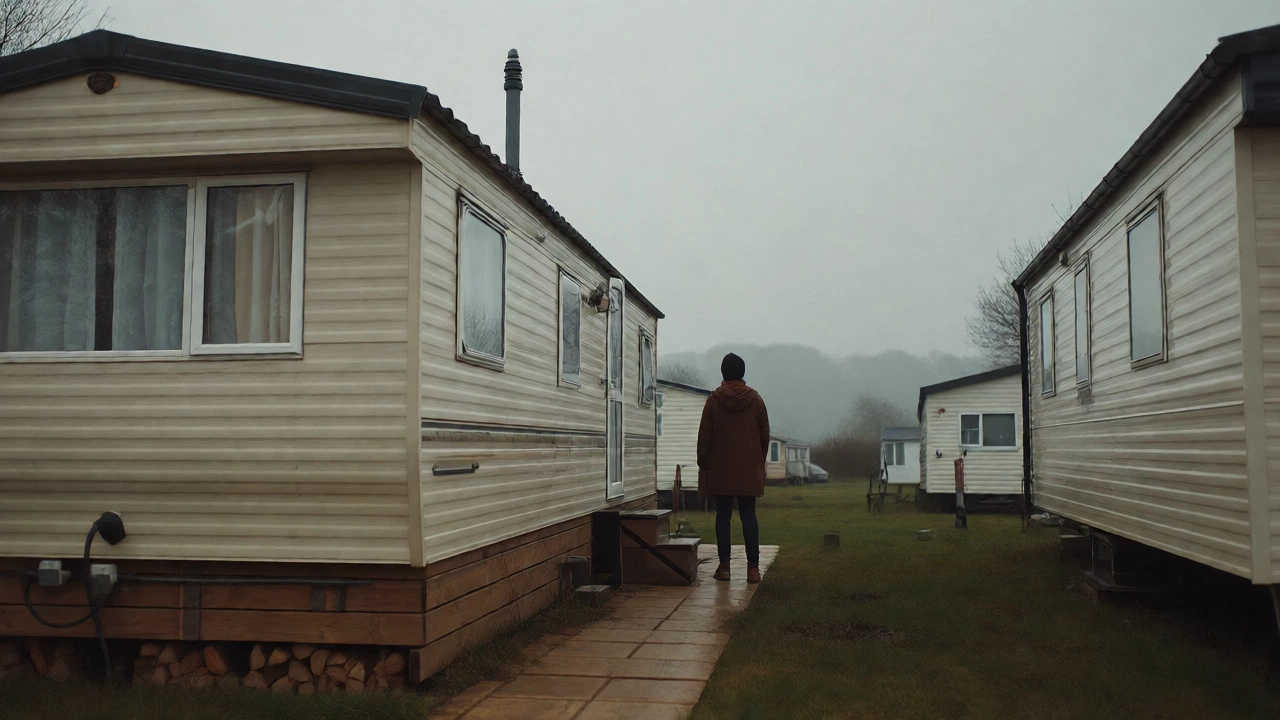
Want to make a campsite your home base? You need a site with a residential license. These are rare compared to holiday sites. They function more like mobile home parks than traditional campsites. Here’s what changes when you go residential:
- Council Tax: You will likely pay Council Tax (or Band D equivalent) instead of just a pitch fee. This can add £100-£200 per month to your costs.
- Address Rights: You can register your address for voting, bank accounts, and mail. Holiday pitches often don’t offer this stability.
- Security of Tenure: Residential licenses offer better protection against sudden rent hikes or evictions compared to short-term holiday agreements.
- Facilities Access: Ensure the site offers winterized facilities. Many holiday sites close showers or laundry blocks in winter, making full-time living impossible.
Regional Differences: England, Wales, Scotland, and Northern Ireland
The UK isn’t a monolith when it comes to camping laws. Your experience in the Scottish Highlands differs vastly from Cornwall.
England & Wales: Strictest enforcement. Local authorities actively monitor for "unauthorized residential use" on holiday sites. Wild camping is technically illegal on private land without permission, except in Dartmoor (which has its own complex bylaws).
Scotland: More relaxed. The Land Reform (Scotland) Act 2003 allows responsible wild camping almost anywhere, including private land, provided you follow the Scottish Outdoor Access Code. Commercial campsites still have contracts, but the culture is more tolerant of longer informal stays.
Northern Ireland: Mixed. Similar to England in terms of planning restrictions, but enforcement varies by district council. Always check local bylaws.
How to Negotiate Longer Stays
If you’re eyeing a long stay, don’t just book online. Call the site owner. Off-season, owners are often desperate for occupancy. You might negotiate a monthly rate that includes utilities. Be upfront about your plans. Ask if they have any pitches that are already designated for "long-stay" guests. These are often tucked away at the back of the site, less scenic but cheaper and more flexible.
Pro tip: Look for sites advertising "static caravans for rent" rather than "pitch fees." Static units are often managed by companies willing to take seasonal tenants (October to April), giving you a stable roof over your head for six months.
Pitfalls to Avoid
- Assuming "All Year Round" Means Unlimited: "All year round" often means the site is open all year, not that you can stay continuously. Check the maximum consecutive nights clause in the T&Cs.
- Ignoring Utility Costs: On some long-stay pitches, electricity is metered separately. Running a heater in November can cost more than the pitch fee itself.
- Vehicle Registration: If you live in a motorhome full-time, ensure it’s roadworthy and taxed. Some sites refuse to host vehicles that haven’t moved in over a year, fearing they’ll become abandoned assets.
Can I live permanently on a holiday campsite?
Generally, no. Most holiday campsites have planning permission restricted to recreational use. Living there permanently may breach these conditions, leading to fines for the owner and eviction for you. You need a site with a specific residential license.
Is there a legal limit on how long I can stay in a tent?
On private campsite land, the limit is set by the site owner's contract and their planning permission. Commonly, this is 28 consecutive nights. Beyond that, local councils may deem it residential use, requiring additional permits.
Do I pay Council Tax if I stay on a campsite?
If you are using the pitch as your sole or main residence on a site with residential status, yes, you must pay Council Tax. If it is purely for holidays and you maintain another main address, you typically do not.
What happens if I stay longer than allowed?
The site owner can ask you to leave. If you refuse, they may charge higher rates or take legal action. Additionally, the local council could issue an enforcement notice to the site owner, forcing them to remove unauthorized residents.
Are wild camping spots subject to stay limits?
In England and Wales, wild camping is largely unregulated by time limits but governed by landowner permission. In Scotland, you can camp responsibly for multiple nights, but leaving litter or causing disturbance can revoke your right to access.