The Real Downsides of Full-Time RV Living: Costs, Privacy, and Daily Struggles
 Jul, 19 2026
RV Living Cost vs. Traditional Housing Calculator
Your Travel Habits
Comparison Result
Enter your details and click calculate to see the breakdown.
You’ve seen the Instagram photos. The sunsets over the desert, the coffee on the porch with mountains in the background, the freedom to wake up somewhere new every single day. It looks like a dream. But if you’re considering making an RV your permanent home, you need to look past the filter. While full-time RV living offers incredible flexibility, it comes with a heavy price tag that isn’t just financial.
The reality is that living in a vehicle 365 days a year introduces unique stressors that most people underestimate. From the constant battle against moisture and mold to the sheer exhaustion of managing waste systems while trying to work or relax, the lifestyle demands more than just a love for travel. If you are weighing whether to buy a rig or simply stick to short-term motorhome hire, understanding these gritty details is crucial.
The Physical Toll of Tiny Spaces
The first thing that hits you is the lack of space. In a standard Class C or Class A motorhome, you are often living in less than 400 square feet. This might sound manageable until you realize that this space must accommodate sleeping, cooking, working, and bathing for two or more adults, plus potentially pets or children.
Storage anxiety becomes a daily companion. You cannot buy bulk items at Costco because there is nowhere to put them. Every shirt, book, and kitchen gadget must earn its place. For couples, this proximity can strain relationships. There is no "going to the other room" to cool off during an argument. The psychological pressure of being constantly visible to your partner can lead to irritability and burnout faster than you might expect.
Then there is the issue of privacy. When you park in an RV park, your neighbors are often just a thin wall away. In many setups, you can hear conversations, footsteps, and even television from adjacent units. If you prefer boondocking (free camping on public land), you trade noise for isolation, but you lose the security of a community. You are alone in the wilderness, which feels romantic until you hear a strange noise at 2 AM and have no one to call but yourself.
The Hidden Financial Drain
Many people assume that living in an RV saves money because you don’t pay rent or a mortgage. While housing costs drop, operational costs skyrocket. An RV is not a static asset; it is a depreciating machine that requires constant fuel, insurance, and repairs.
Fuel is the biggest variable expense. A large diesel pusher can get as little as 6 to 8 miles per gallon. If you move frequently-say, 1,000 miles a month-you are looking at $300 to $500 just in gas, depending on current prices. Add to that the cost of hookups. Most RV parks charge between $40 and $80 per night for full hookup sites (water, electricity, sewer). That adds up to $1,200 to $2,400 a month, which is comparable to renting a modest apartment in many cities, but without the stability.
| Expense Category | Full-Time RV Living | Traditional Apartment/House |
|---|---|---|
| Housing/Campground Fees | $1,200 - $2,400 | $1,500 - $3,000 (Rent/Mortgage) |
| Fuel & Transportation | $400 - $800 | $100 - $300 (Car/Gas) |
| Maintenance & Repairs | $200 - $500 | $50 - $150 (Homeowner Assoc/Repairs) |
| Insurance | $150 - $300 | $100 - $200 (Homeowners/Renters) |
| Internet & Utilities | $100 - $200 | $100 - $150 |
Don’t forget maintenance. RVs suffer from wear and tear much faster than houses. Roof seals fail, awnings rip, and plumbing leaks cause catastrophic damage due to the confined space. A single water leak under a sink can rot the subfloor within weeks. These repairs are expensive and often require specialized technicians who may be hours away.
Sanitation and the "Dumping" Reality
If there is one thing that shocks new full-timers, it’s the bathroom situation. You are dealing with black tanks (toilet waste) and gray tanks (sink and shower water). These tanks hold only so much before they need to be emptied.
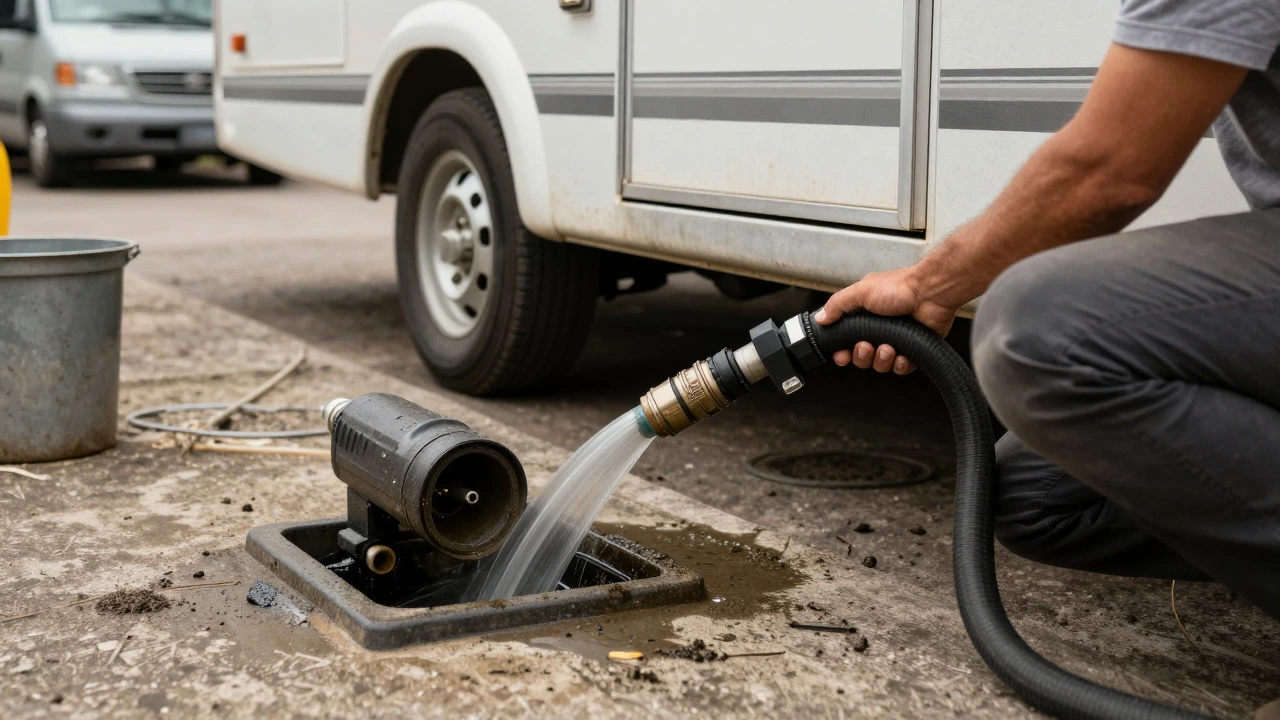
Dumping your tanks is not a glamorous task. You have to drive to a dump station, connect a hose, and watch sewage flow out of your vehicle into the ground. It smells, it’s messy, and it happens every few days if you have guests, or weekly if you’re careful. During winter, when you can’t use outdoor showers, your fresh water tank fills up quickly, forcing you to dump even more often. The mental load of constantly monitoring tank levels prevents true relaxation. You are always thinking about where the next dump station is.
Weather Extremes and Comfort Issues
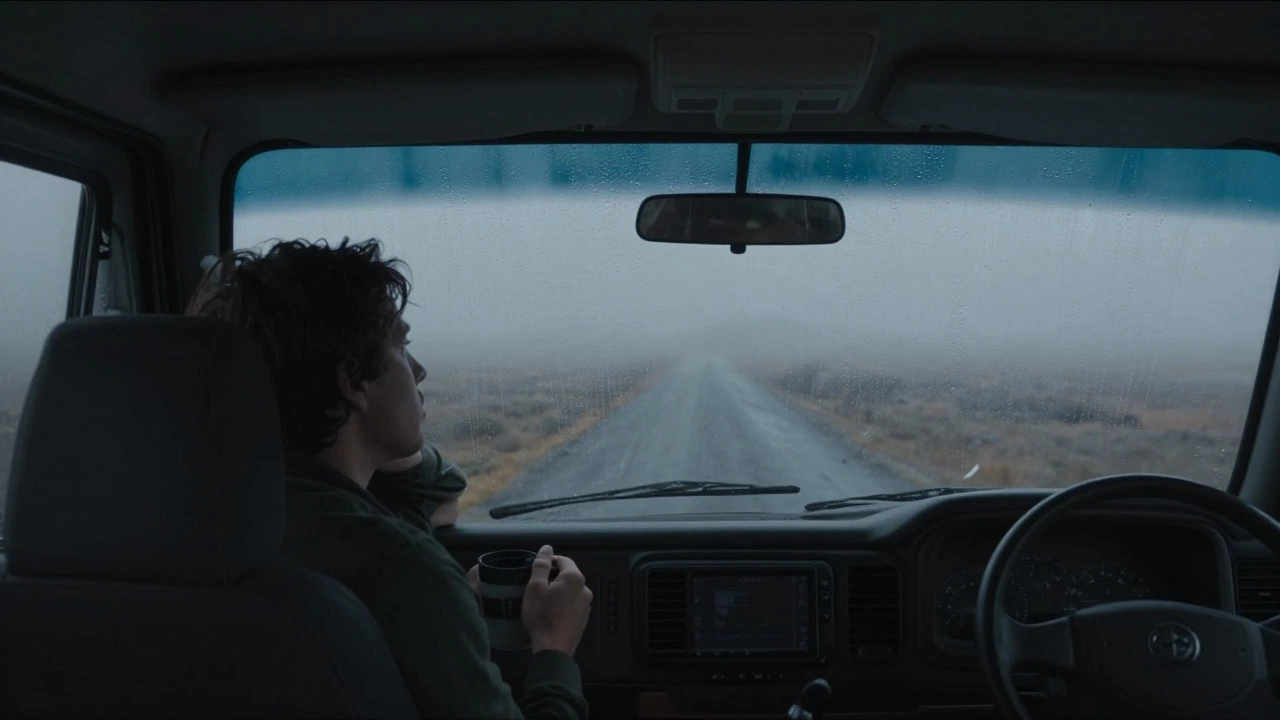
RVs are poorly insulated compared to traditional homes. In summer, the metal roof turns your rig into an oven. Air conditioners struggle to keep up, running constantly and draining your battery or costing a fortune in electric bills if hooked up. In winter, condensation is your enemy. Warm breath and shower steam hit cold walls and turn into water droplets. This leads to mold growth behind cabinets and under floors, a silent killer of RV interiors.
Boondocking in extreme weather is particularly challenging. Without hookups, you rely on batteries and solar panels. If it’s cloudy for three days, your power drops. You can’t run the AC, heat, or fridge reliably. You become dependent on the weather for your basic comfort. This limits where you can live. Many full-timers follow the "snowbird" route, moving south in winter and north in summer, which means you never truly settle anywhere.
Work-Life Balance and Connectivity
Remote work is popular among RVers, but reliable internet is not guaranteed. Cell service varies wildly by location. Even with Starlink or high-end mobile hotspots, speeds can drop during storms or in remote areas. Missing a Zoom call because your signal died is a real risk.
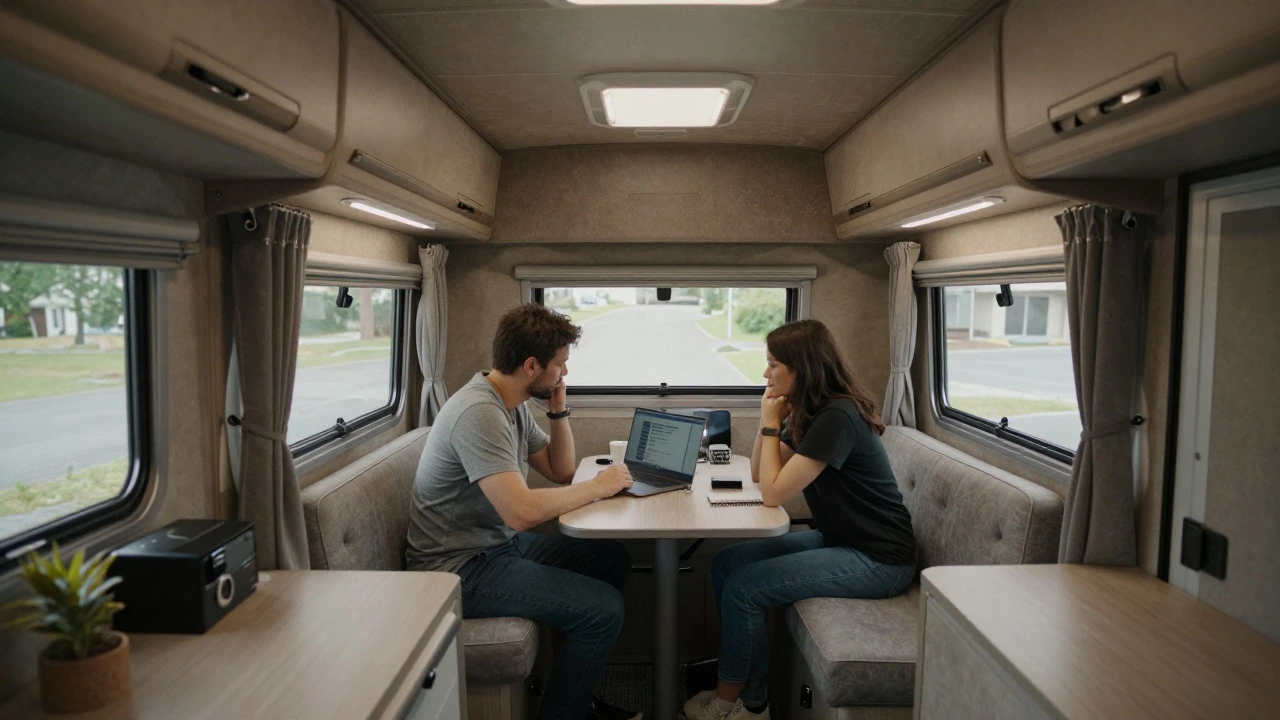
Furthermore, the lack of a dedicated office space blurs the lines between work and life. Your desk is likely your dining table. Your colleagues see your bed in the background. The constant movement disrupts routines. Laundry is done at laundromats, which takes time and money. Grocery shopping happens more frequently because you have limited fridge space. These small inefficiencies add up to hours of lost productivity each week.
Social Isolation and Community Challenges
While RV communities exist, they are transient. You make friends at one campground, then leave two weeks later. Building deep, long-term friendships is difficult when everyone is moving. This can lead to profound loneliness, especially for older adults or those traveling alone.
Additionally, some towns and neighborhoods are hostile to full-time RVers. Local ordinances often prohibit living in an RV on private property for more than a certain number of days. Finding legal places to stay long-term can be a bureaucratic nightmare. You may find yourself parking in Walmart lots or rest stops, which are designed for short stays, not living. This creates a sense of illegitimacy and insecurity.
When to Choose Motorhome Hire Instead
Given these downsides, many people find that motorhome hire is a smarter option. Renting allows you to experience the freedom without the burden of ownership. You don’t worry about maintenance, depreciation, or storage. You return the vehicle when the novelty wears off or the logistics become too stressful.
For families, renting provides a trial period. You can test if your kids adapt to small spaces and irregular schedules. If they hate it, you haven’t sunk $100,000 into a purchase. It also avoids the hassle of selling the RV later, a process that can take months and result in significant financial loss.
Is full-time RV living cheaper than renting an apartment?
Not necessarily. While you save on rent, costs for campgrounds, fuel, insurance, and maintenance often equal or exceed apartment rent. You also lose economies of scale on groceries and utilities. It is only cheaper if you boondock extensively and minimize driving.
How do you handle laundry in an RV?
Most full-timers use local laundromats. Some install compact washer-dryer combos in their RVs, but these use significant water and electricity, requiring careful management of tanks and power sources. Laundromats are generally more efficient and less stressful.
Can you work remotely effectively from an RV?
Yes, but it requires planning. You need robust internet solutions like Starlink or multiple cellular data plans. You must also manage distractions and lack of privacy. Jobs that require strict schedules or high-bandwidth video calls can be challenging in remote areas.
What are the biggest health risks of full-time RV living?
Mold exposure from poor ventilation and condensation is a major risk. Limited space can also impact physical activity and mental health due to confinement. Access to healthcare can be difficult if you live in remote areas, making emergencies more dangerous.
Is it legal to live in an RV full-time everywhere?
No. Many municipalities have zoning laws that prohibit living in vehicles on private property. You must check local ordinances. Legal options include RV parks, designated boondocking areas on public land, and some private land agreements, but rules vary widely by state and country.