The Prettiest Place in Michigan: A Guide to Forest Campsites
 Nov, 22 2026
Michigan Forest Campsite Finder
Not sure where to pitch your tent? Answer a few questions about your ideal trip, and we'll recommend the prettiest forest spot in Michigan for you.
You know that feeling when you step out of your car and the air just hits different? It’s crisp, smells like pine needles and damp earth, and suddenly your shoulders drop two inches. That’s what people are hunting for when they ask, what is the prettiest place in Michigan? The truth is, there isn’t one single spot that holds the crown forever. Beauty here shifts with the seasons, the light, and what kind of quiet you’re craving. But if you want to find it, you need to look away from the crowded tourist traps and head into the deep woods.
Michigan has over 100 state parks and hundreds of miles of forest trails, so picking a favorite feels impossible until you break it down by experience. Are you chasing waterfalls? You’ll want the Upper Peninsula. Do you love dunes meeting forests? Try Sleeping Bear Dunes National Lakeshore. But for pure, unadulterated forest beauty that makes you feel small in the best way, we need to talk about the places where the trees do the talking.
The Case for Pictured Rocks National Lakeshore
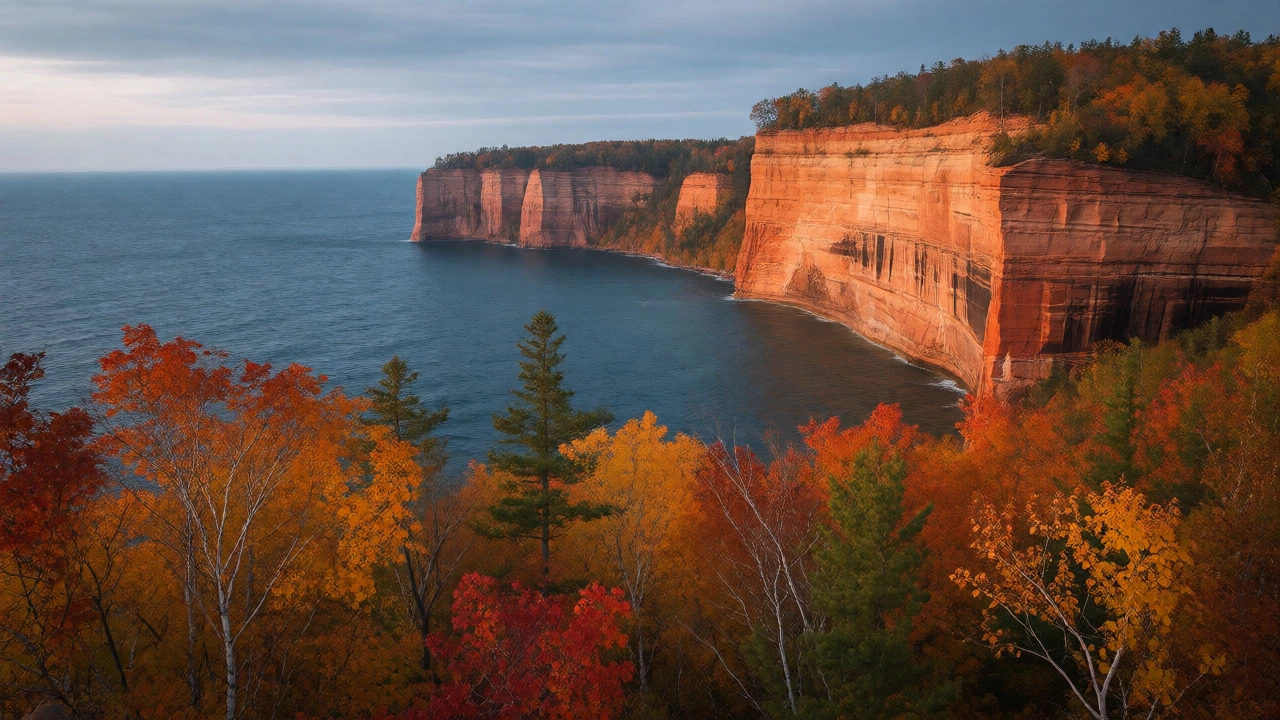
If you only have time for one trip, start at Pictured Rocks National Lakeshore. This isn't just a pretty park; it's a geological masterpiece along the southern shore of Lake Superior. The cliffs here rise up to 200 feet high, streaked with iron oxides that paint them orange, red, and black. When the sun hits them just right, especially during the fall foliage season, the contrast against the deep blue water is jaw-dropping.
But the real magic happens when you leave the main overlooks. The Miners Castle area gets all the attention, but the trails leading inland through the hardwood forests are where the solitude lives. You’re walking under canopies of maple, birch, and beech trees that turn fiery red and gold in October. The ground is soft with moss, and the silence is broken only by the wind in the branches or the distant crash of waves on the rocks below.
| Location | Best For | Campsite Vibe | Peak Season |
|---|---|---|---|
| Pictured Rocks | Cliff views & waterfalls | Rugged & Remote | Late Sept - Oct |
| Porcupine Mountains | Old-growth forests | Wild & Quiet | Summer & Fall |
| Sleeping Bear Dunes | Dune hikes & lake views | Bustling & Family-friendly | June - Aug |
| Huron-Manistee NF | Backpacking & isolation | Primitive & Dispersed | All Year |
Why the Porcupine Mountains Might Steal Your Heart
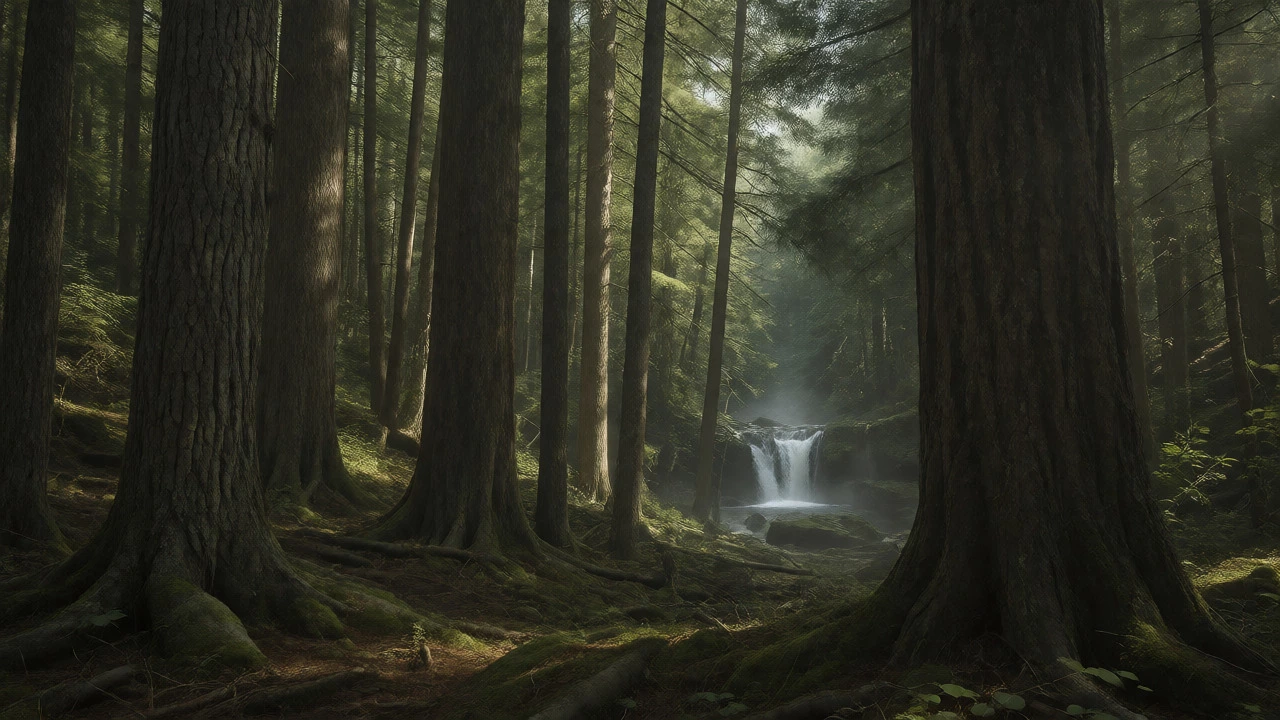
While Pictured Rocks offers dramatic verticality, the Porcupine Mountains Wilderness State Park offers something rarer: old-growth stability. Located in the western Upper Peninsula, this park protects some of the oldest white pines and hemlocks in the Midwest. Walking through the Big Tree Trail is a humbling experience. These trees have stood for centuries, their trunks thick and wide, creating a cathedral-like atmosphere that feels ancient and permanent.
This is arguably the prettiest place in Michigan if you define beauty as tranquility and scale. The Presque Isle River cuts through the park, offering multiple waterfalls that cascade over rocky ledges. Unlike the commercialized spots, many of these falls require a hike to reach, which keeps the crowds thin. You can camp at the Union Creek Campground, which sits right near the river mouth. Waking up to the sound of rushing water and the sight of mist rising off Lake Superior is an experience that stays with you long after you’ve packed up your tent.
Finding Solitude in the Huron-Manistee National Forest
If you’re looking for forest campsites that feel truly wild, skip the state park reservations and head south to the Lower Peninsula’s largest protected area: the Huron-Manistee National Forests. Here, you can practice dispersed camping, meaning you can pitch your tent almost anywhere outside of developed areas. The landscape is a mix of rolling hills, clear lakes, and dense northern hardwood forests.
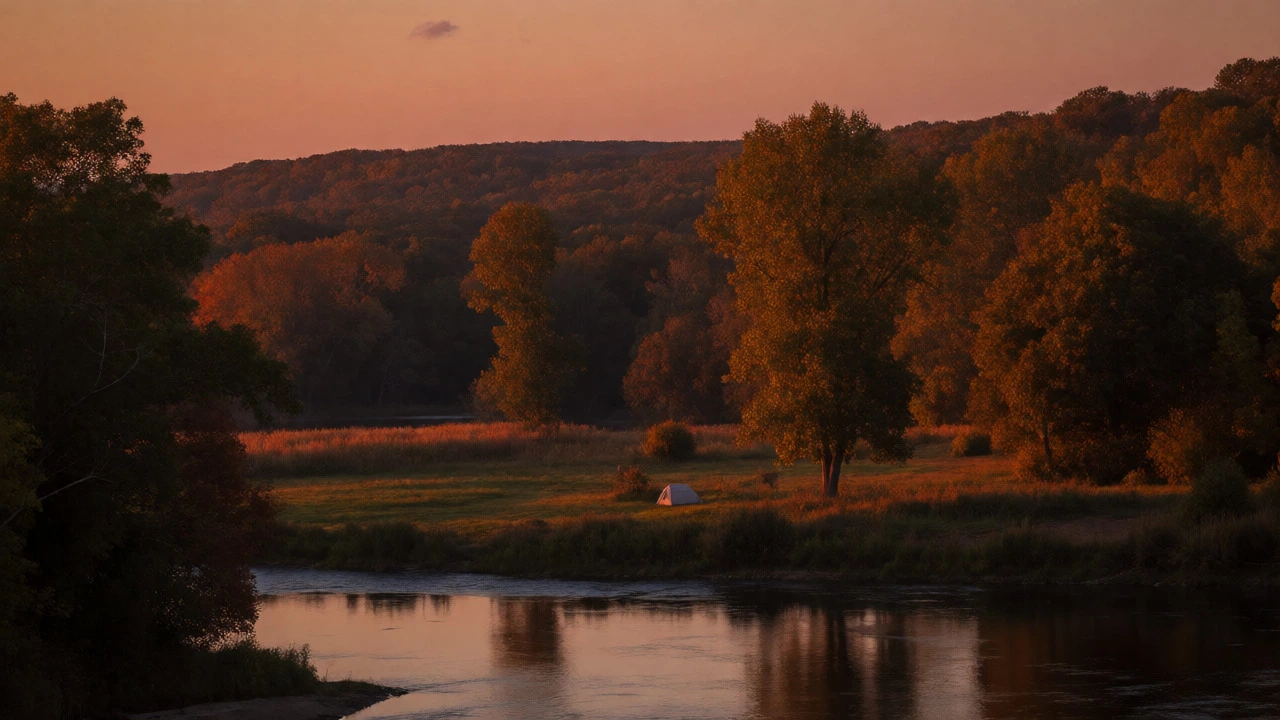
The Manistee River corridor is particularly stunning. In autumn, the sugar maples lining the river banks create a tunnel of color that reflects in the slow-moving water. Because this area sees fewer tourists than the Great Lakes shoreline, you get a sense of ownership over the view. You might see a deer cross the trail or hear the call of a loon echoing across a nearby lake. It’s raw, unfiltered nature, perfect for those who want to disconnect completely.
Seasonal Shifts: When Does Michigan Peak?
Beauty in Michigan is a moving target. Summer brings lush greenery and long days, but it also brings humidity and bugs. Winter transforms the forests into snow-covered wonderlands, ideal for cross-country skiing but tough for casual campers. The sweet spot for most visitors is late September through mid-October.
During this window, the fall foliage reaches its peak intensity. The change isn’t uniform; it moves from north to south. If you miss the peak in the Upper Peninsula, you can drive down to the Traverse City area or the Thumb region and catch it again. Planning around the leaf peeper calendar is crucial. Check local updates before booking, because once the leaves drop, the charm fades quickly.
- September: Best for hiking in the UP. Cooler temps mean less sweat and fewer mosquitoes.
- October: Prime time for photography. The colors are vibrant, and the air is crisp.
- November: Quiet and moody. Good for solitude, but facilities may close early.
Practical Tips for Camping in Michigan’s Forests
So you’ve picked your spot. Now, how do you actually enjoy it without misery? First, respect the weather. Michigan weather changes fast. One minute it’s sunny, the next it’s pouring rain. Pack layers, even in summer. A good rain jacket and waterproof boots are non-negotiable.
Second, book ahead. Popular sites like those in Pictured Rocks or Porcupine Mountains fill up months in advance. Use the Michigan Department of Natural Resources (DNR) website to secure your reservation. If you’re flexible, look for private campgrounds nearby-they often have last-minute cancellations.
Third, practice Leave No Trace principles. These forests are fragile. Don’t cut down trees for firewood; buy it locally to prevent invasive species spread. Pack out all trash, including food scraps. Bears and raccoons are active year-round, so store your food properly in bear boxes or hung bags.
Alternatives for Different Travel Styles
Not everyone wants to rough it. If you prefer amenities with your scenery, consider the Traverse City area. While not strictly "forest" in the remote sense, the vineyards and orchards nestled among the trees offer a softer, more luxurious version of natural beauty. You can stay in cabins with Wi-Fi and still wake up to bird songs.
For families, Isle Royale National Park is a unique contender. Accessible only by ferry or seaplane, this island in Lake Superior has no cars and very few people. The moose population outnumber the humans, and the forests are untouched. It’s expensive and logistically complex, but for true wilderness lovers, it’s the ultimate prize.
Final Thoughts on Finding Your Spot
There is no objective answer to "the prettiest place," but there is a right answer for you. If you crave drama and scale, go to Pictured Rocks. If you want ancient silence, choose the Porcupine Mountains. If you seek freedom and solitude, head to the Huron-Manistee forests. Each location offers a distinct slice of Michigan’s natural soul. The key is to align your expectations with the reality of the location. Plan your trip around the season, pack smart, and give yourself time to wander off the beaten path. That’s where the real beauty hides-not in the postcard photo, but in the quiet moment between the trees.
What is the most scenic campground in Michigan?
While subjective, Union Creek Campground in the Porcupine Mountains is often cited for its proximity to waterfalls and old-growth forests. For cliff views, the Au Train Falls Campground near Pictured Rocks offers stunning vistas of Lake Superior.
When is the best time to visit Michigan for fall colors?
The Upper Peninsula usually peaks in late September to early October. The Lower Peninsula follows shortly after, peaking in mid-October. Always check the DNR’s weekly leaf peeper report for accurate timing.
Can I camp anywhere in Michigan forests?
In National Forests like Huron-Manistee, dispersed camping is generally allowed outside of developed recreation sites. However, rules vary by district, and some areas prohibit camping within 200 feet of water. Always verify local regulations before setting up your tent.
Are bears common in Michigan campgrounds?
Yes, black bears are present throughout Michigan, especially in the Upper Peninsula and northern Lower Peninsula. They are generally shy but can be attracted to food. Proper food storage is essential to keep both you and the bears safe.
What should I pack for camping in Michigan?
Pack layered clothing, waterproof boots, insect repellent, a reliable tent, and bear-resistant food containers. Even in summer, nights can get cold, so bring a sleeping bag rated for lower temperatures than expected.