The 2-2-2 Rule for Camping: A Simple Guide to Packing Light
 Aug, 3 2026
Camping Load Calculator
Your 2-2-2 Packing List
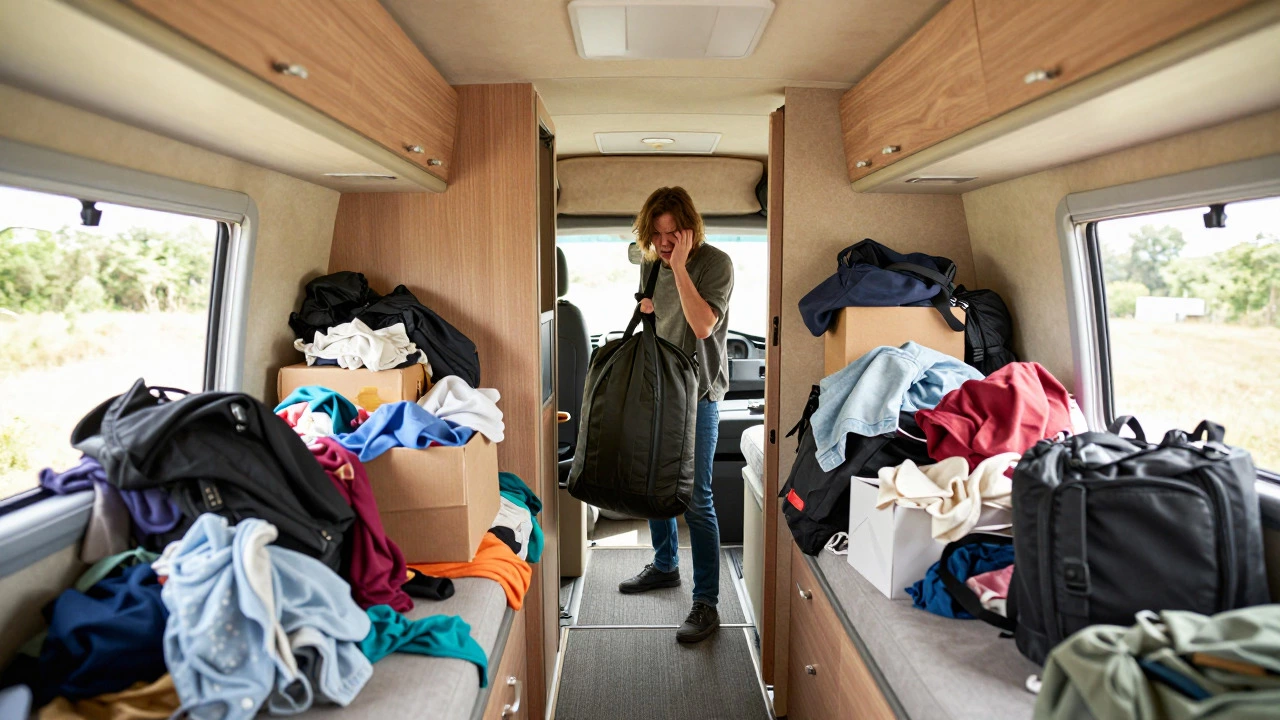
Picture this: You’re standing at the back of your motorhome or staring down into the trunk of your car. The holiday starts in two hours, but you can’t find a single square inch of space for that extra bag of ice cream. Sound familiar? It’s the classic camper’s dilemma. We pack for every possible scenario-rain, shine, sudden snowstorms, and formal dinners-only to realize we’ve packed ourselves into suffocation.
Enter the 2-2-2 rule. It’s not just a catchy phrase; it’s a practical framework used by seasoned travelers to cut through the clutter. If you’ve been struggling with heavy loads, disorganized gear, or the stress of overpacking, this method might be the reset button your next trip needs.
What Exactly Is the 2-2-2 Rule?
The core concept is brutally simple. When planning what to bring on a camping trip, especially when space is tight like in a compact van or a small tent, you limit yourself to specific quantities of key items. While variations exist, the most common interpretation focuses on clothing and essential gear:
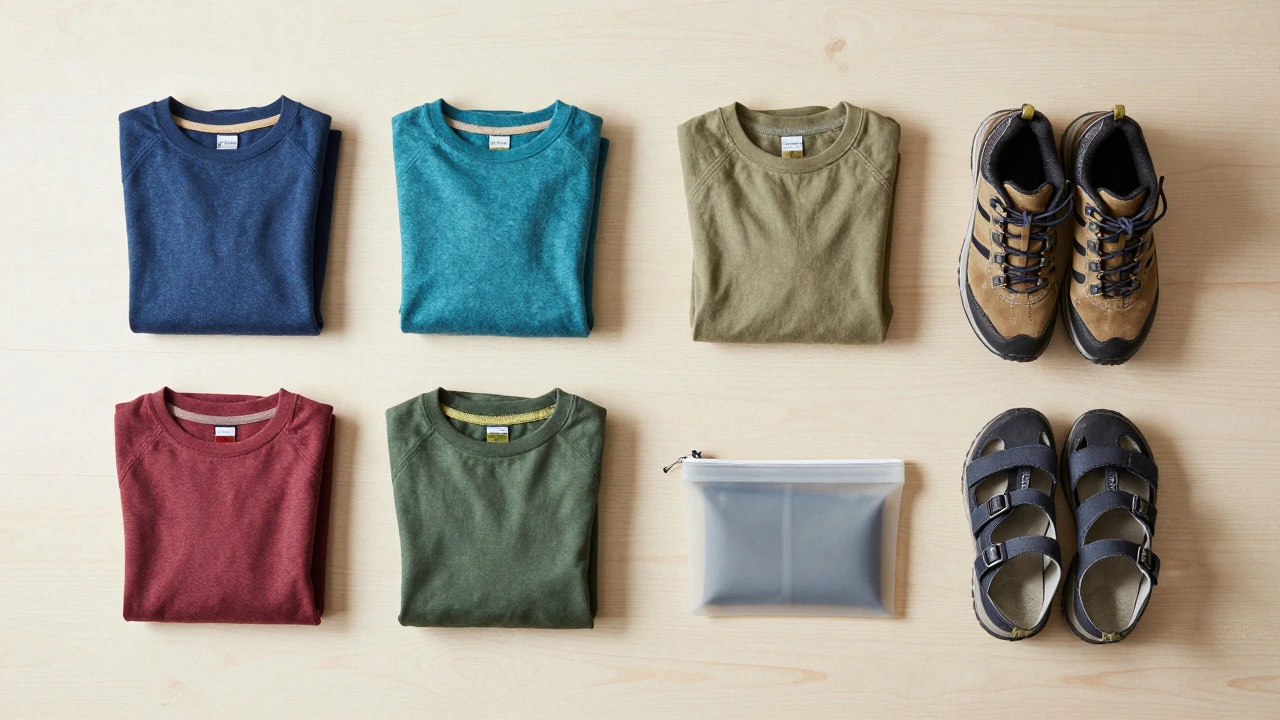
- Two outfits per day: One you wear, one spare. Or, more commonly for longer trips, two complete sets of clothes regardless of duration.
- Two pairs of footwear: Typically, one sturdy pair for hiking or work, and one comfortable pair for relaxing around the campsite.
- Two toiletry kits: Or two sets of hygiene essentials, often split between wet (shampoo/soap) and dry (toothbrush/paste) zones to manage moisture.
Some versions tweak these numbers slightly-perhaps "two shirts, two pants, two socks"-but the principle remains identical: impose strict numerical limits on categories that tend to balloon out of control. This isn't about suffering; it's about intentionality. By capping your options, you force yourself to choose versatile, high-quality items rather than accumulating duplicates that sit unused in a drawer.
Why This Works Especially Well for Motorhomes
You might wonder why a rule designed for backpackers applies to motorhomes, which seem to have plenty of storage. Here’s the catch: motorhomes are deceptively cramped. While they offer more space than a tent, they lack the vertical storage solutions of a house. Every cabinet door opens into a confined area, and if you pack loosely, items slide around, creating chaos while driving.
In Perth, where I see many locals converting vans for weekend getaways, the biggest complaint isn’t lack of room-it’s the time spent digging through piles of stuff to find the coffee filter. The 2-2-2 rule creates a mental inventory system. You know exactly where everything is because there’s less of it. For families, this means fewer arguments over who took whose shoes. For solo travelers, it means peace of mind knowing you haven’t forgotten anything critical because you’ve streamlined your choices.
How to Apply the Rule Step-by-Step
Adopting this mindset requires a shift from "just in case" to "just enough." Here’s how to break it down practically before you hit the road.
1. Clothing: The Two-Outfit Strategy
Instead of packing five t-shirts because you’re paranoid about sweat stains, pack two full ensembles. Choose fabrics that dry quickly and resist odors, like merino wool or synthetic blends. If you’re going to a beach site near Margaret River, one outfit might be shorts and a breathable shirt, while the second could be long pants and a light jacket for cooler evenings. Laundry becomes part of the routine, not an afterthought. Most campsites now offer washing facilities, or you can hand-wake items in the sink using biodegradable soap.
2. Footwear: Function Over Fashion
Limit yourself to two pairs. Pair A should be durable-think hiking boots or sturdy sneakers capable of handling uneven terrain. Pair B should be for comfort-sandals, slip-ons, or lightweight trainers for sitting around the fire pit. Avoid bringing "dress shoes" unless you’re attending a specific event. If you need versatility, choose neutral colors that match both outfits. This reduces decision fatigue in the morning when you’re rushing to set up camp.
3. Toiletries and Hygiene
This is where people often overpack. Stick to two containers or kits. One kit holds your daily essentials: toothbrush, paste, deodorant. The second handles body care: shampoo, conditioner, soap. Use travel-sized bottles or decant products into reusable silicone pouches to save space. Consider solid alternatives like shampoo bars, which eliminate liquid restrictions and spill risks. Keep these kits sealed in waterproof bags to protect them from dust and rain during transport.
Common Pitfalls and How to Avoid Them
Even with a clear rule, mistakes happen. Here are the usual suspects that derail minimalist packing.
- The "Just One More Thing" Trap: You think, "I’ll only need this sweater once." But that one sweater takes up space needed for something else. Ask yourself: Have I worn this in the last month? If not, leave it.
- Ignoring Weather Forecasts: The 2-2-2 rule assumes you check conditions. Don’t pack two heavy coats if it’s summer. Adapt the *type* of clothing, not the quantity. Swap winter gear for light layers instead of adding more items.
- Forgetting Versatility: A scarf can double as a blanket, a pillow, or sun protection. Multi-use items count toward your limit but provide extra value. Look for gear that serves multiple purposes without compromising quality.
Comparison: Traditional Packing vs. 2-2-2 Method
| Factor | Traditional Packing | 2-2-2 Rule |
|---|---|---|
| Weight Load | High (often exceeds vehicle limits) | Low (optimized for balance) |
| Organization Time | Long (digging through clutter) | Short (everything visible) |
| Flexibility | Rigid (hard to change plans) | High (easy to adapt) |
| Mental Stress | High (fear of forgetting) | Low (confidence in essentials) |
Expanding Beyond the Basics
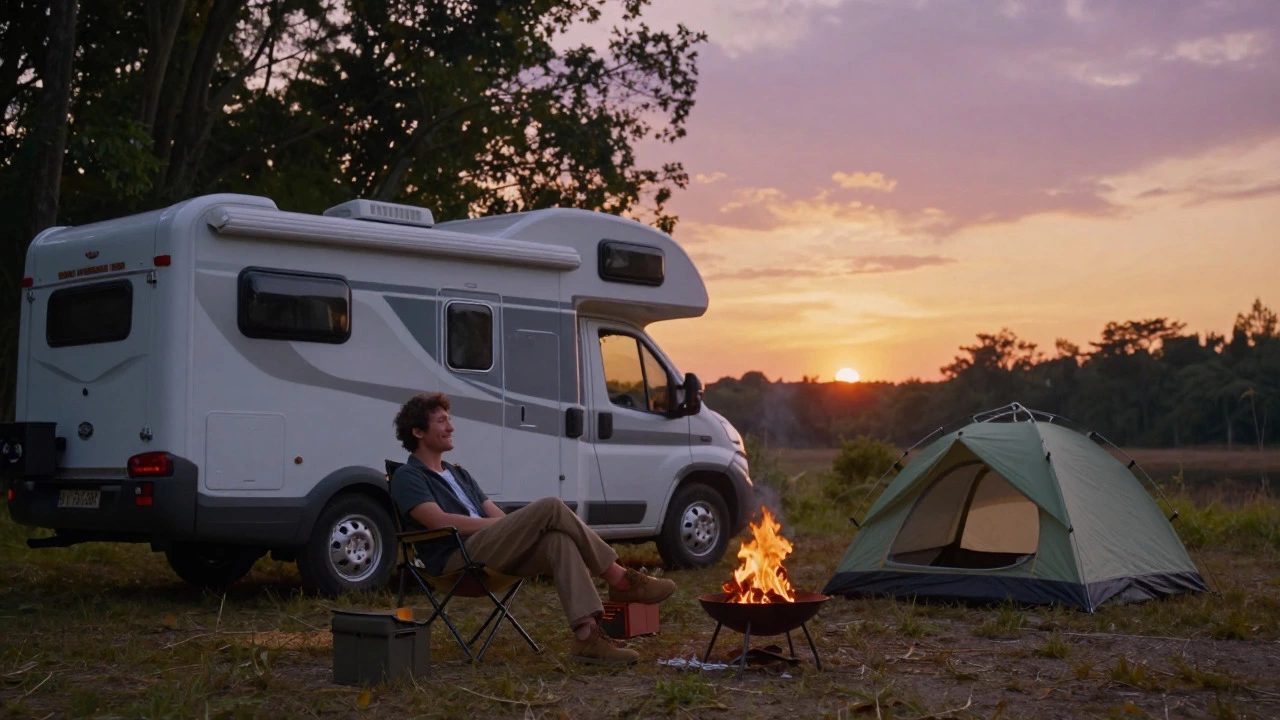
Once you master the core 2-2-2 structure, you can apply similar logic to other areas. Think about kitchenware: two pots, two plates, two utensils per person. Or electronics: two chargers, two power banks. The goal is to create a rhythm of simplicity. This approach doesn’t mean you sacrifice comfort; it means you prioritize experiences over possessions. When you arrive at the campsite, you spend less time unpacking and organizing, and more time setting up chairs and watching the sunset.
For those renting a motorhome, this rule also protects the vehicle. Less weight means better fuel efficiency and less strain on suspension systems. Rental companies appreciate clean, organized interiors, making checkout smoother. Plus, if you’re traveling with kids, teaching them the 2-2-2 rule instills early habits of responsibility and mindfulness about their belongings.
Final Thoughts on Minimalist Camping
The beauty of the 2-2-2 rule lies in its flexibility. It’s a starting point, not a rigid law. Adjust based on trip length, climate, and personal needs. But start with the constraint. You’ll likely find that you didn’t miss much-and gained a lot in terms of ease and enjoyment. Next time you plan a trip, try limiting your wardrobe and gear using this framework. You might be surprised by how much lighter your load feels, both physically and mentally.
Does the 2-2-2 rule apply to food supplies?
Not directly. Food depends on meal plans and dietary needs. However, you can apply the spirit of the rule by choosing versatile ingredients (like rice or pasta) that form the base of multiple meals, reducing the variety of items you need to carry.
Can I use this rule for a week-long trip?
Yes. With quick-dry fabrics and access to laundry facilities, two outfits can last a week. Many experienced campers wash clothes mid-trip or hand-wash them nightly. The key is selecting materials that maintain freshness longer.
What if I’m traveling with children?
Children often need more changes due to accidents or spills. Adjust the rule to three outfits per child, but keep footwear and toiletries limited. Involve kids in packing to teach them about minimalism and responsibility.
Is this rule suitable for cold weather camping?
In cold climates, layering is crucial. Instead of two bulky coats, pack two sets of layers: base, mid, and outer shells. This maintains the spirit of limitation while ensuring warmth through strategic combinations rather than volume.
How do I handle unexpected events like rain?
Include a waterproof jacket and pants within your two-outfit allowance. Choose gear that transitions well between wet and dry conditions. Having a dedicated rain layer ensures you’re prepared without adding extra bulk.