Stress-Free Camping: How to Enjoy the Outdoors Without the Headaches
When you think of stress-free camping, a way to enjoy the outdoors without worrying about rules, bookings, or surprises. Also known as easygoing camping, it’s not about luxury tents or five-star sites—it’s about showing up, settling in, and actually relaxing. Too many people assume camping means fighting for a spot, getting fined for sleeping in the wrong place, or spending half your trip stressing over where to plug in the kettle. But it doesn’t have to be that way.
Wild camping, sleeping outside without a designated site. Also known as stealth camping, it’s legal in parts of Scotland, tolerated in some rural areas of England, and outright banned in others. The key isn’t just knowing where you can go—it’s knowing where you *won’t* get caught. That’s why the UK 36 rule, a guideline suggesting you stay at least 36 miles from a town or popular spot to avoid trouble matters. It’s not law, but it’s a smart buffer zone most experienced campers use to stay under the radar. Combine that with understanding the 28-day rule, the legal limit for camping on your own land without planning permission, and you’ve got a solid foundation for quiet, legal nights under the stars.
Booking a campsite shouldn’t feel like a lottery. Bots are snatching up last-minute spots faster than you can refresh your screen. But there are still ways to get a site without them—like showing up early on weekdays, targeting smaller sites off the main routes, or using walk-up spots where they’re allowed. And if you’re not into tents? A campervan, a self-contained vehicle with sleeping, cooking, and sometimes bathroom facilities gives you the freedom to move on if the spot doesn’t feel right. No need to pack up gear at 10 p.m. just because the site is full.
Stress-free camping isn’t about having the fanciest gear. It’s about knowing the rules before you go, picking spots that match your style, and avoiding the traps that turn a chill trip into a nightmare. Whether you’re sleeping in a tent on private land, rolling into a quiet caravan park after dark, or finding a hidden beach spot where no one else thinks to look—you can make it work. The posts below cover exactly how: where you can legally camp, how to avoid fines, what gear actually makes a difference, and how to book smarter—not harder. No fluff. Just real ways to make your next trip calm, legal, and completely yours.
-
 VIEW POST
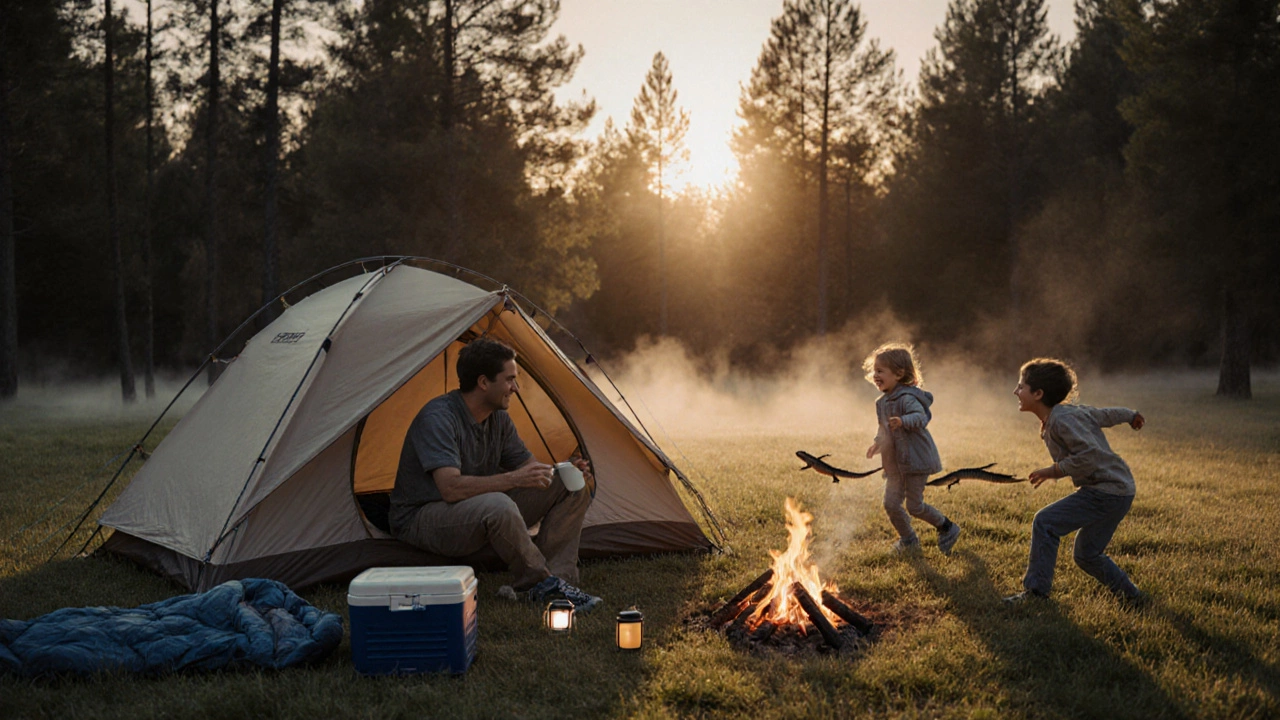
What Is Your Golden Rule When Camping? The One Thing That Keeps Families Safe and Happy
Nov, 18 2025|0 CommentsThe golden rule for family camping isn't about gear or location - it's about packing less so you can experience more. Learn how simplicity creates connection, reduces stress, and turns ordinary trips into unforgettable memories.