Smoking Outdoors Camping: Rules, Risks, and Safe Practices
When you’re smoking outdoors camping, the act of using tobacco or vaping products while staying in a campsite or natural area. Also known as outdoor smoking, it’s a common habit—but not always legal or safe. Many people assume that if they’re not inside a building, they’re free to smoke. But in the UK, that’s not true. Campgrounds, national parks, and even remote forest areas often have strict rules about smoking, especially near dry grass, tents, or fire pits.
Campfire smoking rules, local regulations that control where and how you can light up near open flames or flammable materials vary by region. In England, for example, some sites ban smoking entirely during dry seasons because a single cigarette butt can spark a wildfire. Even if you’re not near a fire, wind can carry embers dozens of yards. That’s why places like the Lake District and the Scottish Highlands have posted signs: No smoking within 50 feet of tents or woodland. And it’s not just about fires. Wildlife—especially deer and foxes—can be drawn to cigarette butts, mistaking them for food. That’s a hidden danger most campers never think about.
Vaping at campsites, using e-cigarettes or nicotine vaporizers in outdoor camping areas isn’t much safer. While vape pens don’t produce ash, they still carry fire risk from overheated batteries. There’s been a rise in campsite fires linked to vaping devices left in hot cars or near sleeping bags. Plus, many campsites treat vaping the same as smoking—banned near kitchens, fire rings, and children’s play areas. If you’re vaping because you think it’s "cleaner," think again. The law doesn’t care if it’s tobacco or nicotine liquid—it cares about safety and respect for others.
What about private land? In the UK, you can camp on your own property for up to 28 days a year without permission, but that doesn’t mean you can smoke anywhere on it. Local councils can still enforce environmental health rules, especially if smoke drifts to neighbors. And if you’re renting a pitch, the site owner can ban smoking outright. You won’t find that in the brochure. It’s often buried in fine print.
So what’s the real answer? If you must smoke, do it away from tents, dry grass, and other people. Use a metal ashtray—not a plastic bottle. Never toss a butt on the ground. Carry a small tin or ziplock bag to collect butts until you reach a proper bin. And if you’re vaping, keep your device cool, charged, and never leave it unattended. The safest option? Save it for your car or a designated smoking area. Most campsites have them. If they don’t, ask. Most managers will tell you exactly where it’s allowed.
You’ll find posts here that dig into the details: how vaping bans are enforced in forests, why some UK campsites are going smoke-free, and what happens if you get caught smoking where it’s forbidden. There’s also advice on how to pack smart—what gear to bring so you don’t end up breaking rules or risking a fire. This isn’t about stopping you from smoking. It’s about helping you do it without getting fined, scaring other campers, or accidentally starting a blaze that could destroy acres of woodland. The road’s wide open. But the rules? They’re not.
-
 VIEW POST
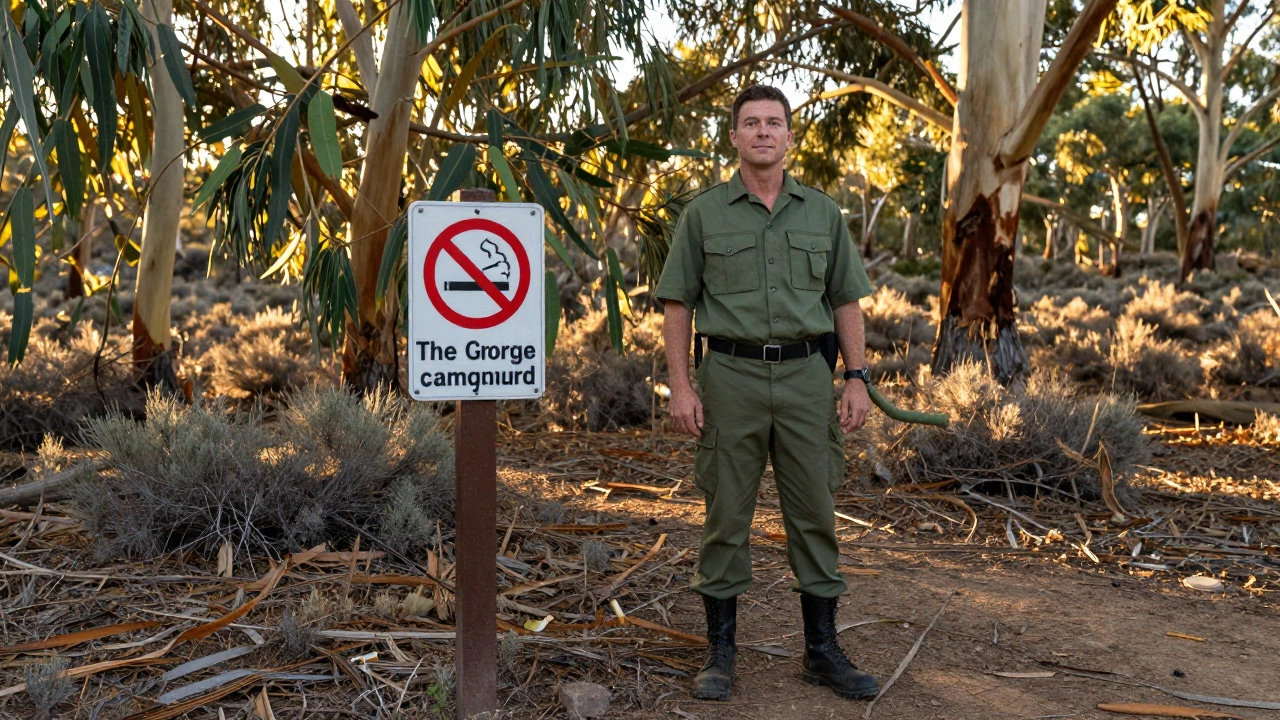
Can You Smoke at The Gorge Camping? Rules and Risks Explained
Dec, 1 2025|0 CommentsSmoking at The Gorge camping is banned in most areas due to extreme fire risk. Learn where you can smoke, the fines for breaking rules, and safer alternatives for campers.