Smoking in Forest Campsites: Rules, Risks, and What You Can Do Instead
When you're out in the woods, a cigarette or vape might feel like a quiet reward after a long hike—but smoking in forest campsites, the act of lighting up near trees, dry grass, or shared camping areas is far more dangerous than most people realize. It’s not just about ash or smell—it’s about sparks, embers, and wind that can turn a simple smoke break into a wildfire. In the UK, where dry summers and dense woodlands make fires spread fast, many forest campsites outright ban smoking, and for good reason. A single lit cigarette dropped on dry leaves can burn hundreds of acres before anyone notices.
It’s not just forest campsites, designated areas in wooded public lands where motorhome and tent campers stay overnight that have rules. National forests, woodlands managed by Forestry England, and even private campsites often post clear signs: No Smoking. Why? Because campfires, barbecues, and yes—even vaping—can ignite under the right (or wrong) conditions. In 2022, a smoker’s cigarette caused a fire in the New Forest that destroyed 12 hectares of protected land. No one was hurt, but the cost to repair the ecosystem ran into six figures. And it wasn’t an accident—it was preventable. Even if you’re careful, wind can carry a glowing ember far beyond your control. That’s why many sites treat smoking like an open flame: it’s regulated, not tolerated.
Some people think, "But I only smoke outside my van," or "I use a lighter, not a match." But rules aren’t made for perfect people—they’re made for the ones who forget, who get distracted, who think "it won’t happen to me." If you’re camping near heathland, peat bogs, or pine forests, the risk is higher. Dry grass, dead branches, and low humidity make ignition easy. Even if your site doesn’t have a sign, assume smoking is banned unless you see a designated smoking area with a proper ashtray. And if you’re unsure? Ask the site manager. Most will tell you exactly where you can smoke—or if you need to wait until you’re back at a paved parking area.
What can you do instead? If you need a break, step away from the trees. Walk to a paved road, a gravel parking spot, or your own vehicle’s open door—anywhere with no dry vegetation nearby. Carry a metal tin with a tight lid for cigarette butts—never toss them on the ground, even if they’re "out." And if you vape, remember: vaping in forest campsites, using electronic nicotine devices in outdoor camping areas is often banned for the same reasons. The vapor isn’t harmless—it can carry fine particles that irritate wildlife and mask natural scents animals rely on. Plus, battery malfunctions can spark fires too.
There’s no gray area here: smoking in forest campsites is a high-risk behavior with low reward. The freedom of the open road doesn’t mean you get to ignore nature’s rules. The best campers aren’t the ones who push boundaries—they’re the ones who respect them. You’ll find plenty of posts below that cover real cases, local laws across the UK, and safer ways to enjoy your trip without putting forests, animals, or other campers at risk. Whether you’re in the Lake District, the Scottish Highlands, or a quiet corner of Dartmoor, the right choice isn’t about convenience—it’s about responsibility.
-
 VIEW POST
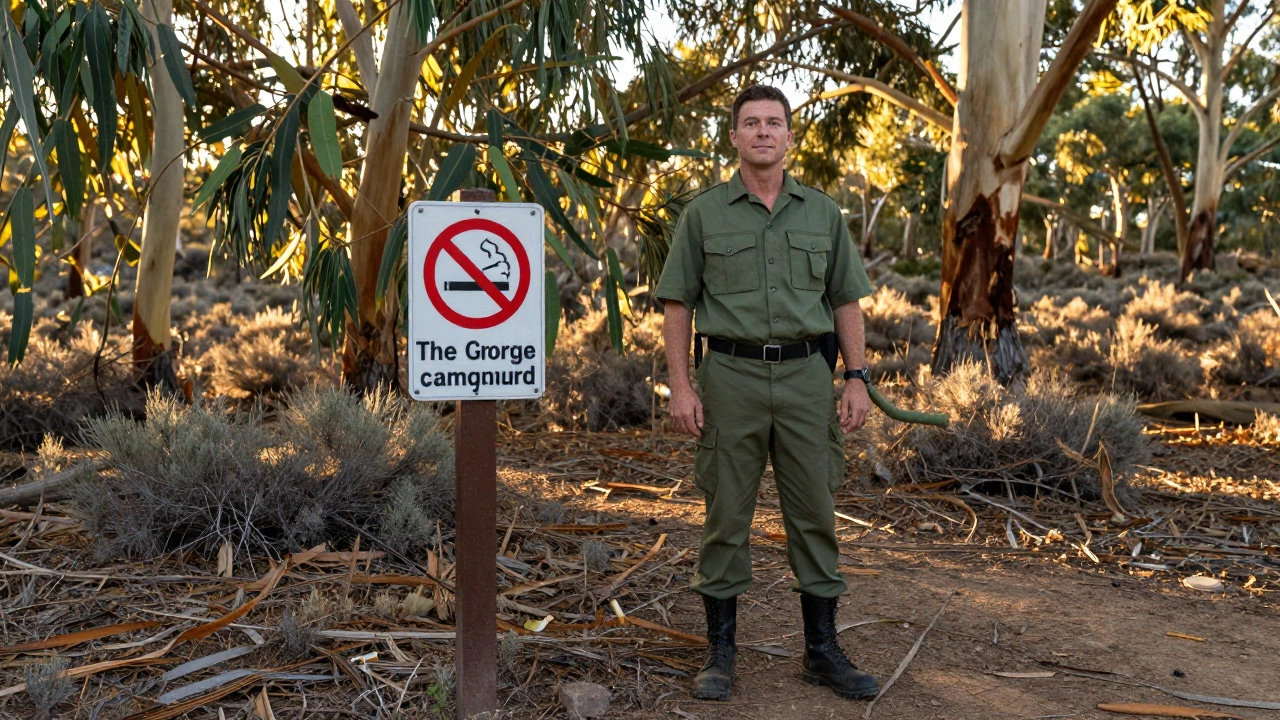
Can You Smoke at The Gorge Camping? Rules and Risks Explained
Dec, 1 2025|0 CommentsSmoking at The Gorge camping is banned in most areas due to extreme fire risk. Learn where you can smoke, the fines for breaking rules, and safer alternatives for campers.