Safe Overnight Parking for Motorhomes: Where to Stop Legally and Safely
When you're on a motorhome road trip, safe overnight parking, a legal and secure place to stop your vehicle for the night. Also known as RV overnight stops, it's not just about finding a flat spot—it's about avoiding fines, staying safe, and getting a good night’s sleep without worrying about being moved on. In the UK, where wild camping is mostly illegal outside Scotland, knowing where you can legally park overnight isn’t optional. It’s the difference between a peaceful stop under the stars and a knock on your door at 3 a.m.
You can’t just pull over on the side of the A1 or park by a lake because it looks nice. Many places that seem perfect—beaches, laybys, country lanes—are off-limits. Local councils enforce bylaws, and landowners don’t take kindly to uninvited guests. But that doesn’t mean you’re stuck paying for expensive campsites every night. There are legal, free, and safe options if you know where to look. wild camping UK, sleeping outside without formal facilities on public or private land. Also known as dispersed camping, it’s tightly restricted in England and Wales, but there are exceptions in national forests, certain coastal areas, and with landowner permission. Then there’s legal camping spots, designated areas where overnight stays are permitted, often with basic amenities. Also known as authorized RV stops, these include service areas, approved parking zones, and some National Trust sites that allow overnight parking for motorhomes. These spots are often quiet, well-lit, and monitored—exactly what you want after a long day on the road.
Some drivers use apps or forums to find hidden gems—discreet pull-offs near hiking trails, church car parks that turn a blind eye, or even farm gates where owners let you stay for a small donation. Others rely on dedicated motorhome parking apps that show real-time availability and user reviews. But even the best spots come with rules: no awnings, no generators, no littering, and no staying more than one night unless posted otherwise. And don’t assume that if you’re not causing trouble, you’re fine. In many places, just being there overnight is enough to get you fined.
The key is planning. Don’t wait until sunset to figure out where to stop. Check local council websites, use the Park4Night app, or look for official motorhome parking signs. Some places like the Lake District, Dartmoor, and parts of the North York Moors have specific parking zones for campers. Others, like coastal towns in Cornwall or Pembrokeshire, allow short-term overnight parking if you’re not setting up camp. The same goes for service stations—many motorway service areas now have designated motorhome bays with waste disposal and water taps, and they’re often open 24/7.
And while you’re at it, remember that safety isn’t just about legality. A dark, isolated layby might be quiet, but it’s also risky. Pick spots with good lighting, some foot traffic, and clear visibility. Avoid ditches, steep slopes, or areas with broken fences. Lock your doors. Keep valuables out of sight. And if you’re unsure, ask. Most locals will tell you if it’s okay—or steer you toward a better spot.
Below, you’ll find real stories from fellow motorhome travelers who’ve been there—where they got caught, where they got lucky, and how they learned to park smart. Whether you’re new to the road or a seasoned camper, these guides will help you avoid the pitfalls and find the best places to rest your wheels, legally and safely.
-
 VIEW POST
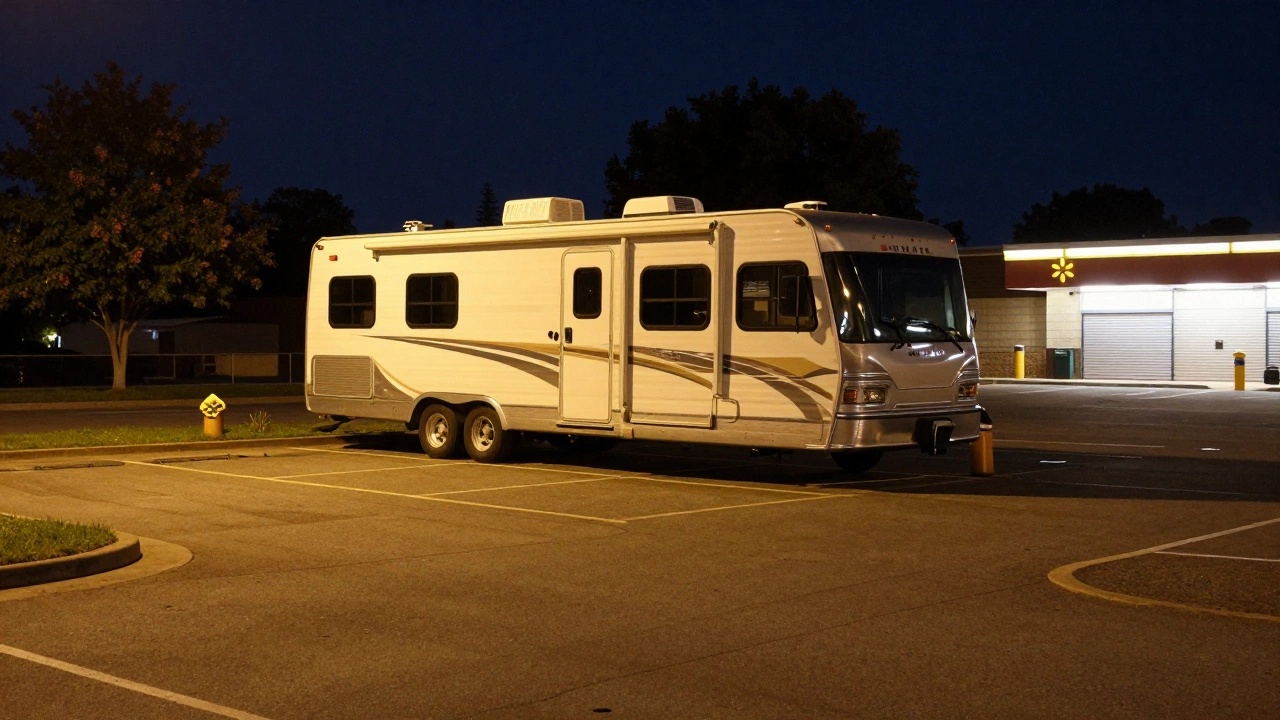
Is Boondocking at Walmart Safe? What You Need to Know Before Sleeping in the Parking Lot
Dec, 1 2025|0 CommentsWalmart boondocking is a popular but risky option for RVers. Learn when it's safe, how to avoid trouble, and what to do if you're asked to leave - plus better alternatives for overnight parking.