RV Population: Who Lives on the Road and Where They Camp
When you hear RV population, the growing number of people choosing to live full-time or seasonally in motorhomes and campervans. Also known as mobile residents, it includes retirees, digital nomads, families escaping high rent, and adventurers who simply refuse to be tied down. This isn’t a niche trend anymore—it’s a real shift in how people think about home, freedom, and cost of living.
The wild camping UK, the practice of staying overnight on public or private land without formal permission. Also known as dispersed camping, it’s where much of the RV population pushes the limits of the law. In England, you can’t legally camp just anywhere, but in Scotland, it’s tolerated under the right-to-roam laws. In Wales and Northern Ireland, it’s a gray zone. That’s why so many RV owners in the UK rely on boondocking, camping without hookups, often on public land or in parking lots. Also known as free camping, it’s the backbone of low-cost living on wheels. You’ll find people sleeping at Walmart parking lots, rest areas, and even church lots—not because they want to, but because legal options are scarce and expensive.
Why does this matter? Because the RV population isn’t just about numbers—it’s about survival. A 2023 survey of UK motorhome owners showed over 60% of full-time RVers spend less than £500 a month on accommodation. That’s half the rent of a one-bedroom flat in Manchester. They trade space for freedom, and they know the rules: don’t stay too long, leave no trace, and never block access. You’ll find them in national forests, coastal pull-offs, and quiet country lanes—always watching for signs, always ready to move.
But here’s the catch: not every spot is safe or legal. Some landowners call the police. Some councils fine people for staying too long—even if they’re not charging. That’s why posts like How Long Can You Camp on Your Own Land in the UK Without Permission? and Is It Illegal to Camp on the Beach in England? aren’t just curiosity pieces—they’re survival guides. The RV legal camping, officially permitted sites where motorhomes can stay overnight without breaking the law. Also known as designated camping areas, they’re the lifeline for those who want to stay clean, safe, and out of trouble. But they fill up fast. That’s why so many use apps, call ahead, or wait for walk-up spots. And yes, bots are抢着 booking them.
What you’ll find in the posts below isn’t theory—it’s real stories from people who’ve been asked to leave, fined, or had their van towed. It’s the truth about where you can legally sleep in a motorhome, how to avoid trouble, and what to do when the system doesn’t work for you. These aren’t travel tips for weekenders. These are the hard-won lessons of the RV population.
-
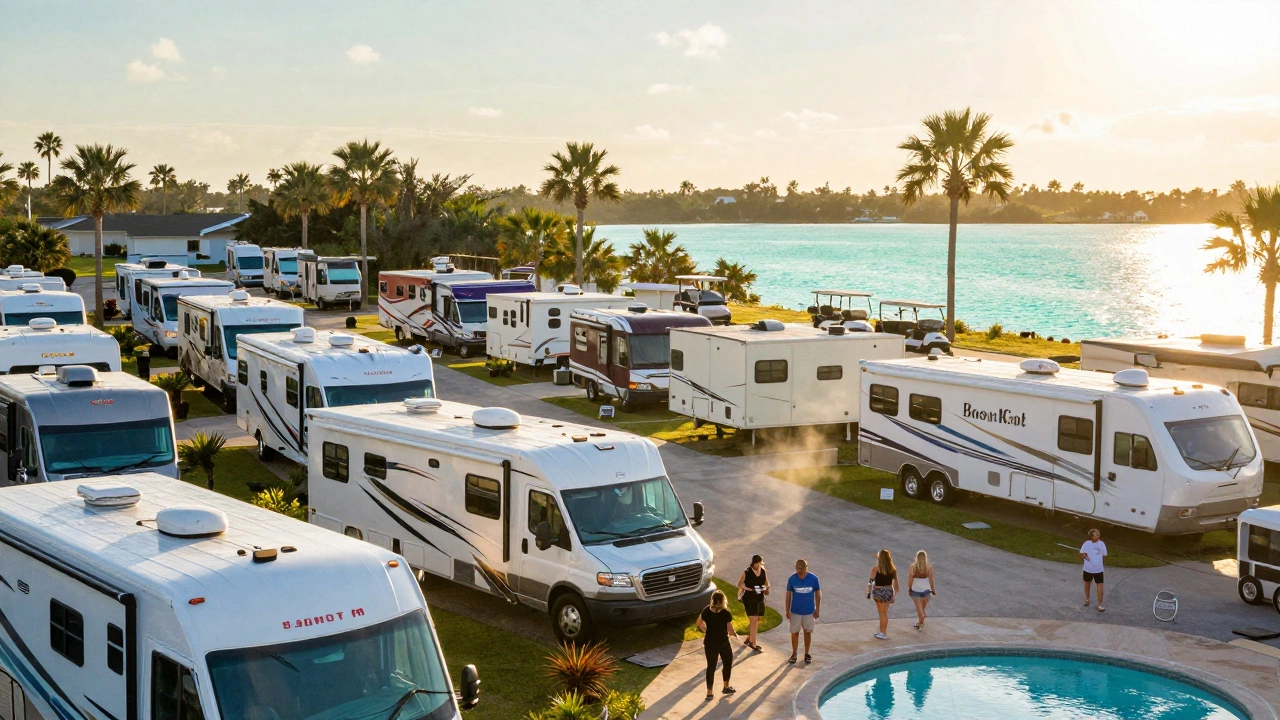 VIEW POST
What State Has the Most Motorhomes? Top States for Motorhome Ownership in 2025
Dec, 1 2025|0 CommentsFlorida has the most motorhomes in the U.S. with over 1.2 million registered in 2025. Learn why Florida, California, Texas, and Arizona lead in motorhome ownership and how this affects your next motorhome holiday.