RV camping without fees: Where to camp free in the UK and how to do it right
When you’re traveling in a motorhome, RV camping without fees, camping without paying for a site, often called wild camping or boondocking. Also known as free camping, it’s the heart of the road trip dream—no reservations, no fees, just you and the landscape. But in the UK, it’s not as simple as pulling off the road and pitching a tent. The law is messy, the land is controlled, and getting caught can mean a fine—or worse. So where can you actually do it legally? And how do you do it without ruining the experience—or getting penalized?
Many people think wild camping, sleeping overnight on public or private land without permission. Also known as dispersed camping, it’s a practice that varies wildly across the UK. In Scotland, it’s mostly legal if you’re quiet, leave no trace, and don’t stay too long. In England and Wales? It’s mostly illegal unless you’re on designated land. But that doesn’t mean you can’t do it safely. Places like Forestry Commission land, some coastal areas, and remote moorlands quietly allow it—especially if you’re in a motorhome and not setting up a tent. The key isn’t just legality—it’s respect. No loud music. No litter. No blocking gates. No staying more than a night or two. And never, ever camp right next to a farmhouse or a public footpath.
Then there’s boondocking, the term used by motorhome travelers for self-sufficient camping off-grid, without hookups or facilities. Also known as dry camping, it’s not just about saving money—it’s about freedom. You need a good battery system, a water tank that holds enough, and a waste tank you can empty legally. Most free spots won’t have a dump station, so you’ll need to plan ahead. National parks like the Lake District or the North York Moors have hidden pull-offs where people camp without issue—if they’re discreet. Some farmers let you park for a small donation or just a thank-you note. And if you’re smart, you’ll use apps and forums to find the spots locals know about, not the ones that show up on Google Maps.
Don’t confuse this with camping on private land, staying overnight on someone else’s property without permission. Also known as unauthorized camping, it’s a legal gray zone that can land you in trouble—even if you think no one will notice. The UK lets you camp on your own land for up to 28 days a year, but that’s it. Beyond that? You need planning permission. Same goes for anyone else’s land. No matter how quiet you are, if the owner complains, you’re out. That’s why the best free spots are on public land, or places where the rules are quietly ignored because no one’s around.
What you’ll find in the posts below are real stories from people who’ve done it—where they parked, what they got away with, and what got them fined. You’ll learn how to avoid the most common mistakes, which spots are safest, and how to make your motorhome feel at home without spending a penny. This isn’t about breaking the law. It’s about knowing it well enough to move through it without a hitch.
-
 VIEW POST
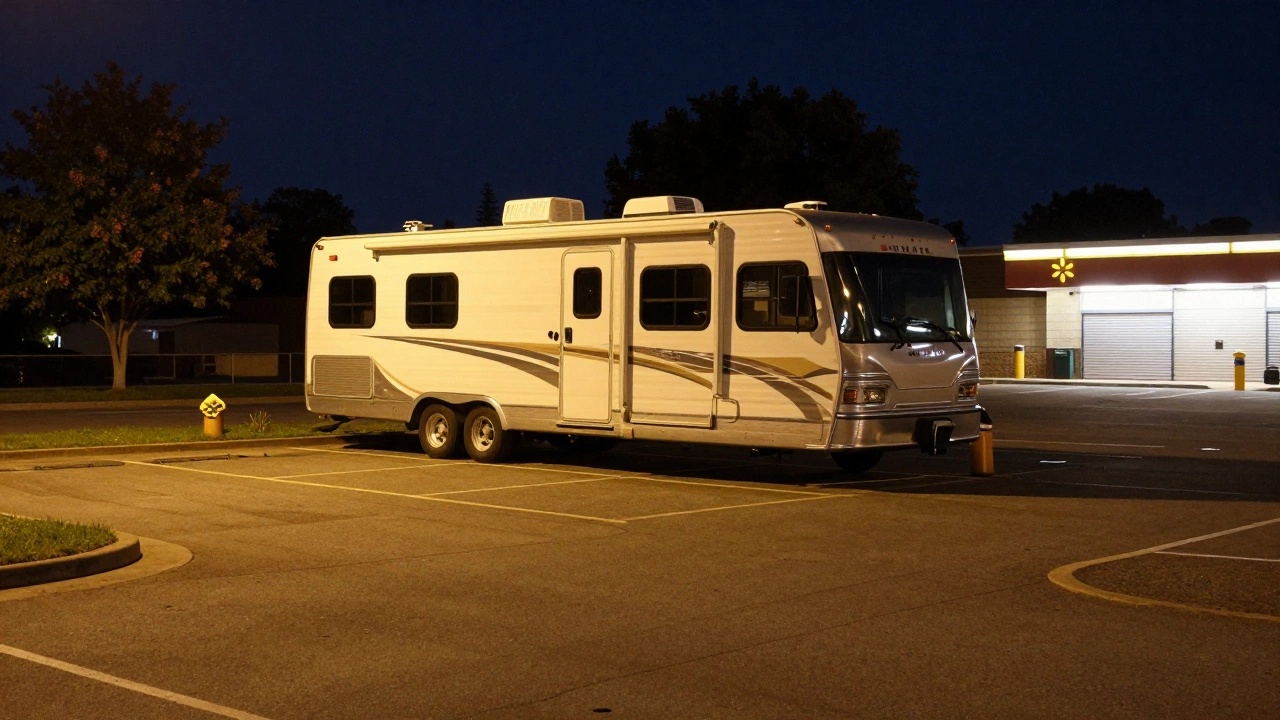
Is Boondocking at Walmart Safe? What You Need to Know Before Sleeping in the Parking Lot
Dec, 1 2025|0 CommentsWalmart boondocking is a popular but risky option for RVers. Learn when it's safe, how to avoid trouble, and what to do if you're asked to leave - plus better alternatives for overnight parking.