Riding in Motorhome Back: Safety, Laws, and What You Need to Know
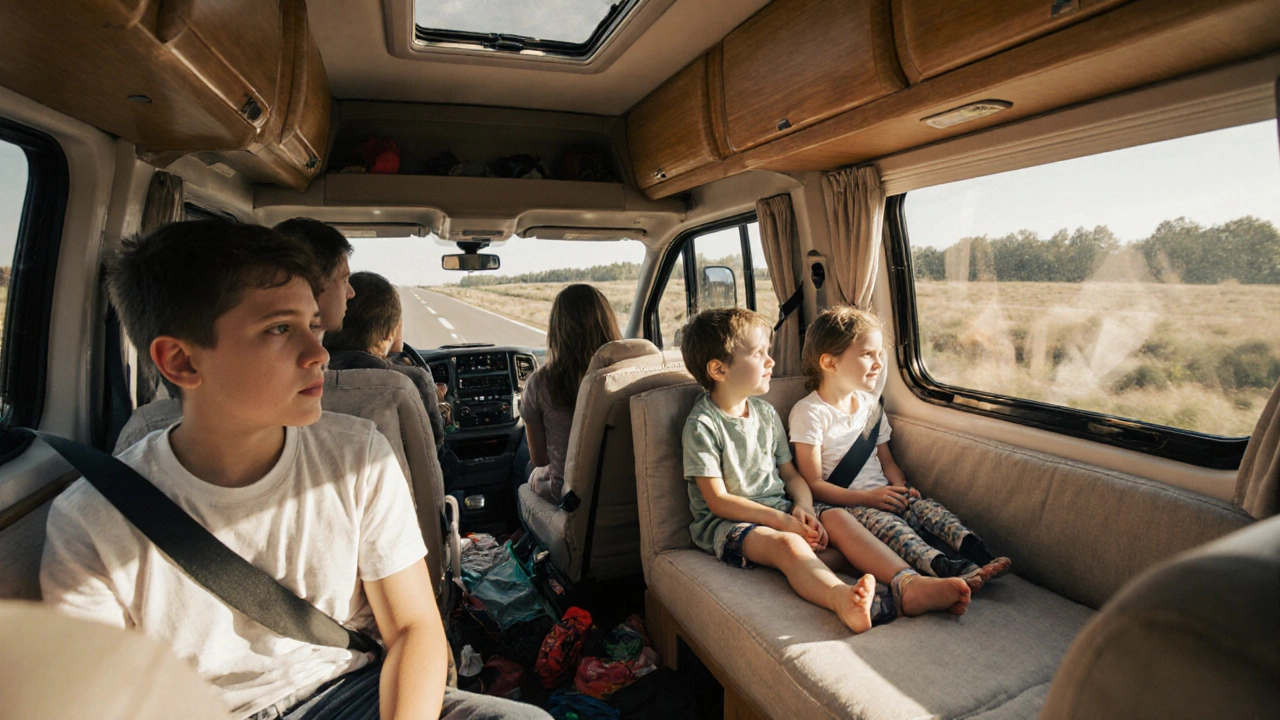
When you’re on the road in a motorhome, riding in motorhome back, the practice of sitting in rear seating areas not originally designed as factory-installed seats. Also known as rear seating in campervans, it’s a common habit — but not always legal or safe. Many people assume that if there’s a bench or a converted bed in the back, it’s fine to sit there while driving. That’s a dangerous assumption. The UK has strict rules about where passengers can sit, and the consequences aren’t just fines — they’re life-changing.
The motorhome safety, the set of practices and legal requirements that protect passengers during travel isn’t just about seatbelts. It’s about whether the seat was built to meet EU or UK vehicle safety standards. Factory seats — the ones installed by the manufacturer — have proper anchor points, headrests, and crash protection. Aftermarket benches, fold-out seats, or even mattresses on the floor? Those don’t count. The law doesn’t care if it’s comfortable. It cares if it’s certified. In 2023, a family in Devon was fined £500 and received penalty points after police spotted two children sitting on a padded bench in the rear with no seatbelts. The officer didn’t even need to check the vehicle’s manual — the lack of seatbelt anchors was obvious.
Then there’s the UK motorhome laws, the legal framework governing how motorhomes can be used, including passenger seating, weight limits, and camping rules. The Highway Code is clear: all passengers must be seated and belted in while the vehicle is moving. That means no standing, no lounging, no sitting on the edge of a bed. Even if you’re going slow. Even if you’re just driving to the next campsite. And it’s not just about the driver — any passenger in the back who isn’t properly restrained puts everyone at risk in a collision. Insurance companies have denied claims in accidents where rear passengers weren’t belted, even if the driver was following all other rules.
So what’s the fix? If your motorhome has no rear seats, don’t add them unless they’re certified. Look for models with factory-installed rear bench seats that have three-point seatbelts. If you’re renting, ask the company if rear seating is approved for travel. Some campervans have rear seats that look like they’re meant for driving — but they’re just for parking. Check the manual. Look for the seatbelt labels. If you can’t find proof it’s legal, don’t risk it.
There’s a reason so many posts here talk about camping legality, stealth camping, and campervan rental costs — because the freedom of the open road comes with responsibility. You don’t need to be an expert to stay safe. You just need to know the rules before you hit the road. Below, you’ll find real stories, legal breakdowns, and practical advice from people who’ve been there — from what to pack for rear passengers to how to spot a fake seat. Skip the guesswork. Get it right before you drive.
-
 VIEW POST
Is It Safe to Ride in the Back of a Motorhome? What You Need to Know Before You Go
Nov, 20 2025|0 CommentsRiding in the back of a motorhome without a seatbelt is illegal and dangerous. Learn why certified seats and proper restraints are non-negotiable for safe motorhome travel.