Motorhome Travel Tips: Smart Ways to Ride, Camp, and Save on UK Road Trips
When you hit the road in a motorhome, a self-contained vehicle that lets you sleep, cook, and travel all in one. Also known as a campervan, it turns a simple drive into a full-blown adventure—no hotels, no packing, no unpacking. But here’s the truth: owning or renting one doesn’t guarantee a smooth trip. The best motorhome travel tips aren’t about fancy gadgets or expensive upgrades. They’re about knowing where you can legally stop, how to avoid hidden costs, and what actually makes a trip enjoyable—not exhausting.
Most people think motorhome trips are all about freedom. And they are—but only if you know the rules. In England, wild camping is mostly illegal, but stealth camping, a quiet, low-profile way to park overnight away from official sites is a common workaround. It’s not about breaking laws; it’s about being smart. You need to pick spots wisely—rest areas, quiet lanes, or farmland with permission. And don’t forget the UK 36 rule, a guideline that says you shouldn’t camp within 36 metres of a highway without permission. Ignore it, and you risk fines or being asked to leave. Then there’s the cost. Renting a campervan, a smaller, more maneuverable version of a motorhome, sounds affordable until you see the insurance, mileage fees, and cleaning charges. Most renters don’t realize they’re paying for things they never asked for.
And what about the little things? A broken toilet in the middle of Wales, a flat tire on a narrow Scottish road, or running out of diesel because you didn’t check the tank gauge—these aren’t rare. They happen to everyone. That’s why the best motorhome travel tips are practical: always carry a spare wheel, keep a portable toilet on hand, and never assume a campsite has electric hookups unless you’ve confirmed it. Even the most experienced drivers forget that motorhomes handle differently than cars. They’re heavier, longer, and need more space to turn. Planning your route isn’t just about scenery—it’s about bridge heights, narrow lanes, and weight-restricted roads.
Most trips fail not because of bad weather or bad luck, but because people overpack. You don’t need five sets of clothes, three coolers, or a full kitchen setup. One good rule: if you haven’t used it in the last trip, leave it behind. Less stuff means easier driving, fewer things to lose, and more time enjoying the view. And if you’re camping on your own land, remember—you can only stay 28 days a year without permission. That’s not a suggestion. It’s the law.
What you’ll find below isn’t a list of generic advice. These are real stories from people who’ve been stuck in rain, confused by signs, or saved by a last-minute tip. Whether you’re renting your first campervan or planning your 10th road trip, these posts give you the straight facts—no marketing, no fluff, just what you need to know before you start the engine.
-
 VIEW POST
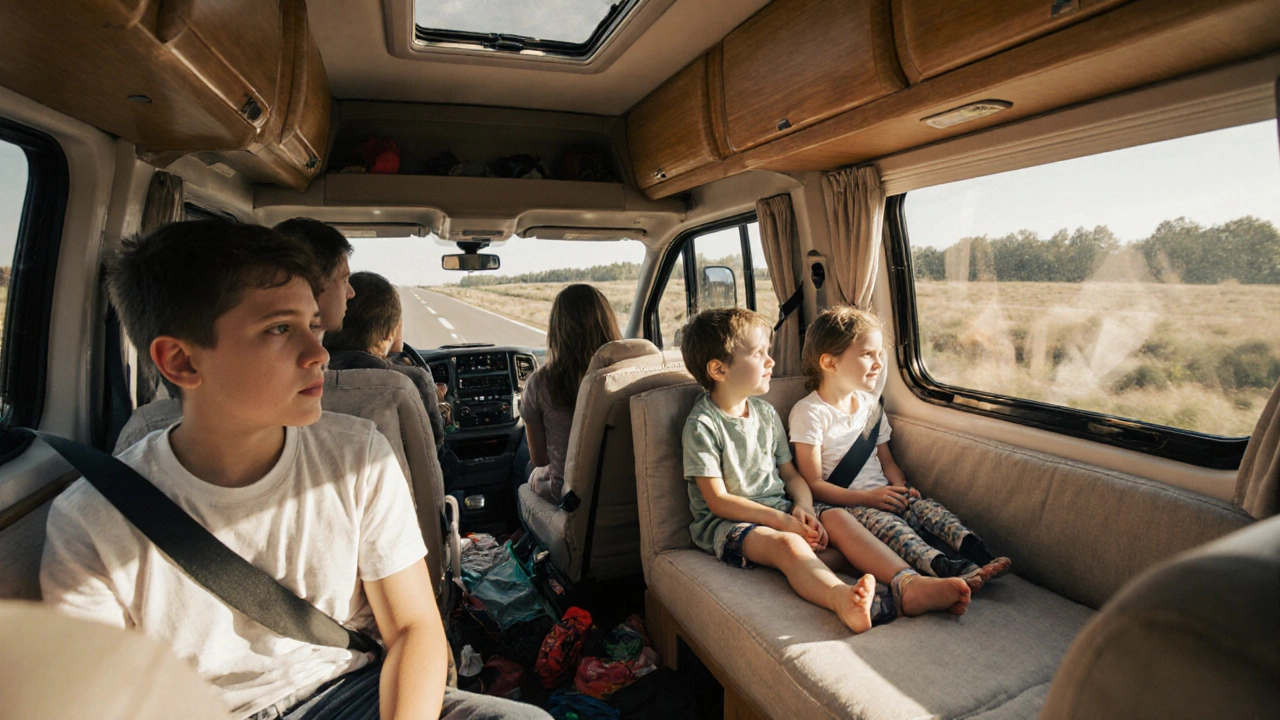
Is It Safe to Ride in the Back of a Motorhome? What You Need to Know Before You Go
Nov, 20 2025|0 CommentsRiding in the back of a motorhome without a seatbelt is illegal and dangerous. Learn why certified seats and proper restraints are non-negotiable for safe motorhome travel.