Golden Rule Camping: What It Really Means and How to Follow It in the UK
When people talk about the golden rule camping, the unwritten principle that guides responsible outdoor behavior, especially in places where camping isn't officially permitted. Also known as leave no trace camping, it's not a law—but it's the only thing keeping wild camping alive in the UK. If you’ve ever seen a campsite littered with plastic, a fire pit full of ash, or a tent pitched right next to a farmer’s sheep, you know why this rule exists.
The wild camping UK, the practice of setting up camp outside designated sites, often on public land or private property without permission. Also known as stealth camping, it’s legal in some parts of Scotland but mostly restricted elsewhere. In England and Wales, it’s technically illegal unless you have landowner permission. But here’s the truth: most people who camp wild don’t get fined. Why? Because they follow the golden rule. That means: arrive late, leave early, pack out every bit of trash, avoid burning anything, and never set up near homes, livestock, or protected areas. It’s not about getting away with something—it’s about proving you deserve to be there.
The UK camping laws, a patchwork of local regulations, common law, and landowner rights that determine where and how you can camp. Also known as camping legality, these rules vary wildly by region don’t always match what’s practical. You can camp on your own land for 28 days a year. You can’t camp on most beaches without permission. And you can’t legally pitch a tent on a hillside just because it looks nice. But if you follow the golden rule—quiet, clean, and respectful—you’re far less likely to get reported. The real enemy isn’t the law. It’s the loud, messy, careless campers who make it harder for everyone else.
That’s why the posts below matter. They don’t just tell you where you can camp. They show you how to camp without breaking trust—with the land, with locals, and with future campers. You’ll find out what the 36 rule really means for distance from buildings, why stealth camping works in the Lake District but not in the Peak District, and how to avoid getting fined on a beach without even knowing you’re breaking the rules. This isn’t about loopholes. It’s about doing the right thing so you—and everyone after you—can keep enjoying the open air.
-
 VIEW POST
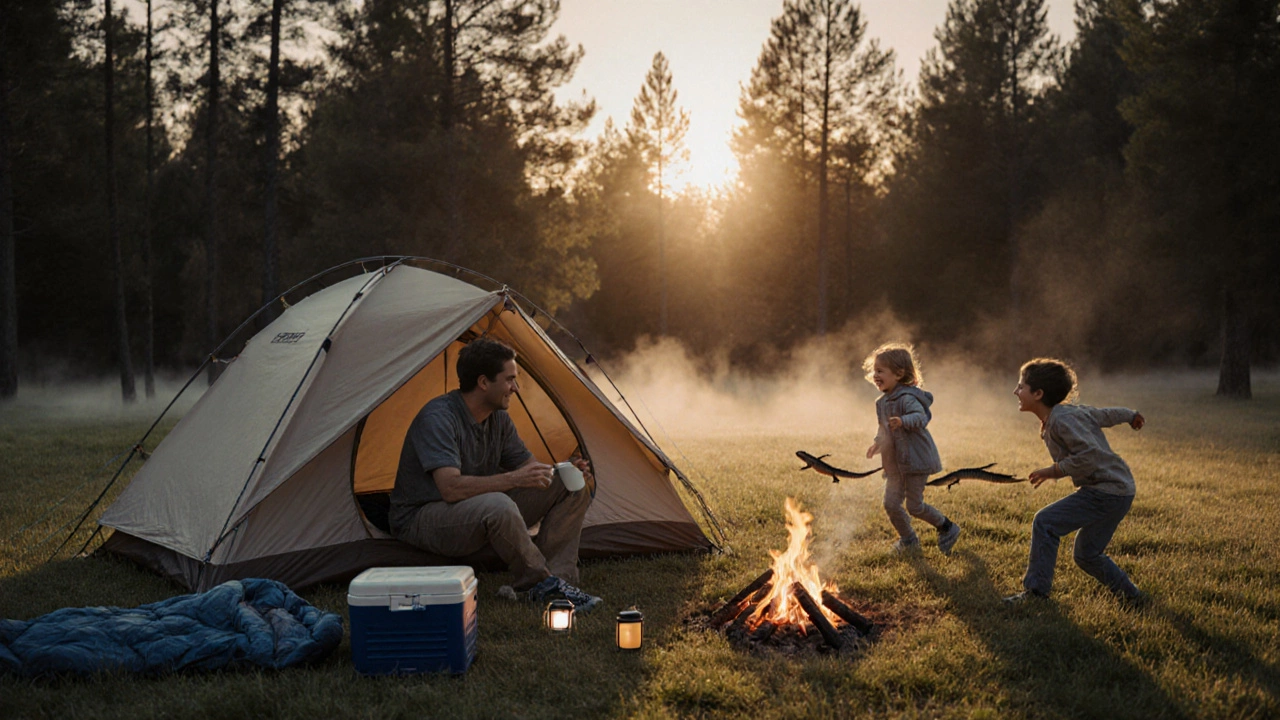
What Is Your Golden Rule When Camping? The One Thing That Keeps Families Safe and Happy
Nov, 18 2025|0 CommentsThe golden rule for family camping isn't about gear or location - it's about packing less so you can experience more. Learn how simplicity creates connection, reduces stress, and turns ordinary trips into unforgettable memories.