Camping on Private Land UK: Legal Rules, Safe Spots, and What You Can Actually Do
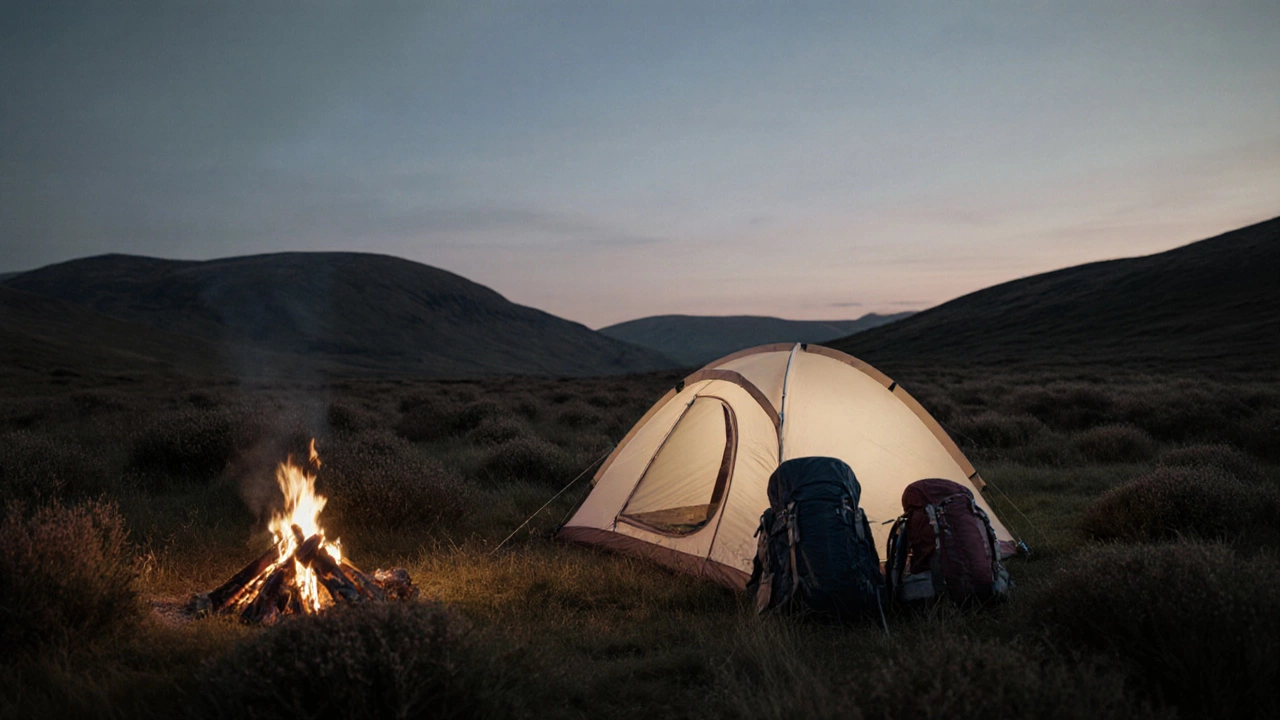
When you hear camping on private land UK, the practice of setting up camp on land not owned by public bodies or designated campsites. Also known as wild camping, it’s a gray area that confuses even seasoned road trippers. Most people assume it’s outright illegal—and in many cases, it is. But the truth is more layered. In England and Wales, there’s no blanket right to camp anywhere, but that doesn’t mean every camper gets fined. In Scotland, it’s different. The Land Reform Act gives you more freedom, as long as you follow the Scottish Outdoor Access Code. But in England? You’re walking a tightrope.
Many campers mistake stealth camping UK, a low-profile way to camp without permission, often overnight and away from public view for legal wild camping. It’s not. Stealth camping is a tactic, not a right. It’s what people do when they know they’re breaking the rules but hope to avoid trouble. You’ll find people doing it near forests, rivers, or quiet lanes—often after dark. But if the landowner notices, they can ask you to leave. Refuse, and you’re trespassing. That’s not a crime, but it’s grounds for police involvement if things escalate. The UK 36 rule, a loose guideline suggesting you should camp at least 36 meters from roads, buildings, or footpaths to minimize disturbance is often cited, but it’s not law. It’s just common sense advice from outdoor groups trying to keep the peace.
So where can you actually camp without permission? Some landowners quietly allow it—especially if you’re quiet, clean, and leave no trace. Farmers in the Lake District or Dartmoor sometimes turn a blind eye if you ask nicely. But you can’t assume. Always look for signs. If there’s a ‘No Camping’ sign, don’t test it. And never camp near livestock, water sources, or private homes. The wild camping laws, the legal framework that governs where and how you can camp without booking a site are confusing because they’re not written in one place. They’re built from court rulings, local bylaws, and landowner rights. That’s why some areas are safe, others aren’t—and why your experience can change from one valley to the next.
Don’t confuse this with camping on the beach in England, a related but separate issue where even coastal land is often privately owned or protected. Just because the sand is empty doesn’t mean you’re allowed to sleep there. Same goes for forests, fields, or riverbanks. The key is permission. If you don’t have it, you’re on borrowed time. That’s why so many people turn to English caravan parks, organized sites with facilities, fees, and clear rules for motorhomes and tents instead. They’re predictable. Safe. Legal.
But if you’re set on sleeping under the stars away from crowds, there’s a smarter way. Reach out. Many small landowners will let you camp for a small fee or even for free if you offer to help with chores or leave a gift. It’s not common, but it happens. And when it does, it’s the best kind of camping—honest, human, and quiet.
Below, you’ll find real stories and practical advice from people who’ve done it—some legally, some on the edge. We’ll show you where it’s been done, what went wrong, and how to avoid the mistakes that lead to fines, confrontations, or worse. No fluff. Just what you need to know before you pitch your tent on someone else’s land.
-
 VIEW POST
How Long Can You Camp on Your Own Land in the UK Without Permission?
Nov, 17 2025|0 CommentsIn the UK, you can camp on your own land for up to 28 days a year without permission. Beyond that, you need planning approval - even if you're not charging anyone. Here's what the law really says.