Camping at Myrtle Beach: Rules, Alternatives, and What You Really Need to Know
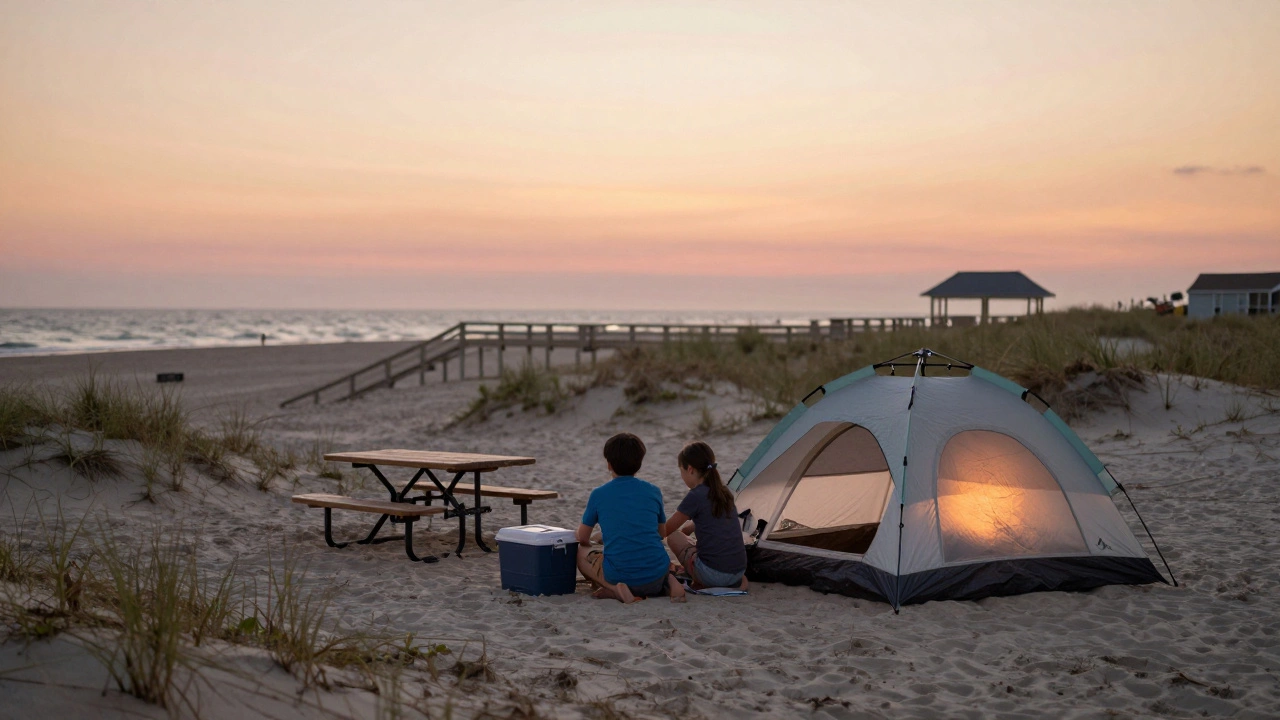
When people think of camping at Myrtle Beach, a popular coastal destination in South Carolina known for its wide sandy shores and family-friendly boardwalk. Also known as beach camping South Carolina, it’s often imagined as sunsets over the ocean and sleeping under the stars right on the sand. But the reality is very different. Unlike some parts of the UK or national forests in Florida, you can’t just pull your motorhome onto the beach and call it a night. Myrtle Beach has strict rules — and they’re enforced. The city bans overnight camping on public beaches, including all stretches of sand from the oceanfront to the dunes. Even if you’re in a campervan and think you’re being quiet, you’re still breaking the law. Fines can hit $500, and your vehicle might get towed.
So what do you do if you want to be close to the water? The answer isn’t just "find another beach." It’s about understanding wild camping Myrtle Beach, the practice of setting up camp outside official campgrounds, often on public or undeveloped land and where it’s actually allowed nearby. You can legally camp in state parks like Huntington Beach State Park, about 20 minutes south, where RV sites come with hookups and beach access. Or try private RV resorts like Myrtle Beach KOA, which offer full amenities and are just a few minutes from the boardwalk. These aren’t "free" options, but they’re safe, legal, and way less stressful than risking a fine. And if you’re looking for something more remote, the nearby Francis Marion National Forest offers dispersed camping, unmarked, non-developed sites where you can park your rig and enjoy solitude — though you’ll need to drive 45 minutes inland.
The truth is, most people who try to camp directly on Myrtle Beach don’t realize how crowded, monitored, and regulated the area is. Security patrols check parking lots after dark, and even Walmart parking lots — a common fallback for RVers elsewhere — don’t allow overnight stays in Myrtle Beach. It’s not a gray area. It’s a hard no. But that doesn’t mean your trip has to suffer. With a little planning, you can still wake up to the sound of waves, enjoy beachside breakfasts, and spend your days on the sand — just not your nights on it. Below, you’ll find real advice from people who’ve been there, including where to find hidden gems, how to avoid scams, and what gear actually makes a difference when you’re camping near the coast.
-
 VIEW POST
What Does It Cost to Camp at Myrtle Beach? Full 2025 Price Guide
Dec, 1 2025|0 CommentsFind out exactly how much it costs to camp at Myrtle Beach in 2025, from tent sites to beachfront RV spots, plus hidden fees, best times to go, and how to save money.