Beach Camping Fees: What You Really Pay to Sleep by the Sea in the UK
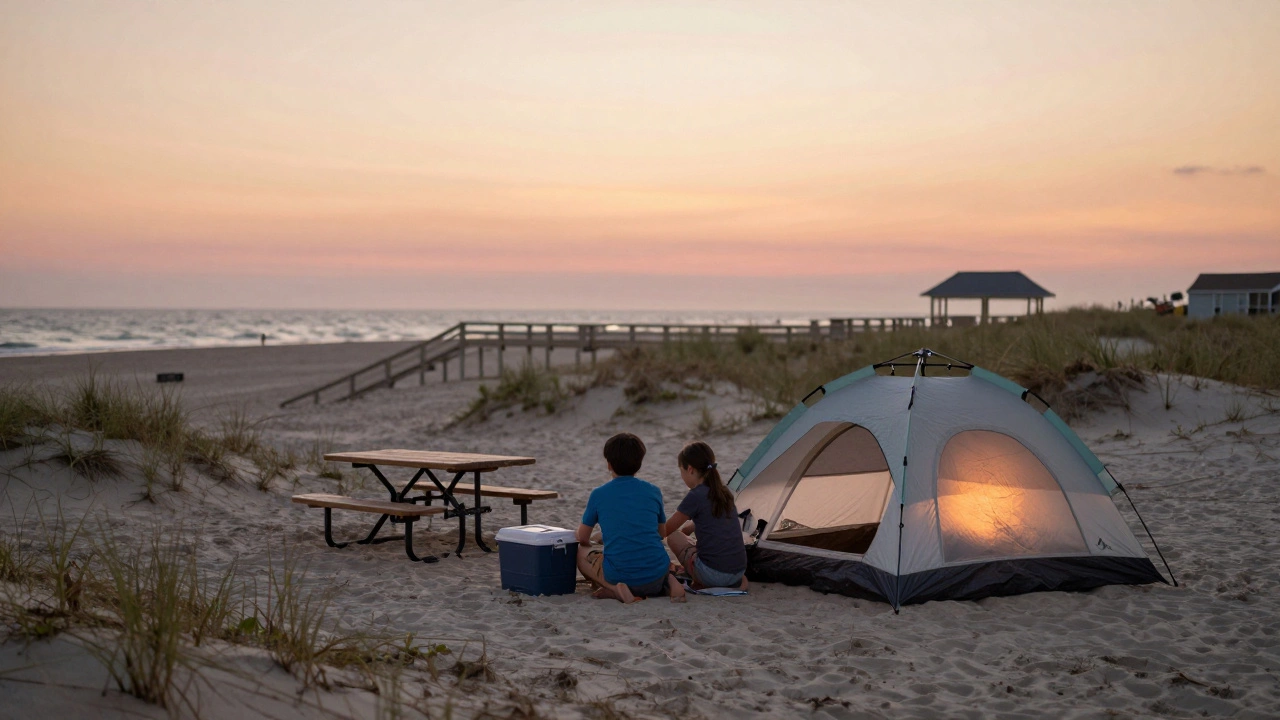
When you think of beach camping, sleeping overnight on or near a coastline, often without formal facilities. Also known as coastal wild camping, it’s one of the most appealing ways to experience the UK’s shores—sunrise over the waves, the sound of tide rolling in, no walls between you and the open air. But here’s the catch: it’s not always free. In fact, many people assume they can just roll up to any beach and pitch a tent. That’s not true. And getting caught can mean a fine, a forced move, or worse—losing your spot for good.
UK beach camping, the practice of setting up camp directly on sandy or rocky shorelines is mostly illegal without landowner permission, even if the beach looks empty. The law doesn’t say "no camping on beaches" outright—it says you need permission to occupy land. That means if the beach is owned by a council, a private resort, or the National Trust, you’re trespassing if you stay overnight without approval. Some places like parts of Scotland allow it under the right to roam, but in England and Wales, it’s a gray zone. You might find locals doing it quietly, but that doesn’t make it legal.
So where do fees come in? Most official coastal campsites, designated areas with toilets, showers, and sometimes hookups, located near beaches charge between £15 and £40 a night. That’s not just for the space—it’s for waste disposal, security, and upkeep. If you’re looking to avoid fees, your best bet is public land like certain stretches of the Northumberland coast, or areas managed by the Countryside and Rights of Way Act. But even there, you need to follow strict rules: no fires, no litter, no staying more than a night or two, and definitely no blocking access. This isn’t about being a rebel—it’s about respecting the environment and the people who live nearby.
And don’t assume that just because a beach looks deserted, you’re safe. Councils are cracking down. There are signs, patrols, and even drones in some places. A few years ago, a family got fined £200 for camping on a beach in Dorset because they didn’t realize the land was privately owned. They thought it was public. They were wrong. The same thing happened to a group in Cornwall last summer. No one warned them. No one told them the rules had changed. That’s why knowing the difference between legal and illegal spots matters more than ever.
You’ll find plenty of posts below that dig into exactly where you can camp legally along England’s coast, how to spot a site that’s safe to use, and what to do if you’re asked to leave. Some of them cover free alternatives like disused quarries near the sea, or how to use apps that track real-time camping rules. Others explain how to talk to landowners and get permission—yes, it’s possible, and it’s easier than you think. You’ll also learn what gear you actually need for beach camping, because sand in your tent is the worst kind of surprise.
-
 VIEW POST
What Does It Cost to Camp at Myrtle Beach? Full 2025 Price Guide
Dec, 1 2025|0 CommentsFind out exactly how much it costs to camp at Myrtle Beach in 2025, from tent sites to beachfront RV spots, plus hidden fees, best times to go, and how to save money.