Swimming at Edisto Beach: Safety, Conditions & Tips for Campers
 Jun, 7 2026
Edisto Beach Swim Safety Planner
Ready to Plan?
--Select your visit details and click 'Check Safety Status' to receive a personalized safety report for Edisto Beach.
Safety Factors & Tips:
- Waiting for input...
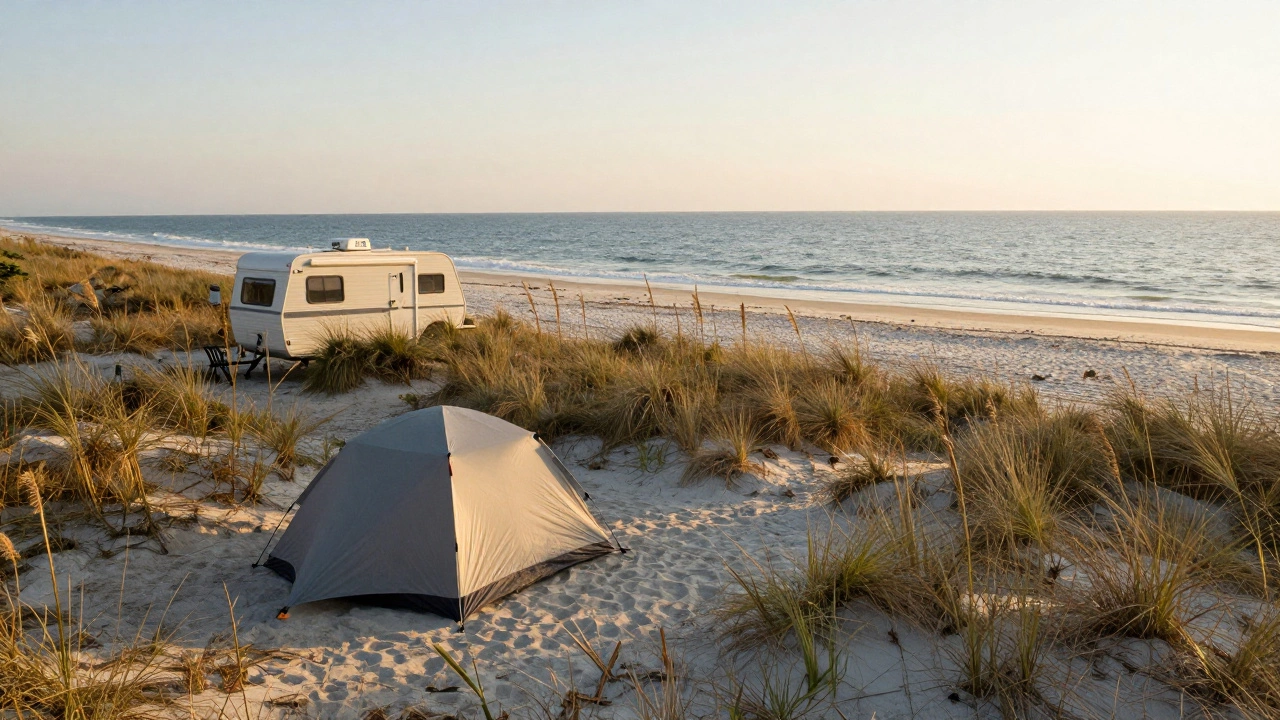
Imagine waking up to the sound of waves crashing just steps from your tent or camper. You grab your towel, head down to the sand, and step into the Atlantic Ocean. It sounds like a dream, right? But before you take that first dip at Edisto Beach, you need to know what’s really going on in those waters. Is it safe? Are there jellyfish? What about the tides?
If you’re planning a trip to this slice of paradise on the South Carolina coast, especially if you’re staying at one of the nearby beach campsites, understanding the ocean conditions is crucial. This isn’t just about having fun; it’s about staying safe while enjoying one of the most beautiful stretches of coastline in the Southeast.
Is the Water Safe for Swimming?
The short answer is yes, you can swim in the ocean at Edisto Beach. The water is generally clean, clear, and inviting for most of the year. However, "safe" doesn't mean "risk-free." Like any natural body of water, the Atlantic Ocean has its own rules and hazards that you need to respect.
One of the biggest concerns for swimmers here is rip currents. These are narrow channels of fast-moving water that flow away from the shore. They can pull even strong swimmers out to sea quickly. According to data from the National Oceanic and Atmospheric Administration (NOAA), rip currents are responsible for the majority of rescues along the U.S. East Coast. At Edisto Beach, these currents can form unexpectedly, especially after storms or during high tide.
To stay safe, always check the flag system posted by local lifeguards or beach patrols. A green flag means low hazard, yellow means moderate caution, and red means high hazard. If you see a red flag, it’s best to stay out of the water entirely. Don’t let the calm surface fool you-underneath, things can get rough very fast.
Water Temperature and Best Time to Swim
Another factor to consider is the water temperature. The Atlantic Ocean off the coast of South Carolina can be chilly, especially outside of summer months. In early spring (March-April), water temperatures hover around 60°F (15°C), which might feel refreshing to some but shockingly cold to others. By mid-summer (July-August), the water warms up to a pleasant 78-82°F (25-28°C), making it perfect for long swims.
If you’re visiting in late fall or winter, you’ll likely need a wetsuit unless you’re a cold-water enthusiast. For families with kids, summer is definitely the best time to hit the waves. The warmer water reduces the risk of hypothermia and makes the experience more enjoyable for everyone.
Jellyfish and Marine Life Encounters
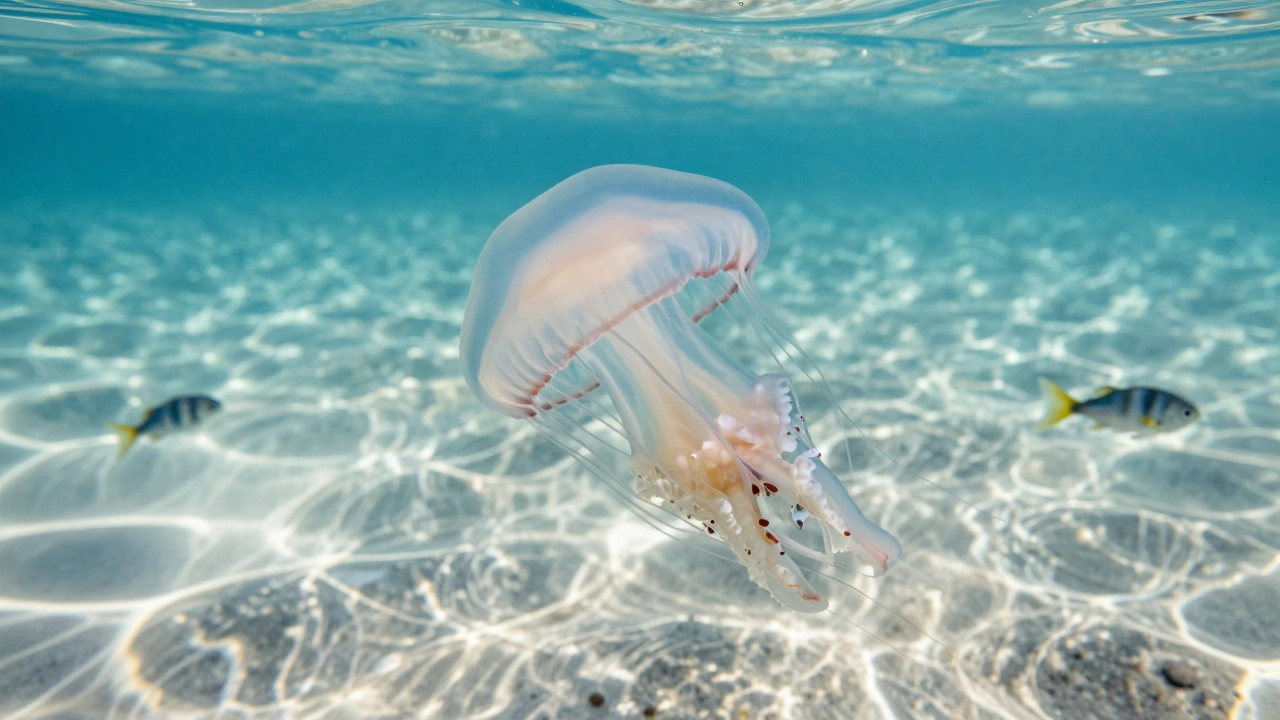
Now, let’s talk about the creatures sharing the water with you. Jellyfish are a common sight at Edisto Beach, particularly from June through September. While most stings are minor and painful rather than dangerous, they can ruin your day if you’re not prepared. Portuguese Man o’ War and moon jellies are frequently spotted near the shore.
Here’s a pro tip: wear protective clothing like rash guards or full-body swim suits if you’re sensitive to stings. Also, keep an eye out for warning signs posted by local authorities. If you do get stung, rinse the area with vinegar (not fresh water) to neutralize the venom, then remove any tentacles carefully with tweezers. Seek medical attention if you experience severe pain, difficulty breathing, or swelling.
Aside from jellyfish, you might encounter other marine life such as dolphins, sea turtles, and various fish species. These encounters are usually harmless and often delightful. Just remember to observe wildlife from a distance and avoid touching or feeding them.

Tides and Currents: Timing Your Swim
Understanding tides is essential for safe swimming at Edisto Beach. The tide affects both water depth and current strength. During low tide, the water recedes, exposing sandy bars and shallow areas. This can be great for kids playing in the shallows but may limit swimming space. High tide brings deeper water closer to shore, which can increase the strength of incoming waves and currents.
For the safest swimming experience, aim for mid-tide periods when the water is neither too shallow nor too deep. Check local tide charts before heading out. Many apps and websites provide real-time tide information for Edisto Beach, helping you plan your swim accordingly.
Lifeguard Services and Emergency Preparedness
While Edisto Beach does have designated swimming areas patrolled by lifeguards during peak seasons (typically Memorial Day through Labor Day), coverage is limited compared to larger tourist destinations. Outside of these months, there may be no lifeguards on duty at all.
This means you take on greater responsibility for your safety. Always swim with a buddy, never turn your back on the ocean, and keep a close eye on children at all times. If you don’t see a lifeguard tower or flags, assume you’re swimming unsupervised and exercise extra caution.
In case of emergency, call 911 immediately. Local rescue teams are well-equipped to handle water-related incidents, but quick response times depend on how soon you alert them. Consider carrying a whistle or signaling device with you on the beach for added security.
What About Beach Campsites Nearby?
If you’re combining your beach visit with camping, you’re in luck. There are several beach campsites located near Edisto Beach that offer easy access to the shoreline. Places like Hunting Island State Park and Southwinds Resort provide rustic and modern camping options respectively, allowing you to enjoy nature without sacrificing comfort.
Camping near the beach gives you the advantage of early morning swims when the water is calmest and crowds are minimal. Plus, watching the sunrise over the Atlantic from your campsite is an unforgettable experience. Just make sure to pack sunscreen, insect repellent, and plenty of drinking water.
Environmental Considerations and Leave No Trace
As much as we love spending time at Edisto Beach, it’s important to protect this fragile ecosystem. Plastic pollution, erosion, and habitat destruction threaten coastal environments worldwide. As visitors, we play a key role in preserving the beauty of places like Edisto Beach for future generations.
Follow the principles of Leave No Trace: pack out everything you bring in, stay on designated paths, and avoid disturbing wildlife. Refrain from collecting shells or corals, as they contribute to the health of the marine environment. Support local conservation efforts by volunteering or donating to organizations working to preserve South Carolina’s coastline.
| Factor | Details |
|---|---|
| Water Quality | Generally clean and monitored regularly |
| Rip Current Risk | Moderate to high depending on weather |
| Jellyfish Season | June - September |
| Lifeguard Coverage | Memorial Day - Labor Day only |
| Best Swimming Months | May - October |
Local Regulations and Beach Rules
Before hitting the water, familiarize yourself with local regulations. Glass containers are prohibited on the beach to prevent injuries from broken shards. Alcohol consumption is restricted in certain areas, and pets must be leashed and under control at all times.
Dumping trash or littering results in fines, so please dispose of waste properly. Respect private property boundaries and park only in designated zones. Following these rules helps maintain order and ensures everyone enjoys their time at Edisto Beach safely and responsibly.
Alternatives If You Can’t Swim
If you’re unable to swim due to health reasons, fear, or lack of skill, don’t worry-you can still enjoy Edisto Beach. Walking along the shore, building sandcastles, fishing from the pier, or simply soaking up the sun are fantastic ways to experience the beach without entering the water.
There are also guided tours available, including kayak rentals and paddleboarding lessons, which allow you to explore the coastline from a different perspective. These activities are supervised by trained instructors who prioritize safety above all else.
Can you swim in the ocean at Edisto Beach year-round?
Technically yes, but water temperatures drop significantly outside of summer months. Winter swimming requires proper gear and preparation due to cold water risks.
Are there sharks at Edisto Beach?
Sharks inhabit coastal waters globally, including near Edisto Beach. However, shark attacks are extremely rare. Stick to designated swimming areas and avoid dusk/dawn hours when sharks are more active.
What should I do if I get caught in a rip current?
Stay calm, float, and signal for help. Do not fight the current directly. Instead, swim parallel to the shore until you escape the current, then angle back toward land.
Is Edisto Beach family-friendly?
Yes, Edisto Beach offers gentle waves, wide sandy shores, and numerous amenities suitable for families. Supervision is critical, especially around rip currents and jellyfish season.
Where can I find accurate tide schedules for Edisto Beach?
Use NOAA tide predictions or trusted apps like Tide Alert for real-time updates specific to Edisto Beach locations.
Are there any hidden fees for accessing the beach?
Public access points are free, but parking fees may apply at some lots. Private resorts charge guests exclusively for beach use within their premises.
How far inland does flooding occur during king tides?
King tides can cause temporary street flooding up to 100 feet inland in low-lying areas. Monitor local alerts and avoid driving through flooded roads.
Can I collect seashells at Edisto Beach?
Collecting live shells or large quantities is discouraged. Small amounts of empty shells found naturally washed ashore are generally acceptable.
What facilities are available near public beach access points?
Most public accesses include restrooms, showers, picnic tables, and vending machines. Some locations feature playgrounds and basketball courts nearby.
Is surfing allowed at Edisto Beach?
Surfing is permitted except in marked swimming zones during peak hours. Always yield to swimmers and follow local surf etiquette guidelines.