Sleeping on California Beaches: Is It Legal? A 2026 Guide
 Sep, 27 2026
California Beach Camping Legality Checker
Select your planned camping scenario below to check the general legality and estimated fine risks for 2026.
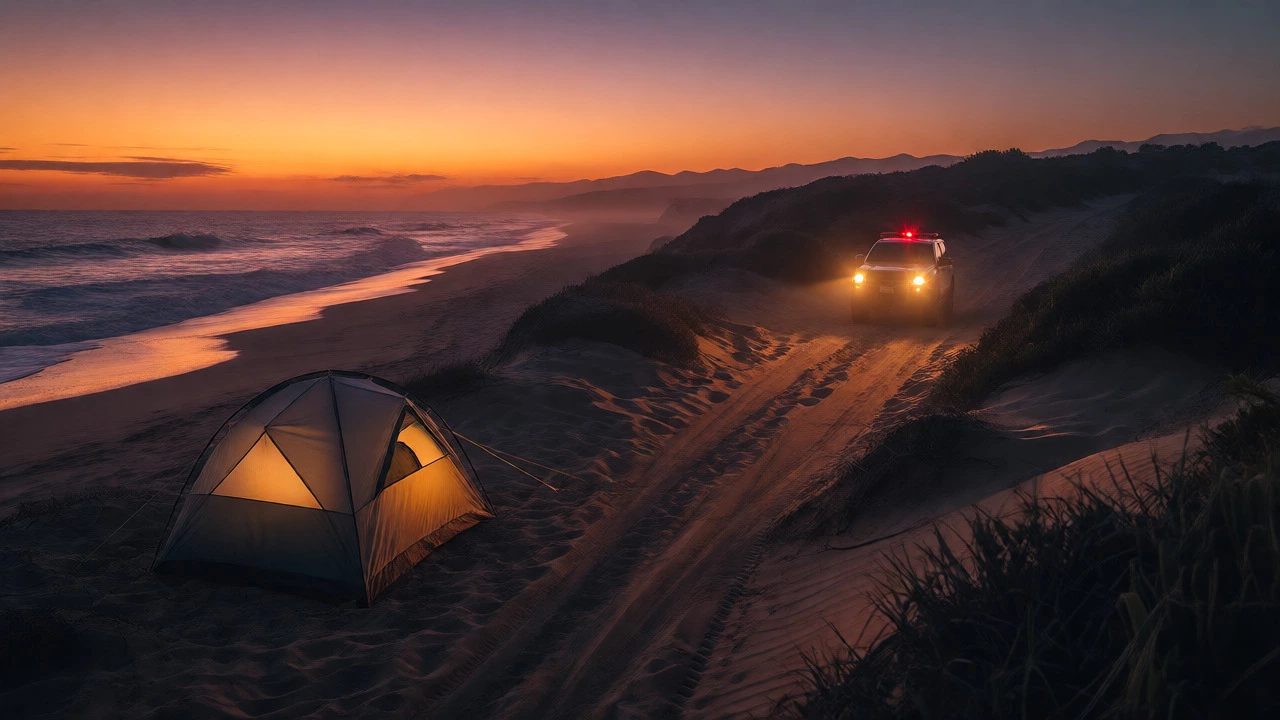
You’ve had a long day hiking the Pinnacles or driving down Highway 1. The sunset is painting the sky in shades of orange and purple, your tent is pitched, and you’re ready to crash right there on the sand. But then that nagging question pops up: is it illegal to sleep on the beach in California? If you’ve ever seen a ranger shining a flashlight into your tent at midnight, you know this isn’t just paranoia. The short answer is complicated because "California" isn't one single rulebook. It’s a patchwork of state parks, federal lands, city ordinances, and county rules.
Here is the reality check: In most places, yes, it is illegal to camp directly on the sand outside of designated areas. But "illegal" doesn't always mean "you will be fined immediately." It depends entirely on where you are standing. Are you in a State Park? A National Seashore? Or some random stretch of public land near a small town? Getting this wrong can ruin your trip with fines ranging from $50 to over $1,000, or worse, waking up to an eviction notice before dawn. Let’s break down exactly where you can legally drop your bag and where you need to pack it up.
The General Rule: Designated Areas Only
If you take away only one thing, make it this: California generally prohibits camping on beaches unless you are in a designated campground or a specific dispersed camping area approved by the managing agency. This applies to the vast majority of the coastline. The logic behind these strict laws is twofold: protecting fragile ecosystems like dunes and shorebirds, and maintaining public safety. Unregulated camping leads to litter, fire hazards, and conflicts with local residents who use the beach for recreation during the day.
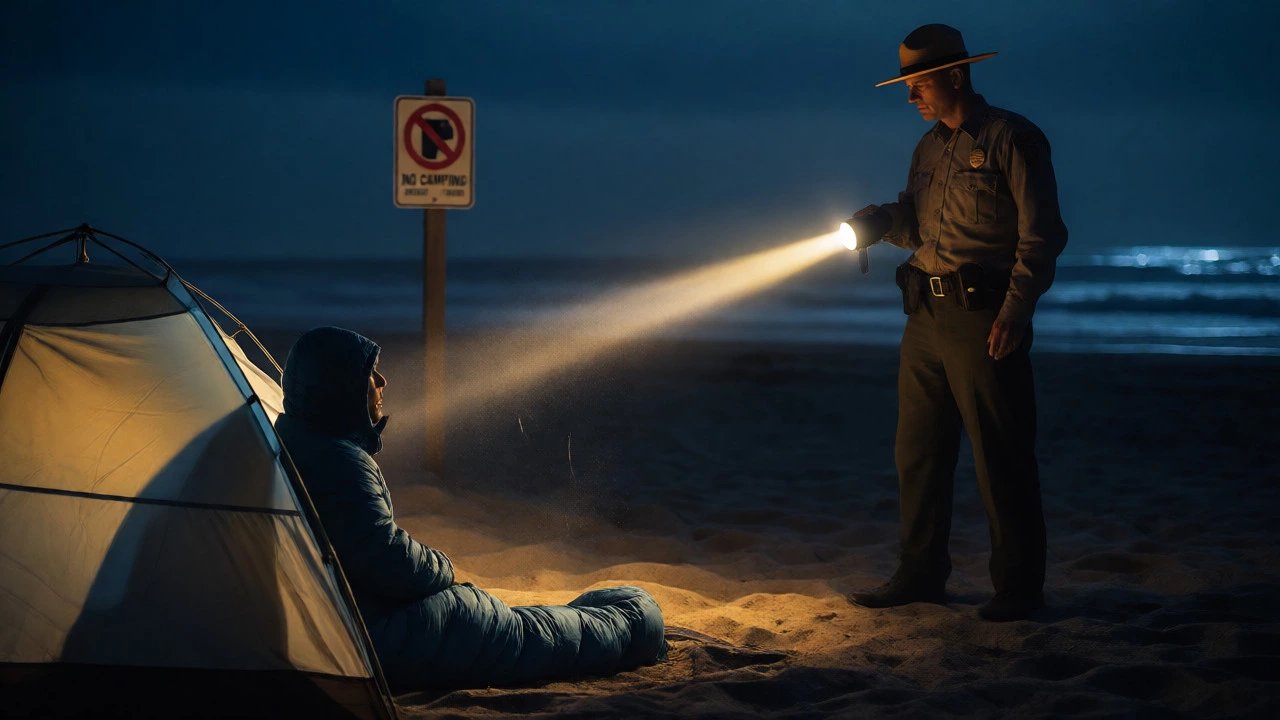
When you see signs saying "No Camping," they usually mean no tents, no RVs, and often no sleeping in cars either. Rangers in California are trained to enforce these boundaries strictly, especially during peak seasons like summer weekends and holidays. Ignoring a posted sign is the fastest way to get a citation. Always look for the physical markers-posts, ropes, or painted lines-that delineate the allowed zones.
State Parks: The Most Common Confusion
California State Parks manage about 14% of the state's coastline. This is where most people get tripped up because many state beaches allow daytime use but ban overnight stays. For example, popular spots like Zuma Beach or Leo Carrillo State Park have specific rules. At Leo Carrillo, you can camp in the designated campground, but you cannot pitch a tent on the open sand near the waterline. Doing so violates park regulations and results in immediate removal.
Some state parks do offer "walk-in" sites that are close to the water, but these still require a reservation and payment. You aren't technically "on the beach" in the wild sense; you are in a managed facility that happens to be near the ocean. If you try to bypass the fee station and set up camp on the sand, you are trespassing. The fine structure here is steep. In 2026, citations for unauthorized camping in state parks can start around $75 and escalate quickly if you refuse to move.
| Land Type | General Legality | Typical Fine | Key Requirement |
|---|---|---|---|
| State Parks (Non-Campground) | Illegal | $75 - $150 | Must stay in designated campground |
| National Seashores (e.g., Point Reyes) | Restricted | $50 - $100 | Permit required for backcountry |
| City Beaches (e.g., Santa Monica) | Illegal | $50 - $500+ | Strictly enforced curfews |
| Bureau of Land Management (BLM) | Often Legal | $0 (if compliant) | Dispersed camping rules apply |
| Private Beachfront | Illegal | Trespassing charges | Permission required |
Federal Lands: Where You Might Get Away With It
Not all beaches are created equal. Some stretches of coast are managed by federal agencies like the Bureau of Land Management (BLM) or the U.S. Forest Service. These areas often have more relaxed rules regarding dispersed camping. Dispersed camping means setting up camp outside of developed campgrounds, usually on public land, without a reservation.
For instance, parts of the Lost Coast Trail in Humboldt County fall under BLM jurisdiction. Here, you can often camp on the beach itself, provided you follow Leave No Trace principles and stay within certain distance requirements from trails and water sources. However, even here, there are limits. You typically cannot stay longer than 14 days in a 30-day period. Always check the specific BLM field office map for that region. What is legal in Humboldt might be strictly prohibited in San Luis Obispo County.
Similarly, Point Reyes National Seashore allows camping in designated backcountry sites. While not every spot is right on the sand, some are very close. You need a permit, which costs money, but it legitimizes your stay. Trying to sneak onto Point Reyes without a permit is risky because rangers patrol frequently, and the terrain makes hiding difficult.
City Ordinances: The Hidden Traps
This is where things get tricky. Many coastal cities have their own municipal codes that override general perceptions of public access. Cities like Santa Monica, San Diego, and Huntington Beach have strict bans on sleeping on the beach after dark. These laws are often tied to homelessness prevention efforts and tourism management.
In Santa Monica, for example, it is unlawful to remain on the beach between 9:30 PM and 6:00 AM. If you are caught with a blanket and pillow, you could face a misdemeanor charge. In Huntington Beach, known as "Surf City USA," the police actively clear the beach at night. Even if you are in your car parked in a lot adjacent to the beach, some cities prohibit sleeping in vehicles. Check the local municipal code before you assume a parking spot is safe for the night.
Smaller towns may have different approaches. Some rural coastal communities are more lenient, allowing visitors to sleep in cars in pull-offs or dirt lots near the beach, provided they don't block traffic or create trash. But "lenient" does not mean "legal." It means enforcement might be low. If a new sheriff comes in or a complaint is filed, that leniency vanishes instantly.
How to Find Legal Spots Without Breaking the Bank
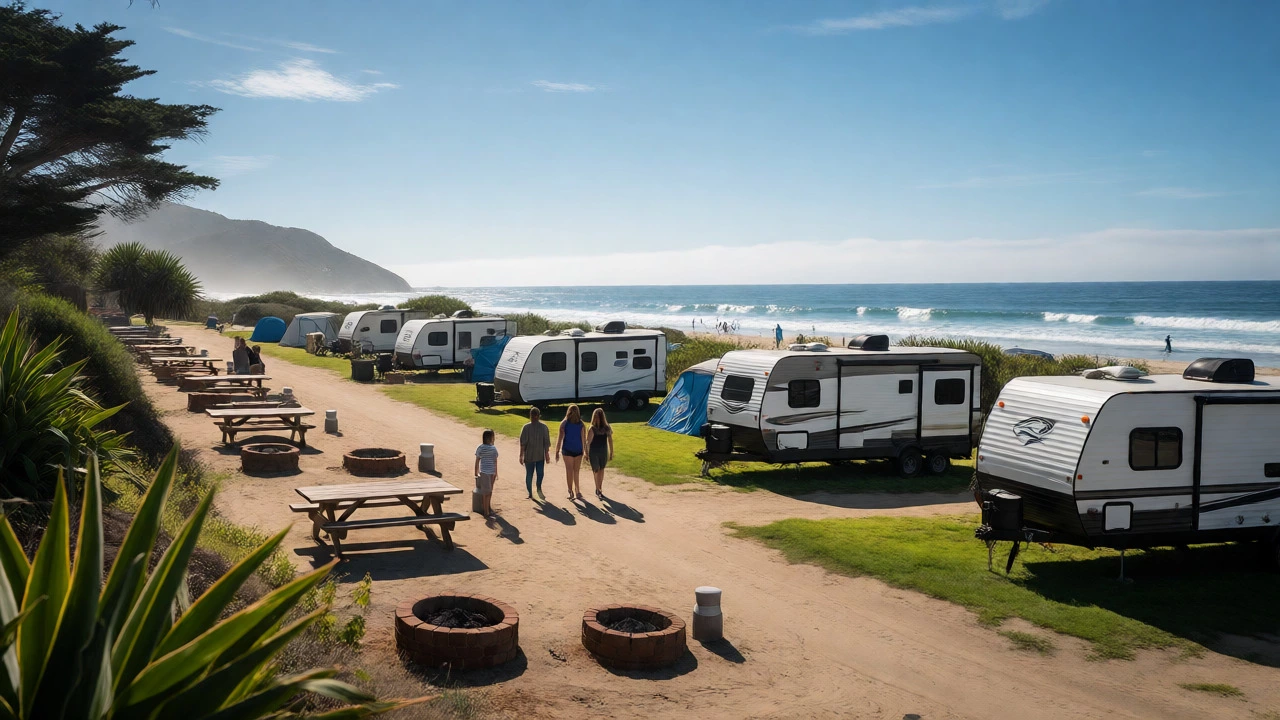
If you want to avoid fines, your best bet is to find designated beach campsites. These are official campgrounds located within walking distance of the water. They cost money-anywhere from $20 to $60 per night-but they come with amenities like restrooms, showers, and fire rings.
- Reserve Early: Popular spots like Crystal Cove State Park or Pfeiffer Big Sur fill up months in advance. Use the Reserve California system.
- Check for "Day-Use" vs. "Overnight": Some areas allow day use only. Read the signage carefully. A sign saying "Closed at Sunset" means you must leave.
- Look for "Boondocking" Zones: In Southern California, look for areas managed by the US Army Corps of Engineers or specific county parks that allow vehicle camping in non-sandy areas.
If you are determined to sleep on the actual sand, your options shrink significantly. You essentially need to be in a place that explicitly sells permits for beach camping. Examples include certain sections of the Lost Coast (with permits) and specific private or semi-private resorts that lease beachfront plots.
What Happens If You Get Caught?
Don't underestimate the power of a California park ranger. They are armed, trained, and empowered to issue citations. If you are found illegally camping on the beach, the process usually goes like this:
- Contact: The ranger approaches you and asks for identification.
- Warning or Citation: Depending on your attitude and the severity, you might get a warning. More likely, you get a ticket.
- Eviction: You will be told to pack up and leave immediately. If you are already asleep, you'll be woken up abruptly.
- Payment: Fines are due within a specific timeframe. Failure to pay can lead to higher penalties or even a bench warrant.
Repeating offenses can lead to increased fines and potential bans from the park system. It’s not worth the risk for a few hours of extra sleep. The stress of hiding from rangers often ruins the relaxation you were seeking in the first place.
Alternatives to Sleeping on the Sand
If the idea of paying for a campground feels too restrictive, consider these alternatives that keep you close to the ocean without breaking the law:
- Park and Hike: Park in a legal lot, hike to a nearby inland trail campsite, and return to the beach at sunrise.
- Vehicle Camping in Lots: Look for truck stops or county parks that allow overnight parking. You won't be on the sand, but you'll be close.
- Hostels and Motels: Coastal towns have a wide range of budget accommodations. Sometimes splitting a room with friends is cheaper than dealing with the hassle of finding a legal free spot.
Remember, the goal is to enjoy the beauty of the California coast without becoming a statistic in a local news story about beach camping crackdowns. Respect the rules, respect the environment, and you’ll have a much better time.
Can I sleep in my car on the beach in California?
Generally, no. Most city beaches and state parks prohibit sleeping in vehicles on the beach or in beach parking lots overnight. There are exceptions in some remote county areas or designated boondocking sites, but you must check local ordinances. Sleeping in your car on a busy tourist beach like Venice or Santa Monica will likely result in a ticket.
Is it illegal to walk on the beach at night in California?
Walking is usually permitted, but staying is not. Many beaches have gates that close at sunset, effectively banning entry. If the gate is open, you can walk, but you cannot set up a camp, lie down on a blanket, or remain stationary for long periods. Loitering laws vary by city, so check local signs.
What is the fine for illegal camping on a California beach?
Fines vary by jurisdiction. In State Parks, fines typically start around $75-$150. In city jurisdictions like Los Angeles or San Diego, fines can range from $50 to over $500, depending on whether it is classified as a minor infraction or a misdemeanor. Repeat offenders face higher costs.
Are there any free beaches where I can legally camp?
True free camping on the sand is rare. You might find it in Bureau of Land Management (BLM) areas or National Forests with dispersed camping allowances, such as parts of the Lost Coast. However, most "free" spots require a permit or have strict time limits. Always verify with the local land manager before setting up.
Does the rule change in winter?
Sometimes. Enforcement may be less frequent in winter due to fewer tourists, but the laws rarely change. However, weather conditions make sleeping on the sand uncomfortable and potentially dangerous due to tides and wind. Some campgrounds close in winter, reducing available legal options.