Motorhome Hire Costs: A Realistic Pricing Guide for 2026
 Apr, 30 2026
Motorhome Trip Cost Estimator 2026
$0
Estimated total for your journey
Quick Price Breakdown
- Budget Campervans: $60 - $120 per night
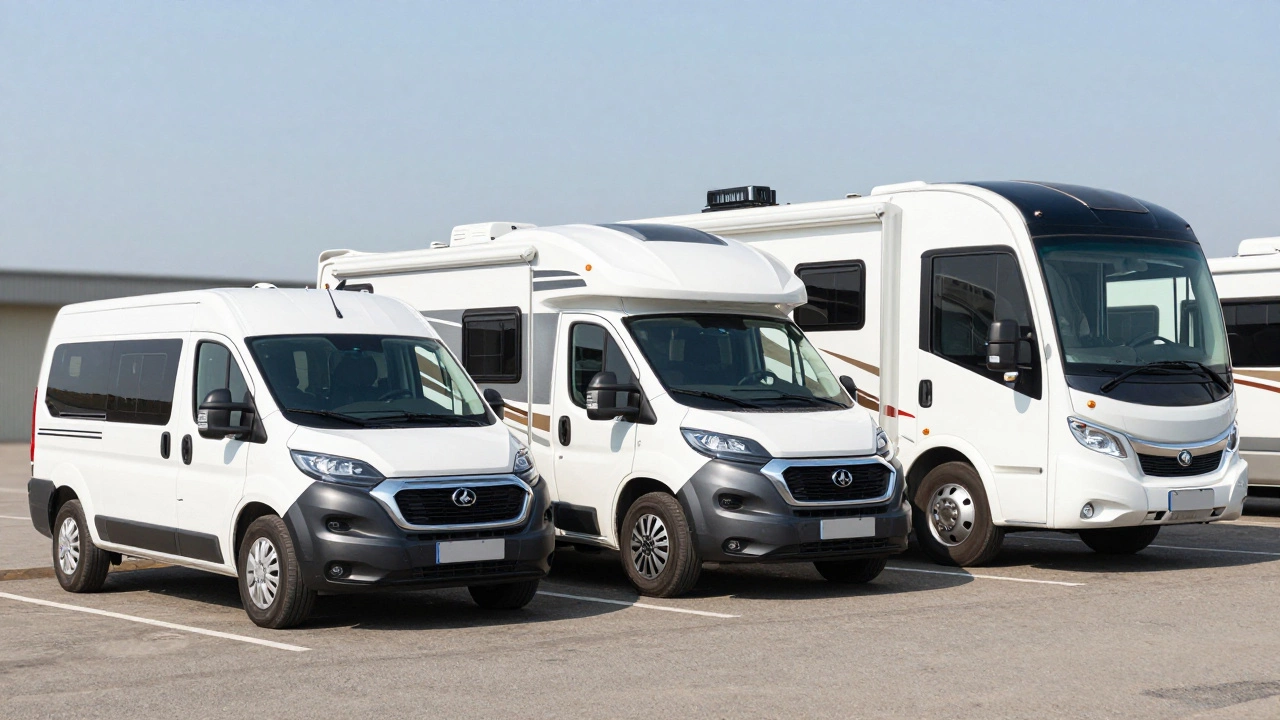
- Mid-Range Family Motorhomes: $130 - $250 per night
- Luxury RVs / Class A: $300 - $600+ per night
The Core Factors That Drive Your Bill
Why does the price swing so wildly? First, look at the size. A small Campervan (essentially a van with a bed and a small sink) is cheaper because it uses less fuel and is easier to park. Once you move into a full-sized motorhome with a separate bedroom and a full bathroom, the daily rate jumps because the vehicle is more expensive to maintain and insure. Seasonality is the biggest price mover. If you try to rent in July or during the Christmas holidays, expect to pay a 40% to 100% premium over winter rates. For example, a vehicle that costs $100/night in November might spike to $220/night in mid-summer. If you can travel in the "shoulder season" (March to May or September to November), you'll save a fortune without dealing with the extreme weather of mid-winter. Then there's the age of the fleet. Newer models have better fuel efficiency and modern safety features like lane-assist, but they carry a higher rental price. Older models are cheaper but might leave you stranded on a dirt road if the engine isn't well-maintained. Always ask for the year of the vehicle before signing the contract.Hidden Costs That Surprise First-Timers
The nightly rate is just the starting point. Many people budget for the rental but forget the "invisible" expenses. One of the biggest is the Insurance Excess. This is the amount you have to pay out of pocket if you crash. A standard excess might be $1,000 to $3,000. To lower this to zero, companies sell "Excess Reduction' packages" for an extra $20-$50 per day. Is it worth it? If you're driving through narrow country lanes or remote areas, absolutely. One scraped mirror can cost you $500. Fuel is another variable. A large motorhome can get as little as 15-20 liters per 100km. If you're planning a 1,000km trip, that's a significant chunk of your budget. Also, check the fuel policy. Some companies demand you bring it back full (the honest way), while others charge a premium "refueling fee" if you're even a liter short. Don't forget the "kit fees." Most rentals don't include sheets, towels, or kitchenware unless you pay extra. These "linen packs" usually cost around $40-$80 per trip. While it seems small, it adds up when you're already paying for the vehicle and fuel.| Vehicle Type | Avg. Nightly Rate | Best For | Fuel Consumption |
|---|---|---|---|
| Compact Campervan | $70 - $110 | Couples/Solo | Low |
| Family Motorhome | $150 - $240 | Families (4-6 people) | Medium |
| Luxury RV | $350 - $600 | High-end comfort | High |
Choosing the Right Level of Comfort
If you're on a tight budget, go for a Class B Motorhome (a converted van). You sacrifice the living room and the large shower, but you save on rent and fuel. These are perfect for people who plan to spend most of their time outdoors and only need the vehicle for sleeping and light cooking. For those who can't live without a proper toilet or need a dining table for the kids to do homework, a Class C Motorhome is the standard choice. These are built on a truck chassis and offer a much more "home-like" feel. You'll pay more per night, but the value is in the utility. If you have five people, splitting a $200/night rental is actually cheaper per person than booking three hotel rooms. Then there's the luxury tier. These are often Class A Motorhomes-the giant buses. You get slide-outs that expand the living area, full-sized refrigerators, and sometimes even multiple bathrooms. You're paying for the experience of a hotel on wheels. Unless you're traveling with a huge group or have a very high budget, these are often overkill for a standard road trip.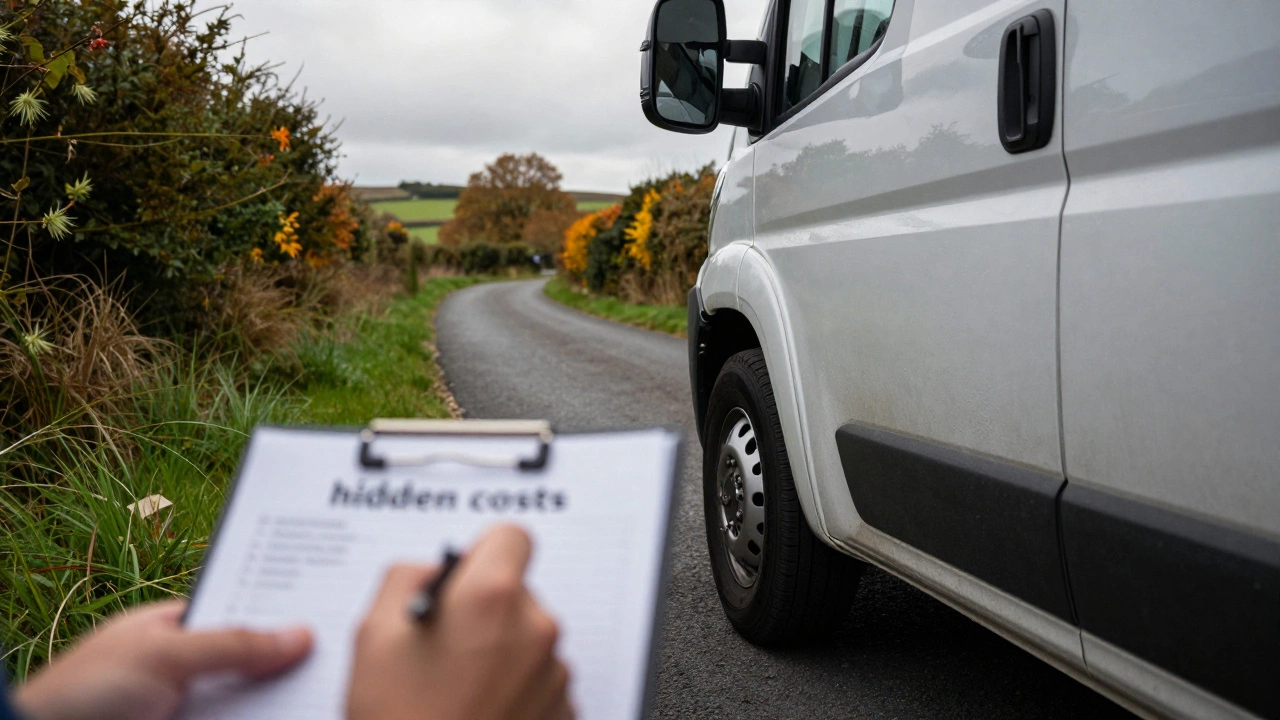
How to Negotiate and Save Money
Rental companies hate having vehicles sit idle. If you're booking a trip for the off-peak season, don't just accept the price on the website. Call them. Ask if they have a "last-minute deal" or a "long-term discount." Many companies will drop the price by 10-20% if you're renting for more than 14 days. Another way to save is by using peer-to-peer rental platforms. Instead of a big corporate agency, you rent from a private owner. This is often 20% cheaper, and the vehicles are sometimes better equipped with personal touches like better coffee makers or extra blankets. However, check the insurance carefully on these platforms; sometimes the coverage is thinner than what a professional agency provides. Also, keep an eye on the Mileage Limit. Some rentals give you 100km free per day, others give you unlimited. If you're planning to cross a continent, an "unlimited mileage" package is far cheaper than paying per kilometer after you hit your limit. A common trap is the "excess mileage charge," which can be as high as $0.50 per kilometer-that can turn a cheap trip into a financial nightmare very quickly.The Cost of Campsites and Utilities
Your budget isn't complete until you factor in where you'll park. While "wild camping" is free in some regions, it's illegal in others. A standard Caravan Park usually charges between $30 and $70 per night for a powered site. This gives you electricity for your microwave and AC, and a place to dump your grey water and refill your fresh water tank. If you're using a luxury motorhome, you'll almost certainly need these powered sites because the energy draw for the onboard appliances is huge. Budget campers can get away with more basic sites or free areas, but you'll have to manage your battery levels carefully. If you run your batteries flat and need a jump-start, that's another unexpected cost to add to your list.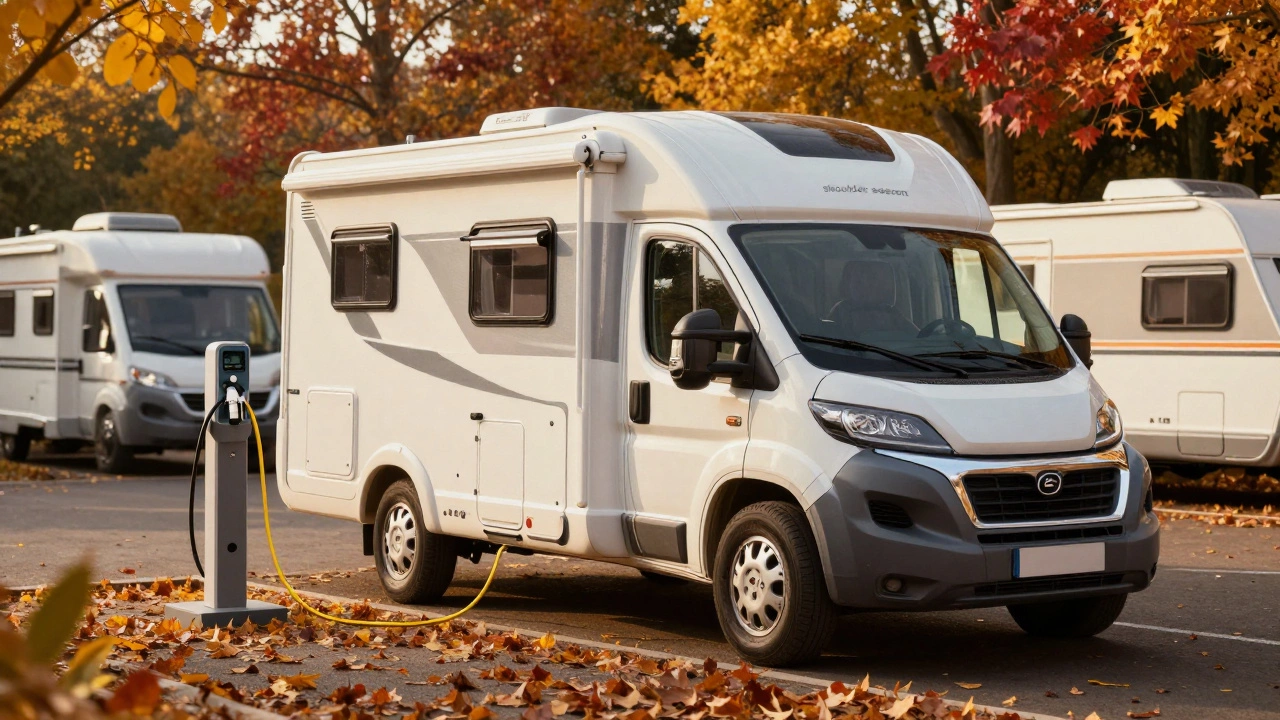
Final Budgeting Checklist
Before you hit "Book Now," run through this list to see if the price actually fits your wallet:- Daily rental rate x number of days
- Insurance excess reduction (Optional but recommended)
- Estimated fuel costs (Distance / 18km per liter * fuel price)
- Linen and kitchen kit fees
- Campsite fees ($40 avg x nights)
- One-way drop-off fee (If you aren't returning it to the same spot)
Is it cheaper to rent a campervan or a full motorhome?
A campervan is significantly cheaper, both in the daily rental rate and fuel costs. While a full motorhome offers more luxury (like a separate shower and bedroom), a campervan is better for budget travelers who just need a place to sleep and a basic kitchen.
What is a reasonable amount for insurance excess?
Standard excesses usually range from $1,000 to $3,000. While it's tempting to stick with the basic plan to save money, paying an extra $20-$40 per day for a "Zero Excess" or reduced excess plan is usually worth it, especially if you are unfamiliar with the vehicle's size.
Do rental prices include fuel?
No, fuel is never included in the rental price. You are responsible for all fuel used during the trip. Most companies require you to return the vehicle with a full tank, or they will charge you a premium rate per liter to refill it themselves.
How do I get the best deal on a motorhome rental?
Book during the shoulder season (spring or autumn), rent for longer periods (14+ days) to ask for discounts, and consider peer-to-peer rental platforms instead of large corporate agencies. Always call the company directly to see if they have any unlisted last-minute deals.
Are there extra charges for one-way rentals?
Yes, most companies charge a "one-way fee" if you pick up the motorhome in one city and drop it off in another. This fee covers the cost of transporting the vehicle back to its home base and can range from $100 to $500 depending on the distance.