Is Wild Camping Safe in the UK? Legalities, Risks, and Tips
 Sep, 3 2026
UK Wild Camping Legality & Safety Checker
Select a region and season above, then click "Check Rules & Risks" to see specific guidelines for your trip.
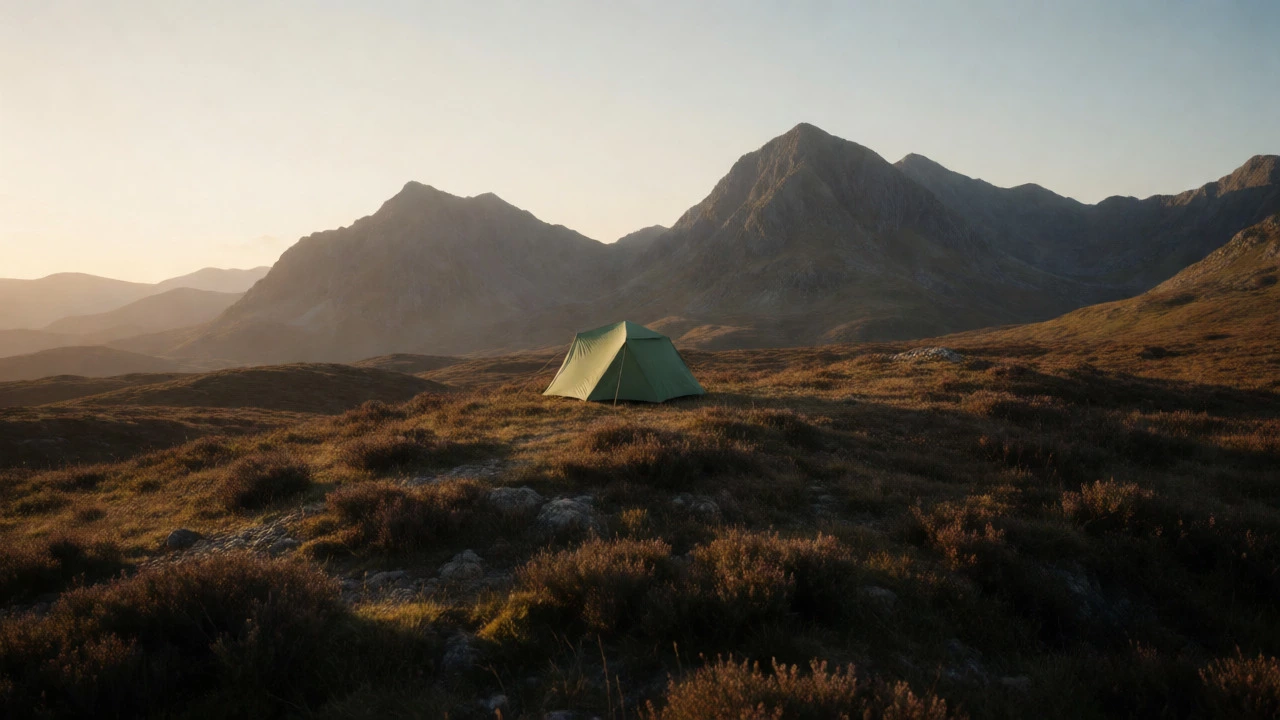
You’ve seen those Instagram shots: a lone tent pitched against a jagged mountain ridge, no fences in sight, just you and the wind. It looks peaceful. It looks free. But then the doubt creeps in. Is it actually wild camping safe to do this in the UK? Or are you about to become the next person getting fined by a ranger or chased off land by an angry farmer?
The answer isn’t a simple yes or no. It’s messy, regional, and heavily dependent on where you pitch your pegs. The UK doesn’t have a single rulebook for sleeping under the stars. Scotland plays by one set of rules, England and Wales by another, and Northern Ireland has its own quirks. If you’re planning a trip in 2026, you need to know exactly what you’re signing up for before you load up the car.
The Legal Landscape: Where Can You Actually Sleep?
Let’s clear up the biggest misconception first: wild camping is not universally illegal in the UK, but it is not universally legal either. This confusion causes more anxiety than actual danger. Most people worry about police sirens, but the real issue is civil law-trespassing-and local bylaws.
In Scotland, the situation is refreshingly straightforward thanks to the Land Reform (Scotland) Act 2003. This legislation grants a general right to roam across most unenclosed land. You can camp almost anywhere, provided you follow the Scottish Outdoor Access Code. This code isn’t a law per se, but ignoring it can lead to enforcement action if you cause damage or nuisance. The key here is "responsible recreation." You’re expected to leave no trace, keep away from buildings, and move on after two nights. It’s a privilege, not a right to squat indefinitely.
Cross the border into England and Wales, and things get trickier. There is no general right to roam. Technically, all land is owned by someone. Sleeping on private land without permission is trespassing. However, in practice, many landowners tolerate discreet, short-term wild camping, especially in remote areas like the Lake District or Snowdonia. But "tolerance" isn't a guarantee. Some national parks, such as the Peak District and parts of the Brecon Beacons, have specific bylaws that prohibit camping outside designated sites. Always check the specific park authority’s website before you go. Ignorance won’t save you from a fine.
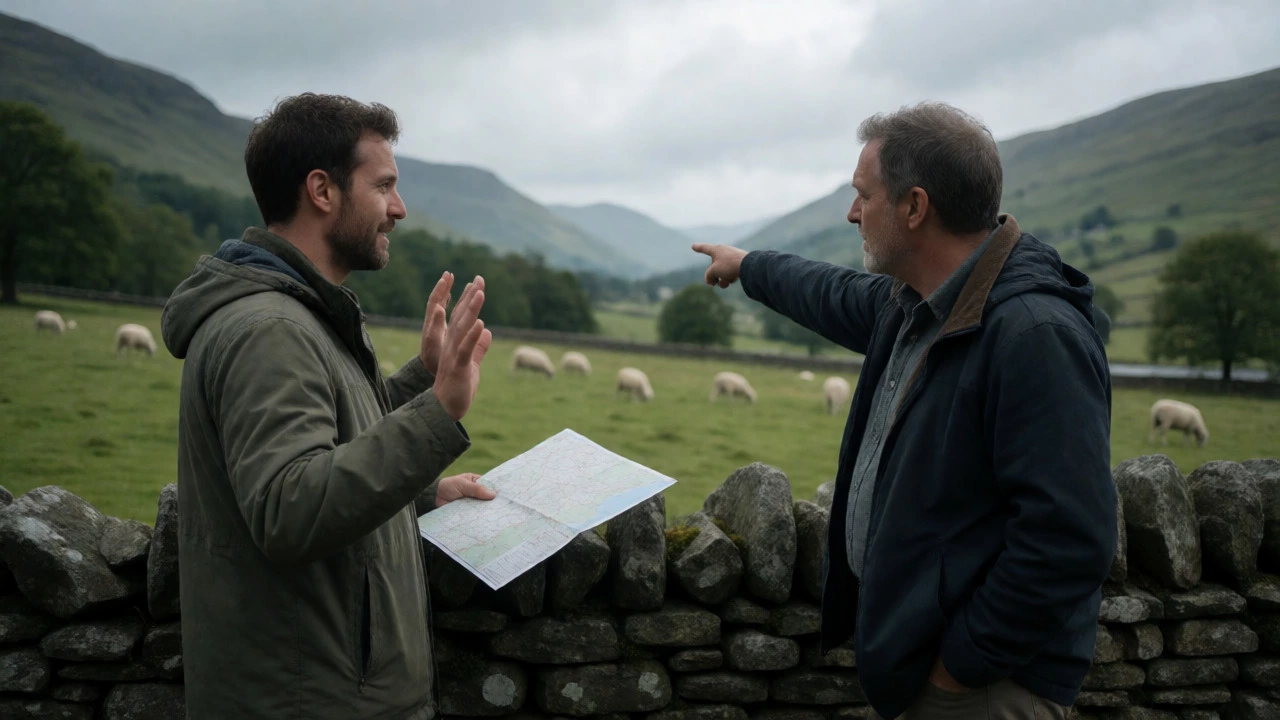
Northern Ireland sits somewhere in between. While there is no explicit statutory right to roam, the Countryside Access Forum generally supports responsible wild camping in open country. Still, always ask the landowner if you’re unsure. A quick chat over the fence can turn a potential confrontation into a friendly tip-off about where the sheep graze.
Safety Concerns: Nature vs. Humans
When people ask if it’s safe, they usually mean one of two things: "Will I be attacked?" or "Will nature kill me?" Let’s tackle the human element first. Violent crime against wild campers in the UK is rare. You’re far more likely to deal with a grumpy dog or a confused hiker than a mugger. However, anti-social behavior does exist. In popular spots near cities or trailheads, you might encounter drunk groups or litter louts. Choosing a spot slightly further from the main path reduces this risk significantly.
Nature, however, demands respect. The UK weather is notoriously fickle. Hypothermia is a genuine threat, even in summer. Temperatures can drop below freezing at night in the Highlands regardless of the season. You need gear rated for conditions worse than the forecast predicts. A 3-season tent might fail in a sudden Highland gale. Check your kit’s water column rating; anything under 3000mm might leak in a proper downpour.
Then there are the animals. Sheep are generally harmless unless you’re standing next to a lambing ewe. Cows, particularly dairy cows with calves, can be aggressive if they feel threatened. Never walk through a herd; go around. Ticks are another silent hazard. Lyme disease is present in parts of the UK, including the New Forest and Scottish Highlands. Check your skin daily, especially behind knees and ears. Carry a tick removal tool-it’s cheap insurance.
Choosing Your Spot: The Art of Stealth
Where you pitch matters as much as whether you’re allowed to. The golden rule is stealth. You want to arrive late, pitch quickly, and leave early. This minimizes impact and visibility. Look for ground that is already trodden or bare earth rather than lush grass, which takes years to recover from foot traffic. Avoid riverbanks; flash floods happen fast in narrow valleys, and morning condensation will soak your gear.
Wind direction is critical. Pitch your tent with the door facing away from the prevailing wind. Use natural windbreaks like boulders or dense shrubs, but don’t block drainage paths. If you wake up floating, you picked the wrong spot. Also, consider the sun. A south-facing slope warms up faster in the morning, which is great for drying dew off your tent but terrible if you’re trying to sleep in. North-facing slopes stay cooler and damper longer.
| Region | Legal Status | Key Restrictions | Primary Safety Risk |
|---|---|---|---|
| Scotland | General Right to Roam | Max 2-3 nights; avoid enclosed fields | Weather/Hypothermia |
| England (National Parks) | Tolerance varies; often restricted | Check local bylaws; no fires | Fines/Eviction |
| Wales | No general right; mostly tolerated | Avoid livestock; seek permission | Livestock/Access disputes |
| Northern Ireland | Tolerated in open country | Ask landowner if uncertain | Private property boundaries |
Leave No Trace: Protecting the Privilege
Wild camping is under pressure. Popular spots like the Torridon mountains in Scotland are seeing erosion from thousands of boots. To keep these areas accessible, you must follow strict Leave No Trace principles. This isn’t just about picking up your rubbish. It’s about minimizing your footprint entirely.
Human waste is the biggest issue. Burying poop in a cat hole 15cm deep works, but only in soil that absorbs moisture. In rocky terrain or peat bogs, it doesn’t decompose properly. Consider using portable toilet bags (like WAG bags) and packing out everything. Yes, even your pee. Urine changes the nutrient balance of delicate alpine plants. Pack out used hygiene products too; they don’t biodegrade quickly.
Fire is another contentious topic. Open fires scorch the ground and leave scars that last decades. Use a small gas stove instead. If you must use firewood, collect deadfall only-never cut living trees. And never build a fire ring with stones; remove them when you leave so the area looks untouched. Remember, if you can see your campsite from the trail, you’re too close. Move further away.
Gear Essentials for UK Conditions
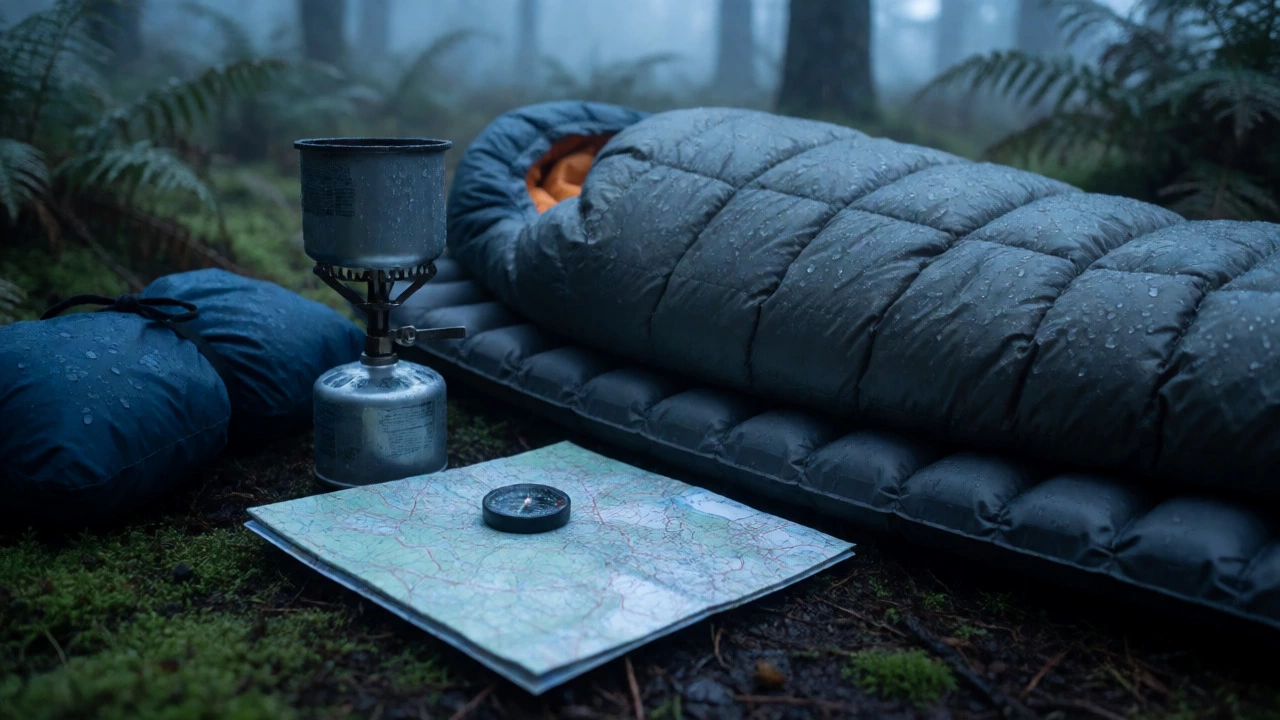
Don’t pack for the weather you hope for; pack for the weather you’ll get. The UK climate is maritime, meaning dampness is constant. Even if it’s not raining, mist and fog will soak your outer layers. A waterproof jacket with taped seams is non-negotiable. Your sleeping bag should have a synthetic fill if you’re new to this; down loses insulation when wet, and drying it in a damp tent is nearly impossible.
Your sleeping pad needs a high R-value (insulation rating). Ground cold sucks heat from your body faster than air temperature does. An R-value of 4+ is recommended for year-round UK camping. For shelter, look for tents with good ventilation to reduce condensation. Double-walled tents are better than single-walled ones for managing moisture buildup inside.
Navigation skills are vital. Phones die, batteries freeze, and GPS signals drift in valleys. Carry a physical map and compass, and know how to use them. Tell someone your route and expected return time. If you’re going solo, this is your safety net. In remote areas, mobile signal is patchy. Consider a satellite messenger device if you’re venturing into truly isolated zones like the Cairngorms.
Common Pitfalls to Avoid
First, don’t assume "remote" means "safe from people." Drone operators and photographers frequent scenic spots. Be prepared to interact politely. A smile and a wave go a long way. Second, don’t ignore local signs. If a sign says "No Camping," believe it. Landowners post these for a reason, often due to previous abuse or livestock safety.
Third, underestimate nothing. Don’t hike 15 miles with a full pack if you haven’t trained. Blisters ruin trips faster than rain. Break in your boots weeks before departure. Fourth, forget the alcohol. It seems cozy in the tent, but it dehydrates you and impairs judgment. Save the whisky for the pub after you’ve packed up.
Finally, check the seasonal closures. Some moorlands are closed during grouse shooting season (August-December) for safety reasons. Walking into a line of fire because you didn’t check the calendar is a mistake best avoided.
Is wild camping illegal in England?
Technically, yes, because all land is privately owned. However, it is often tolerated if done discreetly and responsibly. Specific National Parks may have bylaws prohibiting it, so always check local regulations before pitching your tent.
Can I light a fire while wild camping?
Open fires are discouraged and often prohibited, especially in dry seasons or sensitive habitats. Gas stoves are preferred. If you do use wood, ensure it is deadfall collected from the ground, never cut from live trees, and fully extinguish the embers before leaving.
How long can I stay in one spot?
The general guideline, particularly in Scotland, is 2-3 nights maximum. Staying longer increases environmental impact and the likelihood of being asked to move by landowners or authorities. Moving frequently keeps your footprint low.
Do I need a permit for wild camping?
Usually no, except in specific managed areas like some parts of the Lake District or certain SSSIs (Sites of Special Scientific Interest). Always verify with the relevant National Park Authority or land manager prior to your trip.
What is the safest way to handle human waste?
Use a trowel to dig a cathole 15-20cm deep, at least 60 meters from water sources. Pack out toilet paper in a sealed bag. In rocky or boggy terrain where digging isn't possible, use portable waste bags (WAG bags) and carry everything out.