Is Wild Camping Safe? A Practical Guide to Risks, Rules, and Preparation
 Jul, 23 2026
Wild Camping Safety Score Calculator
Select all the preparations you have completed for your trip:
Your Readiness
Select items to begin
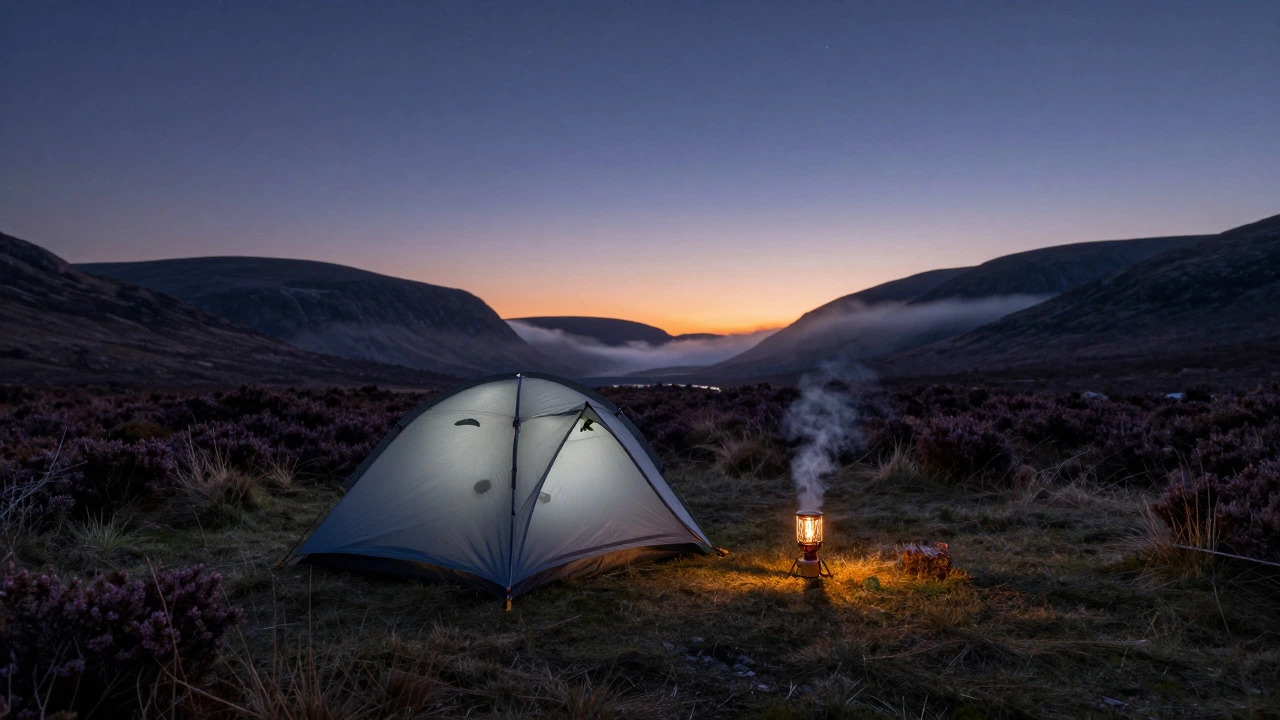
Imagine this: it’s 10 PM, you’ve hiked three miles off the main trail, and the sun is dipping below the horizon. You pitch your tent in a quiet clearing, brew a cup of tea on a portable stove, and settle in for the night under a sky full of stars. It sounds like the ultimate escape from city life. But then, a question creeps into your mind: is wild camping safe?
The short answer is yes-but with conditions. Wild camping isn’t inherently dangerous, but it does require more preparation, awareness, and responsibility than staying at a booked campsite. Whether you’re heading into the Scottish Highlands or exploring remote spots in Wales, understanding the risks and how to mitigate them can make all the difference between an unforgettable experience and a stressful ordeal.
What Is Wild Camping, Exactly?
Wild camping is the practice of sleeping outdoors in natural settings without using designated campsites or facilities. Unlike traditional camping, where you pay for a spot with access to toilets, water, and sometimes even electricity, wild camping means bringing everything you need and leaving nothing behind.
In the UK, wild camping legality varies by region. In Scotland, the Land Reform (Scotland) Act 2003 grants everyone the right to roam and camp responsibly on most land, as long as they follow the Scottish Outdoor Access Code. In England and Wales, however, wild camping is generally considered trespass unless you have the landowner’s permission. This legal distinction is crucial-if you’re caught camping illegally, you could be asked to leave, fined, or face other consequences.
Common Safety Concerns When Wild Camping
Let’s get real about what keeps people up at night-literally. Here are the top safety concerns when wild camping:
- Weather exposure: Sudden storms, cold snaps, or high winds can turn a peaceful evening into a survival situation if you’re unprepared.
- Wildlife encounters: While rare in the UK, animals like foxes, deer, or even badgers can surprise you, especially if you store food improperly.
- Remote locations: If something goes wrong-injury, lost gear, or getting disoriented-you might not have easy access to help.
- Human factors: Unfortunately, theft or unwanted attention from locals or other campers can happen, though it’s uncommon in truly remote areas.
- Terrain hazards: Uneven ground, hidden roots, or proximity to water sources can pose physical risks.
None of these are deal-breakers, but they do demand respect and planning.
How to Stay Safe: Essential Tips for Wild Campers
Safety starts before you even step foot outside your car. Here’s how to prepare:
- Check the weather forecast: Use reliable apps like Met Office or Windy to monitor conditions. Avoid camping during severe weather warnings.
- Choose your location wisely: Look for flat, dry ground away from flood zones, cliff edges, or dense thickets. In Scotland, stick to areas permitted under the Land Reform Act.
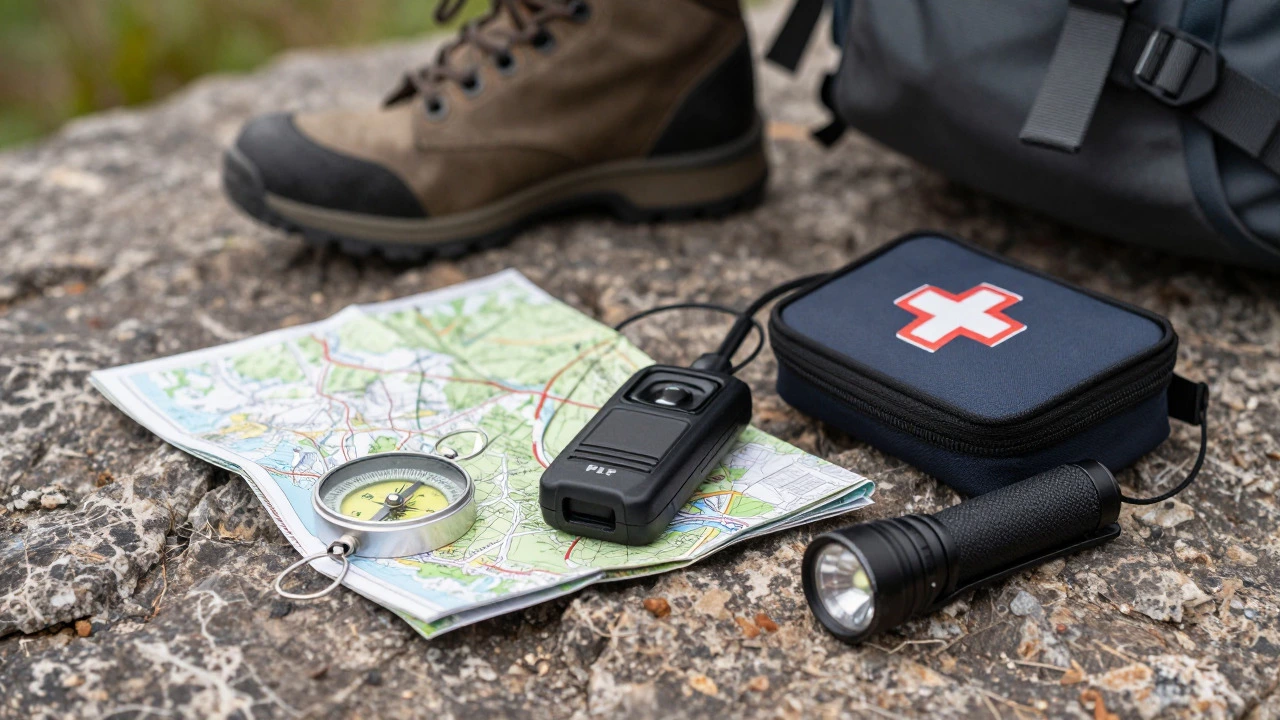
- Inform someone of your plans: Share your route, expected return time, and backup contact with a friend or family member. Consider carrying a personal locator beacon (PLB) for emergencies.
- Bring proper gear: Invest in a four-season tent, insulated sleeping bag, and waterproof clothing. Don’t skimp on quality-it pays off when conditions change unexpectedly.
- Store food securely: Hang food bags or use bear-proof containers (even in the UK, rodents love snacks). Keep scented items sealed and away from your sleeping area.
- Follow Leave No Trace principles: Pack out all trash, avoid damaging vegetation, and minimize fire impact. Respect both nature and future visitors.
Legal Considerations Across the UK
Understanding local laws is key to avoiding trouble. Here’s a quick breakdown:
| Region | Legality | Key Regulations |
|---|---|---|
| Scotland | Permitted | Land Reform (Scotland) Act 2003; Scottish Outdoor Access Code |
| England | Generally illegal | Trespass laws apply; seek landowner permission |
| Wales | Limited permits | Some national parks allow wild camping with restrictions |
| Northern Ireland | Rarely allowed | Most lands require explicit permission |
If you’re unsure whether a spot is legal, ask around locally or check resources like the Countryside and Rights of Way Act 2000 for England and Wales. Remember, being respectful goes a long way-even if technically trespassing, polite communication with landowners often resolves issues peacefully.
Dealing with Wildlife and Natural Hazards
While the UK doesn’t have grizzlies or mountain lions, wildlife still plays a role in wild camping safety. Foxes scavenging near tents, snakes basking on rocks, or insects buzzing around campfires-all are part of the ecosystem. To coexist safely:
- Keep a clean campsite. Food smells attract curious creatures.
- Avoid disturbing nests or dens. Observe from a distance.
- Use insect repellent and wear protective clothing during peak bug seasons.
- Be cautious near rivers or lakes-water levels can rise quickly after rain.
Natural hazards also include slippery trails, falling branches, or sudden temperature drops. Always carry a basic first aid kit and know how to use it. Familiarize yourself with emergency numbers and services in the region you’re visiting.
Technology Tools That Enhance Safety
Modern tech has made wild camping safer than ever. Here are some must-have tools:
- GPS devices: Garmin or Suunto models provide accurate navigation offline.
- Emergency beacons: Devices like SPOT Gen4 send SOS signals via satellite.
- Weather apps: AccuWeather or Weather Underground offer hyperlocal forecasts.
- Trail cameras: For extended trips, set up motion-activated cameras to monitor surroundings discreetly.
Don’t rely solely on smartphones-they drain batteries fast and lose signal in remote areas. Combine digital tools with analog backups like maps and compasses.
Building Confidence Through Experience
Your first wild camping trip might feel daunting, but confidence grows with each outing. Start small: try overnight stays closer to home, join guided groups, or connect with experienced campers online. Communities like Reddit’s r/wildcamping or Facebook groups dedicated to outdoor adventures share tips, stories, and advice tailored to specific regions.
Over time, you’ll develop intuition about reading terrain, spotting potential dangers, and adapting to changing conditions. Trust your instincts-if something feels off, move on. There’s no shame in calling off a plan due to uncertainty.
Environmental Responsibility Matters
Safety extends beyond personal well-being-it includes preserving the environment for others. The Leave No Trace Center for Outdoor Ethics outlines seven core principles that every wild camper should embrace:
- Plan ahead and prepare.
- Travel and camp on durable surfaces.
- Dispose of waste properly.
- Leave what you find.
- Minimize campfire impacts.
- Respect wildlife.
- Be considerate of other visitors.
By following these guidelines, you contribute to sustainable practices that keep wild spaces open and enjoyable for generations to come.
When Things Go Wrong: Emergency Preparedness
No matter how carefully you plan, accidents happen. Knowing how to respond calmly saves lives. Key steps include:
- Stay calm and assess the situation.
- Provide immediate care using your first aid kit.
- Contact emergency services through phone, PLB, or whistle signals.
- Signal for help visually (bright colors, smoke) or audibly (whistles).
- Wait for rescue rather than attempting risky self-rescue attempts.
Regularly review emergency procedures and practice drills so reactions become second nature.
Is wild camping safe for beginners?
Yes, but start gradually. Choose accessible locations close to civilization, bring essential gear, and inform someone of your itinerary. Joining group outings or taking introductory courses boosts confidence significantly.
Can I wild camp anywhere in the UK?
Not exactly. Scotland allows widespread wild camping under certain conditions, while England and Wales restrict it mostly to private agreements or designated zones. Check regional regulations beforehand.
What should I do if I encounter wildlife?
Remain calm, maintain distance, and avoid sudden movements. Store food securely and never approach wild animals directly. Most incidents occur because humans provoke responses unintentionally.
Do I need special insurance for wild camping?
Standard travel or health insurance may cover basic scenarios, but specialized outdoor policies often include search-and-rescue coverage. Review terms thoroughly before embarking on remote expeditions.
How do I handle bad weather during wild camping?
Monitor forecasts closely and adjust plans accordingly. Carry waterproof layers, sturdy shelters, and extra insulation. If conditions worsen drastically, relocate to safer ground or abort the trip entirely.
Are there any apps specifically designed for wild camping?
Several apps assist with navigation, weather updates, and community insights. Popular choices include AllTrails, Gaia GPS, and Windy. These platforms enhance situational awareness and decision-making capabilities.
Should I tell anyone where I’m going when wild camping?
Absolutely. Sharing detailed itineraries ensures quicker response times in case of emergencies. Include exact coordinates, estimated departure/return windows, and alternative contacts.
What kind of tent works best for wild camping?
Four-season tents excel in harsh environments thanks to robust materials and wind resistance features. Three-season options suffice milder climates provided ventilation remains adequate.
Is it okay to build fires while wild camping?
Only where permitted and done responsibly. Use established fire rings whenever possible, extinguish flames completely afterward, and prioritize stoves over open flames to reduce ecological footprint.
How much does wild camping equipment cost?
Initial investments range widely depending on preferences. Budget setups start around £200-£500, whereas premium configurations exceed £1,000+. Prioritize durability and functionality based on frequency of use.