Is Wild Camping Legal in Wisconsin? A Guide to Dispersed Camping
 Nov, 23 2026
Wisconsin Wild Camping Legality Checker
Check if your camping plan complies with Wisconsin's dispersed camping laws. Select your scenario below.
Fill out the form and click "Check Legality" to see if your campsite is allowed.
Quick Reference: Key Rules
- Time Max 14 consecutive nights on Federal/State Forests.
- Relocation Must move 5 miles away after 14 days.
- Water Keep 200+ ft from lakes, rivers, streams.
- Fire Check current fire bans; use propane if banned.
- Waste Pack it in, pack it out. Dig catholes 6-8" deep.
- Permits Usually not required for dispersed camping.
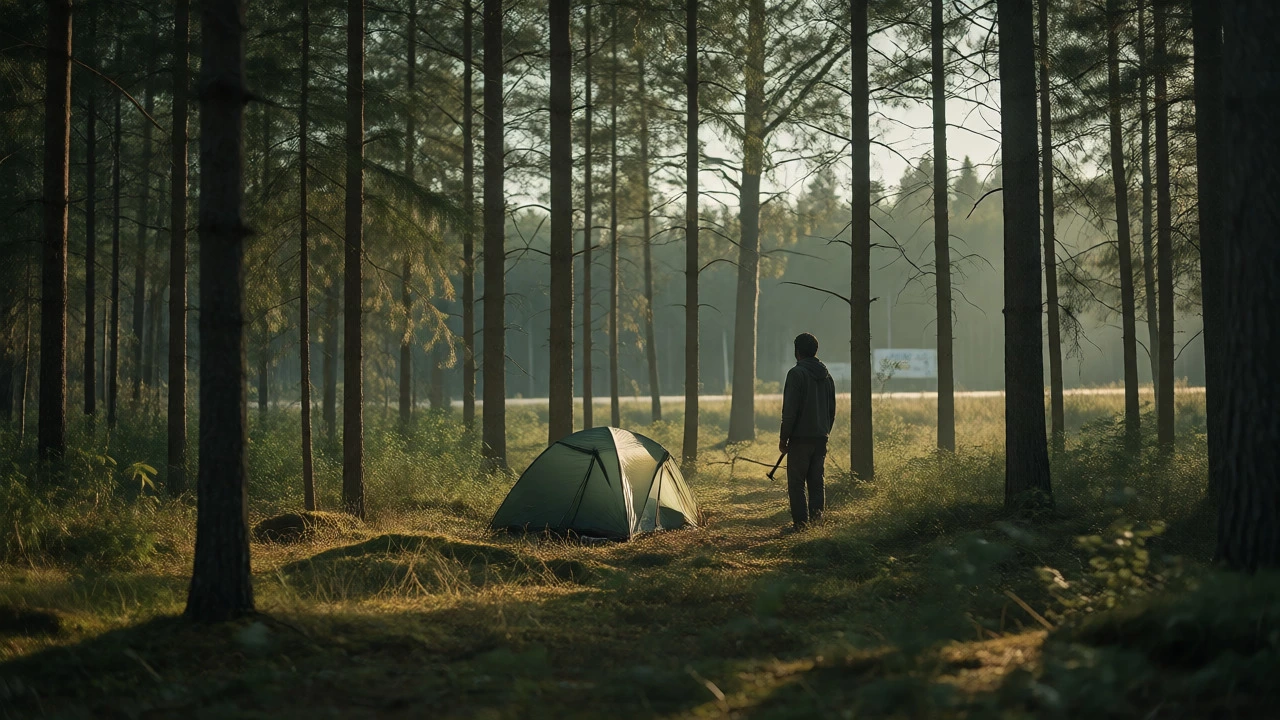
You pull off the highway, find a quiet patch of woods, and set up your tent. No reservation needed, no $40 nightly fee, just you and the trees. But as you start hammering stakes into the ground, a nagging thought hits: is wild camping legal in Wisconsin? You don't want to wake up to a ranger knocking on your door or a ticket taped to your car.
The short answer is yes, but with big asterisks. Unlike some states where you can camp anywhere on public land, Wisconsin has specific rules depending on who owns the dirt under your feet. If you are on federal land, you have more freedom. If you are on state land, things get stricter. And if you accidentally pitch a tent on private property without permission, you are trespassing.
Understanding the Difference: Federal vs. State Land
To know where you can sleep, you need to know who manages the land. In Wisconsin, the map is a patchwork of jurisdictions, and each one plays by different rules.
Federal Public Lands are managed by the US Forest Service and the Bureau of Land Management. These include the Chequamegon-Nicolet National Forest and the Kettle Moraine National Recreation Trail areas. On these lands, dispersed camping is generally allowed for free. This means you can camp outside designated campgrounds, usually for up to 14 days within a 30-day period. The key here is "generally." While it is legal, you still cannot camp in developed recreation sites, picnic areas, or within 200 feet of any water source like lakes, streams, or rivers. This buffer zone protects the shoreline from erosion and pollution.
State Public Lands fall under the jurisdiction of the Wisconsin Department of Natural Resources (WDNR). This includes State Parks, State Forests, and Wildlife Areas. Here, the rules tighten up significantly. Most State Parks require you to stay in designated campsites. You cannot just wander into the woods and pitch a tent wherever you please. However, many State Forests allow dispersed camping, similar to federal lands, but often with stricter distance requirements from roads and trails.
The Golden Rule: Distance and Duration
If you are planning a trip to the Chequamegon-Nicolet National Forest, which covers over 1.5 million acres in northern Wisconsin, you have plenty of room to roam. But legality hinges on two main factors: time and location.
- Time Limit: You can stay for 14 consecutive nights. After that, you must move at least five miles away before returning. This prevents people from setting up permanent residences in the forest.
- Distance Rules: Stay at least 200 feet away from any lake, river, or stream. Also, avoid parking or camping within 200 feet of a developed campground or day-use area. Some areas may require you to be a certain distance from the road-often 150 to 300 feet-to ensure privacy and reduce noise impact.
Violating these rules isn't just about getting fined; it's about preserving the experience for others. When everyone crowds around the same scenic spot, the solitude vanishes. Spreading out keeps the wilderness feeling wild.
Private Property: The Biggest Pitfall
Here is where most beginners get burned. Wisconsin has vast tracts of private land, especially in rural areas. Just because there is no fence doesn't mean it's open access. In fact, much of the land adjacent to public forests is privately owned.
Wisconsin law does not grant the public an automatic right to enter private land for recreation. If you see a "No Trespassing" sign, obey it. Even if there are no signs, assume it is private unless you have explicit permission. Many farmers and landowners are friendly to hunters and hikers, but they draw the line at campers who leave trash behind or drive ATVs through their fields.
A good heuristic? If you can't see a public trailhead leading directly to your spot, check the map. Use tools like the WDNR Public Access Locator or apps like Campendium and iOverlander, which rely on community reports. If recent reviews mention rangers patrolling or signs being posted, believe them. Never assume that a rutted logging road leads to legal camping rights.
Fire Safety and Waste Management
Legality isn't just about where you sleep; it's about what you do while you're there. Two issues cause the most friction between campers and land managers: fires and waste.
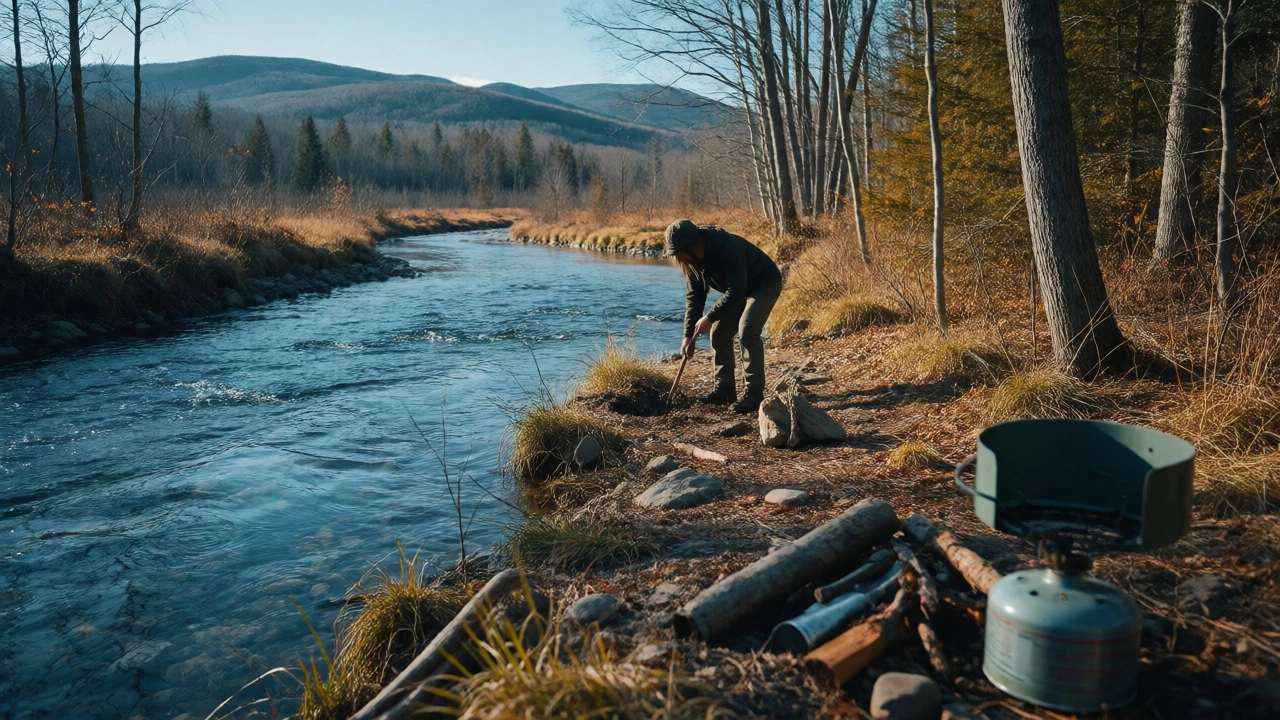
Fire Restrictions change frequently based on drought conditions and season. During dry spells, the US Forest Service or WDNR may issue total fire bans. This means no wood fires, even in established fire rings. Propane stoves are usually okay, but always check current alerts before lighting a match. A single ember escaping a poorly maintained fire pit can start a wildfire that burns hundreds of acres.
Waste Management follows the "Pack It In, Pack It Out" principle strictly. This applies to everything: food scraps, toilet paper, and hygiene products. Human waste requires special attention. Dig a cathole six to eight inches deep and at least 200 feet from water sources, trails, and your campsite. Cover it completely when you leave. Do not bury trash, as animals will dig it up. Leaving behind a plastic bag or apple core might seem minor, but it alters animal behavior and litters the landscape for years.
Where to Go: Top Spots for Dispersed Camping
Knowing the rules is half the battle; knowing where to apply them is the other half. Here are three reliable areas in Wisconsin where dispersed camping is common and legal.
| Location | Land Manager | Key Features | Best For |
|---|---|---|---|
| Chequamegon-Nicolet NF | US Forest Service | Lakes, rivers, extensive trail network | Fishing, hiking, long stays |
| Kettle Moraine State Forest | WDNR | Rolling hills, glacial features | Short trips, mountain biking |
| Tri-County Ridges | WDNR / Private Mix | Rugged terrain, remote feel | Off-grid enthusiasts |
The Chequamegon-Nicolet National Forest is the gold standard for wild camping in the state. With thousands of miles of forest roads, you can easily find a secluded spot along Lake Vieux Desert or near the Paint River. The scenery is stunning, and the regulations are well-defined.
Kettle Moraine State Forest, located east of Madison, offers a different vibe. It’s closer to urban centers, making it perfect for weekend warriors. However, because it’s more accessible, it sees heavier traffic. You’ll need to drive deeper into the forest to find true solitude. Be aware that some parts of Kettle Moraine are designated for hunting seasons, so wear blaze orange during November and December.
The Tri-County Ridges in the northwest corner of the state offer some of the most rugged terrain in Wisconsin. It’s less crowded than the national forest but requires more navigation skill. Cell service is spotty, so download offline maps before you go.
Common Mistakes to Avoid
Even experienced campers slip up. Here are the top three mistakes that lead to fines or angry looks from locals.
- Ignoring Seasonal Closures: Some forest roads close in winter due to snow or ice. Camping on a closed road can block plows or emergency vehicles. Always check the local ranger station website for current road status.
- Leaving Camp Too Early: Don’t pack up at midnight just to reset your 14-day clock. Rangers track vehicle registrations. If you leave and return immediately, you haven’t moved five miles. Plan a genuine relocation if you want to extend your stay.
- Assuming "Public" Means "Open": As mentioned, state forests vary. Some units are closed to dispersed camping entirely to protect sensitive habitats. Read the specific unit management plan for your destination.
Final Thoughts on Responsible Camping
So, is wild camping legal in Wisconsin? Yes, provided you respect the boundaries of land ownership and follow Leave No Trace principles. The freedom to sleep under the stars without a reservation is a privilege, not a right. By staying informed about current fire bans, keeping your distance from water, and packing out every scrap of trash, you help keep these lands open for future campers.
Before you hit the road, spend ten minutes checking the WDNR alerts page and the US Forest Service warnings. It takes little effort but saves you from potential headaches. Grab your gear, pick a spot on the map, and enjoy the silence of the northern woods.
Can I camp anywhere in Wisconsin State Parks?
Generally, no. Most Wisconsin State Parks require you to reserve a site in a designated campground. Dispersed camping is rarely allowed within park boundaries unless specifically noted in the park's management plan. Always check with the individual park office before assuming you can pitch a tent off-trail.
How long can I stay in one spot on federal land?
You can stay for up to 14 consecutive nights. After that, you must relocate your campsite at least five miles away. You can then return after another 14 nights have passed elsewhere. This rule applies to the Chequamegon-Nicolet National Forest and other US Forest Service lands.
Do I need a permit for dispersed camping?
For most dispersed camping on federal and state forest lands, no permit is required. However, some high-demand areas or special use zones might require a self-issue permit or a fee. Always check local signage or contact the nearest ranger district to confirm current requirements.
Is it safe to drink water from streams in Wisconsin?
Never drink untreated water directly from streams, lakes, or springs. Giardia and Cryptosporidium parasites are common in Wisconsin waters. Always filter, boil, or chemically treat your water before consuming it, regardless of how clear it looks.
What should I do if I encounter a bear?
Store all food, scented items, and trash in bear-resistant containers or hang them at least 10 feet off the ground and 4 feet out from the trunk. If you encounter a black bear, make yourself look large, speak loudly, and back away slowly. Do not run. Bears are generally shy but curious, especially around campgrounds.