Is Wild Camping Legal in California? The 2026 Rules for Beaches & Forests
 May, 24 2026
California Wild Camping Legality Checker
How it works: Select the type of land you plan to camp on below to instantly see if wild camping is legal there, along with specific rules and potential fines.
BLM Land
Bureau of Land Management (Deserts, Eastern CA)
National Forest
USFS Managed Lands (Sierra Nevada, Shasta-Trinity)
State Park
CA State Parks & Beaches (Point Reyes, Big Sur)
Urban / City Limits
Cities, Counties, Residential Streets
Coastal Beach
Public beaches, tide pools, coastal bluffs
Private Land
Ranches, private property, gated areas
Land Type
Key Rules & Regulations
Potential Penalties
Pro Tip
You pack the tent, load the car, and drive out to that stunning stretch of coastline or quiet forest road in California. You want nothing but silence, stars, and sand beneath your feet. But before you pitch that first peg, you need to know one thing: is it actually legal to sleep there? The short answer is complicated. In many places, yes. In others, absolutely not. And getting it wrong can cost you a fine, towed vehicle, or worse.
California’s landscape is massive, managed by dozens of different agencies with conflicting rules. What works in the Sierra Nevada might get you arrested on the Central Coast. This guide cuts through the confusion so you can camp wild without breaking the law.
The Golden Rule: Who Owns the Land?
The legality of wild camping depends entirely on who owns the ground under your tent. There is no single "California law" that bans or allows it everywhere. Instead, you are subject to the regulations of the specific land management agency.
- Federal Land (BLM & National Forests): Generally more permissive. Dispersed camping is often allowed unless posted otherwise.
- State Parks: Almost always prohibited outside designated sites.
- County/City Land: Highly restricted. Many counties ban overnight sleeping in vehicles or tents entirely.
- Private Land: Illegal without explicit permission from the owner.
If you see a sign saying "No Overnight Parking" or "No Camping," you must obey it. Ignoring these signs is the fastest way to get a citation. Always look for signage at trailheads, parking areas, and along roadsides.
Camping on BLM Land: The Loophole That Works
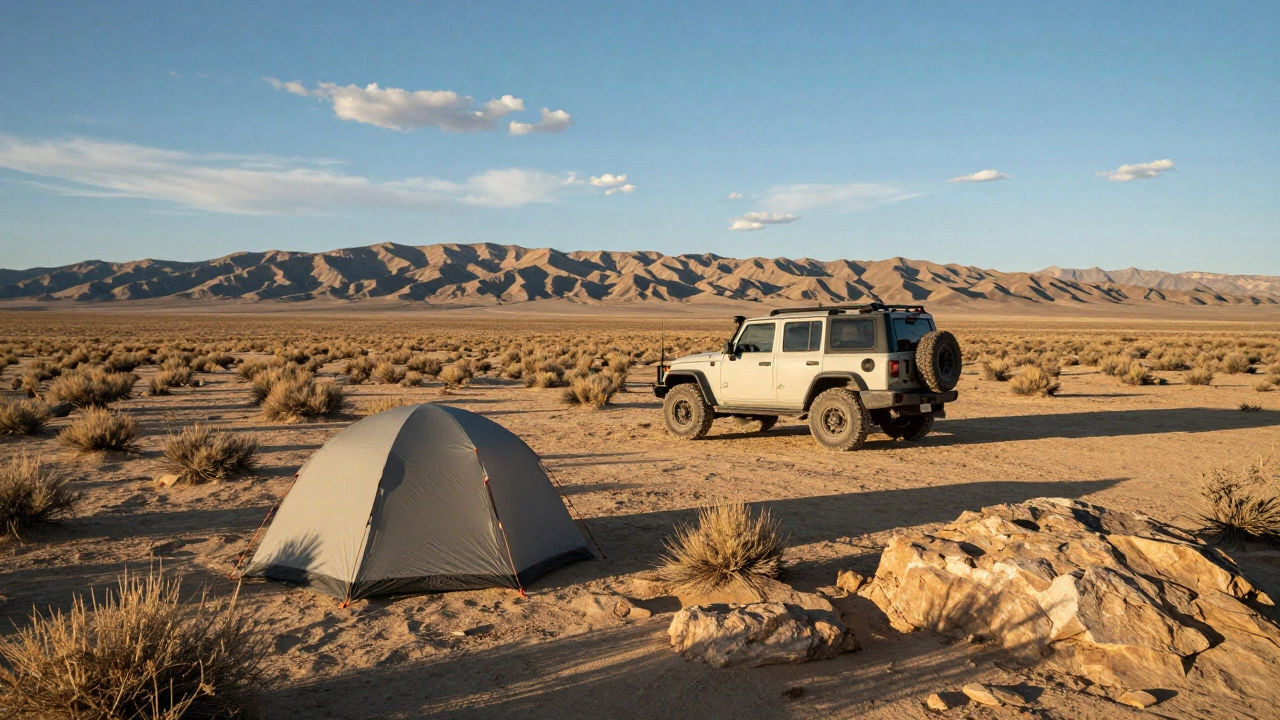
The Bureau of Land Management (BLM) manages millions of acres in California, particularly in the eastern deserts near Death Valley and around Bishop. This is where most legal wild camping happens.
BLM policy generally allows dispersed camping-camping away from developed facilities-for up to 14 days within a 28-day period. You must be at least 100 yards away from any existing campground or water source. You cannot cut trees, build fires in high-fire-risk zones, or leave trash behind.
| Land Type | Wild Camping Allowed? | Key Restrictions |
|---|---|---|
| BLM Land | Yes (Dispersed) | 14 days max per 28; stay 100+ yards from water/campgrounds |
| National Forests | Usually Yes | Must be 200+ feet from trails/water; fire restrictions vary |
| State Parks | No | Camping only in reserved sites; strict fines for unauthorized use |
| Beaches (Coastal) | Rarely | Most require permits or are in state parks; local ordinances apply |
| City/County Limits | No | Overnight parking bans common; homeless encampment sweeps frequent |
The Beach Question: Can You Camp on Sand?
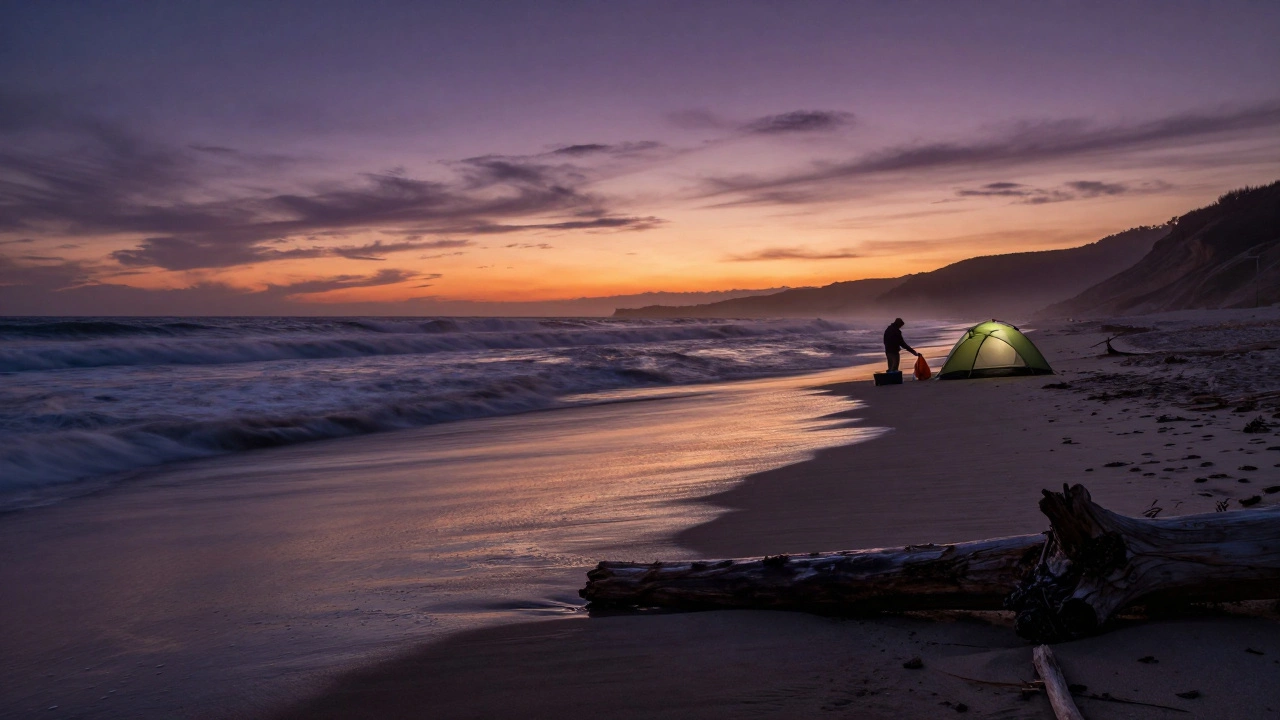
You mentioned beach campsites. Here is the hard truth: true wild camping on California beaches is extremely rare and mostly illegal. Most of California’s coastline falls under the jurisdiction of the California State Parks system or local county governments.
In State Parks like Point Reyes or Pfeiffer Big Sur, you must book a site in advance. Sleeping on the beach outside these designated areas is prohibited. Why? Because coastal ecosystems are fragile. Tides shift, nesting birds are disturbed, and trash washes ashore easily.
Some remote stretches of beach, particularly those managed by the BLM in the north near the Oregon border, might allow dispersed camping. However, even here, you must check local tide charts and erosion risks. Never camp below the high-tide line. If you wake up underwater, you’ve picked the wrong spot.
For beach lovers, the legal alternative is to look for "primitive" campsites just inland from the coast. These often offer shower access and fire rings while keeping you close to the ocean.
National Forests: The Best Bet for Forest Camping
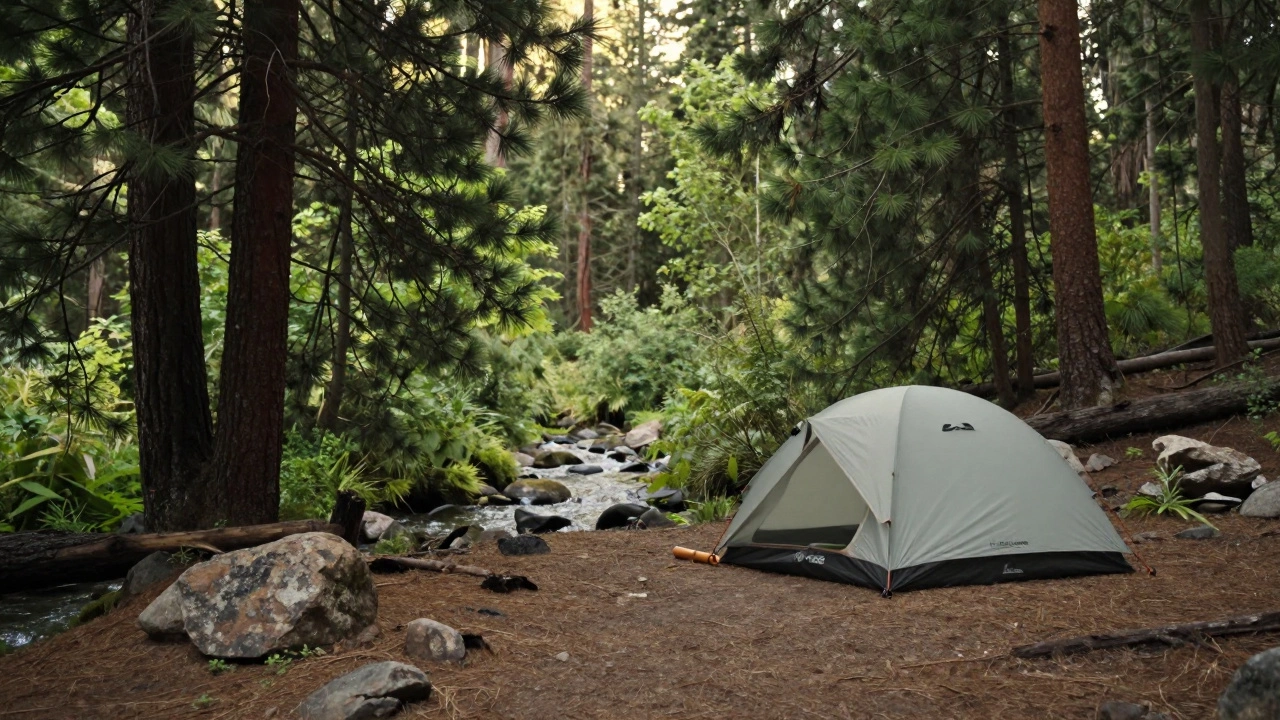
If you prefer trees over tides, National Forests are your friend. California has nine national forests, including Shasta-Trinity, Sierra, and Angeles. Most allow dispersed camping if you follow the "Leave No Trace" principles.
Rules typically include:
- Stay at least 200 feet from lakes, streams, and established trails.
- Camp on durable surfaces like rock or old clearings, not fresh vegetation.
- Limit stays to 14 consecutive days.
- Check for current fire restrictions. During dry summers, campfires may be banned entirely.
Always carry a map. Cell service is spotty in many forest areas. Knowing exactly which forest boundary you are in helps you verify rules online before you arrive.
Urban Areas: The Danger Zone
Do not attempt wild camping in cities like Los Angeles, San Francisco, or San Diego. Local ordinances strictly prohibit overnight sleeping in public spaces, including cars, tents, and parks. Enforcement is aggressive, with regular sweeps and towing operations.
Even in smaller towns, "no overnight parking" signs are common on residential streets. If you’re road-tripping, plan to park in legitimate campgrounds, Walmart parking lots (where permitted), or rest areas that explicitly allow 8-hour stops.
How to Stay Legal and Safe
Want to enjoy wild camping without the stress? Follow these steps:
- Use Official Maps: Download maps from the USGS or CalTopo app to identify BLM and National Forest boundaries.
- Check Fire Bans: Visit fire.ca.gov daily during summer months. A red flag order means no open flames.
- Ask Locals: Rangers and shop owners know the unwritten rules. They can tell you which spots are safe and which are patrolled.
- Carry Out Everything: Pack out all trash, including toilet paper. Use wag bags if no facilities exist.
- Respect Wildlife: Store food in bear-proof containers in forest areas. Do not approach animals.
What Happens If You Get Caught?
Violating camping laws can result in fines ranging from $50 to $500, depending on the agency and severity. Repeated offenses may lead to trespassing charges. In protected areas like wildlife refuges, penalties can be higher due to environmental damage concerns.
More importantly, illegal camping harms the experience for everyone. When people break rules, authorities tighten restrictions for all users. By following guidelines, you help keep these lands open for future adventurers.
Alternatives to Illegal Wild Camping
If you can’t find a legal dispersed spot, consider these options:
- Boondocking Apps: Use apps like iOverlander or FreeRoam to find verified free campsites.
- Dispersed Camping Near Towns: Many small towns have BLM land just outside city limits. Look for dirt roads leading into desert or forest.
- Volunteer Work: Organizations like Workaway connect travelers with hosts who provide free accommodation in exchange for help.
Remember, the goal is to enjoy nature responsibly. With proper planning, you can experience the magic of California’s wilderness without breaking any laws.
Can I sleep in my car on a California beach?
Generally, no. Most California beaches are part of State Parks or county-managed areas where overnight parking is prohibited. Some remote BLM beaches in the north may allow it, but you must verify local rules. Always look for signage prohibiting overnight stays.
Where is wild camping legal in California?
Wild camping is primarily legal on Bureau of Land Management (BLM) land and in most National Forests, provided you follow dispersed camping rules. You must stay away from developed campgrounds and water sources, limit your stay to 14 days, and adhere to Leave No Trace principles.
What is the fine for illegal camping in California?
Fines vary by location and agency. State Parks may issue citations starting at $50, while federal lands can impose higher penalties for environmental violations. In urban areas, fines for overnight parking or tent setup can exceed $500, plus potential towing fees.
Can I camp anywhere in Yosemite National Park?
No. Yosemite National Park requires backcountry permits for all overnight stays, even if you are not staying in a developed campground. You must reserve a permit well in advance and camp only in designated zones. Unauthorized camping is strictly enforced.
Are there any free beach campsites in California?
True free beach campsites are extremely rare. Most coastal camping requires a reservation and fee through State Parks or private operators. Some primitive inland sites near the coast may be low-cost or free, but they are not directly on the sand. Always verify current availability and regulations.