Is It Legal to Wild Camp in the US? State-by-State Rules
 Aug, 17 2026
Wild Camping Legality Checker
Choose the type of land where you plan to pitch your tent.
Select a land type and click "Check Legality" to see rules.
There is a persistent myth that you can pitch a tent anywhere in America as long as nobody sees you. This is dangerously wrong. Unlike the UK, where Right to Roam allows free access on most land with permission from the owner, the United States operates on a strict property rights system. If you set up camp on private land without explicit consent, you are trespassing. Period.
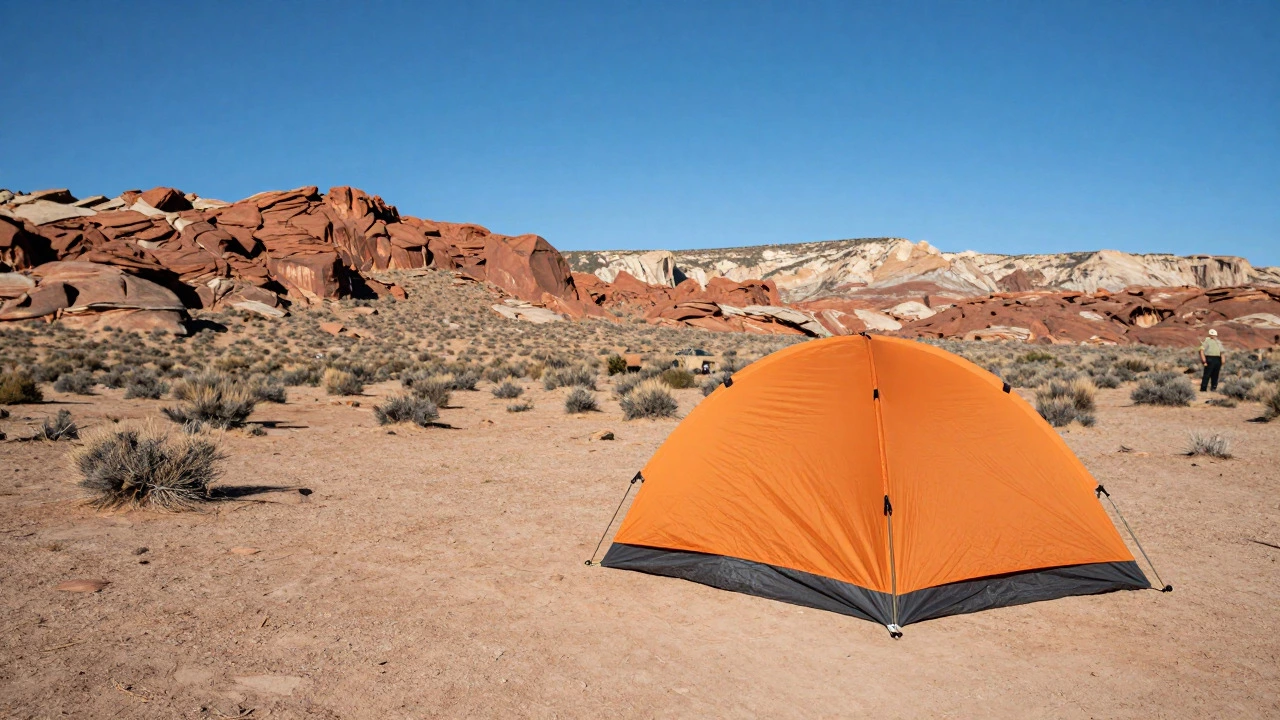
However, the landscape changes dramatically when you move onto federal or public lands. The reality of wild camping in the US depends entirely on which agency manages the ground beneath your feet. A tent pitched on Bureau of Land Management (BLM) land in Nevada is often perfectly legal, while the same setup in a National Park might result in a fine or eviction. Understanding these distinctions is the difference between a memorable adventure and an expensive legal headache.
The Federal Lands Hierarchy: Who Owns the Ground?
To understand legality, you must first identify the land manager. The US government controls roughly 640 million acres of public land, but each agency has its own rulebook. Here is how the major players stack up:
- Bureau of Land Management (BLM): Manages about 245 million acres, mostly in the West. Generally the most permissive for dispersed camping (camping away from developed sites).
- US Forest Service (USFS): Manages national forests. Rules vary by specific forest; some allow dispersed camping, others restrict it to designated areas only.
- National Park Service (NPS): Manages national parks. Dispersed camping is heavily restricted or banned in most parks. You usually need a designated campground or a special permit.
- US Fish and Wildlife Service (FWS): Manages wildlife refuges. Camping is often prohibited or requires a specific permit, as the primary goal is habitat protection.
The key term here is "dispersed camping." This refers to camping outside of established campsites, typically in a remote area. On BLM land, this is generally allowed unless posted otherwise. On NPS land, it is often illegal. Always check the specific unit’s regulations before you pack your gear.
State-Specific Rules: The Wild Card
Federal rules apply to federal land. But what about state-owned land or private land? This is where things get tricky because every state has its own statutes. Some states have explicit laws allowing or banning wild camping, while others leave it to local ordinances or common law.
| Land Type | General Legality | Key Restrictions |
|---|---|---|
| BLM Land (Federal) | Generally Allowed | 14-day limit in many areas; no open fires if prohibited; stay 100ft from water. |
| USFS Land (Federal) | Varies by Forest | Some forests ban it entirely; others require 300ft distance from trails. |
| National Parks (Federal) | Usually Prohibited | Must use designated campsites; backcountry permits required for hiking trips. |
| State Parks | Prohibited | Only designated sites allowed; high fines for trespassing. |
| Private Land | Trespassing | Requires explicit written or verbal permission from owner. |
In states like California, Oregon, and Washington, dispersed camping on public lands is well-established culture. In contrast, states with dense populations like New York or Florida have very little undeveloped public land suitable for wild camping, making it effectively illegal in practice due to lack of space and strict local zoning.
The 14-Day Rule and Duration Limits
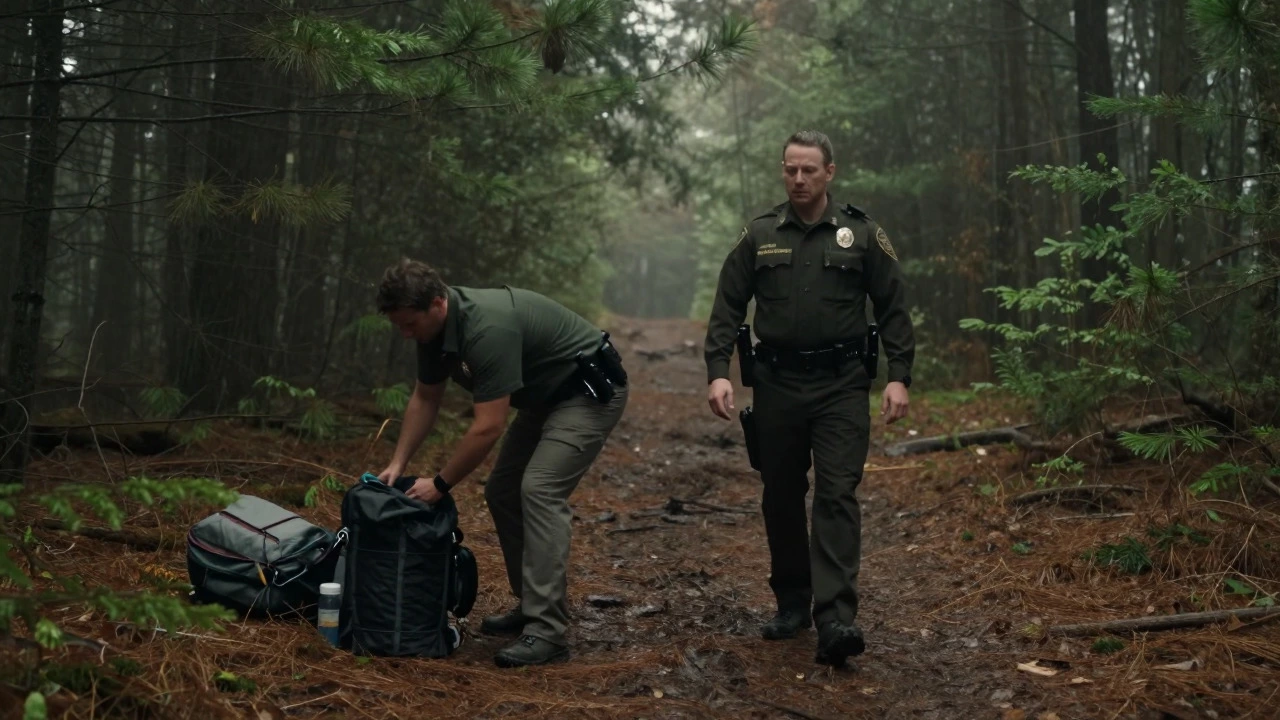
If you are planning a multi-week trip, pay attention to duration limits. Many BLM districts enforce a 14-day maximum stay within a 100-mile radius. After 14 days, you must move at least 10 miles away from your previous site. This rule prevents permanent residency on public lands without paying rent.
Why does this matter? If you are doing a thru-hike, you need to plan your route to ensure you hit new sections of land every two weeks. Ignoring this rule can lead to citations from rangers who track camper locations via GPS logs or reports from locals.
Leave No Trace: The Unwritten Law
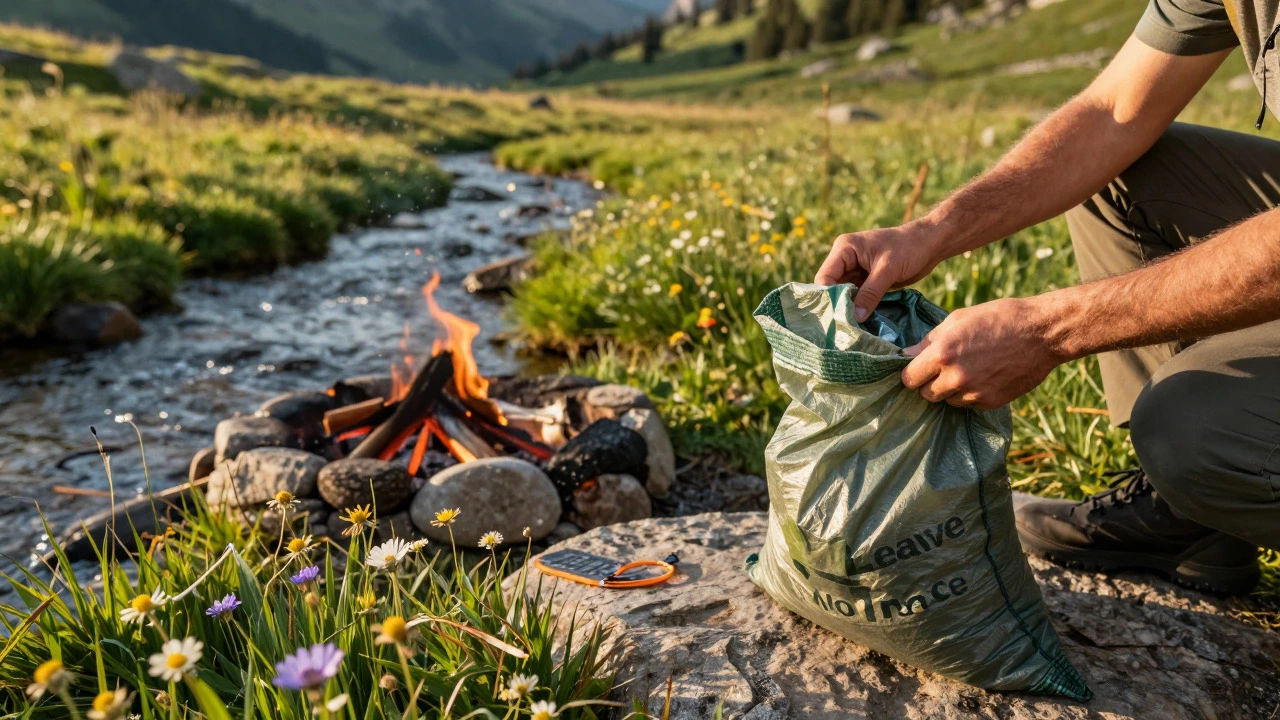
Even where wild camping is technically legal, social license matters. If you leave trash, dig fire pits, or disturb wildlife, you risk having the entire area closed off to future campers. The Leave No Trace principles are not just suggestions; they are the ethical backbone of American backcountry ethics.
- Camp on durable surfaces (rock, gravel, dry grass) rather than soft soil.
- Carry out all trash, including food scraps.
- Use established fire rings if available; avoid starting new fires in dry seasons.
- Stay 200 feet from water sources to protect drinking water quality.
- Keep noise low after 9 PM to respect other users.
Rangers are more likely to tolerate a minor technical violation (like being slightly too close to a trail) if you are clean, quiet, and respectful. Conversely, a messy campsite will get you evicted quickly, regardless of the legal status of the spot.
How to Verify Before You Go
Don’t guess. Use official tools to verify legality:
- Recreation.gov: Check for campgrounds and permits in national parks and forests.
- OnTheGoMap.com: A community-driven map that flags legal dispersed camping spots on BLM and USFS land.
- Local Ranger Stations: Call ahead. Rangers know the current conditions, such as fire bans or seasonal closures, better than any website.
Always look for signage. If you see a sign saying "No Camping," it is illegal, even if the land is public. Signs override general permissions.
Common Pitfalls to Avoid
Many experienced campers still make mistakes that lead to trouble. Here are the most common ones:
- Assuming 'Public' Means 'Free': Public land is not necessarily open for unlimited use. Check for specific zone designations.
- Ignoring Fire Bans: During droughts, fire bans become strict. Even small stoves can be restricted. Check local alerts daily.
- Camping Near Trails: While convenient, staying too close (< 100 feet) can annoy hikers and violate regulations. Aim for 300 feet minimum.
- Overlooking Private Access Roads: Just because a road looks public doesn’t mean it is. Driving down a private road to reach a public spot can constitute trespassing.
When in doubt, ask. A quick conversation with a local shopkeeper or ranger can save you a weekend of stress.
Is it legal to wild camp in National Parks?
Generally, no. Most National Parks prohibit dispersed camping. You must stay in designated campgrounds or obtain a backcountry permit for hiking routes. Always check the specific park’s regulations, as a few smaller parks may have limited exceptions.
What is the difference between BLM and Forest Service land?
BLM land is primarily managed for multiple uses like mining, grazing, and recreation, and is generally more open to dispersed camping. USFS land is managed primarily for timber and conservation, so camping rules are stricter and vary significantly by individual forest.
Do I need a permit to wild camp in the US?
For standard dispersed camping on BLM land, no permit is usually needed. However, you may need a permit for backcountry camping in National Parks, Wildlife Refuges, or certain National Forests. Always verify with the managing agency.
Can I wild camp on private land if the owner isn't around?
Technically, yes, if you have prior permission. However, without explicit consent, it is considered trespassing. Relying on the absence of the owner is risky and can lead to civil liability if the landowner later complains.
What happens if I get caught illegal wild camping?
Consequences vary. You might receive a warning, a fine (typically $50-$500), or be asked to leave immediately. In severe cases involving environmental damage, fines can be higher. Repeat offenses can lead to bans from specific parks or lands.