Is It Legal to Sleep on the Beach in South Carolina? Rules, Fines & Alternatives
 Jul, 13 2026
South Carolina Beach Sleep Calculator
Estimate the cost of breaking the rules versus staying legal.
Estimated Cost
$0
Click a myth to reveal the legal reality.
"If I'm quiet, no one will care."
FACT: Security cameras and patrols monitor high-traffic zones regardless of noise levels.
"State beaches allow overnight stays."
FACT: All state-managed beaches close at sunset; gates lock automatically.
"I can sleep in my van if I don't unfold the awning."
FACT: Vehicles are included in anti-camping ordinances—even without gear deployed.
"Private beaches are fair game."
FACT: Most private beaches prohibit unauthorized access; trespassing carries criminal penalties.
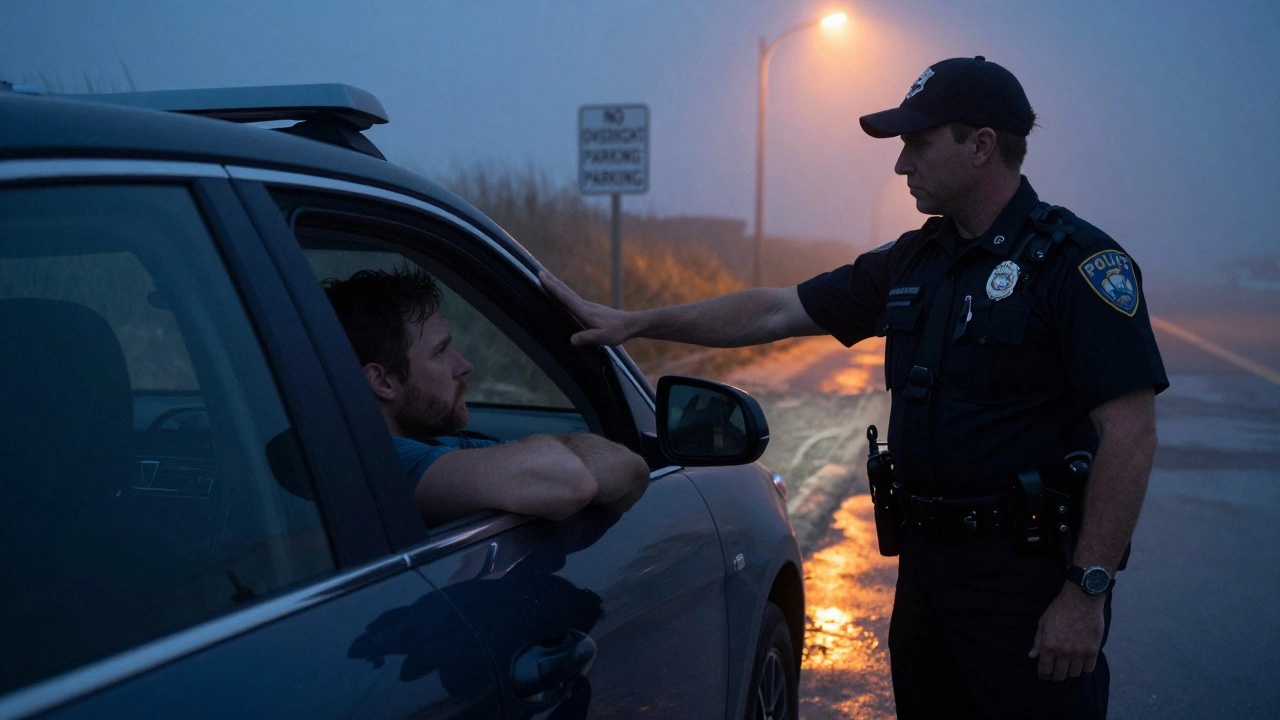
You’ve driven down the coast, the sun is setting, and your car feels like a prison cell. You pull over near the dunes, thinking you’ll just grab four hours of sleep before heading home. But then you see the sign: No Overnight Parking. Or worse, you wake up to a police officer tapping on your window.
If you’re wondering whether it’s legal to sleep on the beach in South Carolina, the short answer is no. You cannot legally camp or sleep overnight on any public beach in the state. The long answer involves local ordinances, strict enforcement zones, and some clever workarounds if you’re determined to stay close to the sand without breaking the law.
Why Sleeping on the Beach Is Illegal in South Carolina
South Carolina manages its coastline through a mix of state laws and local county ordinances. While the state doesn’t have a single blanket ban on all overnight activity everywhere, every major coastal municipality has passed strict rules against sleeping on beaches or in vehicles parked near them.
The primary reason isn’t just about keeping tourists out-it’s about safety, sanitation, and property rights. Beaches are public spaces under the Public Trust Doctrine, but that doesn’t mean they’re free-for-all campsites. Local governments need to manage foot traffic, prevent littering, protect wildlife habitats (like sea turtle nesting grounds), and ensure emergency access routes remain clear.
In places like Hilton Head Island is a popular resort destination with strict noise and occupancy laws enforced by private security and local police., violations can lead to hefty fines. In Myrtle Beach, the city actively patrols for people attempting to "car camp" along Ocean Boulevard after dark.
Local Ordinances That Ban Overnight Stays
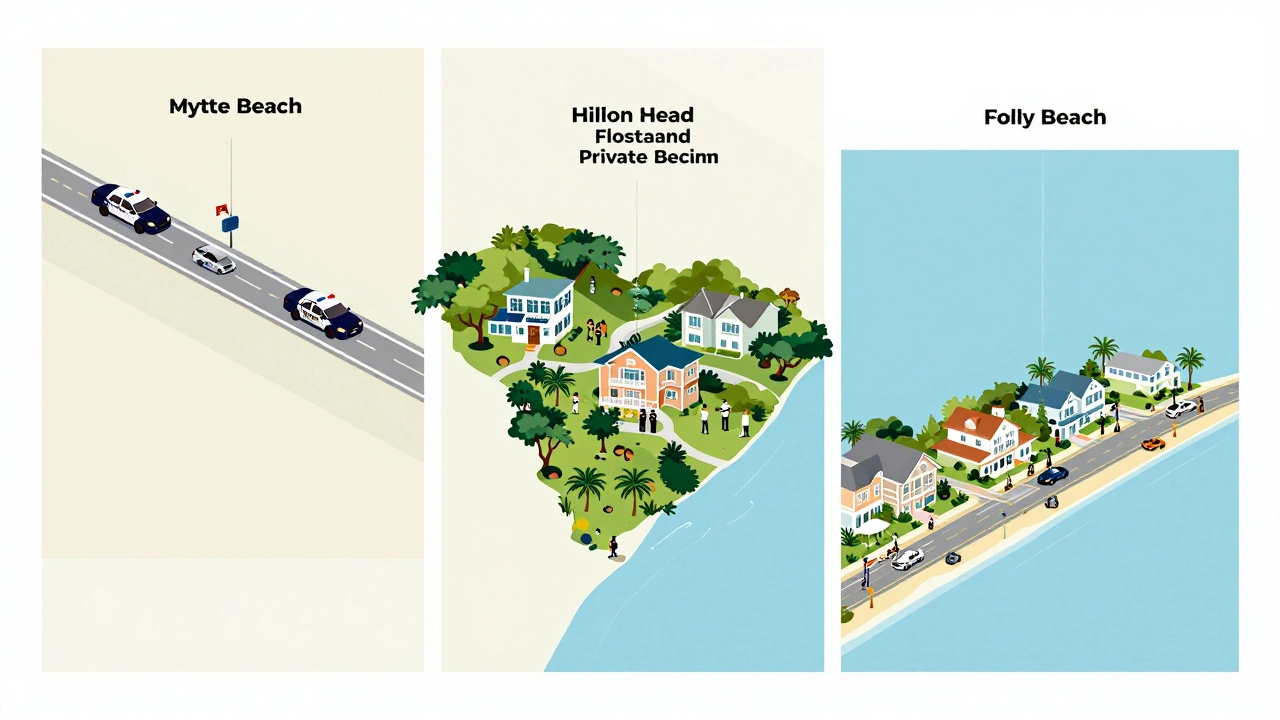
To understand where you can and can’t go, you need to look at specific city codes. Here’s how three major South Carolina beach towns handle overnight stays:
- Myrtle Beach: City Code Section 10-35 prohibits sleeping in vehicles parked on public streets between 10 PM and 6 AM. This includes cars, vans, and RVs. Enforcement is frequent, especially during peak summer months.
- Hilton Head Island: Ordinance 89-14 bans camping, tenting, or sleeping in vehicles anywhere on public property, including beaches and parking lots. Private security patrols these areas nightly.
- Folly Beach: Known for its laid-back vibe, Folly still enforces a no-overnight-parking rule on most street sections. However, some residents tolerate short-term rest stops if you’re not blocking driveways or making noise.
These aren’t vague suggestions-they’re enforceable laws with penalties ranging from $50 to $250 per violation. Repeat offenders may face vehicle impoundment.
What About Wild Camping or Discreet Tent Sites?
Some travelers try to sneak into less-developed stretches of coastline, hoping to set up a tent away from crowds. Unfortunately, this rarely works in South Carolina. Most undeveloped beaches are either privately owned land leased to the public for day use only, or part of state parks that require reservations and designated sites.
For example, Cape Romain National Wildlife Refuge is a protected area south of Charleston that allows hiking and birdwatching but strictly prohibits camping outside approved facilities.. Even if you find an empty spot, rangers patrol regularly, and trespassing charges apply.
Additionally, many barrier islands have fragile ecosystems. Digging holes for tents damages dune vegetation, which protects inland areas from storm surges. Local authorities take ecological preservation seriously, so don’t risk it.
Safe & Legal Alternatives to Beach Sleeping
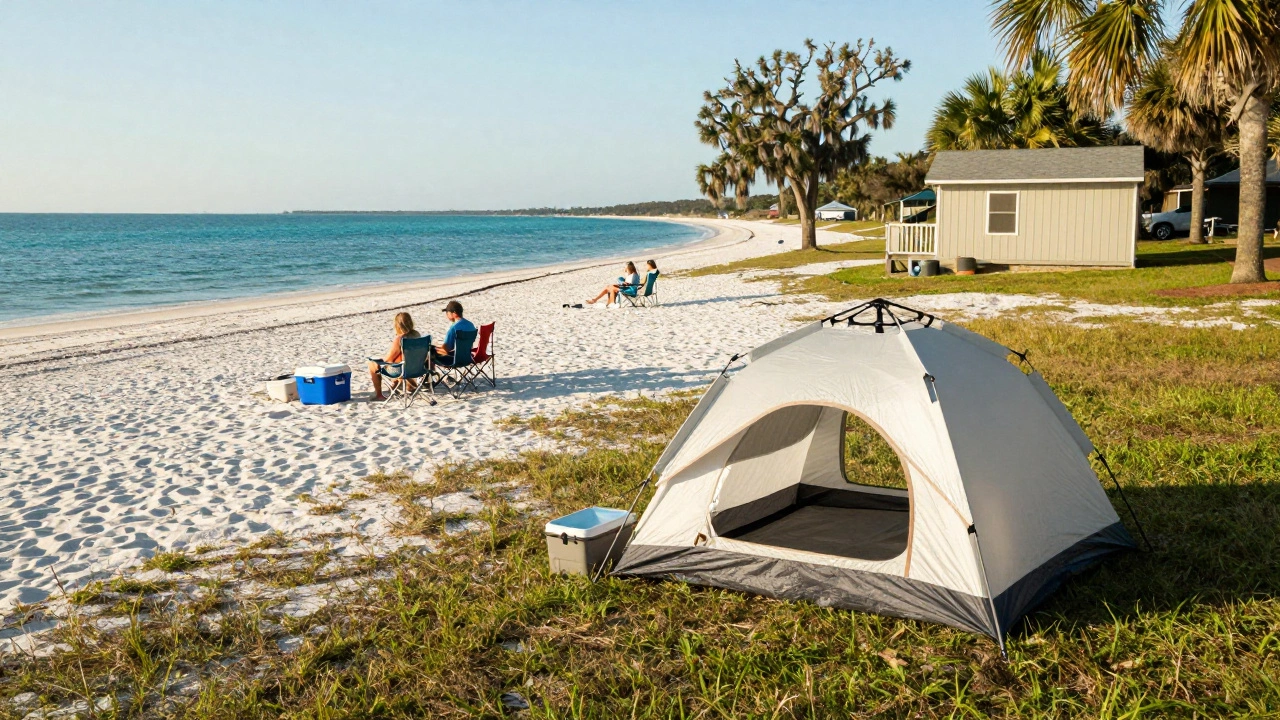
Just because you can’t sleep on the sand doesn’t mean you can’t enjoy a coastal adventure. Here are practical, legal options that keep you close to the ocean while respecting local laws:
- Book a Beachfront Campsite: Many state parks offer cabins or tent sites within walking distance of the shore. Try Hunting Island State Park near Beaufort or Pawleys Island State Park.
- Use Designated Overnight Parking Areas: Some truck stops and Waffle House locations allow overnight parking if you purchase food. Look for signs saying "Overnight Parking OK"-but always confirm with staff first.
- Rent a Budget Hotel Room: During off-season months (November-March), hotels in towns like Georgetown or Murrells Inlet drop prices significantly. A basic room might cost less than a fine plus towing fees.
- Join a Boondocking Network: Apps like iOverlander list trusted hosts who let travelers park on private land for free or low cost. Filter results by "beach nearby" to find hidden gems.
Each option gives you comfort, legality, and peace of mind-plus better sleep quality than shivering in a damp car.
How to Avoid Getting Caught or Fined
If you’re traveling through South Carolina and need to rest, here’s how to stay safe and compliant:
- Avoid Residential Streets After Dark: Cities like North Myrtle Beach issue tickets quickly for anyone parked beyond curfew hours.
- Don’t Set Up Camp Gear: Leaving chairs, coolers, or tarps visible signals intent to camp. Pack everything inside your vehicle.
- Check Signage Carefully: Signs reading "No Overnight Parking" or "Tow Zone" mean exactly what they say. Ignoring them leads to expensive mistakes.
- Ask Locals Before Parking: If unsure, ask shop owners or gas station attendants where drivers commonly rest. They’ll often point you toward safer spots.
Remember: Police officers in coastal regions are trained to spot suspicious behavior. Don’t test their patience.
Common Misconceptions About Beach Camping
There’s plenty of misinformation online about sleeping on South Carolina beaches. Let’s clear up the biggest myths:
| Myth | Fact |
|---|---|
| "If I’m quiet, no one will care." | Security cameras and patrols monitor high-traffic zones regardless of noise levels. |
| "State beaches allow overnight stays." | All state-managed beaches close at sunset; gates lock automatically. |
| "I can sleep in my van if I don’t unfold the awning." | Vehicles are included in anti-camping ordinances-even without gear deployed. |
| "Private beaches are fair game." | Most private beaches prohibit unauthorized access; trespassing carries criminal penalties. |
Understanding reality helps you plan smarter trips without risking legal trouble.
When Exceptions Might Apply
Are there any scenarios where sleeping near the beach becomes permissible? Rarely-but here are two edge cases worth noting:
Emergency Situations: If your vehicle breaks down or medical issues arise, officers usually show leniency. Call non-emergency dispatch lines immediately to explain your situation. Document interactions politely.
Permitted Events: Certain festivals or charity runs organize temporary encampments with special permits. These require advance registration and insurance coverage-not spontaneous decisions made late at night.
Neither exception applies to casual road trippers looking for convenience. Plan ahead instead.
Final Thoughts: Respect the Rules, Enjoy the Coast
South Carolina’s beaches are stunning assets that attract millions annually. Keeping them clean, safe, and accessible requires cooperation from everyone who visits. Breaking overnight parking rules undermines community efforts and puts fellow travelers at risk.
By choosing legal alternatives, you support sustainable tourism practices while enjoying unforgettable experiences. Whether you pitch a tent at Hunting Island or book a cozy inn in Kiawah, the memories matter more than cutting corners.
Can I sleep in my car on a South Carolina beach?
No. All major coastal cities prohibit sleeping in vehicles parked on public roads or beaches after designated curfew hours. Violations result in fines starting at $50.
Where can I legally camp near South Carolina beaches?
State parks like Hunting Island, Pawleys Island, and Cape Fear offer official campgrounds with beach access. Always reserve spots ahead via ReserveAmerica.com.
What happens if I get caught sleeping on the beach?
You’ll likely receive a citation fine ($50-$250). Repeat offenses could lead to vehicle impoundment or arrest for disorderly conduct depending on location.
Is wild camping allowed anywhere in South Carolina?
Wild camping is generally prohibited except on private lands with owner permission. Federal forests such as Francis Marion National Forest permit dispersed camping in limited zones far from coasts.
Do South Carolina beaches have curfews?
Yes. Most municipalities enforce curfews between 10 PM and sunrise. Gates at state parks lock automatically, and lifeguard stations cease operations early evening.
Can I rent a cheap hotel room near the beach?
Absolutely. Off-season rates (Nov-Mar) often drop below $60/night. Use filters on booking sites to sort by price and proximity to shoreline amenities.
Are there free overnight parking spots near SC beaches?
Limited options exist at select truck stops and Walmart supercenters inland. Confirm policies directly with managers before relying on unverified sources.