Is It Legal to Camp on a Beach in Florida? Rules, Permits & Best Spots
 Jun, 8 2026
Florida Beach Camping Cost & Legality Estimator
Trip Details
Select your camping options to see costs and legal requirements.
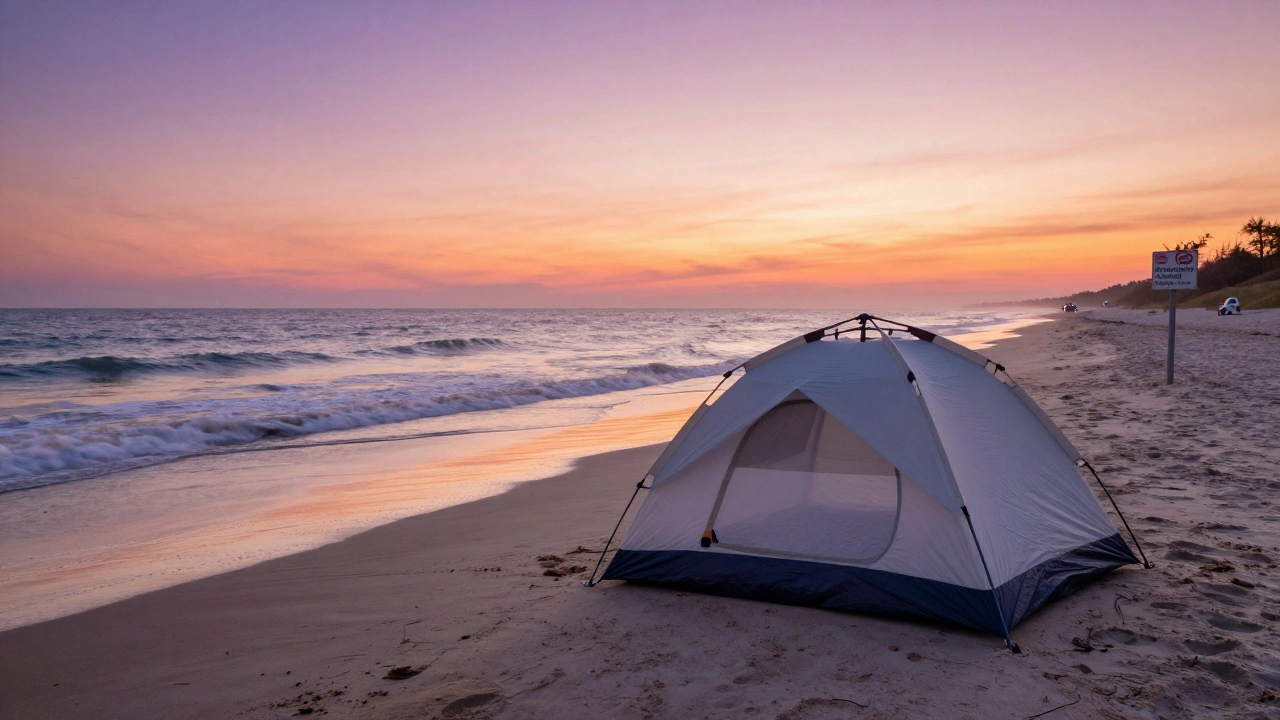
Picture this: you wake up to the sound of waves crashing just feet from your tent. The sand is still cool underfoot, and the sunrise paints the sky in shades of orange and pink. It sounds like a dream, right? For many travelers heading to Florida, the Sunshine State known for its extensive coastline and warm weather, this is exactly what they want. But here’s the catch-can you actually do it?
The short answer is: mostly no. The long answer is a bit more complicated, but it boils down to one thing: protection. Florida has strict laws about where you can pitch a tent or park an RV overnight. These rules exist to protect fragile ecosystems, ensure public safety, and manage the massive influx of tourists that flock to the coast every year.
If you’re planning a trip to the Florida coast, understanding these regulations isn’t just about avoiding a fine-it’s about knowing where you *can* legally enjoy that oceanfront experience without waking up to a citation or being asked to leave in the middle of the night. Let’s break down the reality of beach camping in Florida, where the loopholes are, and how to plan your trip so you stay within the law while still getting that perfect seaside sleep.
The General Rule: No Overnight Camping on Public Beaches
First things first: if you drive down to any random stretch of public beach in Florida-say, somewhere along Miami Beach, a popular coastal destination in Miami-Dade County or the shores of Tampa Bay, a large natural harbor and surrounding region in west-central Florida-and try to set up camp, you will likely be told to pack up immediately. In almost all cases, overnight camping on open public beaches is prohibited by local ordinances and state laws.
Why? Because Florida’s beaches are high-traffic areas. They’re designed for day-use activities like swimming, sunbathing, and surfing. Allowing people to sleep there would create significant challenges for maintenance, sanitation, and emergency access. Plus, many beaches are part of delicate dune systems that need protection from human disturbance.
This means that "wild camping"-the kind where you hike into a remote spot and set up camp without permission-is not an option on most Florida beaches. Unlike some states in the Pacific Northwest or the Upper Midwest, where dispersed camping might be allowed on certain public lands, Florida’s coastal management is much tighter. Local governments have strict control over beach access, and they enforce it regularly.
So, if you’re dreaming of sleeping under the stars with the ocean as your backdrop, you’ll need to look beyond the open shoreline. That doesn’t mean your dream is dead-it just means you have to find the right place.
Where You Can Legally Camp Near the Ocean
Just because you can’t camp directly on the sand doesn’t mean you can’t camp near the water. In fact, Florida offers several legal alternatives that get you very close to that oceanfront experience. The key is finding designated areas where overnight stays are permitted.
Florida State Parks, public recreational areas managed by the Florida Department of Environmental Protection are your best bet. Many of these parks include beach access and offer campsites that are literally steps away from the shore. For example, Honeymoon Island State Park, a protected area on Honeymoon Island in Palm Harbor, Florida near Clearwater allows camping in both tent sites and RV spots, with direct beach access. Similarly, Cape Canaveral National Seashore, a national seashore located on the Atlantic coast of Florida's Space Coast offers backcountry camping permits that let you stay in more remote, primitive settings along the coast.
Another option is private beach resorts or marinas that allow overnight stays for guests. Some of these places even rent out beachfront cabins or allow you to park an RV overnight if you’re staying at their facility. While this isn’t free camping, it’s a legal way to enjoy the ocean view without breaking any rules.
If you’re looking for something more rugged, check out Biscayne National Park, a U.S. national park located off the coast of Miami in southeastern Florida. This park offers anchorage camping, where you can tie up your boat and sleep aboard overnight. It’s not land-based camping, but it’s a unique way to experience the marine environment legally.
Understanding Local Ordinances vs. State Laws
One of the trickiest parts of camping in Florida is navigating the difference between state laws and local ordinances. While the state sets broad guidelines for environmental protection and public safety, individual counties and cities often have their own rules that can be even stricter.
For instance, Dade County, a county in southern Florida containing the city of Miami has specific regulations about overnight parking on beaches and adjacent roads. Even if you don’t set up a tent, simply leaving your car parked overnight in certain areas can result in a tow or a fine. Other counties, like Palm Beach County, a county in southeastern Florida, may allow limited overnight stays in designated parking areas during special events, but only with prior approval.
To avoid surprises, always check with the local parks department or sheriff’s office before arriving. A quick phone call or email can save you from a costly mistake. And remember, just because someone else did it doesn’t mean it’s legal. Enforcement can vary depending on staffing levels and seasonal demand, but that doesn’t change the fact that you could still get cited.
Permits and Reservations: What You Need to Know
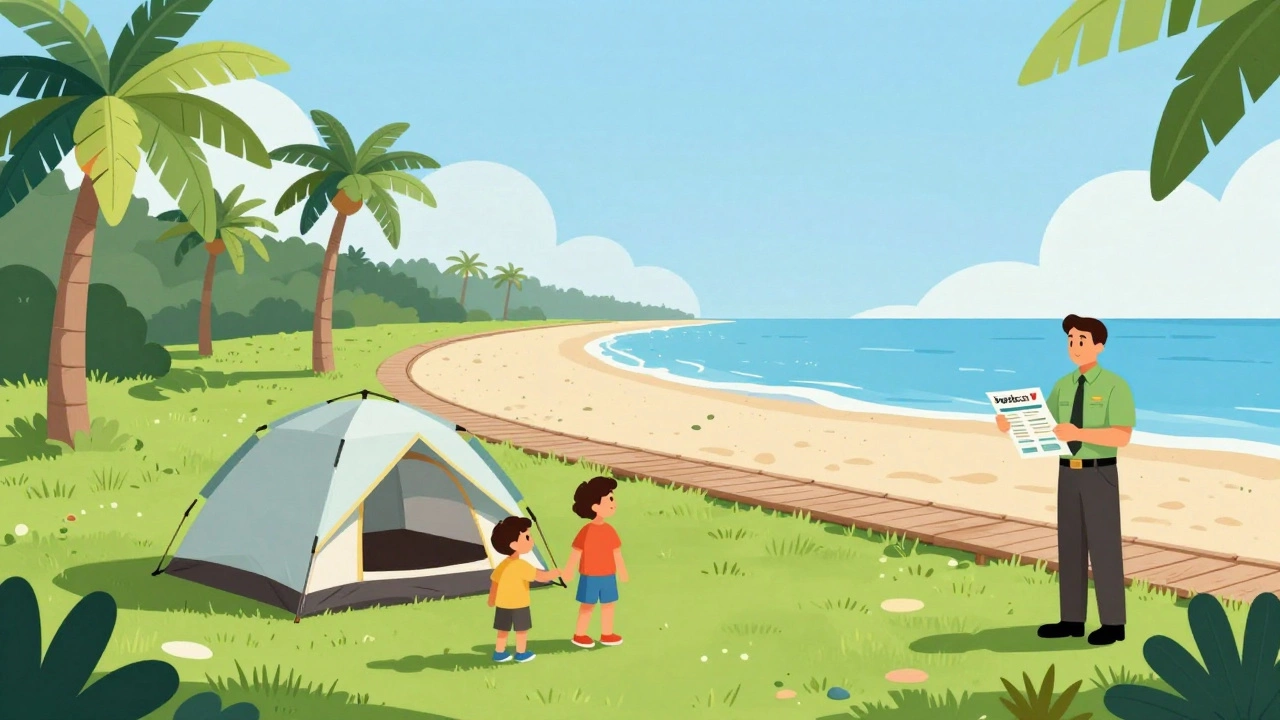
If you’ve found a legal spot to camp-whether it’s a state park, national seashore, or private resort-you’ll usually need to make a reservation or obtain a permit. Florida’s popular camping destinations fill up quickly, especially during peak seasons like spring break and summer vacation months.
For Recreation.gov, the official website for booking federal recreation sites including national parks and forests, you can reserve campsites well in advance. Some locations also offer walk-in availability, but don’t count on it. If you’re planning to visit Cape Canaveral National Seashore, a national seashore located on the Atlantic coast of Florida's Space Coast, for example, you’ll need to apply for a backcountry camping permit through their online system. These permits are limited and often go fast, so plan ahead.
Private facilities typically require proof of accommodation-like a hotel booking or marina slip rental-to allow overnight parking or camping. Make sure you understand the terms of your stay, including checkout times and any restrictions on fire pits or generators.
Common Mistakes Travelers Make
Even experienced campers sometimes run afoul of Florida’s beach camping rules. Here are a few common pitfalls to avoid:
- Assuming “no sign” means “allowed.” Just because there’s no visible signage prohibiting camping doesn’t mean it’s legal. Many beaches rely on general ordinances rather than posted signs.
- Parking overnight in non-designated areas. Even if you’re not setting up a tent, leaving your vehicle parked overnight on a beach or nearby road can lead to fines or towing.
- Ignoring local curfews. Some beaches close at dusk, and staying past closing time-even if you’re not camping-can result in penalties.
- Using drones or loud equipment. Noise ordinances and drone restrictions apply in many coastal areas, especially near residential zones or wildlife habitats.
Avoiding these mistakes is easy once you know what to look for. Always verify the rules for your specific location, and when in doubt, ask a ranger or local authority.
Alternatives to Beach Camping in Florida
If you’re flexible about your setup, there are plenty of other ways to enjoy Florida’s outdoors without risking a violation. Consider these options:
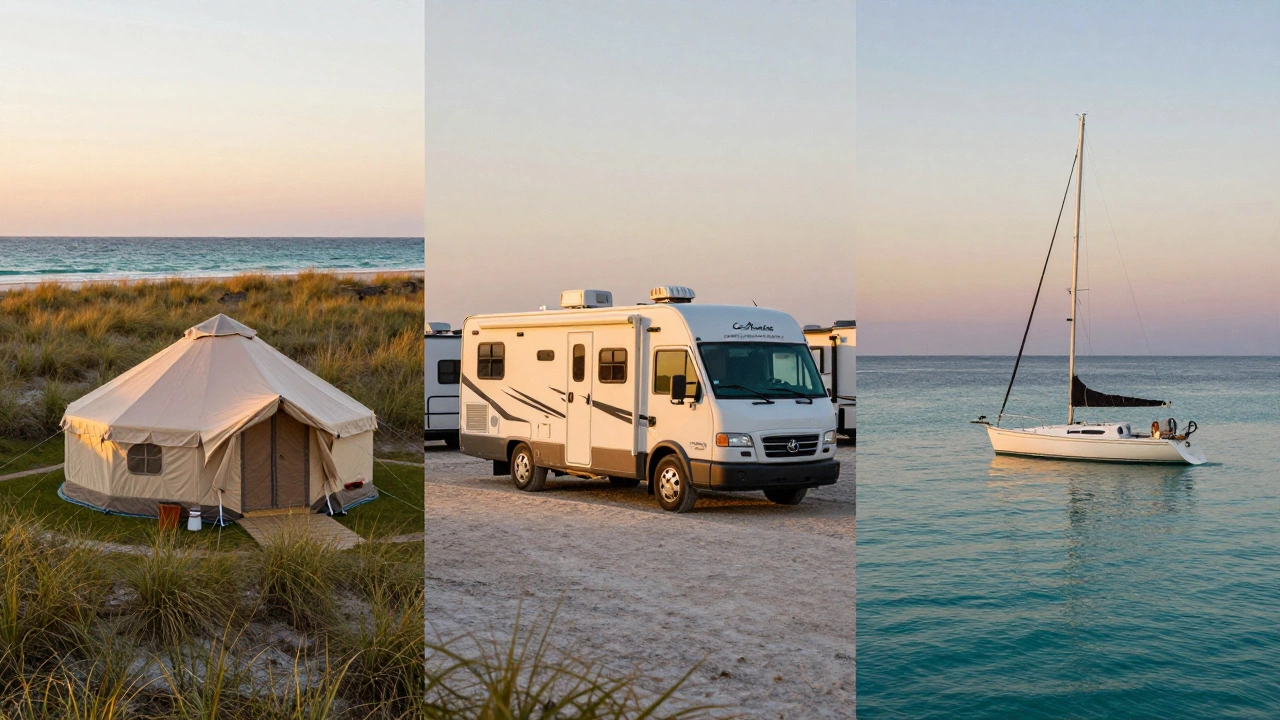
- Glamping sites: Luxury tents or yurts located near the beach offer comfort without the hassle of traditional camping.
- RV parks with ocean views: Many RV parks along the coast provide hookups and amenities while keeping you close to the water.
- Boat rentals with overnight anchoring: If you’re comfortable boating, renting a vessel and anchoring overnight in designated marinas or bays is a great alternative.
- Hostels or budget motels: Sometimes the simplest solution is to book affordable lodging near the beach and explore during the day.
Each of these alternatives gives you a taste of the coastal lifestyle without the legal risks associated with unauthorized beach camping.
| Option | Cost | Proximity to Beach | Reservations Required | Best For |
|---|---|---|---|---|
| State Park Campsites | $15-$40/night | Steps from shore | Yes (recommended) | Families, nature lovers |
| National Seashore Backcountry | Free-$10/permit | Remote, rugged | Yes (permit required) | Solo adventurers, hikers |
| Private Resort/Marina | $50-$200+/night | On-site access | Yes | Luxury seekers, couples |
| RV Parks | $30-$80/night | Varies | Yes (often) | RV owners, long-term stays |
| Boat Anchorage | $20-$60/night | On-water | Sometimes | Boaters, marine enthusiasts |
Final Thoughts: Plan Ahead, Stay Legal, Enjoy the View
Camping on a beach in Florida might seem like a simple idea, but the reality is governed by layers of regulation designed to preserve the environment and maintain order. The good news is that you don’t have to give up on your oceanfront dreams-you just have to choose the right venue.
By sticking to designated campsites, obtaining necessary permits, and respecting local laws, you can enjoy the beauty of Florida’s coastline without worrying about citations or eviction. Whether you’re pitching a tent in a state park, securing a backcountry permit, or renting a cozy cabin near the surf, there are plenty of legal ways to make your beachside camping adventure a success.
So before you hit the road, take some time to research your destination. Check reservation systems, read reviews, and confirm the rules. With a little preparation, you’ll be sipping coffee on the sand at dawn-with full peace of mind.
Can I sleep in my car on a Florida beach?
In most cases, no. Sleeping in your car on a public beach is considered overnight camping and is prohibited by local ordinances. Some designated parking areas may allow it with a permit, but generally, it’s not allowed.
Are there any free places to camp near Florida beaches?
Very few. Most legal camping spots near Florida beaches charge fees. However, some national seashores offer low-cost backcountry permits, and dispersed camping may be available in remote inland areas-not directly on the beach.
What happens if I get caught camping illegally on a beach?
You could receive a fine ranging from $50 to several hundred dollars, depending on the location. In repeated cases, you might face additional penalties or bans from entering certain parks or beaches.
Do I need a permit to camp in Florida State Parks?
Yes, you need to reserve a campsite in advance through the Florida State Parks website. Walk-ins are rarely accepted due to high demand, especially during peak seasons.
Is wild camping allowed anywhere in Florida?
Wild camping is extremely limited in Florida. A few remote areas within national forests or seashores may allow it with a permit, but it’s never allowed on public beaches. Always check with the managing agency before attempting wild camping.