Is It Illegal to Live in the Woods in the US? A Guide to Legal Off-Grid Living
 Mar, 29 2026
Off-Grid Legality Checker
Make a selection above...
Select the land type, your activity, and how long you plan to stay to see if your plan holds up legally.
Imagine waking up surrounded by pine trees, no neighbors, and total silence. It sounds like paradise, but it could also be a prison sentence if you don't know the rules. Here is the straight answer: Yes, it is generally illegal to permanently live in the woods in the United States without permission. Most people get this wrong because they confuse camping with residing. While you might set up a tent for a weekend, setting up permanent infrastructure triggers a different set of laws.
The reality of the American landscape is that nearly every inch of ground belongs to someone. If it’s not privately fenced, it usually falls under federal or state jurisdiction. Ignoring these boundaries doesn’t make you a free spirit; it makes you a trespasser. Let’s break down exactly where the lines are drawn so you don’t end up paying hefty fines or being escorted out by rangers.
Federal Land Jurisdictions
Many Americans dream of settling on government-owned land because it feels “public,” but “public access” does not mean “public residence.” The three main agencies managing this land have distinct rules that effectively block permanent habitation.
The United States Forest Service manages over 193 million acres of National Forests. While these lands allow for recreational use, including camping and fishing, they strictly prohibit permanent structures. You cannot build a home, even if you find an empty clearing miles from any road. The policy is designed to protect natural resources from human development. Staying too long in one spot turns your campsite into a de facto dwelling, which violates agency regulations.
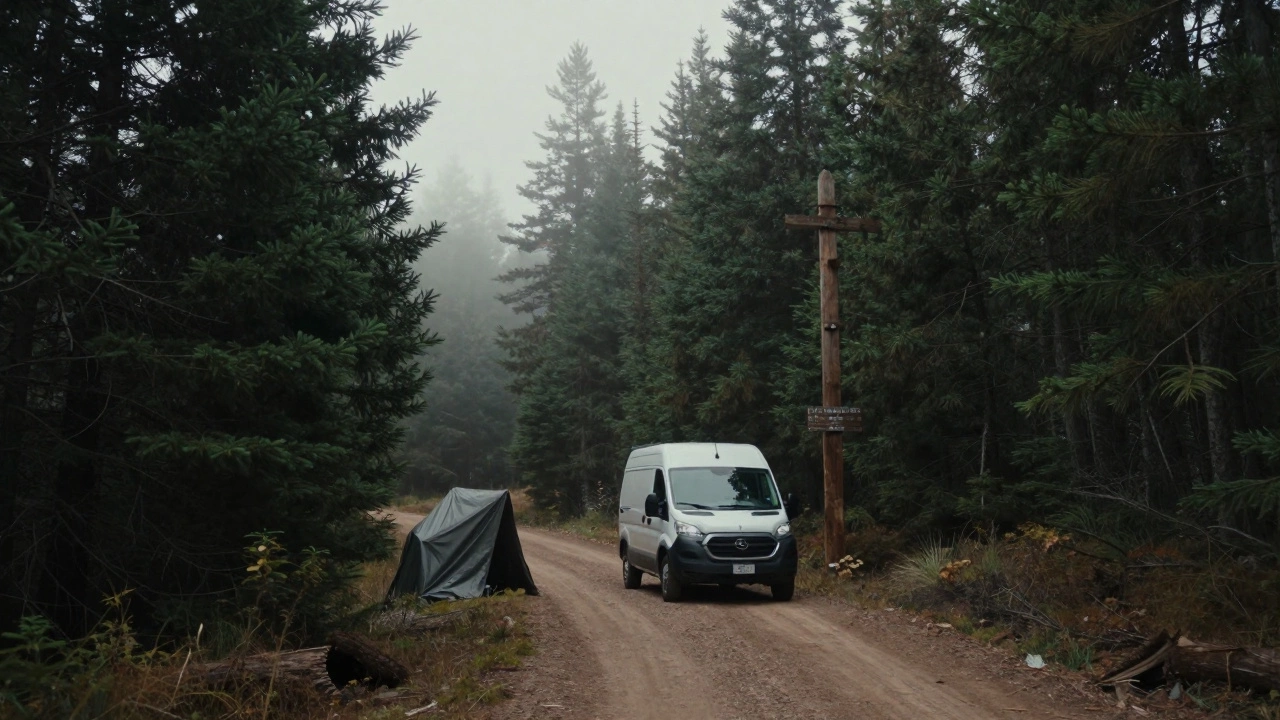
Similarly, The Bureau of Land Management oversees vast tracts of land, primarily in the western states. These areas are famous for “dispersed camping.” In practice, this means you can park your van or pitch a tent where there are no signs, but there is almost always a time limit. Usually, this is 14 days within a 28-day period in a single area. If you want to stay longer, you must move at least 25 miles away to reset the clock. Attempting to ignore this results in citations.
The National Park Service is the most restrictive of the bunch. National Parks are protected for their specific ecological or historical value. Camping here requires reservations and designated spots. Setting up unpermitted shelter is strictly forbidden and monitored closely by law enforcement officers who patrol trails daily.
Private Property and State Lands
While federal lands are off-limits for settlement, private lands offer a different pathway, though they come with their own hurdles. Owning a plot of land in the woods gives you certain rights, but those rights stop at the property line. Local governments still hold power through zoning ordinances.
Zoning laws dictate what can be built on a piece of land. Even if you buy five acres of deep woodland, if the county designates it as “Agricultural” or “Zoned Residential,” you might not be allowed to put up a tiny house or yurts without permits. Many “freedom-minded” buyers find themselves shut down by code enforcement after moving in, simply because the structure lacks a utility connection or a septic approval.
State forests operate differently than federal ones. Some states allow “cabin privileges” where families have had cabins for generations. However, for a newcomer, acquiring such a permit is virtually impossible today. You cannot just buy a vacant cabin on state land and move in; the transfer of ownership requires specific legal standing that rarely applies to casual settlers.
Dispersed Camping Versus Living
There is a fine line between enjoying nature and establishing residency. To understand this, you need to look at how authorities define these activities.
| Activity Type | Duration Limit | Infrastructure Allowed | Permit Required? |
|---|---|---|---|
| Tent Camping | Usually 14 days max | Tent, fire pit, gear | No (on open land) |
| RV/Boondocking | Varies by location | Parked vehicle, basic amenities | Sometimes (long term) |
| Shelter Building | Not Allowed | None (temporary only) | Strictly Prohibited |
| Residential Dwelling | Infinite (if owned) | Home, utilities, septic | Yes (Building codes) |
The key factor is infrastructure. If you bring a tent, you are camping. If you dig a foundation, lay a deck, or bury electrical wires underground, you are constructing a dwelling. The moment you cross from temporary to permanent, local police or land agents view it as an illegal settlement. Enforcement varies by region. In rural mountain counties, officials might tolerate a van parked for weeks. In high-visibility areas near cities, a complaint from a neighbor is all it takes for a code inspector to arrive.
The Homesteading Myth
Pop culture often romanticizes the idea of claiming unused public land, echoing the frontier spirit of the 19th century. Some online forums talk about finding land with no owner and staking a claim. Unfortunately, the General Mining Act of 1872 allows for mineral claims, not residential ones. You might own the right to extract gold, but that doesn’t grant you the right to build a home.
Occasionally, abandoned land appears available through programs like “land banks” in economically distressed towns. These are typically small, taxable plots intended for tax compliance. They come with strict conditions, usually requiring the buyer to rehabilitate the property according to city standards. They are not backdrops for off-grid survivalism. If you hear rumors of free land, verify them with a county clerk before investing months of labor.
Practical Alternatives for Woodside Living
If your goal is solitude in nature, you aren't necessarily stuck in a subdivision. There are legal ways to achieve a similar lifestyle without breaking the law.
- Easement Land: Some parcels of land have restricted building rights but allow for low-impact occupancy. You might negotiate with a large landowner to rent a small corner for seasonal living, though formal leases are common.
- Campground Rental: Certain private campgrounds offer monthly rates. You pay a fee to live in an RV or camper shell. This is legally recognized as housing and avoids trespassing charges.
- Tiny Home Villages: Communities are popping up where multiple small dwellings share land ownership. These often exist in gray areas regarding zoning but are organized groups rather than lone individuals facing prosecution.
- Land Leasing: Renting a large acreage of private land where the landlord agrees to allow alternative structures. This relies heavily on personal trust and written contracts specifying the usage type.
Enforcement and Consequences
What happens if you get caught? It depends on who finds you. On federal land, the U.S. Fish and Wildlife Service or Park Rangers can issue civil penalties. Fines range from hundreds to thousands of dollars per violation day. Repeated offenses lead to criminal charges and bans from entering federal lands for life.
On private land, the threat comes from neighbors. Even if you feel invisible on a ridge, satellite imagery or drone usage has changed surveillance capabilities. A neighbor spotting a smoke signal or a tire track leads to reports filed with local sheriff deputies. Once the legal process begins, you face eviction notices. Refusing to leave can escalate to forcible removal by county marshals.
Health and safety are additional concerns often overlooked. Without legal tenure, you have no access to emergency services. If you start a fire that escapes, you become liable for catastrophic damage. Insurance companies will not cover properties built on land where the occupant lacks legal standing. One accidental wildfire could bankrupt a lifetime of savings.
Navigating the Rules Successfully
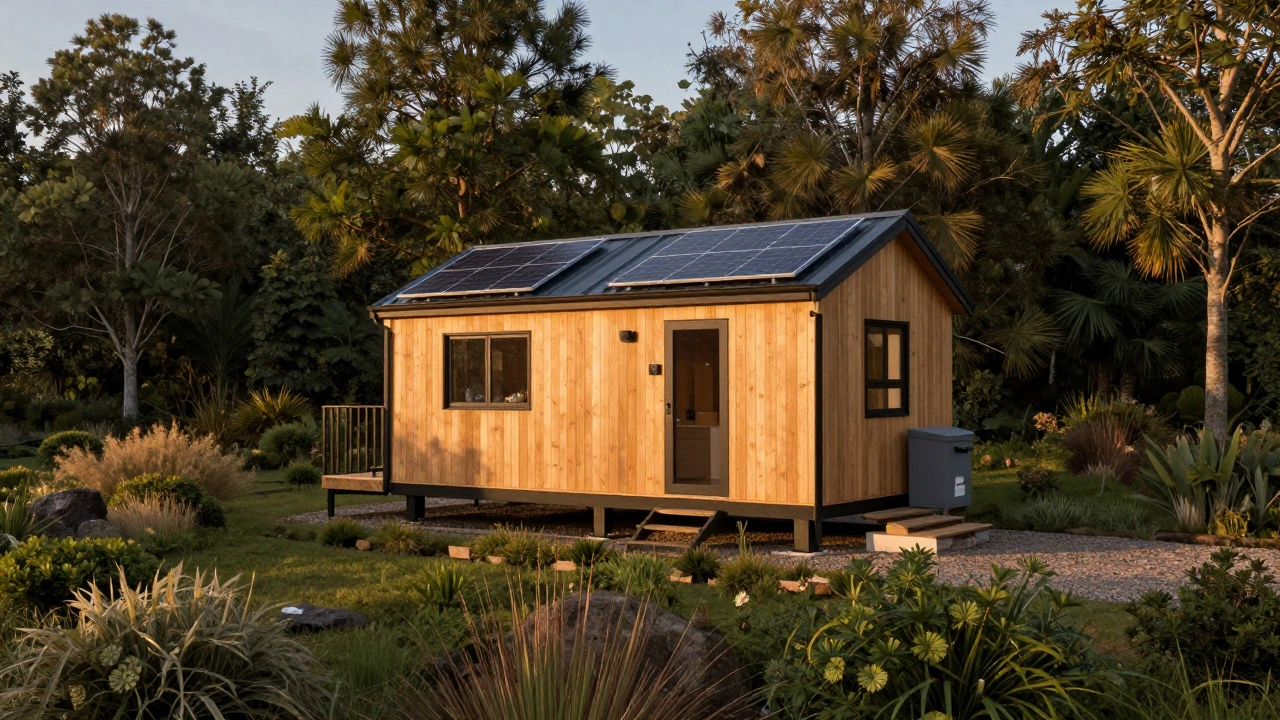
Living near the woods is achievable if you work within the system. Buying property, even a small wooded lot, is the safest bet. Check the local deed restrictions before closing the sale. Look for terms like “nature preserve” or “recreation zone” which might indicate where building is permitted. Engage with county planners early. If you tell them your plans before you act, they might guide you toward compliant setups, like installing a composting toilet or solar generator that meets code.
Some regions are friendlier than others. Rural Alaska or parts of the Dakotas might have fewer inspectors, but this shouldn't be confused with permission. Always prioritize obtaining the right paperwork. A legal structure might take more money upfront, but it prevents the nightmare of losing everything due to a lack of permits later.
Can I squat on public land in the US?
No, squatting on public land is illegal. Squatting laws generally apply to unowned buildings, not open wilderness. Federal and state agencies actively remove squatters.
Is it legal to sleep in my car in a national forest?
Camping in a car is often allowed for short durations, typically up to 14 days in one spot. However, sleeping in your vehicle long-term can be construed as living, which may require a parking permit or violate camping limits.
How much time can I stay in a forest?
Most National Forests have a 14-day stay limit within a 28-day cycle. After reaching the limit, you must travel at least 25 miles away before returning to camp.
Do I need a permit to build a cabin in the woods?
If you own the land, yes, you need a building permit and approval for utilities/sewage. If you do not own the land, building a permanent structure is strictly prohibited regardless of ownership.
What are the consequences of illegal tree harvesting?
Cutting timber on public or private land without permission constitutes theft of resources. Penalties include heavy fines, confiscation of equipment, and potential jail time depending on the volume of wood taken.