Is It Illegal to Camp on California Beaches? Rules, Permits & Fines
 Jun, 29 2026
California Beach Camping Cost & Risk Calculator
Estimates based on average citations and towing fees in coastal counties.
*Excludes food/gear costs which apply to both scenarios.
Comparison Result
By camping illegally, you could pay up to 0x more than the legal option.
Remember: Illegal camping also risks arrest, environmental damage, and lack of safety facilities.
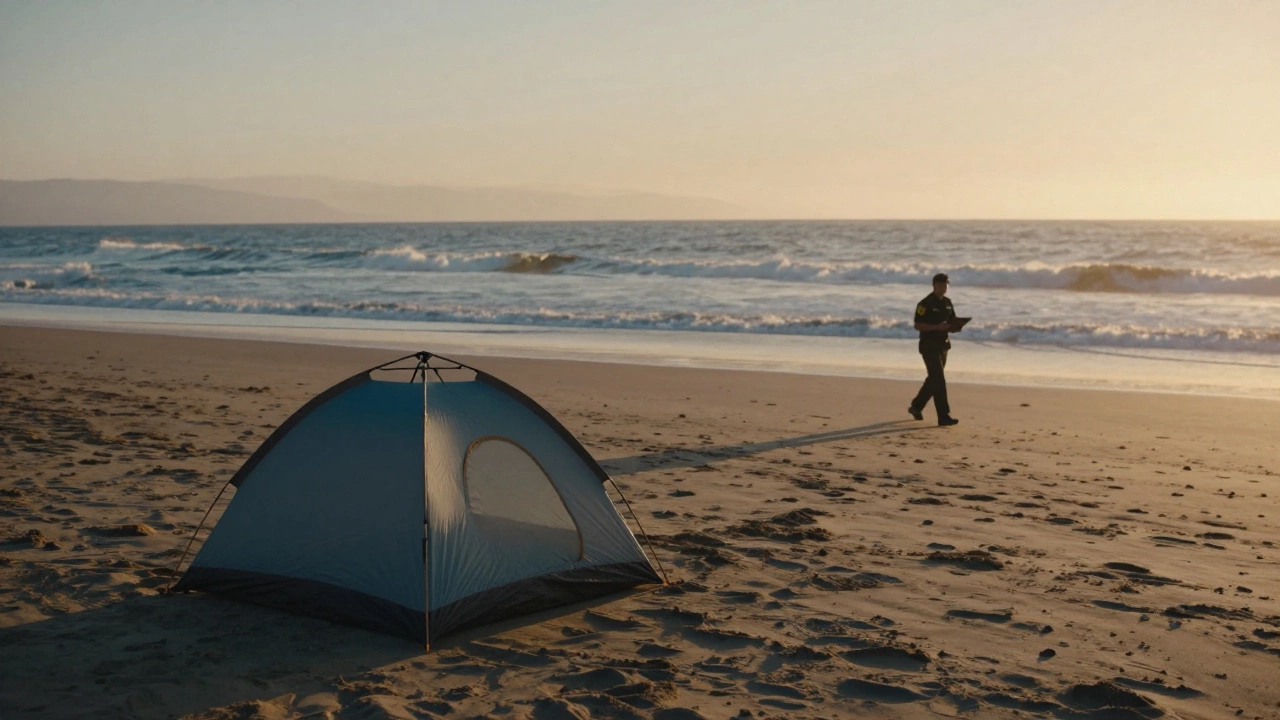
You pack your tent, load the car, and head south along the Pacific Coast Highway. The sun is setting, the sand looks soft, and you find a quiet spot away from the crowds. You pitch up, ready for a night under the stars. But then you hear it: the distant wail of a siren or see a ranger walking by with a clipboard. Is what you’re doing actually legal? Or are you about to get a ticket that costs more than your hotel room would have?
The short answer is: it depends entirely on where you are. In California, you cannot simply walk onto any stretch of sand and sleep there. While some beaches allow camping, many strictly prohibit it. Others require specific permits, fees, and adherence to strict rules. Getting this wrong can lead to fines, towing fees, or even arrest in extreme cases.
The Golden State Coastal Lands Rule
To understand beach camping in California, you first need to understand who owns the land. Most of the coastline isn’t private property; it’s managed by the state. Specifically, the California State Coastal Conservancy manages the Golden State Coastal Lands program, which oversees hundreds of miles of shoreline.
Here is the catch: just because the state owns the land doesn’t mean it’s open for free camping. The Coastal Commission regulates development and use. Many popular stretches, like those near Los Angeles or San Diego, are heavily regulated. In these areas, overnight camping is often banned to protect wildlife, prevent erosion, and manage overcrowding.
If you want to camp legally on state-managed beaches, you usually need to be at a designated site. These sites often have facilities like restrooms, showers, and fire rings. They also require a reservation, especially during peak season (May through September). Without a reservation, you’re likely breaking the law, even if you’re just sleeping in a tent.
Where Can You Actually Camp?
Not all hope is lost. There are plenty of legal spots to camp on or right next to California beaches. Here are the main categories:
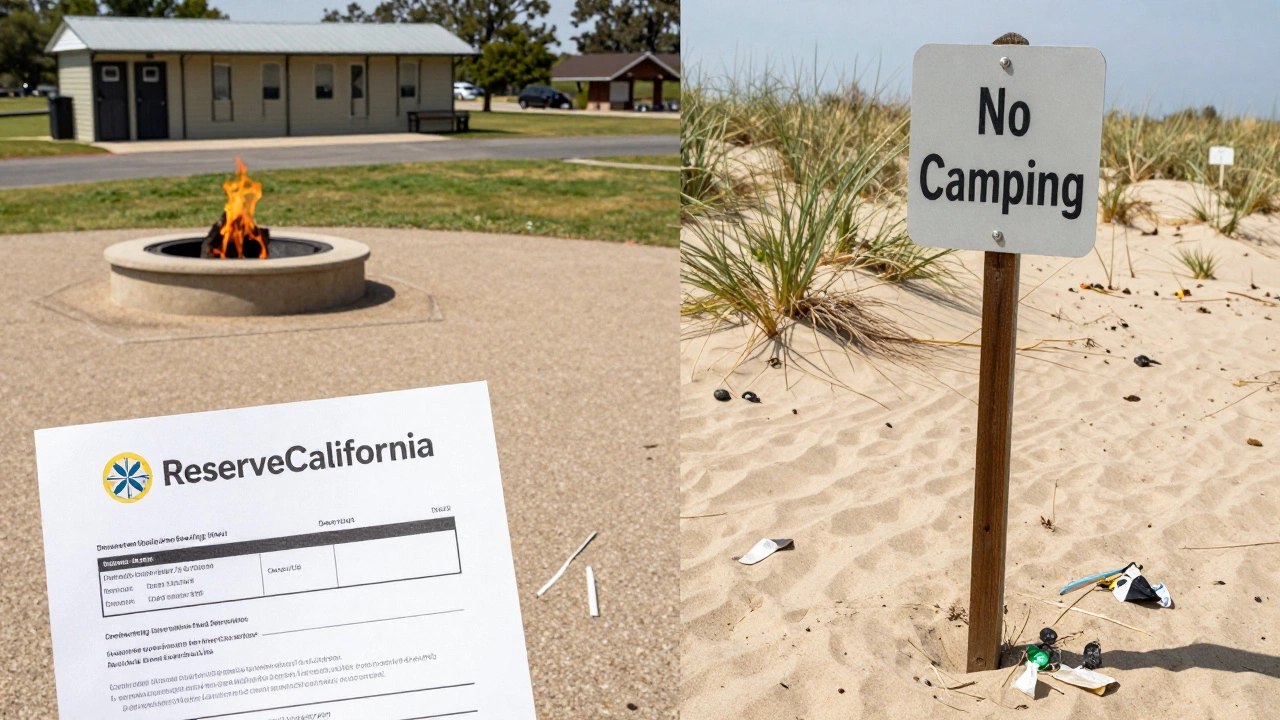
- State Parks: Many California State Parks offer beachfront camping. Examples include Point Dume, Crystal Cove, and Pfeiffer Beach. These require reservations via the ReserveCalifornia system. Fees range from $30 to $60 per night depending on the park and amenities.
- National Parks: Parks like Joshua Tree (not beach, but nearby), Death Valley, and Channel Islands National Park offer camping. Channel Islands, in particular, offers unique beach camping experiences but requires a permit and a boat trip to get there.
- Bureau of Land Management (BLM) Lands: Some BLM lands border the ocean, particularly in Northern California. Dispersed camping may be allowed here, but you must check local regulations. Look for signs saying “No Camping” or “Camping Allowed.”
- Private Campgrounds: Companies like KOA and HipCamp operate private campgrounds near the coast. These are always legal, fully serviced, and often easier to book than state parks.
A pro tip: If you’re looking for free camping, look for BLM lands or National Forests that are close to the beach but not directly on the sand. You might lose the sound of waves, but you’ll save money and stay legal.
Wild Camping vs. Designated Sites
“Wild camping” means camping outside of designated campsites. In California, wild camping on public beaches is generally illegal unless explicitly permitted. This includes sleeping in your car, van, or tent on the sand.
Why is it banned? Several reasons:
- Environmental Protection: Coastal ecosystems are fragile. Tents and foot traffic can damage dune vegetation, which holds the sand in place. Removing plants leads to erosion.
- Wildlife Disturbance: Many beaches are nesting grounds for birds, sea turtles, and marine mammals. Human presence can disrupt breeding cycles.
- Safety: Unregulated camping makes it hard for lifeguards and rangers to track people in emergencies. Tides can rise quickly, trapping unsuspecting campers.
- Litter and Waste: Without proper facilities, trash and human waste become major problems. This harms both the environment and other visitors.
If you’re caught wild camping on a prohibited beach, expect a citation. Fines typically start at $100 and can go up to $500 or more, depending on the location and severity. Repeat offenders may face higher penalties.
City and County Ordinances Matter Too
Even if the state allows camping, local cities and counties might not. For example, Santa Monica, Venice, and Malibu have strict no-camping ordinances on their beaches. These rules are enforced by local police or code enforcement officers.
In San Francisco, Ocean Beach has had ongoing debates about homeless encampments versus recreational camping. Recreational camping is generally prohibited, while humanitarian efforts sometimes create temporary zones. Always check city websites before heading out.
Some smaller towns in Northern California, like Mendocino or Eureka, may have more relaxed attitudes, but they still require permits for organized groups or extended stays. Never assume silence equals permission.
How to Stay Legal and Avoid Fines
Want to enjoy California’s beaches without risking a fine? Follow these steps:
- Check Regulations Online: Visit the official website of the park or agency managing the beach. Look for sections labeled “Camping,” “Permits,” or “Rules.”
- Book in Advance: Popular beach campsites fill up months ahead. Use ReserveCalifornia.com for state parks and recreation.gov for national parks.
- Look for Signs: On-site signage will tell you if camping is allowed. If it says “No Overnight Parking” or “No Camping,” respect it.
- Ask Rangers: When in doubt, ask a park ranger or visitor center staff. They can point you to legal alternatives nearby.
- Consider Private Options: If public sites are full, try private campgrounds. They’re often less crowded and offer better amenities.
Also, remember that fire bans are common in summer due to drought conditions. Even if camping is allowed, building a fire might not be. Check current fire restrictions before packing your charcoal grill.
What Happens If You Get Caught?
If you’re caught camping illegally on a California beach, here’s what usually happens:
- Verbal Warning: First-time offenders in low-traffic areas might receive a warning. Don’t count on this-it’s rare.
- Citation: More commonly, you’ll get a ticket. Fines vary by jurisdiction but average $100-$300.
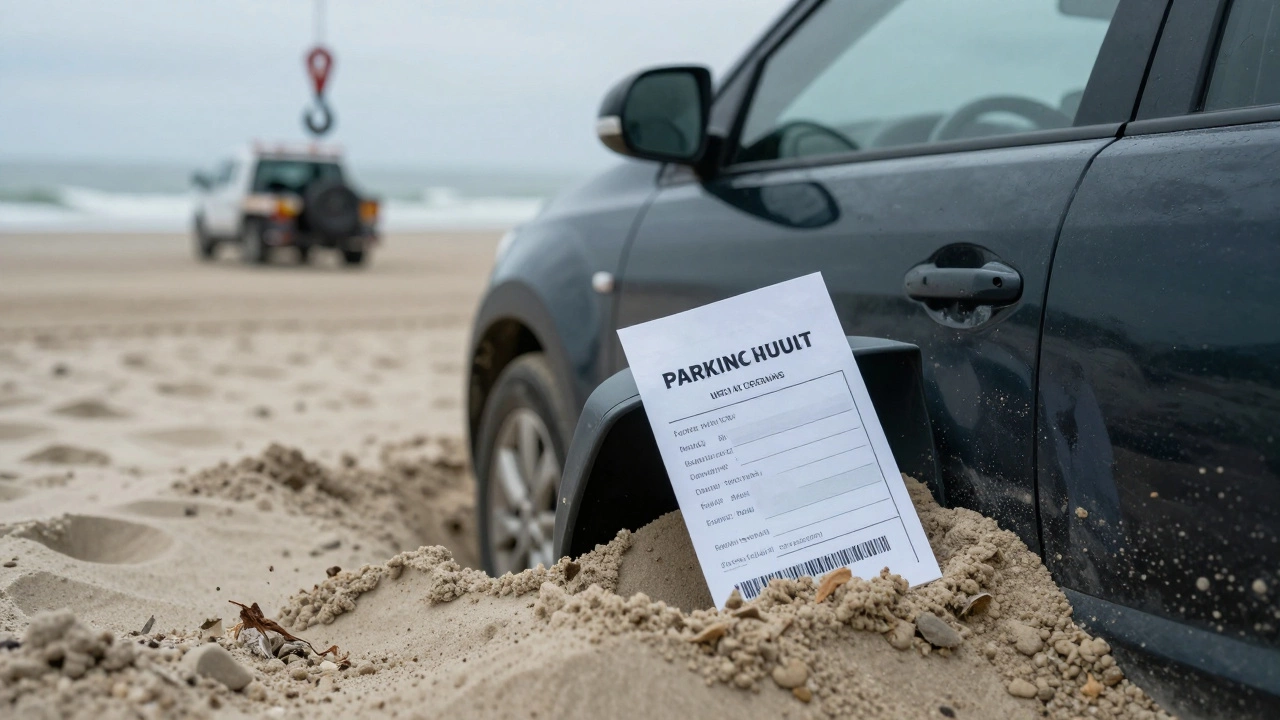
- Towing: If you’re sleeping in a vehicle, it might be towed. Towing fees plus storage can exceed $500.
- Arrest: In extreme cases-like resisting authority or causing significant environmental damage-you could be arrested. This is uncommon but possible.
Pay attention to the officer’s instructions. Arguing rarely helps and can escalate the situation. If you believe you were unfairly cited, appeal through the court system later.
Alternatives to Beach Camping
If legal beach camping feels too restrictive, consider these alternatives:
- Stay in Nearby Towns: Book a motel or Airbnb in a coastal town. You’ll pay more, but you’ll have comfort and legality.
- Camp Inland: Many forests and mountains are within an hour’s drive of the coast. Trade ocean views for mountain air.
- Join a Group: Some organizations host guided beach cleanups or educational trips that include permitted overnight stays.
- Volunteer: Programs like Adopt-A-Beach sometimes offer perks for volunteers, including access to restricted areas.
Remember, the goal is to enjoy nature responsibly. By following the rules, you help preserve these beautiful places for future generations.
Can I sleep in my car on a California beach?
In most cases, no. Sleeping in your car on a public beach is considered camping and is illegal unless explicitly permitted. Many beaches post signs prohibiting overnight parking. Violators risk citations and towing. Always check local ordinances before attempting this.
Are there any free beach camping spots in California?
True free beach camping is extremely rare. Most legal beach campsites charge fees. However, some BLM lands near the coast allow dispersed camping for free. These spots are often rugged and lack amenities. Research thoroughly and confirm permissions before going.
Do I need a permit to camp on a California beach?
Yes, almost always. Legal beach camping requires a permit or reservation. State parks use ReserveCalifornia.com, while national parks use recreation.gov. Private campgrounds handle bookings independently. Never assume you can camp without checking first.
What is the fine for illegal beach camping in California?
Fines typically range from $100 to $500, depending on the location and circumstances. Additional costs may include towing fees if a vehicle is involved. Repeat offenses can result in higher penalties. Always verify local rules to avoid unexpected expenses.
Which California beaches allow camping?
Popular legal beach camping destinations include Point Dume State Beach, Crystal Cove State Park, Pfeiffer Beach, and parts of Big Sur. Each requires reservations and fees. Check individual park websites for availability and specific rules. Availability changes seasonally, so plan ahead.