Is Free Camping Illegal in the UK? The Complete Guide to Wild Camping Laws
 Jul, 12 2026
UK Wild Camping Risk Calculator
Use this tool to check if your planned camping trip is likely legal or risky based on current UK regulations.
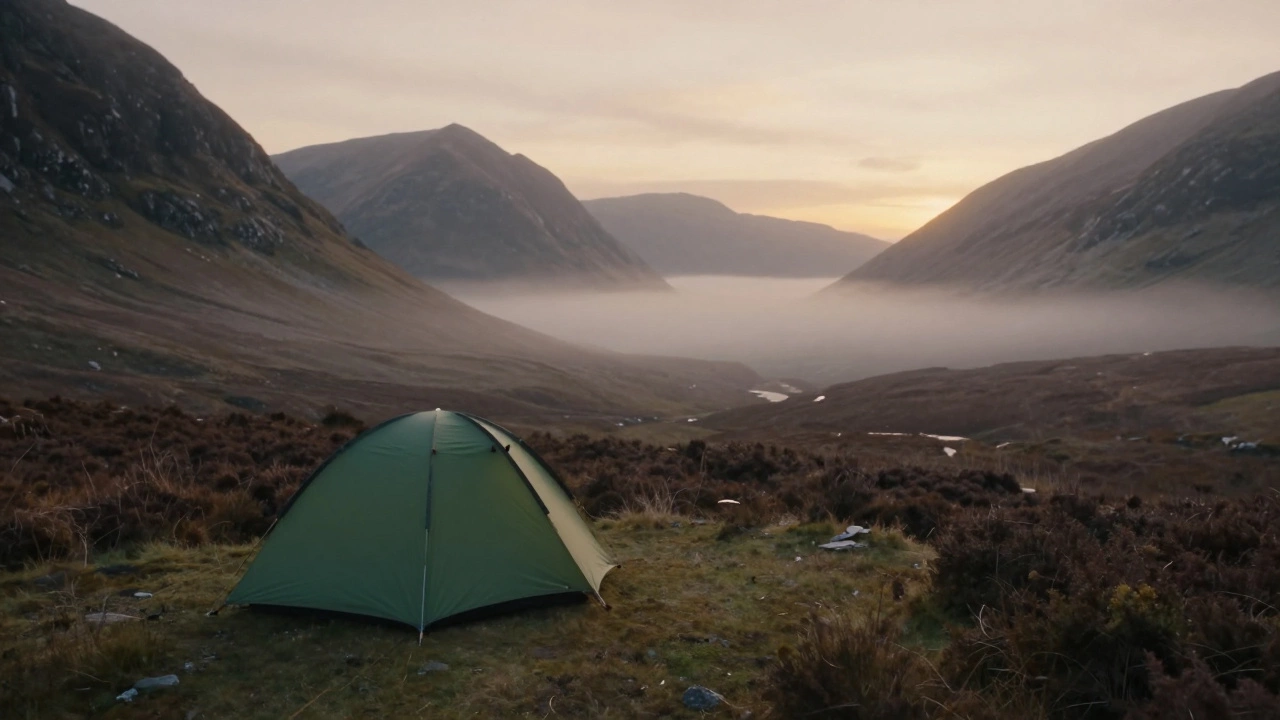
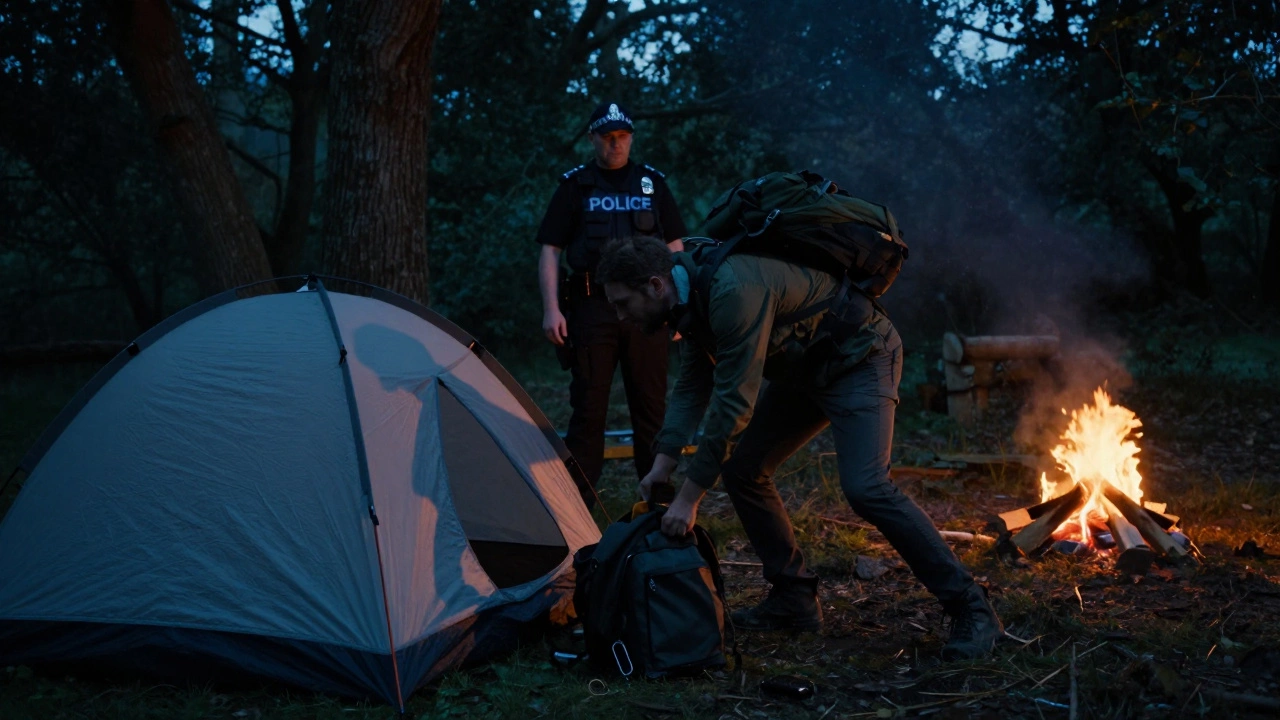
You pack up your tent, drive to a stunning stretch of coastline or a quiet forest clearing, and pitch up for the night. It sounds like the perfect escape. But then you see the sign: "No Camping." Or worse, you wake up to a police officer asking you to leave. This is the reality for many travelers trying to enjoy free camping in the United Kingdom. Unlike countries with established "freedom to roam" traditions that allow camping almost anywhere, the UK has a complex patchwork of laws that can trip up even experienced outdoorspeople.
The short answer is: yes, free camping is generally illegal on most land in England, Wales, and Northern Ireland. However, Scotland operates under a different legal framework that makes it one of the few places in Europe where wild camping is largely permitted. Understanding these distinctions isn't just about avoiding fines; it's about respecting landowners and preserving access for future generations.
The General Rule: No Camping Without Permission
In England, Wales, and Northern Ireland, the default assumption should be that you cannot camp on land unless you have explicit permission from the landowner. Most land in these regions is privately owned. Even if it looks public-like a hillside or a beach-it likely belongs to someone who expects visitors to respect their property rights.
This restriction stems from common law principles regarding trespass. While simply walking onto private land might not always constitute a criminal offense, setting up a tent changes the dynamic significantly. You are now occupying the space, potentially causing damage, and creating a nuisance. Landowners have the right to ask you to leave, and if you refuse, you could face eviction or prosecution for aggravated trespass.
Trespass Law is the legal principle that protects landowners from unauthorized entry and occupation of their property. In the context of camping, it means you need permission to stay overnight on private land in England, Wales, and Northern Ireland.
Public parks are another common misconception. Many people assume that because a park is open to the public during the day, it's fair game for sleeping at night. Most local councils explicitly ban overnight camping in urban parks through bylaws. These rules exist to manage waste, noise, and the wear and tear on facilities designed for daytime recreation, not residential living.
Scotland: The Exception That Proves the Rule
If you're dreaming of wild camping freedom, Scotland is your destination. Thanks to the Land Reform (Scotland) Act 2003, which codified the ancient right of access to most land and inland water in Scotland for recreational purposes., you can legally camp almost anywhere, provided you follow strict guidelines.
This doesn't mean you can set up a permanent basecamp in a farmer's field or block a driveway. The code emphasizes responsibility. You must leave no trace, avoid disturbing residents or livestock, and keep your group small (usually fewer than six people). Motorhomes and caravans are generally excluded from this right of access unless they are parked in designated areas or have specific permission.
Scottish wild camping is a cultural cornerstone. It encourages self-reliance and connection with nature. However, recent years have seen increased pressure on popular spots, leading to some localized restrictions. Always check local council websites for any temporary bans due to fire risk or environmental protection efforts.
Where Can You Camp Legally in England and Wales?
Since random wild camping is off the table in most of England and Wales, what are your options? There are specific scenarios where free or low-cost camping is permissible:
- Designated Wild Camping Areas: Some national parks, particularly in Dartmoor, have informal tolerances for wild camping in remote, unfenced areas. This is not a legal right but a pragmatic agreement between rangers and campers. You must camp away from roads, buildings, and other people, and move on after one night.
- Beaches: Some coastal paths and beaches allow camping, especially in less populated areas. However, many beaches are protected sites or have local bylaws prohibiting tents. Always look for signage.
- Permissive Paths: If a footpath crosses private land, you have the right to walk it, but not to stop and camp. Stopping briefly for a rest is fine; pitching a tent is not.
- Landowner Permission: This is the most reliable method. Apps and websites like Pitchup.com or Hipcamp connect campers with landowners willing to host them. Sometimes this is free, often it involves a small fee, but it guarantees legality and safety.
The Risks of Illegal Camping
What happens if you ignore the rules? The consequences vary depending on the location and the attitude of the authorities.
- Being Asked to Leave: The most common outcome. A landowner, ranger, or police officer will ask you to pack up and move on. Compliance is usually immediate and without penalty.
- Fines: In some cases, particularly if you've caused damage or refused to leave, you could receive a fixed penalty notice. Fines can range from £50 to several hundred pounds.
- Confiscation of Gear: Police have the power to seize tents and vehicles if they believe you are engaging in aggravated trespass or causing significant disruption. This is rare but possible.
- Criminal Record: Persistent offenders or those involved in large, disruptive groups may face court proceedings and potential criminal charges.
Beyond legal risks, there's the social cost. Local communities often resent illegal campers who leave trash, start fires, or disturb wildlife. Being respectful ensures that these spaces remain accessible for everyone.
Responsible Camping: How to Stay Legal and Welcome
Even when camping is technically allowed, such as in Scotland, responsibility is key. Here’s how to ensure you’re a welcome guest:
- Leave No Trace: Take all your rubbish with you. Burn nothing except wood found on the ground (and only if fire risk is low). Dig cat holes for human waste at least 60 meters from water sources.
- Stay Mobile: Don’t camp in the same spot for more than two nights. Moving on prevents soil erosion and reduces impact on local ecosystems.
- Keep Groups Small: Large gatherings attract attention and increase environmental impact. Stick to families or small friend groups.
- Avoid Sensitive Areas: Stay away from nesting birds, rare plants, and archaeological sites. Respect fences and gates-if they’re closed, don’t go through.
- Be Discreet: Set up late, break down early. Avoid using bright lights or playing loud music. Blend into the landscape.
Alternatives to Wild Camping
If the legal complexities seem daunting, consider these alternatives that offer similar experiences without the risk:
| Option | Cost | Legality | Facilities | Best For |
|---|---|---|---|---|
| Wild Camping (Scotland) | Free | Legal with codes | None | Experienced hikers |
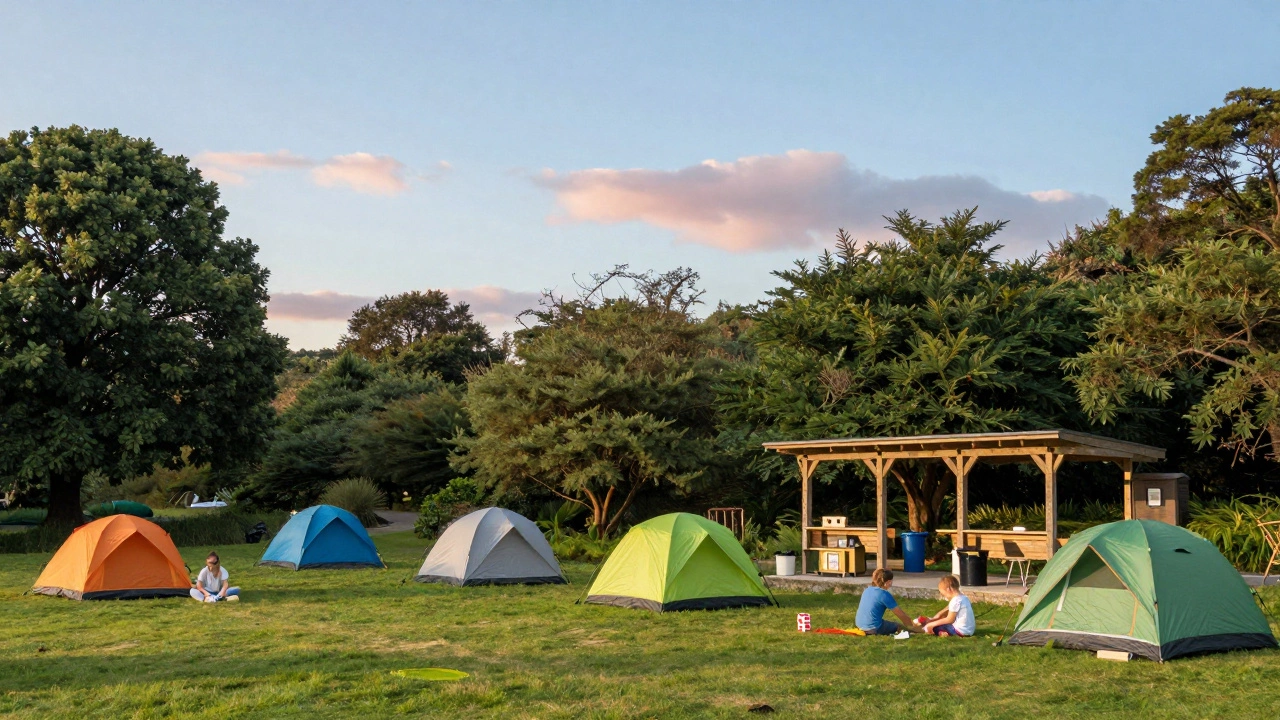
| Designated Sites | £10-£25/night | Always Legal | Toilets, Water | Families, Beginners |
| Hostels/Huts | £15-£40/night | Always Legal | Bed, Kitchen | Solo Travelers |
| Landowner Hosted | Varies | Legal with Perm | Variable | Secluded Experiences |
National Trust properties often offer affordable camping with high-quality facilities. Similarly, the Ramblers Association and Youth Hostels Association provide budget-friendly options across the country. These venues support conservation efforts and ensure your experience is safe and comfortable.
Common Misconceptions About UK Camping
Let’s clear up some myths that lead to trouble:
- "Right to Roam Means Right to Camp": False. In England and Wales, the Countryside and Rights of Way Act 2000 grants access for walking, cycling, and horse riding, but explicitly excludes camping.
- "If I'm Quiet, No One Will Care": Risky. Just because you haven't been caught doesn't mean it's legal. Landowners can still report you, and rangers patrol frequently in popular areas.
- "Motorhomes Are Different": Not really. While motorhomes are vehicles, parking them overnight on private land without permission is still trespass. Many towns also have anti-loitering laws targeting static vehicles.
Final Thoughts on Free Camping in the UK
Free camping in the UK requires careful planning and respect for local laws. While Scotland offers genuine freedom, England, Wales, and Northern Ireland demand permission or designated sites. By understanding these rules and adhering to responsible practices, you can enjoy the beauty of the British countryside without breaking the law or damaging relationships with locals.
Remember, the goal isn't just to sleep outdoors-it's to do so sustainably. When in doubt, ask permission or book a site. The peace of mind is worth the extra effort.
Is wild camping illegal in England?
Yes, wild camping is generally illegal in England unless you have explicit permission from the landowner. While some national parks tolerate it in remote areas, it is not a legal right and can result in being asked to leave or fined.
Can I camp on the beach in the UK?
It depends on the location. Some beaches allow camping, especially in rural areas, while others have strict bylaws prohibiting it. Always check for signs or contact the local council before setting up your tent.
Why is wild camping legal in Scotland?
Scotland's Land Reform (Scotland) Act 2003 codifies the right of responsible access to most land. This allows wild camping as long as you follow the Scottish Outdoor Access Code, which emphasizes leaving no trace and respecting others.
What happens if I get caught wild camping illegally?
Most commonly, you will be asked to leave by a landowner or authority. Refusing to leave can lead to fines, confiscation of gear, or in severe cases, criminal charges for aggravated trespass.
Are there any free campsites in England?
True free campsites are rare in England. However, some landowners offer free stays via platforms like Hipcamp, and certain National Trust sites may have very low costs. Always verify the status before arriving.