Is Camping Stressful for Dogs? What You Need to Know Before Heading Out
 Feb, 15 2026
Dog Camping Stress Assessment
This tool helps you determine if camping is appropriate for your dog based on their temperament, preparation, and campsite factors. Follow the article's guidelines to create a safe, enjoyable experience for your pup.
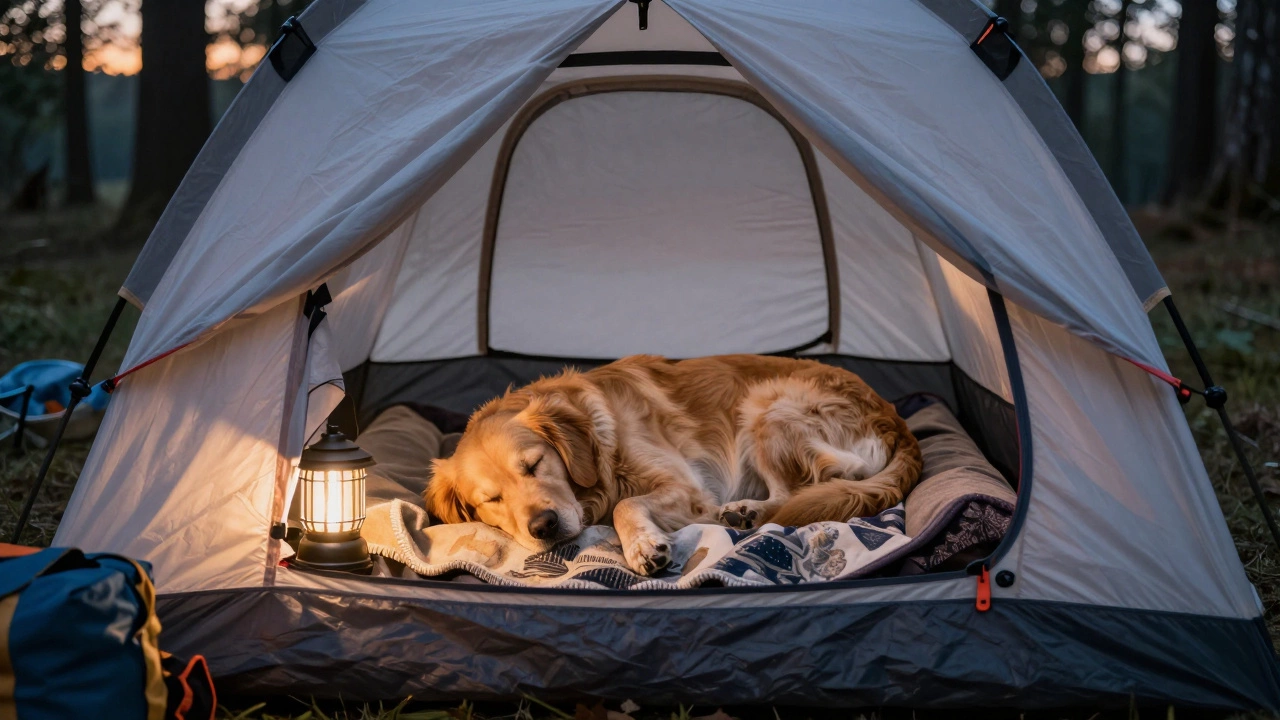
Every year, thousands of dog owners pack up their gear and head out for a weekend in the bush. But here’s the question no one talks about: is camping stressful for dogs? It’s not just about whether they’ll enjoy the smell of pine trees or chase squirrels. Some dogs come back exhausted, anxious, or even sick. Others? They act like they’ve hit the jackpot. The truth? It depends on your dog - and how you prepare.
Why Some Dogs Love Camping
Dogs are pack animals. They thrive on routine, scent, and movement. For many, camping isn’t a change - it’s an upgrade. The open space, the freedom to explore, the chance to roll in grass instead of concrete - it’s like being let out of a cage they didn’t know they were in. A 2024 study from the University of Melbourne tracked 400 dogs on weekend camping trips. Dogs with high energy levels and strong social bonds with their owners showed lower cortisol levels after just two nights outdoors. That’s a biological sign of reduced stress.
Think about it: your dog doesn’t care if the tent is lumpy or if the coffee tastes like burnt filters. They care about you. If you’re relaxed, curious, and calm, they’ll mirror that. The smell of a campfire, the sound of rustling leaves, the rhythm of hiking - these aren’t strange to them. They’re natural. Their ancestors lived this way.
Why Some Dogs Freak Out
But not all dogs are built for the wild. Some get overwhelmed fast. Loud noises - thunder, fireworks, even a stranger’s dog barking - can send them into panic mode. A 2025 survey of Australian vets found that 37% of emergency cases over long weekends involved dogs with acute anxiety, and 62% of those cases happened at campsites.
Why? Here’s what usually goes wrong:
- New environments - unfamiliar smells, sounds, and surfaces trigger overstimulation.
- Disrupted routines - feeding times, walk schedules, and sleep patterns shift suddenly.
- Lack of safety - if your dog doesn’t have a secure, quiet space to retreat to, they’ll feel exposed.
- Too much social pressure - crowded campsites with other dogs, kids, and loud music? That’s a recipe for meltdown.
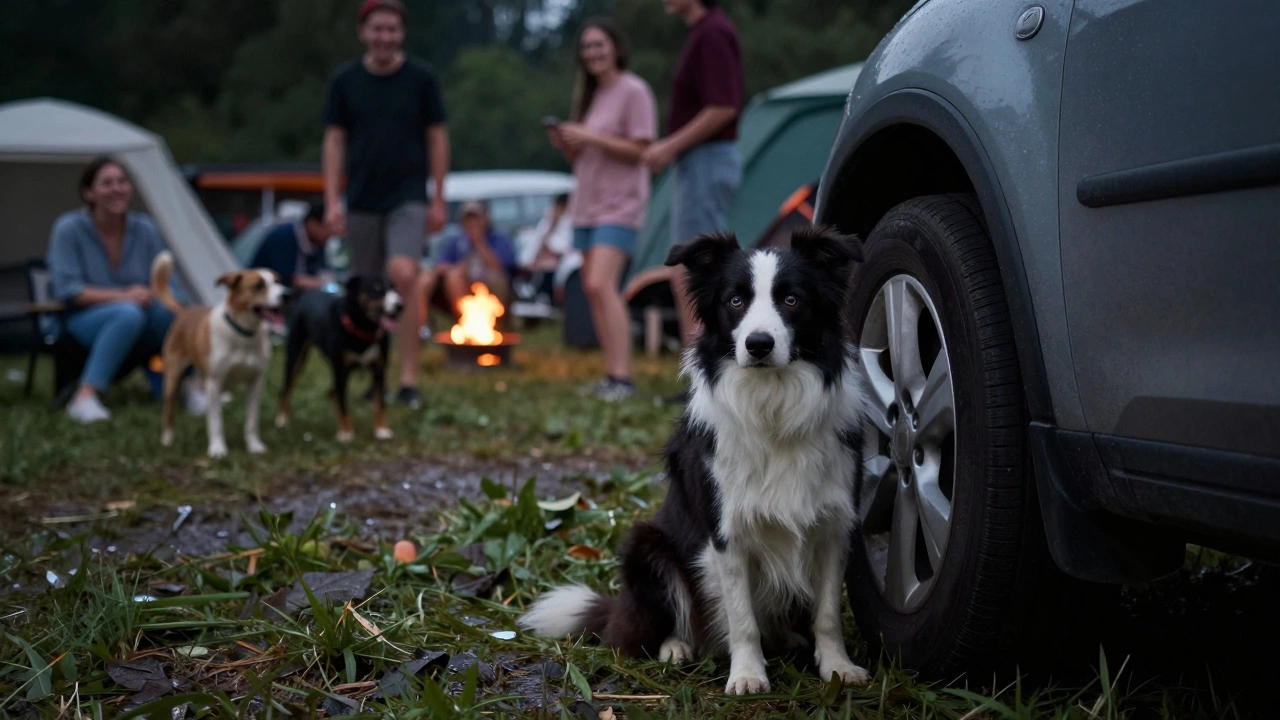
One Perth owner told me her 7-year-old Border Collie, Luna, started panting, refusing food, and hiding under the car every time they pulled into a site. She didn’t hate camping. She just didn’t know how to cope with the chaos.
Signs Your Dog Is Stressed Out
It’s easy to miss the signs. Dogs don’t say, “I’m overwhelmed.” They show it. Watch for:
- Pacing or circling with no purpose
- Excessive licking or chewing on paws
- Refusing to eat or drink, even treats they normally love
- Whining, trembling, or trying to hide
- Accidents in the tent or car - even if they’re house-trained
- Shutting down - staring blankly, not responding to their name
If you see even one of these after a few hours at camp, don’t brush it off as “just being tired.” It’s a signal.
How to Make Camping Calm for Your Dog
You can’t control the weather or the noise of other campers. But you can control your dog’s experience. Here’s how:
- Start small - Try a one-night stay in a quiet, dog-friendly campsite before going full weekend warrior. Look for places with low noise levels and off-leash areas. Sites like Yallingup Beach Caravan Park in Western Australia are designed for dogs - quiet, sandy, and surrounded by bush.
- Bring their comfort zone - Pack their bed, blanket, and favorite toy. Familiar scents are powerful calming tools. A worn T-shirt with your smell? Even better.
- Stick to routines - Feed them at the same time. Walk them right after arrival. Let them nap in the afternoon. Predictability reduces anxiety.
- Create a safe space - Set up a tent corner or a crate lined with blankets. Make it dark, quiet, and off-limits to kids or other dogs. This is their “safe room.”
- Bring calming aids - CBD treats (vet-approved, low-dose) or a Thundershirt can help. Don’t wait until they’re panicking - introduce them at home first.
- Know when to leave - If your dog is shaking, panting, or refusing food after 24 hours, it’s time to go. Pushing through doesn’t build resilience. It builds trauma.
What to Pack - Beyond the Basics
You don’t need much, but the right things make a huge difference:
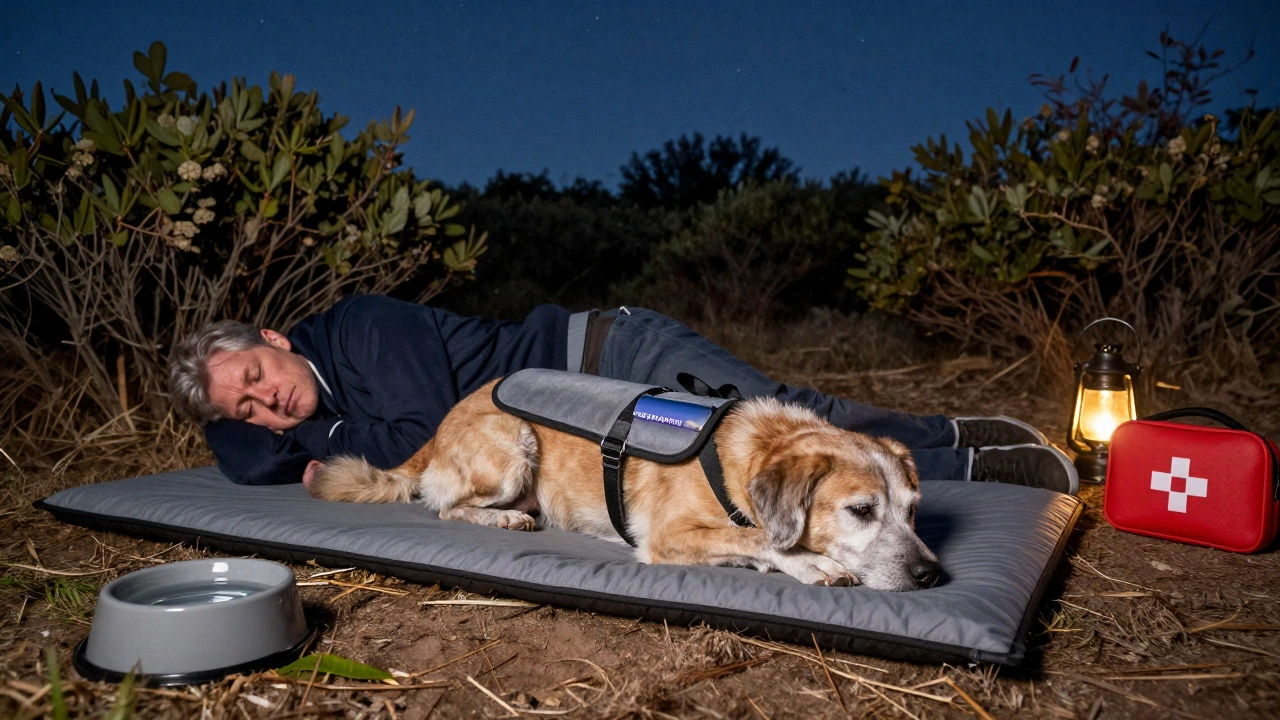
- Portable water bowl - Tap water at campsites can be hard or chemically treated. Bring filtered water or a travel filter.
- Non-slip mat - Wet ground, rocky paths, or slippery tent floors? A rubber-backed mat gives them grip and confidence.
- First-aid kit for dogs - Include tick remover, antiseptic wipes, and a muzzle (yes, even for your sweet pup - in case of injury, they might snap out of fear).
- Leash with reflective stitching - Nighttime walks are common. Visibility saves lives.
- Emergency contact card - Tie it to their collar: your name, vet’s number, and nearest 24-hour animal hospital.
Where to Go - Dog-Friendly Campsites That Actually Work
Not all “dog-friendly” campsites are created equal. Some are just places where they won’t kick you out. Here’s what to look for:
| Location | Key Features | Best For |
|---|---|---|
| Yallingup Beach Caravan Park (WA) | Off-leash beach access, quiet zones, shaded sites | Anxious dogs, first-timers |
| Big4 Holiday Park - Dandenong Ranges (VIC) | Forest trails, dog showers, fenced play area | High-energy dogs |
| Coonawarra Caravan Park (SA) | Quiet, no loud music, dog-friendly cabins | Senior dogs, noise-sensitive breeds |
| Barrenjoey Campground (NSW) | Coastal bushwalks, dog-friendly picnic areas | Active, social dogs |
Avoid sites with loud music, shared bathrooms, or no leash rules. Crowds and chaos are the biggest triggers.
When Camping Isn’t Right
Some dogs just shouldn’t go. If your dog has:
- Severe separation anxiety
- Chronic illness (kidney, heart, arthritis)
- Aggression toward other dogs
- A history of panic attacks in new places
Then camping might do more harm than good. That’s okay. There’s no shame in leaving them home with a dog sitter or boarding them in a quiet, low-stress facility. A calm, happy dog at home is better than a traumatized one on a trail.
Final Thought: It’s Not About the Trip - It’s About the Bond
Camping with your dog isn’t about checking off a bucket list. It’s about sharing quiet moments under the stars, watching them sniff the same leaves you’ve walked past a hundred times, and knowing they’re safe beside you. If they’re relaxed, smiling, and curled up at your feet - that’s the win.
If they’re trembling, panting, or hiding? You don’t need to tough it out. You just need to listen.
Can dogs sleep in tents?
Yes, most dogs can sleep in tents - if they’re used to it. Start by letting them nap inside during the day. Make sure the tent is well-ventilated, dry, and free of sharp gear. Bring their bed or a familiar blanket. Never force them in. If they refuse, let them sleep in a crate just outside - many dogs feel safer with the open air.
Do dogs get cold at night camping?
Absolutely. Especially short-haired breeds like Greyhounds or Chihuahuas. Even medium-haired dogs can get chilly in dew-heavy nights. Bring a dog-specific sleeping pad or insulated bed. A warm blanket or a heated pad (battery-powered, safe for pets) can make all the difference. Check their ears and paws - if they feel cold to the touch, they’re losing too much heat.
Should I bring my dog’s food from home?
Yes. Changing food mid-trip can cause upset stomachs, diarrhea, or refusal to eat. Pack enough of their usual food for the whole trip. If you’re worried about weight, bring a small container and measure portions. Don’t let them eat from the campfire or from other people’s food - even a few bites can cause serious issues.
Are dog parks at campsites safe?
Only if you supervise. Many campsite dog parks are chaotic. Dogs that are leash-reactive, overly excited, or poorly socialized can trigger fights. Always stay close. Watch body language - stiff tails, raised fur, and staring are warning signs. If you’re unsure, skip it. A quiet walk is better than a stressful game.
What if my dog barks at night?
Barking at night usually means anxiety, boredom, or fear - not mischief. Don’t yell at them. Instead, check if they’re cold, need to pee, or feel unsafe. Bring them inside the tent if possible. Play soft music or a white noise app to mask outdoor sounds. If it continues, consider a calming aid or consult your vet before your next trip.