Is Bottled Water Safe for Dogs? A Campers' Guide to Hydration
 May, 28 2026
Dog Hydration & Water Safety Calculator
Hydration Needs Calculator
Water Source Safety Checker
Daily Water Requirement
ounces per day
(-- liters)
Safety Assessment
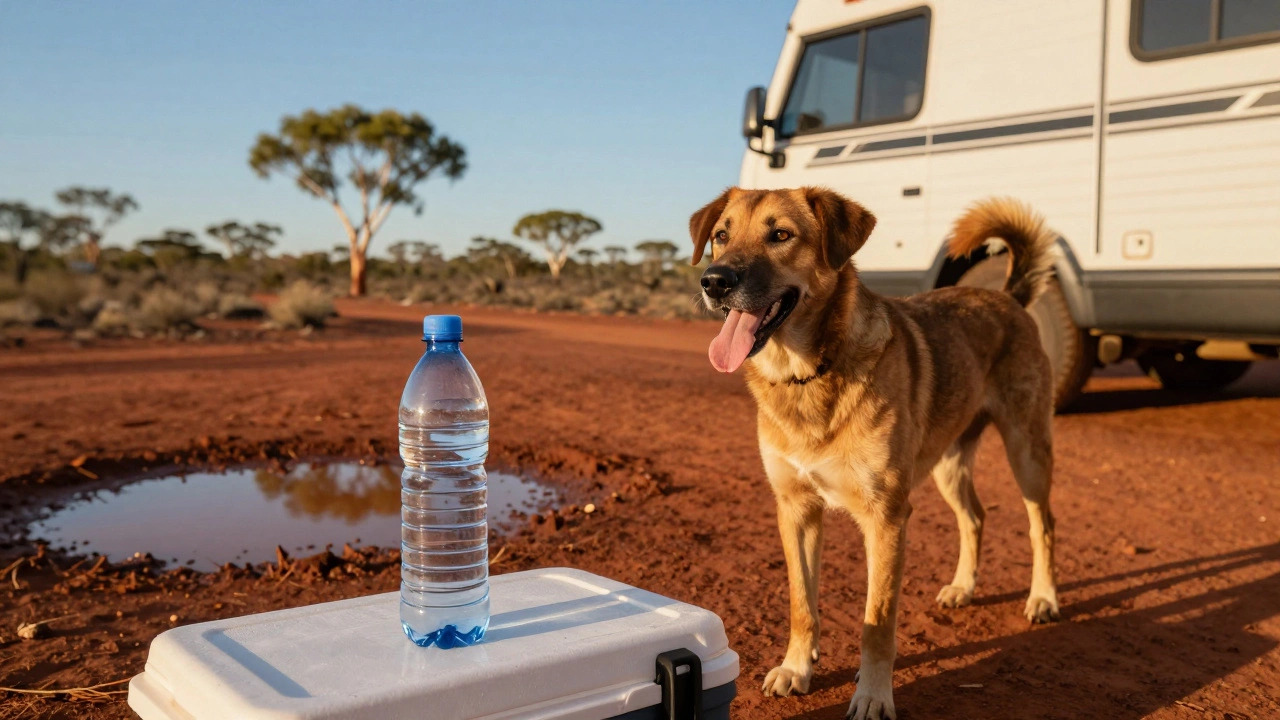
You’re standing at the edge of a remote creek in the Australian outback, your dog panting beside you. You have a half-empty bottle of premium spring water in your cooler and a stream flowing just ten feet away. Which one do you give him? It’s a question that trips up almost every new camper with a pet. We worry about chemicals in plastic bottles, but we also worry about parasites in wild streams. The truth is, the answer isn’t as simple as “yes” or “no.” It depends entirely on where that water came from, how it was stored, and what your dog’s stomach can handle.
Most commercially bottled water is perfectly safe for dogs. In fact, it’s often safer than letting them drink from random puddles or stagnant ponds while you’re hiking. However, there are nuances regarding mineral content, plastic leaching, and sudden changes in diet that every responsible owner needs to know. Let’s break down exactly when bottled water is your best friend and when you might want to reconsider your hydration strategy on the trail.
The Safety Profile of Commercial Bottled Water
When you buy a standard bottle of water from a supermarket, whether it’s labeled as purified, spring, or mineral water, it has undergone rigorous filtration and testing. For a dog, this means the absence of harmful bacteria like E. coli, Giardia, and Cryptosporidium, which are common threats in natural water bodies. If you are camping near a river or a lake, the risk of your dog picking up a parasite infection is real. In these scenarios, bottled water is not just okay; it is the superior choice for health safety.
However, not all bottled water is created equal. Some brands contain high levels of dissolved minerals. While humans generally tolerate this well, dogs have smaller bodies and different metabolic rates. Excessive magnesium or calcium intake from highly mineralized water can sometimes lead to digestive upset, particularly in small breeds or puppies with sensitive stomachs. If you notice your dog having loose stools after drinking a specific brand, it might be the mineral content rather than an allergy. Stick to neutral-tasting, low-mineral options if your dog seems prone to tummy troubles.
| Source Type | Safety Level | Primary Risks | Best Use Case |
|---|---|---|---|
| Commercial Bottled Water | High | Plastic taste, cost | Remote camping, sensitive stomachs |
| Fresh Tap Water (Filtered) | High | Chlorine taste | Home use, established campsites |
| Running Stream/Creek | Medium/Low | Giardia, bacteria, runoff | Emergency only, if filtered |
| Stagnant Pond/Puddle | Very Low | Parasites, algae toxins | Avoid completely |
The Plastic Factor: BPA and Chemical Leaching
A common concern among eco-conscious pet owners is the potential for chemicals to leach from plastic bottles into the water. Specifically, Bisphenol A (BPA) and phthalates have been linked to hormonal disruptions in animals. Most modern bottled water containers are made from PET (polyethylene terephthalate), which does not contain BPA. However, heat can accelerate the migration of other compounds into the liquid.
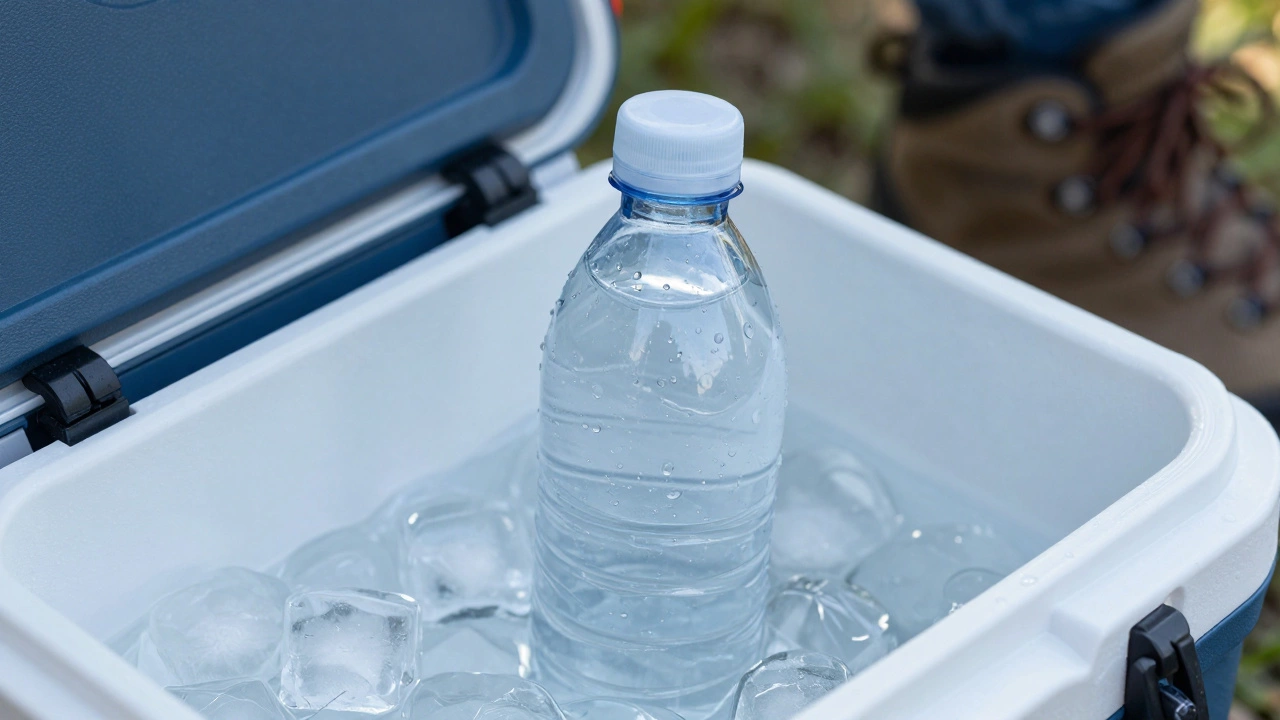
If you leave a bottle of water in your car on a hot Perth summer day, reaching temperatures over 40°C (104°F), the structural integrity of the plastic can degrade slightly, potentially imparting a chemical taste or trace contaminants. Your dog’s sense of smell is far more acute than yours; they will likely refuse to drink water that smells “plastic-y.” To mitigate this, keep your water supply in a shaded cooler. If you must use water from a bottle that has been exposed to extreme heat, let it cool down first or transfer it to a stainless steel bowl to allow any volatile compounds to dissipate.
Tap Water vs. Bottled Water: The Camping Dilemma
Many campers prefer tap water because it is cheaper and more environmentally friendly. In most developed countries, including Australia, tap water is treated and monitored strictly. For healthy adult dogs, tap water is generally safe. However, two factors can make tap water less ideal during travel: chlorine and hardness.
Chlorine is added to municipal water supplies to kill bacteria. While safe in regulated amounts, some dogs find the taste offensive and may drink less than they need, leading to dehydration. Hard water, which contains high levels of calcium and magnesium, can cause white scaling in bowls and may contribute to urinary crystals in predisposed dogs over time. If you are staying at a campsite with reliable plumbing, consider using a carbon filter pitcher or a portable straw filter to remove chlorine and improve taste. This makes tap water a viable, sustainable alternative to bottled water for short trips.
Natural Water Sources: When to Say No
The biggest danger isn’t usually the bottled water; it’s the temptation to let your dog drink from nature. That clear, cold stream looks inviting, but it might carry runoff from upstream farms, containing pesticides or fertilizers. More critically, it could harbor Giardia, a microscopic parasite that causes severe diarrhea, vomiting, and lethargy. Treating Giardia requires veterinary intervention and medication, turning a fun weekend trip into a stressful medical ordeal.
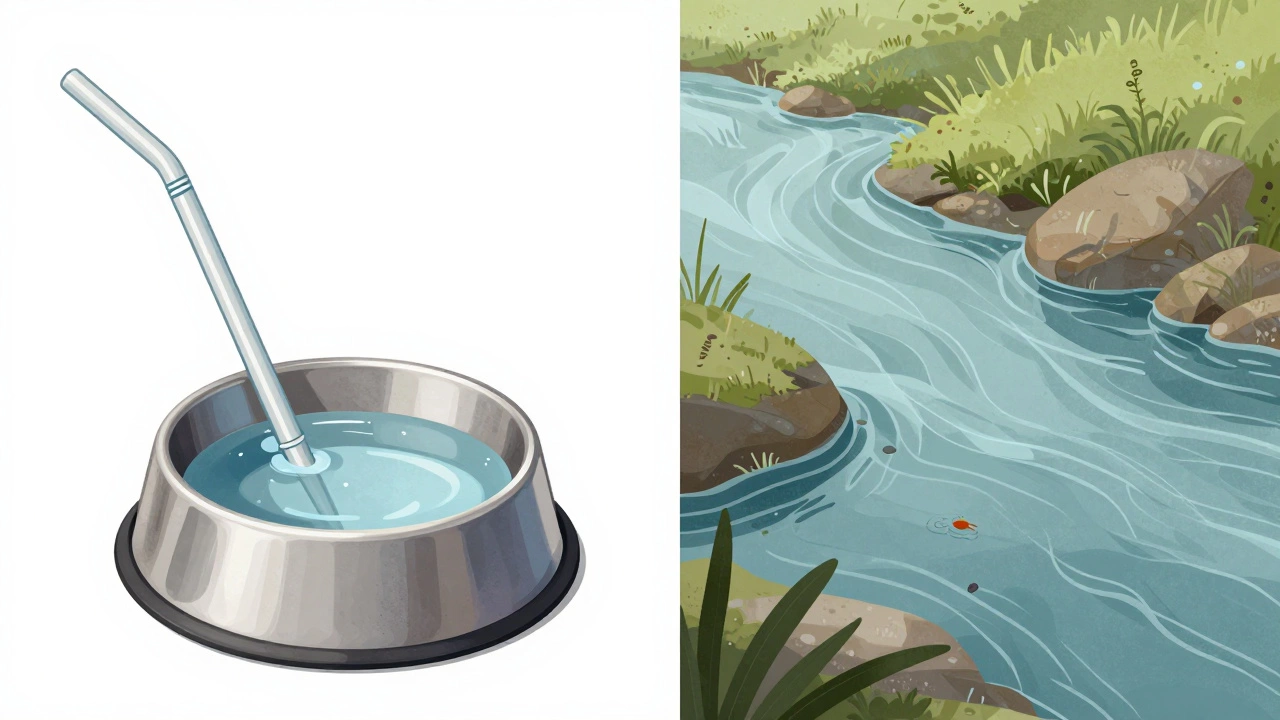
If you run out of bottled water and must rely on natural sources, never let your dog drink directly from stagnant water. Moving water is safer than still water, but even then, caution is advised. If possible, bring a portable water purifier designed for human consumption and let your dog drink from the output. Alternatively, boil the water and let it cool. Boiling kills most pathogens, making wild water much safer for your furry companion.
Signs of Dehydration and Over-Hydration
Knowing when your dog needs water is crucial. Dehydration can set in quickly, especially in hot climates. Check your dog’s gums; they should be moist and slick. If they feel dry or sticky, your dog is dehydrated. Another test is the skin tent: gently pinch the skin between your dog’s shoulder blades. If it snaps back immediately, they are hydrated. If it returns slowly, they need fluids.
Conversely, don’t force your dog to chug large amounts of water at once, especially after intense exercise. Rapid ingestion of large volumes can lead to bloat (gastric dilatation-volvulus), a life-threatening condition where the stomach twists. Offer small, frequent sips instead. After a long hike, wait at least 30 minutes before allowing unrestricted access to a full bowl of water.
Eco-Friendly Alternatives for Long-Term Campers
If you camp frequently, buying single-use plastic bottles is neither economical nor environmentally responsible. Consider investing in collapsible silicone bowls and reusable hard-sided water containers. Brands like PetSafe and Ruffwear offer durable options that attach to backpacks. Fill these from trusted sources-campsite taps or your own filtered supply-at home. This approach eliminates plastic waste and ensures your dog always has access to familiar, safe water without the environmental guilt.
Can I give my dog alkaline water?
Yes, alkaline water is generally safe for dogs in moderation. However, there is no scientific evidence that it provides health benefits over regular water. Some dogs may dislike the taste due to the higher pH level. If your dog drinks it willingly and shows no digestive issues, it is fine. Do not force them to drink it if they prefer neutral-tasting water.
Is distilled water good for dogs?
Distilled water is safe but lacks essential minerals like calcium and magnesium. Occasional use is fine, but long-term exclusive consumption of distilled water might lead to minor mineral deficiencies. For camping, standard purified or spring water is a better balance of safety and nutrition.
What should I do if my dog drinks from a dirty pond?
Monitor your dog closely for the next 7-10 days. Watch for signs of illness such as diarrhea, vomiting, lethargy, or loss of appetite. If symptoms appear, contact your veterinarian immediately and mention the exposure to potentially contaminated water. Early treatment for parasites like Giardia is more effective.
How much water does a dog need per day?
A general rule is 1 ounce of water per pound of body weight daily. So, a 50-pound dog needs about 50 ounces (roughly 1.5 liters). Activity level, temperature, and diet (wet vs. dry food) affect this number. In hot weather or during vigorous exercise, increase availability significantly.
Does the type of water bowl matter?
Yes. Stainless steel and ceramic bowls are best because they are easy to clean and do not harbor bacteria like plastic bowls can. Plastic bowls can develop micro-scratches where bacteria grow, potentially causing chin acne or gastrointestinal issues. For camping, collapsible silicone or metal bowls are ideal.