Is Boondocking Legal in the USA? Your Complete Guide to Free Camping on Public Lands
 Jan, 26 2026
Boondocking Legality Checker
Check Your Boondocking Legality
Rules to Follow
Boondocking isn’t just a buzzword for RVers and van lifers-it’s a way of life for thousands who skip campground fees and sleep under open skies. But here’s the real question: is boondocking legal in the USA? The answer isn’t a simple yes or no. It depends on where you are, what agency manages the land, and how you behave while you’re there.
What Exactly Is Boondocking?
Boondocking means camping off-grid, without hookups or amenities. No electricity, no water, no dump station. You’re parked on public land-often in national forests, Bureau of Land Management (BLM) areas, or even some state lands-and you rely on your own resources. It’s different from dispersed camping, which is a broader term that includes any non-designated camping. Boondocking usually implies you’re in a vehicle: RV, camper van, truck, or trailer.
People do it for freedom, cost savings, and quiet. A full hookup site at a private campground can cost $50 a night. Boondocking? Often free. But that freedom comes with rules.
Where Is Boondocking Allowed?
The U.S. has over 640 million acres of public land managed by four main agencies:
- Bureau of Land Management (BLM) - 245 million acres across 10 western states
- U.S. Forest Service (USFS) - 193 million acres in 44 states
- National Park Service (NPS) - 84 million acres
- U.S. Fish and Wildlife Service (FWS) - 150 million acres, mostly wildlife refuges
Boondocking is generally allowed on BLM and USFS land-unless signs say otherwise. National parks? Almost never. Wildlife refuges? Sometimes, but rarely without a permit.
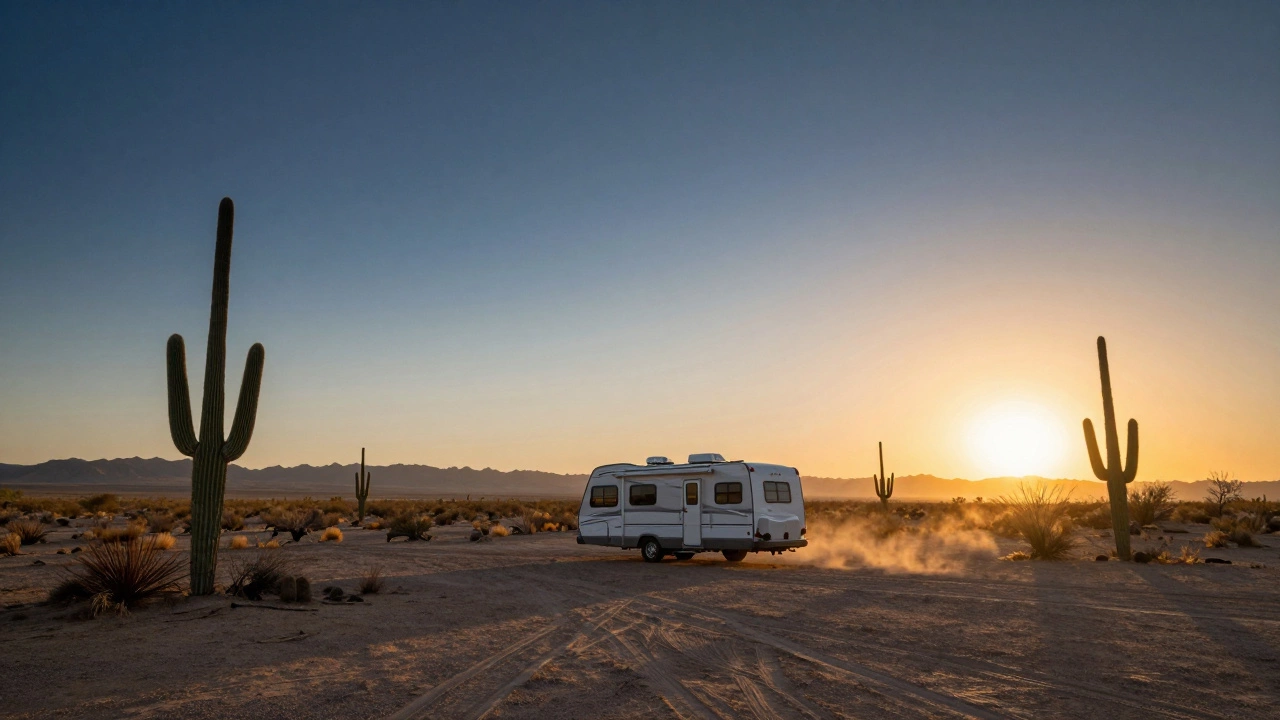
For example, in Arizona’s Sonoran Desert, BLM land allows up to 14 days of camping in one spot before you must move 25 miles away. In the Uinta-Wasatch-Cache National Forest in Utah, you can stay 16 days in a 28-day period. These aren’t random-they’re rules written into federal land use plans.
How Do You Know If a Spot Is Legal?
You can’t just pull off the highway and park. Here’s how to check:
- Look for official signs. If there’s a sign that says “No Camping” or “Dispersed Camping Prohibited,” respect it.
- Use apps like FreeRoam, iOverlander, or the BLM’s official land use maps. These show where camping is permitted.
- Call the local ranger station. They know the current rules, seasonal closures, and fire restrictions.
- Check if the area is marked as “Travel Management Area” or “Designated Camping Area.” Some places require you to stay in specific zones.
Don’t assume a dirt road equals permission. Many areas have “no parking” or “no overnight” restrictions-even if no one else seems to care. Rangers don’t patrol every spot, but they do respond to complaints. And someone always reports you.
What Are the Common Rules?
Even where boondocking is legal, there are universal expectations:
- Time limits - Most places allow 14 to 16 days in one location. After that, you must move.
- Distance from water - Camp at least 100 to 200 feet from lakes, rivers, and streams to protect water quality.
- Waste disposal - Pack out all trash. Human waste? Use a portable toilet or dig a cathole 6 to 8 inches deep, at least 200 feet from water and trails.
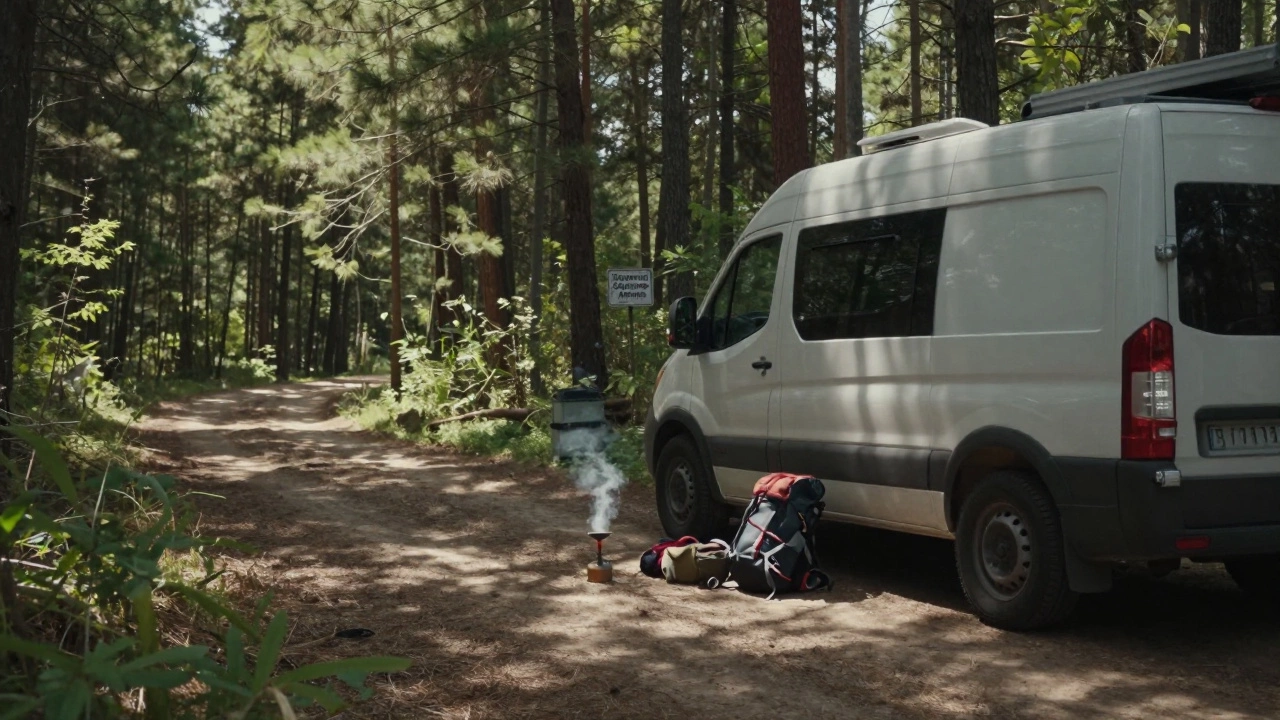
- Fire restrictions - Many areas ban campfires during dry seasons. Use a camp stove instead.
- No damage - Don’t cut trees, dig trenches, or move rocks. Leave no trace.
These aren’t suggestions. They’re federal regulations under the Code of Federal Regulations (CFR) Title 36. Violations can mean fines up to $5,000 and six months in jail-for something as simple as leaving a trash bag behind.
What About State and Local Laws?
Federal land rules don’t override state or county laws. In some cases, local governments have stricter rules.
For example, in Nevada, BLM land allows boondocking, but Clark County (where Las Vegas is) bans overnight parking on public roads. In California, some counties like San Bernardino allow it, but others like Los Angeles County prohibit it entirely-even on federal land within their borders.
Some states have their own camping rules on state forests or wildlife areas. In Oregon, state forests allow dispersed camping, but you must be 100 feet from roads and trails. In Colorado, camping on state land is limited to 14 days per year per person.
Always check both federal and local rules. A spot might be legal under the Forest Service-but illegal under a county ordinance.
What Happens If You Get Caught?
Most of the time, you’ll get a warning. Rangers understand people don’t always know the rules. But if you’ve been there too long, left trash, damaged vegetation, or ignored multiple signs, you’ll get a citation.
Fines vary by location. In Arizona, a first-time offense for illegal camping can be $100 to $500. In California, it’s often $250 to $1,000. Repeat offenders face higher fines or even vehicle impoundment.
Some areas have “no parking” zones near popular trailheads. If you park your van there overnight, even if you’re not camping, you can still be ticketed. That’s because local authorities don’t want people turning public roads into long-term parking lots.
Best Places to Boondock Legally in 2026
Here are five reliable spots where boondocking is consistently allowed and well-maintained:
- Organ Pipe Cactus National Monument (Arizona) - BLM land surrounds the park. Free, no permits needed. Desert views, clear skies.
- Grand Staircase-Escalante National Monument (Utah) - Vast, remote, and rarely crowded. Stay up to 14 days.
- Black Hills National Forest (South Dakota) - Forest Service land with hundreds of legal pull-offs. Great for fall and spring.
- Modoc National Forest (California) - High desert, low crowds. 14-day limit, no fees.
- Wallowa-Whitman National Forest (Oregon) - Mountain streams, pine forests. 16-day limit per location.
These spots are popular for a reason: they’re legal, safe, and scenic. They also have minimal cell service-perfect for disconnecting.
What About National Parks?
Most national parks don’t allow boondocking. Yellowstone, Yosemite, Zion-these places require you to stay in designated campgrounds. Some parks offer backcountry permits for hiking and camping, but those are for tents, not RVs.
There are exceptions. Great Basin National Park in Nevada allows backcountry camping with a permit. But you can’t park your RV just anywhere. Even in parks with dispersed camping, vehicles are usually restricted to roads and parking areas.
If you want to camp inside a national park, pay the fee. It’s not just about revenue-it’s about protecting fragile ecosystems. The fees go toward trail maintenance, waste removal, and ranger patrols.
Is Boondocking Safe?
Safety isn’t about legality-it’s about preparation. Boondocking in remote areas means no cell service, no help nearby. Here’s how to stay safe:
- Always tell someone where you’re going and when you’ll return.
- Carry a satellite communicator like Garmin inReach or Apple Emergency SOS.
- Bring extra water, food, and fuel. Roads can be rough. Weather changes fast.
- Don’t park in isolated areas with no other vehicles. If you’re the only one there, you’re a target.
- Know your vehicle’s limits. Many boondockers get stuck on dirt roads. Carry traction boards and a shovel.
Most boondockers never have an issue. But a few bad experiences make headlines-and that’s why some areas have started restricting access.
Why Are Rules Getting Stricter?
Over the last decade, boondocking has exploded in popularity. Social media made it look easy. But with more people comes more trash, more noise, more damage.
In 2023, the BLM reported over 12,000 complaints about illegal camping. In Arizona’s Mojave Desert, some areas were so damaged that the BLM closed entire zones for two years to let the land recover.
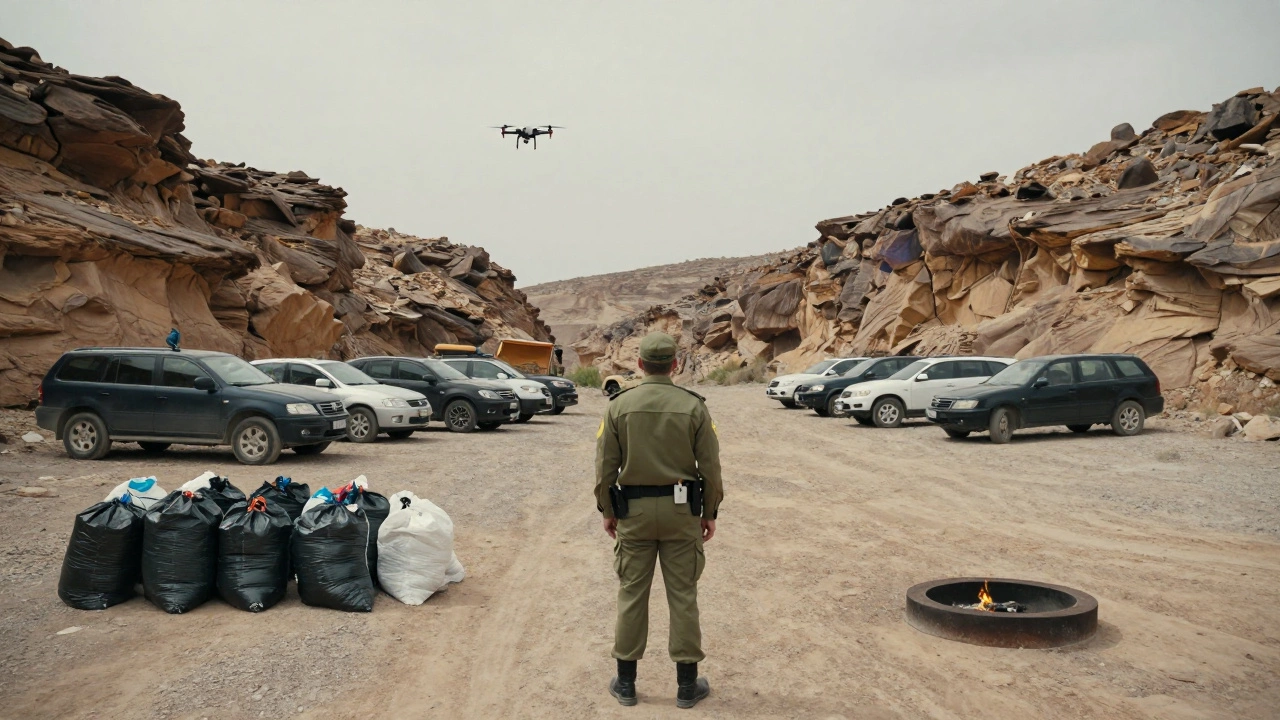
Agencies are now using drones to monitor popular spots. They’re increasing fines. They’re adding signs. They’re shutting down areas that can’t handle the pressure.
If you want to keep boondocking legal, you have to act responsibly. Pack out your trash. Don’t overstay. Respect wildlife. Leave the land better than you found it.
Final Thoughts: Is It Worth It?
Yes-if you follow the rules. Boondocking gives you something most campgrounds can’t: silence, solitude, and real connection with the land. But that privilege isn’t guaranteed. It’s earned by respecting the laws and the environment.
Don’t risk a fine or a closed area because you didn’t check the rules. A quick call to a ranger station or five minutes on a BLM map can save you hours of trouble.
The best boondockers aren’t the ones who push the limits. They’re the ones who know the rules-and follow them.
Is boondocking legal on all public lands in the USA?
No. Boondocking is allowed on some federal lands like BLM and U.S. Forest Service areas, but not on national parks, wildlife refuges, or most state parks. Rules vary by location, and some areas require permits or have time limits.
How long can you stay in one spot while boondocking?
Most federal lands allow 14 to 16 days in one location. After that, you must move at least 25 miles away. Some areas have stricter limits, like 7 days in certain national forests. Always check local rules.
Can you boondock in national parks?
Almost never. National parks require you to camp in designated campgrounds. Backcountry permits are available for hiking, but not for parking RVs or vans overnight. Some exceptions exist, like Great Basin National Park, but even there, vehicle access is limited.
What happens if you camp illegally?
You’ll likely get a warning the first time. But if you ignore signs, overstay, or leave trash, you can be fined between $100 and $5,000, depending on the location. Repeat offenses may lead to vehicle impoundment or jail time.
Do you need a permit to boondock?
Usually not on BLM or Forest Service land. But some areas require permits for fire use, group camping, or long-term stays. Always check with the local ranger station before you go.
Can you boondock in the winter?
Yes, but only in areas that remain accessible. Many high-elevation spots are snowed in by November. Check road conditions and weather forecasts. Some BLM areas in Arizona and Nevada stay open year-round and are popular winter destinations.
Is boondocking safe for solo travelers?
It can be, if you prepare. Always let someone know your location and plans. Carry a satellite communicator. Avoid isolated spots with no other vehicles. Stick to well-traveled areas during peak season. Most boondockers report feeling safer than in crowded campgrounds.