Is Boondocking Legal in Michigan? Your Complete Guide to Free Camping in the Wild
 Dec, 14 2025
You’ve got a van, a sense of adventure, and a craving for quiet nights under the stars. But before you pull off the shoulder of a forest road in Michigan, you need to know one thing: is boondocking legal in Michigan? The answer isn’t simple. It’s not a flat yes or no-it’s a patchwork of rules that change depending on where you are, who manages the land, and what you’re doing. This isn’t about breaking rules. It’s about knowing them so you can camp smart, stay safe, and keep Michigan’s wild places open for everyone.
What Exactly Is Boondocking?
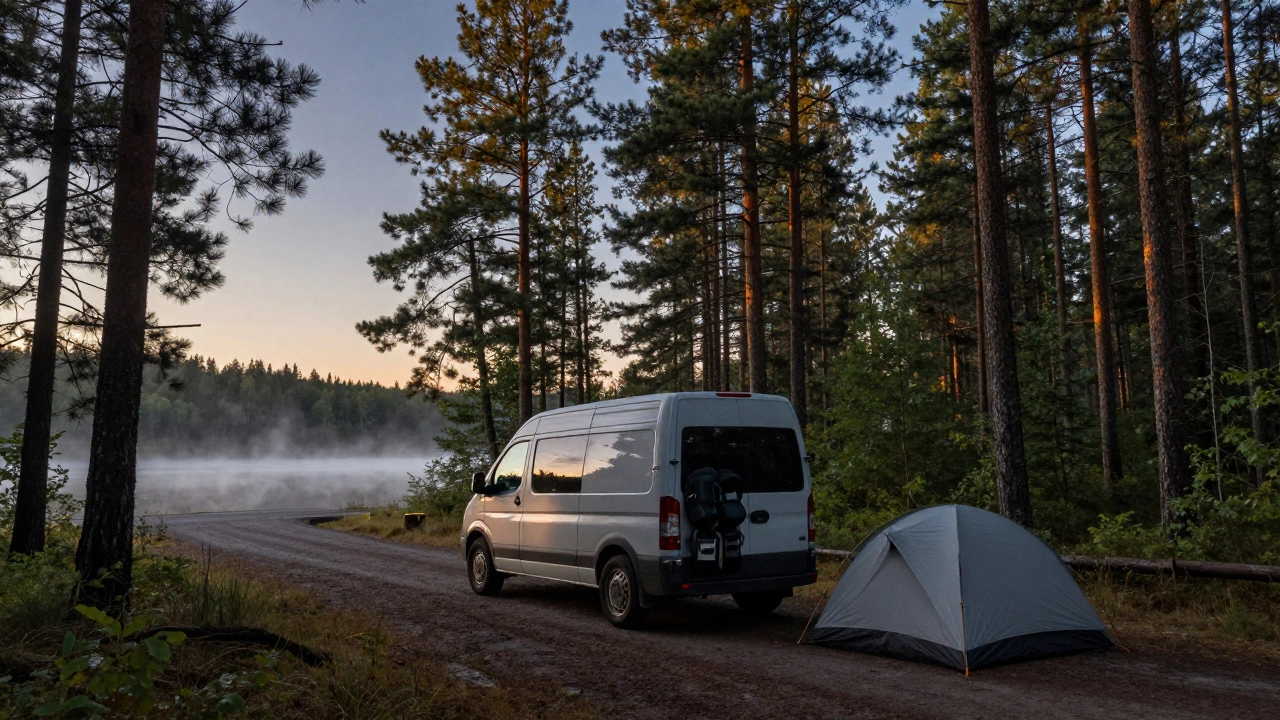
Boondocking means camping without hookups-no electricity, no water, no sewer. You’re off-grid, parked on public or sometimes private land, relying on your own supplies. It’s also called dispersed camping, free camping, or wild camping. In Michigan, this usually means pulling into a forest road, parking near a lake, or finding a quiet pullout in a state forest. You’re not at a campground. You’re not paying a fee. You’re just there, with your gear and your independence.
It’s popular because it’s cheap. It’s quiet. And in a state with over 11 million acres of public land, it feels like you’ve got endless space. But space doesn’t mean freedom to camp anywhere. That’s where things get tricky.
Boondocking on National Forest Land
Michigan has two major national forests: the Huron-Manistee National Forests and the Ottawa National Forest. These are your best bet for legal boondocking. The U.S. Forest Service allows dispersed camping in these areas, as long as you follow their rules.
You can camp for up to 14 days in a 30-day period in the same spot. After that, you must move at least 5 miles away. You can’t build fires in fire rings unless they’re already there. You must pack out all trash-including food scraps, toilet paper, and coffee grounds. And you must be at least 150 feet away from any trail, road, or water source. These aren’t suggestions. They’re enforced rules.
Some areas within these forests have additional restrictions. For example, parts of the Ottawa National Forest near the Lake Superior shoreline are closed to camping during bird nesting season (April-July). Always check the specific forest’s website before you go. Don’t assume all of it is open.
State Forests and State Parks: The Gray Zone
Michigan has 102 state forests covering over 4 million acres. But here’s the catch: most of them don’t allow dispersed camping. Unlike national forests, state forests are managed by the Michigan Department of Natural Resources (DNR), and their rules are stricter.
Boondocking is only officially allowed in designated state forest campgrounds. That means if you’re not at a marked site with a fire ring and a vault toilet, you’re technically breaking the rules. Some rangers turn a blind eye, especially in remote areas. But if you get caught camping outside a designated site, you can be fined up to $500.
State parks are even stricter. You can’t camp anywhere except in official campsites. Even if you park your van on the side of a road inside a state park, you’re still violating the rules. The DNR doesn’t make exceptions for van lifers or solo travelers. If you want to camp in a state park, you pay for a site.
What About BLM Land? Or Other Public Land?
You won’t find any Bureau of Land Management (BLM) land in Michigan. That’s a Western U.S. thing. So forget BLM rules-they don’t apply here.
What about county land? Or township land? Most of it is private or restricted. Some counties allow camping on public land, but only with a permit. Others ban it entirely. There’s no statewide rule for county land, so you have to check each one individually. That’s a lot of work. Most boondockers avoid it unless they know someone local who’s done it before.
Highway rest areas? No. Michigan law prohibits overnight parking in rest areas unless you’re resting due to fatigue. Even then, you can’t set up camp-no tents, no awnings, no chairs outside your vehicle. You’re only allowed to sleep in your car for a few hours. Anything more and you risk a ticket.
Private Land: The Risky Shortcut
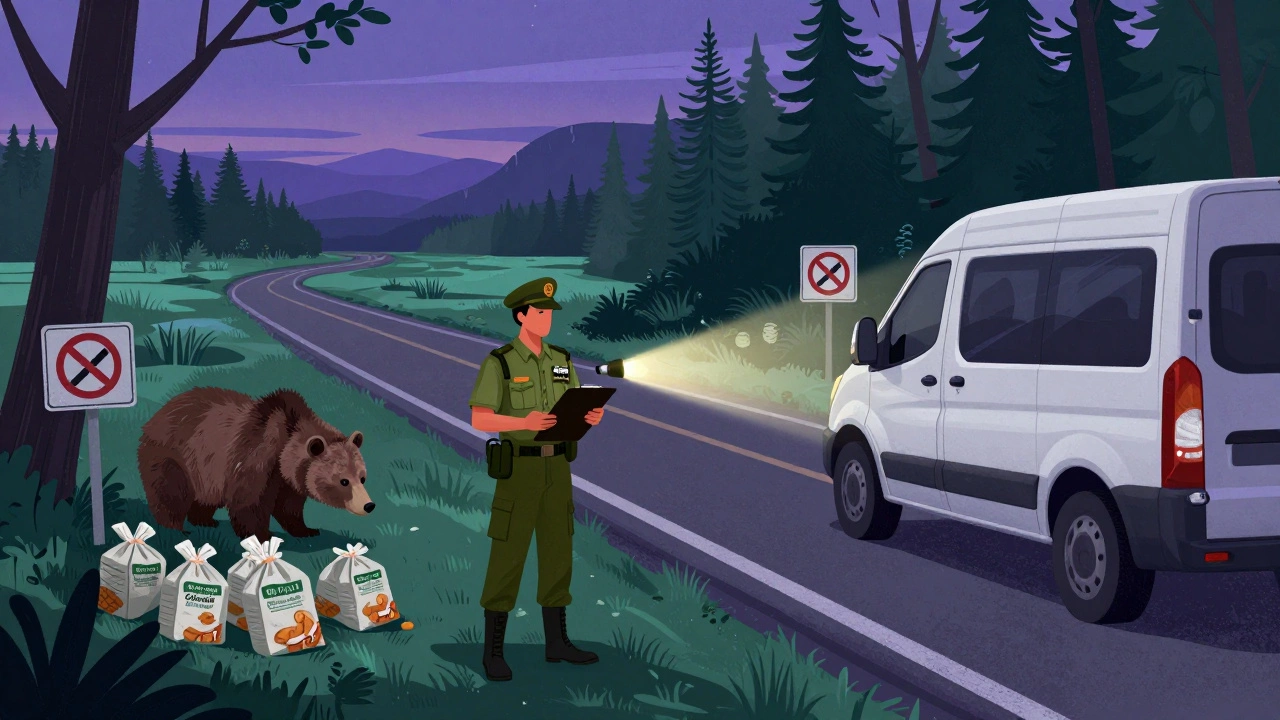
Some people think if they just ask a farmer or landowner, they can camp on private land. It happens. Sometimes you’ll find a friendly landowner who says yes. But here’s the problem: unless you have written permission, you’re trespassing. And in Michigan, trespassing on private land is a misdemeanor. You can be fined, arrested, or have your vehicle towed.
There are apps like Harvest Hosts or Campendium that list private properties open to campers. But these are mostly for RVers with hookups. You won’t find many for true boondockers. Don’t rely on word-of-mouth or random texts to landowners. It’s not worth the risk.
Fire Restrictions and Wildlife Rules
Even if you’re on legal land, you still have to follow fire rules. Michigan has strict fire bans during dry seasons, especially in spring and fall. You can’t have a campfire if the DNR has issued a ban-even if you’re in a fire ring. Check the DNR’s fire danger map before you leave. If it’s red or orange, don’t light anything.
And don’t feed wildlife. Bears, coyotes, and raccoons are common in Michigan’s forests. If you leave food out-even a peanut butter wrapper-you’re inviting trouble. Store food in bear-proof containers or hang it at least 10 feet off the ground and 4 feet from the trunk of a tree. This isn’t just about safety. It’s about protecting animals. Feeding them makes them dependent on humans, and that leads to them being euthanized.
Best Places to Boondock Legally in Michigan
If you want to camp without breaking the law, here are your top options:
- Huron-Manistee National Forests - Look for pullouts along M-55, M-72, or Forest Service Road 383 near Oscoda. Popular with van lifers for its quiet lakes and old-growth pines.
- Ottawa National Forest - Try the areas near Ironwood or along the Montreal River. The forest service has marked dispersed camping zones near Lake Gogebic.
- State Forest Campgrounds - Even though they’re marked sites, places like the Big Creek Campground or the Manistee River Campground are affordable ($15-$25/night) and offer basic facilities. You’re still boondocking in spirit-you just have a toilet nearby.
Use the USDA Forest Service’s Recreation.gov website to find exact locations. Search for “dispersed camping” and filter by forest. Don’t rely on Google Maps. Many of these spots don’t show up.
What Happens If You Get Caught?
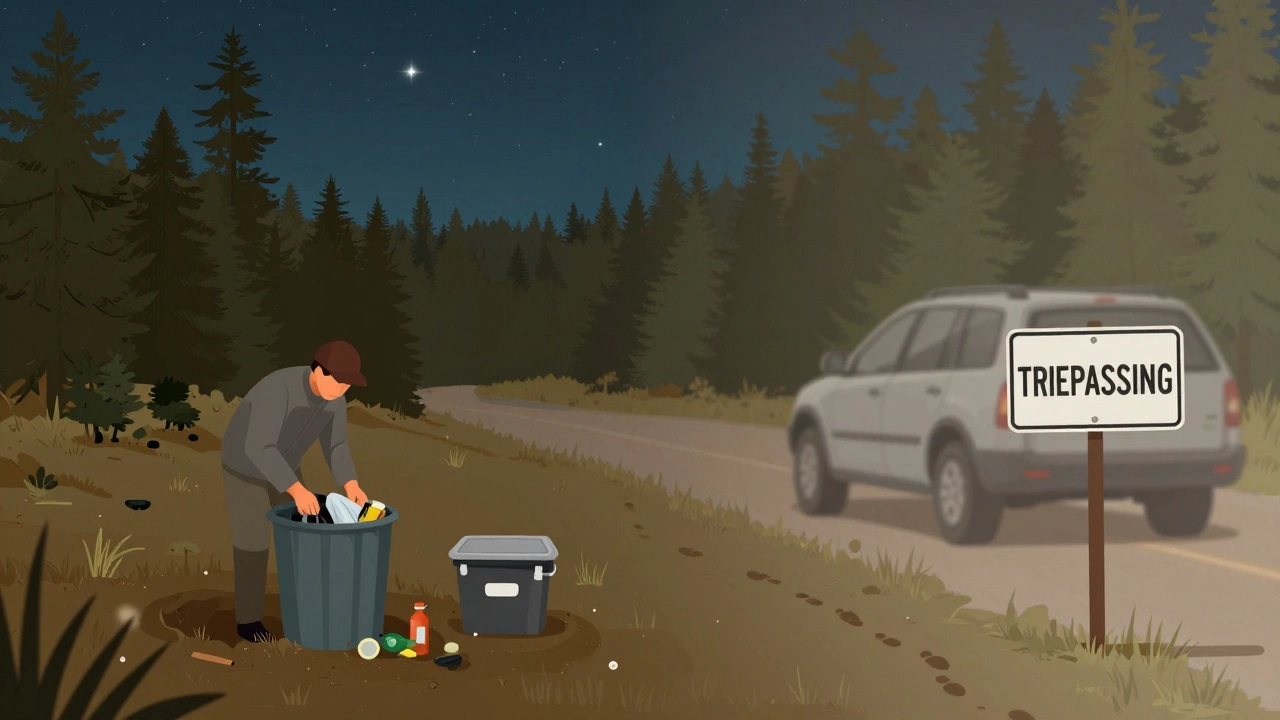
If a ranger finds you camping illegally, they’ll usually give you a warning first-especially if you’re polite and pack up right away. But if you’re in a restricted area, have an open fire during a ban, or are leaving trash behind, you could get fined. Fines range from $50 to $500, depending on the violation.
Repeat offenders get stricter penalties. In some cases, your vehicle can be impounded. And if you’re caught camping on private land, the landowner can call the police. You don’t want to be on the wrong side of that.
There’s no secret code. No underground network. No “everyone does it” excuse. Michigan’s land managers are trying to balance access with conservation. Your job is to respect that.
How to Stay Legal and Leave No Trace
Here’s your simple checklist to avoid trouble:
- Only camp in designated dispersed areas (national forests only).
- Stay 150 feet from water, trails, and roads.
- Don’t stay more than 14 days in one spot.
- Pack out everything-including your toilet paper.
- Use a portable toilet or bury waste 6-8 inches deep, at least 200 feet from water.
- Never start a fire during a ban.
- Store food securely to avoid attracting animals.
- Don’t cut trees or damage vegetation.
- Leave the place better than you found it.
If you follow these, you’re not just legal-you’re a responsible camper. And that’s what keeps these places open for the next person.
Alternatives to Boondocking in Michigan
If you’re unsure about the rules or don’t want to risk it, there are plenty of affordable options:
- State Forest Campgrounds - $15-$25/night, basic facilities, no hookups.
- County Parks - Some offer low-cost sites. Check your county’s website.
- RV Parks with No Hookups - Many offer just a spot and a vault toilet. Great for van lifers.
- Free Overnight Parking at Walmart or Cracker Barrel - Not technically boondocking, but legal and safe. Many travelers use these as stopovers.
These aren’t as wild as sleeping in the middle of a forest. But they’re legal, safe, and still quiet.
Final Answer: Is Boondocking Legal in Michigan?
Yes-but only in specific places. Boondocking is legal in the Huron-Manistee and Ottawa National Forests if you follow the rules. It’s illegal almost everywhere else, including state forests, state parks, rest areas, and private land. You can’t assume it’s allowed just because the land looks empty. Always check before you go.
Michigan’s wild spaces are beautiful. But they’re fragile. The rules exist to protect them-and to protect you. Don’t risk your trip, your money, or your freedom over a misunderstanding. Know the law. Respect the land. And keep camping.
Can you sleep in your car in Michigan state parks?
No. Sleeping in your car is only allowed in designated campsites within state parks. Even if you’re just resting, you can’t park overnight outside of those sites. Rangers enforce this strictly, and you can be fined for violating it.
Is boondocking allowed in the Upper Peninsula?
Yes, but only in the Ottawa National Forest and some areas of the Huron-Manistee National Forests. The Upper Peninsula has more public land than the Lower Peninsula, so there are more legal spots. Always check specific forest boundaries and avoid state forest land unless it’s a marked campground.
Do you need a permit to boondock in Michigan?
No permit is required for dispersed camping in national forests. But you must follow the 14-day limit and other rules. For state forests, you need to use a designated campground, which requires a reservation and fee. No free camping is allowed on state land without a permit.
Can you camp on the side of the road in Michigan?
Only if it’s a designated dispersed camping area in a national forest. Pulling over on any other road-even a quiet forest road-is considered illegal camping. State police and DNR rangers regularly patrol these areas, especially during peak season.
What’s the penalty for illegal boondocking in Michigan?
Fines range from $50 to $500, depending on the violation. Trespassing on private land or camping in a restricted area can lead to higher fines or even vehicle impoundment. Repeat offenses may result in criminal charges.