Is Boondocking Illegal in California? A Guide to Free Camping Laws
 Oct, 22 2026
California Boondocking Legality Checker
Select your camping scenario below to check the general legality of setting up camp. Remember: Always verify with local signage and current fire restrictions.
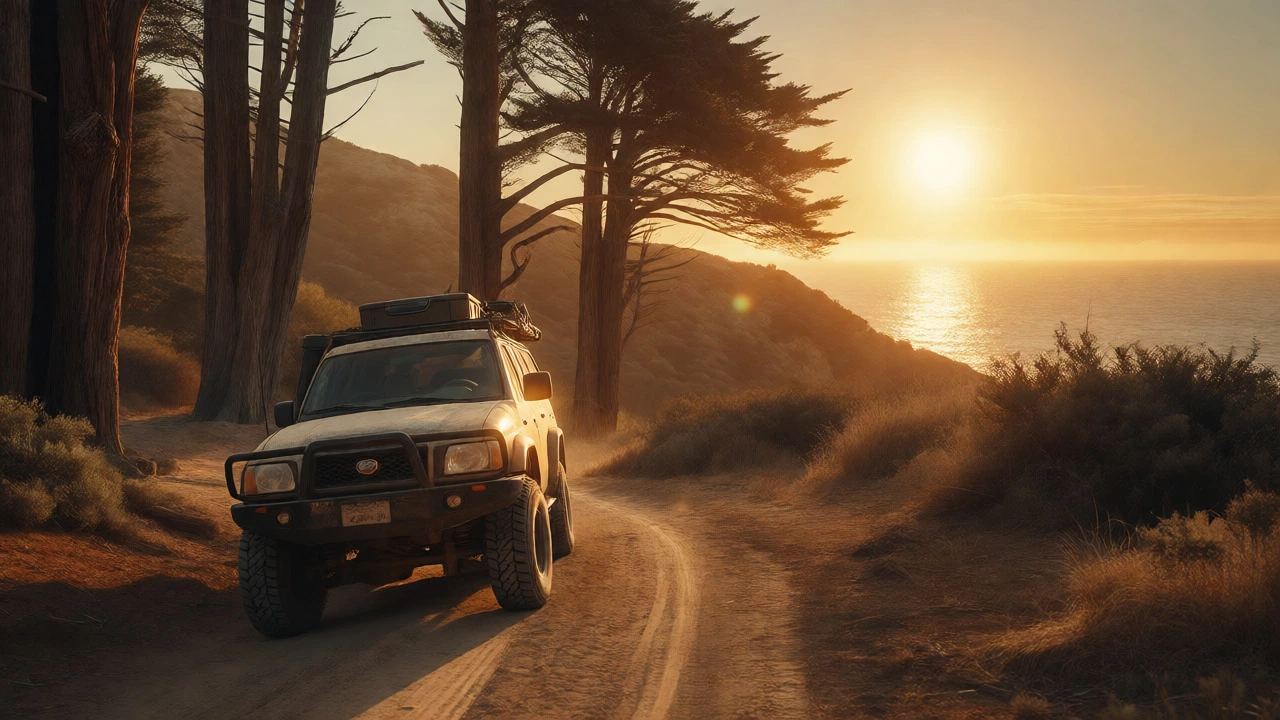
You’re driving down Highway 1, the Pacific Ocean glittering on one side and towering redwoods or dry scrubland on the other. You spot a dirt road leading off into nowhere, maybe a flat patch of sand near a remote beach, or a quiet pull-off under some pines. Your instinct screams "Stop here." But then that nagging voice in your head asks: Is this legal? Will I get a ticket? Will someone show up at 6 AM telling me to move?
If you’ve ever wondered whether boondocking-camping without hookups, amenities, or designated spots-is illegal in California, you’re not alone. The short answer is: It’s complicated. But don’t let that scare you off. With a bit of knowledge about where you are and what agency manages the land, you can sleep soundly (literally) knowing you’re within your rights.
The Short Answer: No, But...
Boondocking itself isn't inherently illegal across the entire state of California. There is no single "California Boondocking Law" that bans sleeping in your car or RV everywhere. Instead, legality depends entirely on three factors:
- Who owns the land: Is it federal (BLM/Forest Service), state (State Parks/Reserves), or private?
- What is the specific local ordinance: County and city rules often override general state trends.
- Are you actually camping: Or are you just parking for the night?
Most confusion comes from mixing up these categories. Sleeping in a Walmart parking lot is different from setting up camp on Bureau of Land Management land. One is usually tolerated; the other is regulated by strict federal statutes.
Federal Lands: Your Best Friend for Legal Boondocking
A huge chunk of California’s open space is managed by two federal agencies: the Bureau of Land Management (BLM) and the United States Forest Service (USFS). These are the gold standard for free, legal boondocking.
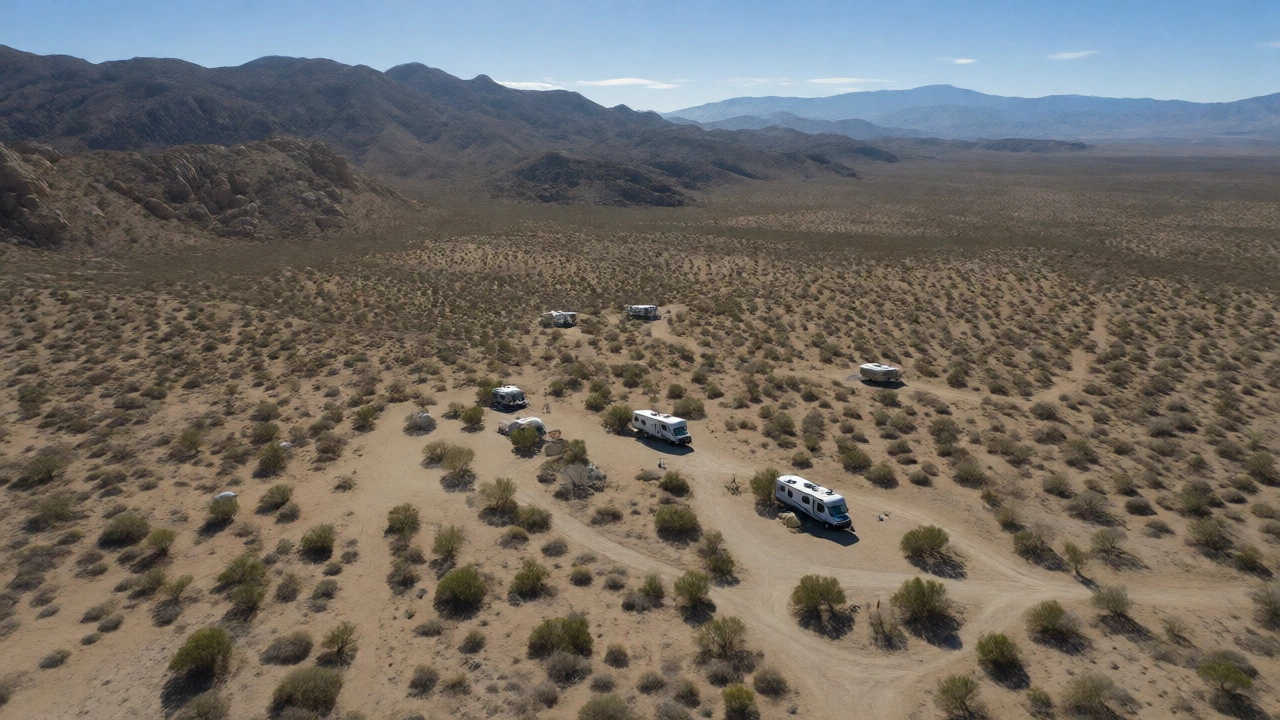
The BLM manages over 15 million acres in California, mostly in Southern and Eastern parts of the state. Their rule of thumb is simple: Dispersed camping is allowed unless specifically posted otherwise. This means you can set up camp outside of developed recreation sites for up to 14 days out of every 30-day period. You need to be at least 200 feet away from water sources like lakes, streams, or rivers to protect the ecosystem.
The USFS manages national forests like the Angeles, San Bernardino, and Sierra National Forests. Similar to BLM, they generally allow dispersed camping for 14 consecutive nights. However, check for seasonal closures. During high fire risk periods (usually summer through early fall), many forest roads close to vehicles, and camping might be restricted to designated areas only.
| Agency | Typical Stay Limit | Distance from Water | Fire Restrictions |
|---|---|---|---|
| BLM | 14 days / 30 days | 200 feet minimum | Varies by season |
| USFS | 14 consecutive nights | 200 feet minimum | Strict during fire season |
| State Parks | Usually none (dispersed) | Varies | Often banned entirely |
State Parks and Reserves: Where Things Get Tricky
Here is where many travelers get burned. Unlike federal lands, California State Parks do not generally allow dispersed camping outside of designated campgrounds. If you pull off a highway into a state park boundary and pitch a tent, you could be cited. Most state parks require you to pay for a site or stay in an established campground.
However, there are exceptions. Some State Recreation Areas or smaller reserves may have specific zones marked for day-use only, meaning you cannot sleep there overnight. Always look for signage at the entrance. If it says "Day Use Only," pack up before sunset.
Beach camping adds another layer of complexity. While some beaches allow drive-on camping (like Pismo Beach Dunes or Oceano Dunes), others strictly prohibit it. For example, sleeping on the sand at Santa Monica Pier is a quick way to get fined. Check with the local county parks department before heading to a specific stretch of coastline.
County and City Ordinances: The Hidden Trap
Federal and state rules apply to public lands. But what about that gravel pull-off on a county road? What about the street in front of a closed gas station? This falls under local jurisdiction.
Many coastal cities, especially in popular tourist areas like Monterey, Santa Barbara, and San Diego, have enacted ordinances banning "overnight parking" or "living in vehicles" on public streets. These laws were often written to address homelessness but frequently catch tourists and RVers in the crossfire.
For instance, Los Angeles has specific rules about how long you can park on residential streets (often 72 hours max). In rural counties, enforcement might be lax, but in urban centers, it’s strict. If you’re boondocking on a county road right-of-way, you’re technically in a gray area. Some counties explicitly ban camping on unimproved roadsides; others don’t mention it at all. When in doubt, ask a local ranger or sheriff’s deputy. They’d rather give you advice than write a ticket.
Private Land and Permission
Don’t overlook private property. Many ranchers, farmers, and business owners are happy to let you park for a small fee or even for free if you’re respectful. Apps like Hipcamp or iOverlander often list these spots. Just remember: permission can be revoked at any time. If you’re on private land, you’re a guest, not a citizen exercising public rights. Keep it clean, keep it quiet, and leave no trace.
How to Avoid Tickets: A Practical Checklist
Before you set up camp, run through this mental checklist to ensure you’re staying legal:
- Check the map layers: Use apps like Campendium, AllStays, or Gaia GPS to identify land ownership. Blue is usually BLM, green is Forest Service, purple is State Park, and white is often private or county.
- Look for signs: Read every sign at the trailhead or road entrance. Look for keywords like "No Overnight Parking," "Camping Prohibited," or "Dispersed Camping Allowed."
- Observe existing campsites: Are there already established fire rings or cleared pads? This suggests previous use and likely tolerance. If the ground looks pristine and untouched, think twice before disturbing it.
- Leave No Trace: Pack out all trash. Bury human waste properly (cat holes 6-8 inches deep, 200 feet from water). Don’t cut live vegetation. Fire restrictions vary wildly-check current status before lighting a campfire.
- Respect the locals: If a neighbor waves you over, be friendly. Explain you’re just passing through. Goodwill goes a long way in rural communities.
Special Considerations for Winter and Fire Season
California’s climate dictates legality as much as maps do. In winter, snow closures might block access to higher elevation boondocking spots in the Sierra Nevada. Conversely, in late summer and fall, extreme fire danger can trigger emergency orders that ban all vehicle entry and camping on certain public lands. These orders are often announced with little notice. Follow news outlets like KQED or local sheriff’s departments for real-time updates during peak fire season (July-October).
Also, consider drought conditions. During severe droughts, some regions restrict washing vehicles or dumping greywater. Be mindful of water scarcity when planning your trip.
FAQs About Boondocking in California
Can I sleep in my car anywhere in California?
No. While sleeping in a car is common, it is not universally legal. On federal lands (BLM/USFS), it is generally allowed as dispersed camping. On state lands, it is often prohibited outside designated campgrounds. In cities and towns, local ordinances frequently ban overnight parking or sleeping in vehicles on public streets. Always check local signage and regulations.
How long can I boondock on BLM land in California?
You can typically stay on BLM land for up to 14 consecutive nights. After that, you must move at least 25 miles away or return after a 30-day waiting period. This rule helps prevent people from turning public land into permanent private residences.
Is it illegal to camp on California beaches?
It depends on the specific beach. Popular beaches like Huntington Beach or Santa Monica generally prohibit overnight camping on the sand. However, designated areas like Pismo Beach Dunes or Oceano Dunes State Vehicular Recreation Area allow drive-on camping with a permit. Always check with the local managing agency before setting up.
Do I need a permit for dispersed camping?
Generally, no permit is required for dispersed camping on BLM or USFS land in California. However, some high-demand areas or special management zones may require a self-issue permit or a reservation. Always check the specific website for the forest or field office you plan to visit.
What happens if I get caught camping illegally?
Consequences vary. Usually, you’ll receive a warning and be asked to move along. Repeat offenses or violations in sensitive ecological areas can result in fines ranging from $50 to several hundred dollars. In rare cases, if you cause damage or refuse to leave, you could face misdemeanor charges.
Final Thoughts: Stay Curious, Stay Compliant
Boondocking in California is a fantastic way to experience the state’s diverse landscapes without breaking the bank. The key is preparation. Don’t assume; verify. Use digital tools to map out legal spots, read the signs, and respect the environment and local communities. When you do your homework, that dirt road pull-off isn’t a gamble-it’s a reward.