How to Keep Bears Away from a Campsite: A UK Camper's Reality Check
 Jul, 9 2026
UK Campsite Wildlife Risk Calculator
Select the options that match your current camping setup to see how attractive your site is to local wildlife.
Risk Assessment
Safe Setup
Your campsite appears secure against local wildlife.
Did you know?
Foxes can smell food from over 100 meters away. A sealed hard bin is your best defense.
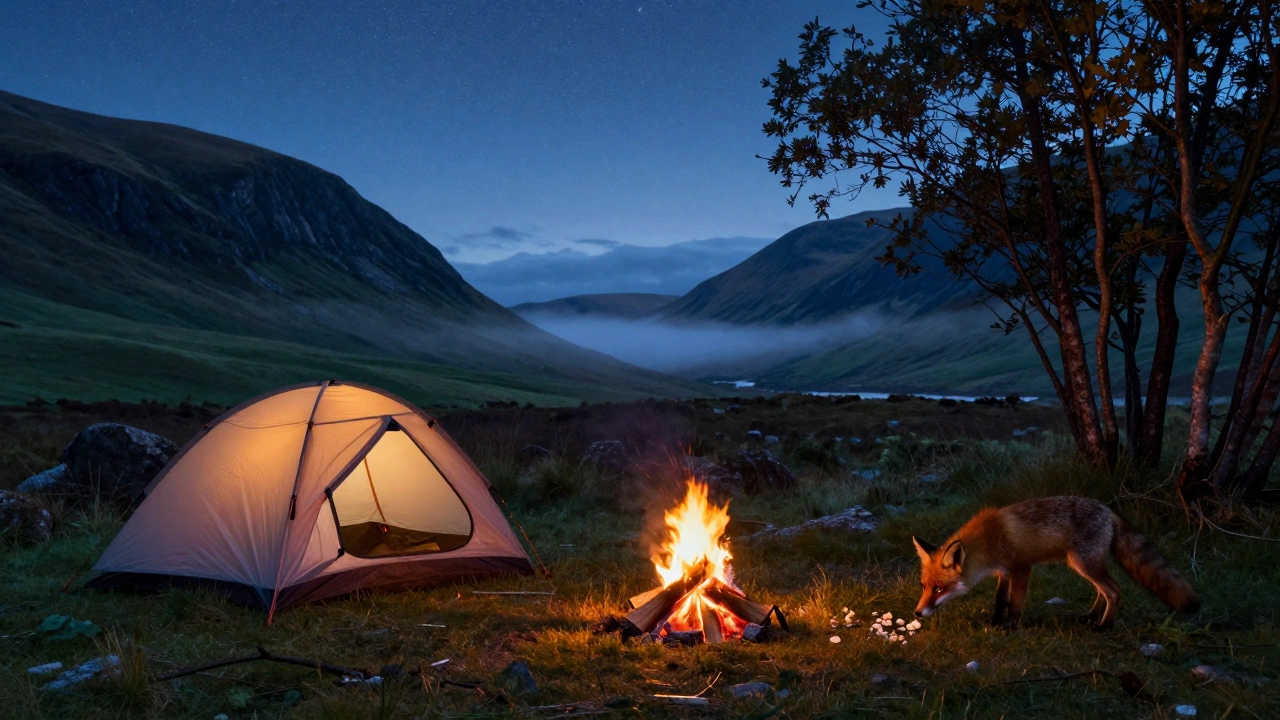
You’re sitting by the fire at your favorite spot in the Scottish Highlands. The air is crisp, the stars are out, and you’ve just opened a packet of chips. Suddenly, you hear a rustle in the bushes. Your heart skips a beat. Is it a bear? If you’re camping in the UK, the answer is almost certainly no-but that doesn’t mean you should ignore wildlife safety entirely.
Here’s the hard truth: bears do not live in the wild in the United Kingdom. The last brown bear was hunted to extinction here over 400 years ago. So, if your primary fear is a massive grizzly breaking into your tent for your leftover pasta, you can relax. However, "keeping bears away" is often a shorthand for "keeping all large wildlife away." In the UK, that means foxes, badgers, deer, and increasingly bold rats. These animals are attracted to the same things bears are: easy calories.
If you’re visiting the UK from North America or Europe, or if you’re simply new to wild camping, understanding how to secure your site against opportunistic scavengers is crucial. It’s not about fear; it’s about respect for local ecosystems and protecting your own peace of mind. Let’s break down exactly how to make your campsite unappealing to every creature with teeth.
The Reality of UK Wildlife at Campsites
Before we get into tactics, let’s clear up the confusion. Many campers ask how to keep bears away because they see advice online written for Yellowstone or Banff. That advice involves bear lockers and hanging bags from trees. In the UK, those methods are unnecessary and sometimes illegal (you can’t tie ropes around protected ancient trees).
Instead, you need to worry about:
- Red Foxes: Highly adaptable omnivores that thrive near human settlements. They have sharp claws and strong jaws capable of tearing open soft coolers and trash bags.
- Rats: Surprisingly large and bold in rural areas. They will chew through plastic containers and steal crumbs from open tents.
- Badgers: Protected species with immense strength. They don’t usually raid campsites but can be aggressive if cornered or if their setts (burrows) are disturbed.
- Deer: Generally shy, but they will eat anything left outside, including laundry and toilet paper.
The goal isn't to fight these animals. It’s to remove the incentive for them to visit. A clean campsite is an ignored campsite.
The Golden Rule: Food Storage and Hygiene
The single most effective way to keep any animal away is to eliminate the scent of food. Animals rely on smell far more than humans do. A fox can detect food scraps from hundreds of meters away. Here is how you manage this effectively.
1. Never Store Food in Your Tent
This seems obvious, but people do it all the time. You might think a granola bar wrapped in foil is safe. It isn’t. Even sealed packages retain odors. If you sleep with food, you risk waking up to a rat chewing through your bag or a fox investigating your sleeping bag. Keep all consumables, including toiletries like toothpaste (which smells minty and sweet), in your vehicle or a dedicated storage container outside the tent.
2. Use Hard-Sided Containers
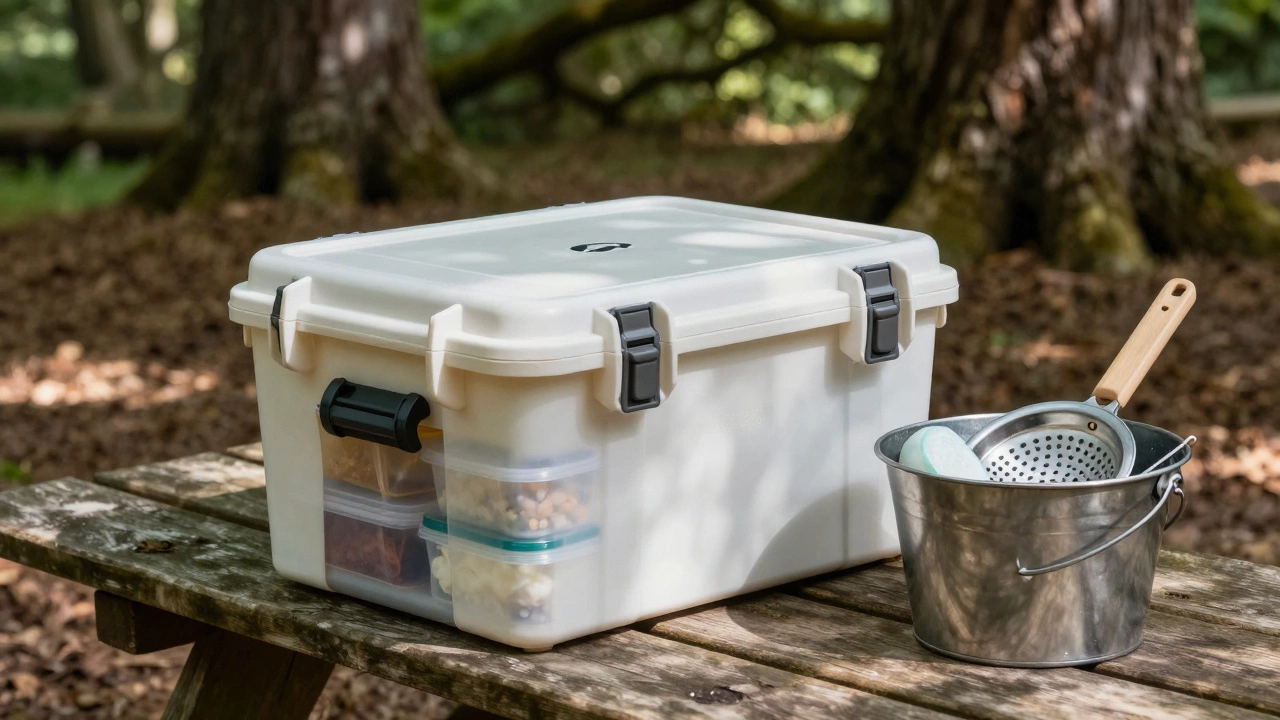
Soft coolers are vulnerable. A determined fox can dig under a cooler or tear the zipper. Invest in a hard-sided plastic bin with a locking lid. This is standard practice for serious campers. If you don’t have one, store food inside your car with windows closed. Cars are generally too loud and sturdy for small wildlife to breach.
3. The "Cooking Zone" Separation
Create three distinct zones in your campsite layout:
- Sleeping Zone: Where your tent is. No food, no cooking smells.
- Cooking Zone: At least 50-100 feet (15-30 meters) downwind from your tent. This prevents smoke and grease smells from drifting into your sleeping area.
- Storage Zone: Where your food bin or car is located.
This separation ensures that even if an animal investigates the cooking area, it won’t find its way directly to your bed.
Managing Waste Like a Pro
Trash is a magnet for wildlife. In the UK, many campsites provide communal bins, but wild campers must pack out everything. Here’s how to handle waste without attracting attention.
Compostable vs. Non-Compostable: Don’t just bury food scraps. Digging holes to hide apple cores or chicken bones attracts digging animals like badgers and foxes who will unearth them later. Instead, burn food scraps if fires are permitted and safe, or pack them out in sealed bags. For non-compostable trash, use double-bagged, tied-tight plastic bags stored in your hard container or car.
Grey Water Management: Washing dishes in a stream is banned in many UK national parks for environmental reasons. More importantly, dumping soapy water with food particles nearby creates a localized feast for insects and rodents. Wash dishes using biodegradable soap in a bucket, strain the food particles into your trash bag, and scatter the grey water widely at least 200 feet from water sources and your campsite.
Deterrents and Physical Barriers
If you’re concerned about larger animals like deer or particularly bold foxes, physical barriers help.
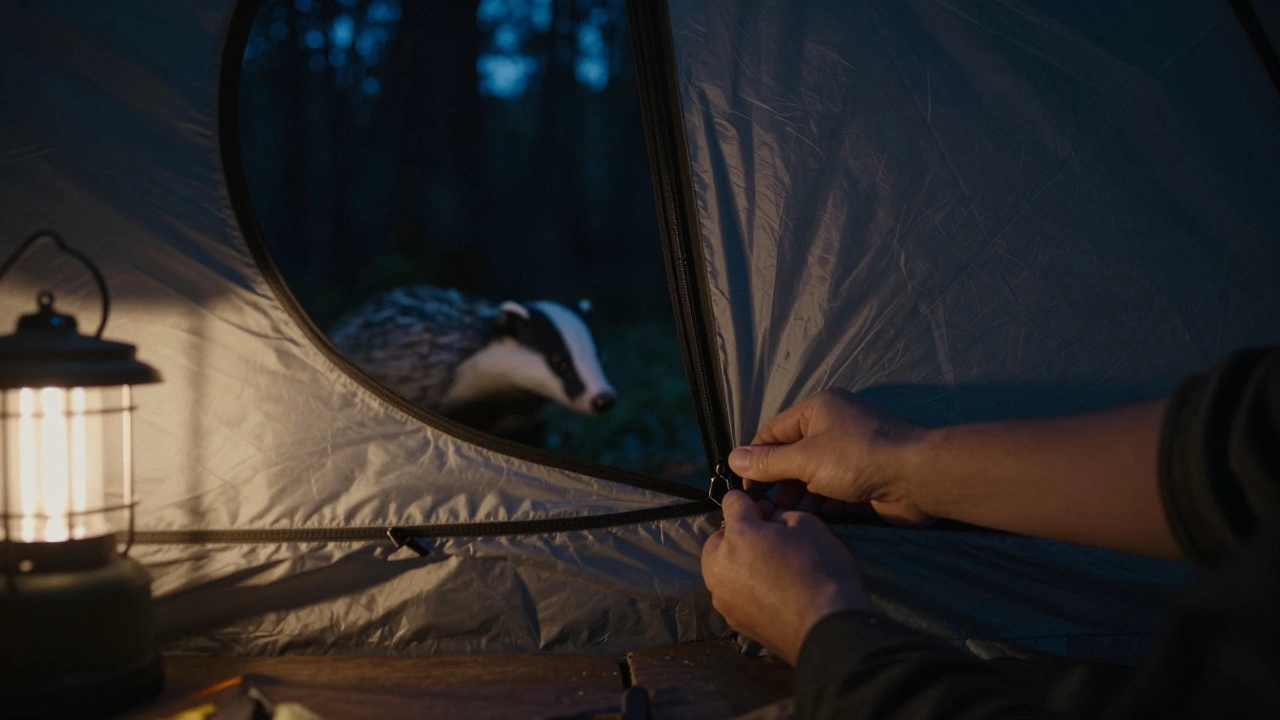
Tent Selection Matters: Choose a tent made of durable, ripstop nylon or polyester. Avoid mesh-heavy designs if you’re camping in areas known for high rodent activity. Zip up all doors and windows before you sleep. It keeps mosquitoes out, too.
Light and Sound: While motion-sensor lights are popular in backyards, they’re less practical for wild camping due to battery drain. However, keeping a lantern on inside your tent while you cook can signal occupancy. Animals prefer stealth; a lit tent suggests humans are present and alert.
Avoid Scented Products: Surprisingly, scented lotions, perfumes, and even heavily fragranced laundry detergent can attract curiosity. Stick to unscented or minimally scented products when possible. This reduces the overall "human odor" profile that might confuse or attract curious wildlife.
| Method | Effectiveness Against Foxes/Rats | Convenience | Best For |
|---|---|---|---|
| Soft Cooler | Low (can be torn/dug) | High | Short trips in low-wildlife areas |
| Hard Plastic Bin | High (lockable) | Medium | Wild camping, multi-day trips |
| Inside Car | Very High | High | Car-accessible campsites |
| Hanging Bag (PCT Method) | Medium (requires skill/trees) | Low | Backpacking where cars aren't allowed |
What to Do If You Encounter Wildlife
Even with perfect hygiene, you might spot a fox or a badger. Remember, these are wild animals. Do not approach them. Do not try to feed them. Feeding wildlife is illegal in many parts of the UK and harms the animal by making it dependent on humans.
If an animal enters your campsite:
- Make Noise: Clap your hands, shout firmly, or bang pots. Most wildlife wants to avoid confrontation. Loud noises usually send them running.
- Secure Your Gear: Quickly zip up tents and move food items to your car or bin.
- Do Not Run: Running can trigger a chase instinct in some predators, though rare with foxes. Stand your ground and appear large.
If you see cubs or kits, leave immediately. The mother may be nearby and could become defensive if she feels her young are threatened.
Special Considerations for UK National Parks
The UK has ten National Parks, each with specific regulations. For example, in Snowdonia or the Lake District, strict "Leave No Trace" principles apply. Some areas prohibit open fires entirely, which changes how you manage food warmth and waste burning. Always check the specific park’s website before arriving. Rangers take wildlife protection seriously, and fines for improper waste disposal can be steep.
In Scotland, the Outdoor Access Code grants rights to roam but imposes responsibilities. You must respect wildlife and landowners. Ignoring these rules can lead to being asked to leave a site permanently.
FAQ: Keeping Wildlife Away from Your Campsite
Are there bears in the UK?
No, there are no wild bears in the UK. The last brown bear was killed in the 16th century. Any advice about "bear-proofing" your campsite should be adapted for foxes, rats, and badgers instead.
Can I hang my food from a tree in the UK?
It is generally discouraged and sometimes illegal due to protections for ancient and veteran trees. Tying ropes can damage bark and harm the ecosystem. Use hard-sided containers or store food in your vehicle instead.
What attracts foxes to campsites?
Foxes are attracted to the smell of food, especially meat, dairy, and sugary snacks. They also investigate open trash bags, unwashed dishes, and even scented toiletries like toothpaste or lotion.
Is it safe to cook inside my tent?
Absolutely not. Cooking inside a tent poses severe risks of carbon monoxide poisoning and fire. Additionally, the smell will linger in your fabric, attracting insects and small mammals throughout the night.
How do I dispose of food waste while wild camping?
Pack out all non-compostable waste. For compostable scraps, burn them in a fire pit if permitted, or pack them out in sealed bags. Never bury food scraps, as this encourages digging animals to unearth them later.
What should I do if a fox comes into my campsite?
Make loud noises, clap your hands, and stand tall to scare it away. Do not approach or feed the fox. Secure your food and trash immediately to prevent return visits.
Are badgers dangerous to campers?
Badgers are generally shy and avoid humans. However, they are powerful and can be aggressive if they feel threatened or if their burrow is disturbed. Give them plenty of space and never attempt to touch or feed them.